Keeping your bearded dragon energetic and healthy is a top priority for any reptile owner. A well-planned diet is the cornerstone of your dragon’s overall well-being, directly impacting its energy levels, metabolism, and longevity. This guide will provide you with the essential information and tips to create a diet plan that fuels your bearded dragon, keeping it active, vibrant, and thriving. Discover how to provide your scaly friend with the right nutrients to ensure a long and happy life. Understanding the dietary requirements of your bearded dragon is the first step toward ensuring its optimal health and vitality. Let’s dive in and learn how to provide the best possible care for your beloved pet.
Understanding Bearded Dragon Dietary Needs
Bearded dragons are omnivores, meaning they require a balanced diet of both animal protein and plant matter. Their dietary needs change as they grow, with young dragons requiring a higher proportion of insects and older dragons needing more vegetables. A complete diet will include a variety of foods to ensure they receive all the necessary nutrients for growth and development, and energy. Providing a diverse diet not only satisfies their nutritional requirements but also keeps meal times interesting and helps prevent picky eating habits from developing.
The Importance of Energy in Bearded Dragons


Energy is crucial for every aspect of a bearded dragon’s life. It fuels their activity levels, allowing them to explore their environment, hunt for food, and engage in social interactions. Energy is also vital for essential bodily functions like digestion, immune response, and reproduction. A lack of energy can lead to lethargy, weakness, and a decreased ability to fight off illness. A well-nourished bearded dragon exhibits vibrant colors, alertness, and an active interest in its surroundings, which are all indications of good health and sufficient energy levels. The right diet is the key to ensuring your dragon has the energy it needs to thrive.
Signs of Low Energy in Your Bearded Dragon
Recognizing the signs of low energy in your bearded dragon is important for addressing potential dietary or health issues promptly. Common indicators include lethargy, reduced appetite, and a lack of interest in its environment. A dragon with low energy might spend most of the day basking without moving, or avoid interaction. It may also display a dull or faded coloration, or experience difficulties with shedding. If you observe these symptoms, it’s essential to evaluate your dragon’s diet, environment, and overall health. A visit to a veterinarian experienced with reptiles can help identify any underlying causes and ensure your pet receives the appropriate care.

Foods for Energy Boost
Incorporating specific foods into your bearded dragon’s diet can significantly boost its energy levels. Choosing the right combination of nutrients will help support healthy activity. A diet rich in high-quality protein, essential vitamins, and minerals, will contribute to your dragon’s vitality and vigor. Remember to offer a variety of food types to provide a well-rounded nutritional profile. Also, consider your dragon’s age and growth stage when selecting foods. For example, young dragons need a higher protein intake to support their rapid growth, while adults require a different balance. Focusing on providing natural, whole foods, that promote optimal health.
High-Quality Protein Sources
Protein is an essential nutrient for bearded dragons, as it supports muscle growth, tissue repair, and overall energy production. Crickets, mealworms, and dubia roaches are excellent sources of protein. They are relatively easy to obtain and provide a good balance of amino acids. However, it’s important to vary the protein sources to provide a broad range of nutrients. Supplementing the diet with other insect varieties, such as black soldier fly larvae or hornworms, will boost nutritional diversity. Always ensure that insects are properly gut-loaded before feeding them to your dragon, which means feeding the insects nutritious foods before offering them to your pet, to enhance the nutritional value.
Insects as Energy Sources
Insects provide a quick and efficient source of energy for bearded dragons due to their high protein and fat content. Crickets and dubia roaches, in particular, are often preferred as staples because they offer a good protein-to-fat ratio and are readily available. Mealworms can be used, but they should be given in moderation because of their higher fat content, which can contribute to weight gain. Variety is key; introducing different insects to your dragon’s diet keeps things interesting and ensures a wide range of nutrients. Remember to dust insects with calcium and vitamin D3 supplements to ensure your dragon’s optimal health.
Vegetables for Fuel


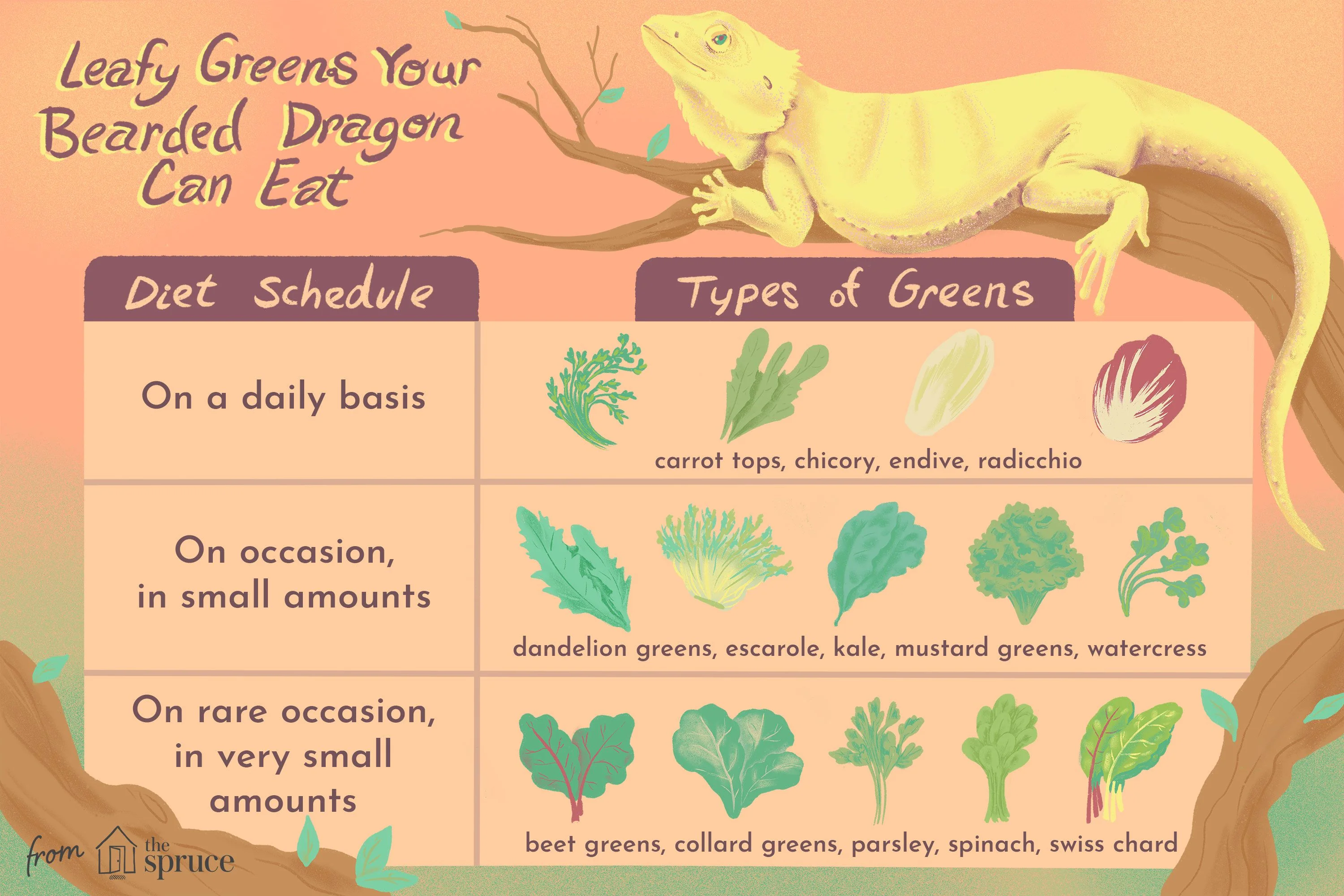
Vegetables are a significant part of a bearded dragon’s diet, providing essential vitamins, minerals, and fiber. Fiber aids in digestion and helps in the efficient conversion of food into energy. Some vegetables that provide excellent fuel include collard greens, mustard greens, and turnip greens. These are packed with nutrients and are readily available. Other good options include butternut squash, which is high in carbohydrates, and bell peppers, which are a good source of vitamins. Always wash vegetables thoroughly before feeding them, and chop them into small pieces that your dragon can easily consume. Regular inclusion of a variety of fresh vegetables will boost your bearded dragon’s energy levels and promote overall health.
Fruits for a Healthy Diet
Fruits, when offered in moderation, can add variety and provide natural sugars for energy. However, they should be given in smaller quantities than vegetables because of their higher sugar content. Good choices include berries, such as blueberries and raspberries, which are rich in antioxidants and vitamins, and small amounts of melon, which can help with hydration. Ensure that fruits are peeled and seeded, where necessary, before offering them. Keep in mind that fruits should never make up the majority of your bearded dragon’s diet. They serve as a supplement, offering a treat and a boost of essential nutrients to help maintain high energy levels.
Boosting Metabolism Through Diet
A healthy metabolism is critical for efficient energy production and overall health. The diet you provide your bearded dragon greatly influences its metabolic rate. Specific foods, such as those high in fiber and essential nutrients, support healthy digestion and optimal metabolic function. A balanced diet ensures that all the necessary processes within your dragon’s body function correctly, contributing to its energy levels and vitality. Avoiding foods that slow the metabolism is also crucial. Pay close attention to the ingredients in their diet to ensure your bearded dragon stays healthy and active.

The Role of Fiber in Digestion
Fiber plays a vital role in bearded dragon’s digestive health, assisting in the breakdown of food and the efficient absorption of nutrients. Adequate fiber in the diet improves digestion and promotes regular bowel movements, preventing constipation. Vegetables such as collard greens and mustard greens are excellent sources of fiber. Ensure that your dragon has access to plenty of fresh, fiber-rich greens daily. A well-functioning digestive system ensures that your bearded dragon can utilize the energy from its food effectively, contributing to overall vitality and energy levels. Fiber is a cornerstone of a balanced diet, boosting metabolism.
Foods to Avoid
Just as important as what you should feed your bearded dragon is what you should avoid. Some foods can be toxic, hard to digest, or offer little nutritional value, leading to energy loss, digestive problems, and other health issues. A good understanding of these foods will help you create a diet that supports your dragon’s health and ensures that its energy levels remain high. Always prioritize safe, nutritious options to ensure your bearded dragon thrives.
Toxic Foods to Avoid
Several foods are toxic to bearded dragons and must be strictly avoided. These include avocados, which contain persin, a toxin that can cause heart problems. Rhubarb and spinach contain oxalates, which can bind to calcium and prevent its absorption, leading to metabolic bone disease. Certain insects, like fireflies, are also poisonous. It is crucial to thoroughly research any new food before introducing it to your dragon’s diet. Consulting a veterinarian experienced with reptiles is an excellent way to confirm that a food item is safe. Careful planning ensures that your pet is protected from potentially harmful ingredients and stays healthy.
Foods That Can Cause Digestive Issues
Certain foods can cause digestive issues in bearded dragons, reducing their energy levels and overall well-being. Citrus fruits, like oranges and lemons, and iceberg lettuce should be avoided. These foods have a low nutritional value and can upset your dragon’s digestive system. Processed foods or those high in sugar can also lead to digestive problems and may cause weight gain. Always introduce new foods in small quantities to monitor your dragon’s reaction and ensure it can digest them properly. Maintaining a careful and informed approach to your pet’s diet will reduce the risk of digestive upset, ensuring your dragon is energetic.
Creating a Balanced Diet Plan
Creating a balanced diet plan involves carefully considering your bearded dragon’s age, health, and activity level. You need to provide a variety of foods that meet its nutritional needs. A well-structured diet plan not only ensures optimal energy levels but also promotes overall health and longevity. Regular monitoring and adjustments based on your dragon’s specific needs are crucial to keeping them happy and thriving. Implementing a strategic plan involves understanding the dietary needs of bearded dragons, selecting appropriate foods, and creating a feeding schedule that promotes healthy energy levels and metabolic function. By following a comprehensive approach, you can ensure your pet lives a long and active life.
Feeding Schedule and Portion Control

The feeding schedule and portion sizes will change as your bearded dragon grows. Baby dragons, for instance, require frequent feedings of insects, typically 2-3 times a day. As they mature, the frequency of insect feeding decreases. Adult bearded dragons should be fed insects once a day or every other day, with a greater emphasis on vegetables. Portion control is essential to avoid overfeeding, which can lead to obesity and decreased energy levels. A good rule of thumb is to provide an amount of food that your dragon can consume in about 10-15 minutes. Regularly monitoring your dragon’s body condition will help you fine-tune the portion sizes and schedule to promote a healthy weight and high energy levels.
Supplements and Vitamins
Supplements and vitamins play a vital role in a balanced diet, ensuring your bearded dragon receives all essential nutrients. Calcium and vitamin D3 are particularly important to promote healthy bone growth and prevent metabolic bone disease. Dusting insects with calcium and vitamin D3 supplements is a common practice. A multivitamin supplement can also be used, but it should be administered sparingly to avoid overdosing. Always follow the recommendations provided by your veterinarian and the supplement manufacturer. Regular supplementation helps maintain your dragon’s health and boosts energy levels by ensuring that all its nutritional needs are met.
Hydration and Its Importance
Hydration is as critical as nutrition for maintaining your bearded dragon’s energy levels. Dehydration can quickly lead to lethargy and health issues, so providing a constant supply of fresh, clean water is essential. Dehydration can impair various bodily functions, leading to a noticeable decrease in activity levels and overall energy. Ensuring your bearded dragon stays well-hydrated is key to their overall health and vitality. Proper hydration, in combination with a well-balanced diet, will help your bearded dragon thrive, stay active, and maintain high energy levels. Regular access to water is a fundamental part of their care.
Best Ways to Keep Your Dragon Hydrated
Providing fresh water daily is the simplest and most effective way to keep your bearded dragon hydrated. Place a shallow water dish in their enclosure and change the water daily. Additionally, misting the enclosure with water, especially during shedding, can help provide extra hydration. Many dragons enjoy drinking from dripping water sources or from leaves after misting. Some may prefer to drink from a shallow dish; observe your dragon’s preferences. Monitoring your dragon’s waste and skin is another effective way to assess hydration levels. If the feces are dry and white or the skin appears wrinkled, your dragon may not be getting enough water. Adjusting your hydration strategies will help your bearded dragon maintain optimal energy levels.
Monitoring Your Dragon’s Energy Levels
Regularly monitoring your bearded dragon’s energy levels is crucial for ensuring its well-being and identifying any potential health concerns. Observing your dragon’s behavior, activity levels, and physical condition can provide valuable insights into its overall health. By staying vigilant, you can promptly address any issues that might arise and ensure that your pet thrives.
Recognizing Positive Energy Signs
Recognizing the signs of a healthy, energetic bearded dragon is as important as identifying warning signs of low energy. A healthy dragon will be alert, with bright eyes, and a clear, alert gaze. They should exhibit an active interest in their surroundings, often exploring their enclosure and interacting with their environment. They should be active during the day, basking under the heat lamp when needed, and showing an appetite for food. Vibrant coloration, a strong grip, and regular, healthy bowel movements are all indicators of high energy levels. A dragon displaying these characteristics is likely receiving the proper nutrition and care to maintain optimal health. These are all signs of a happy, healthy, and energetic pet.
Seeking Professional Advice
While this guide provides valuable information, it’s always wise to consult with a veterinarian experienced in reptile care for personalized advice. Regular check-ups and professional guidance can ensure your bearded dragon receives the best possible care. A qualified vet can help identify and address any health issues, providing expert guidance. They can also offer insights tailored to your specific pet’s needs. Seeking professional advice ensures that your bearded dragon receives the highest level of care, promoting its longevity and quality of life. Don’t hesitate to seek professional advice for the health of your reptile.
In conclusion, feeding your bearded dragon a balanced diet that prioritizes energy levels and metabolic health is critical to their well-being. By understanding their dietary needs, providing high-quality foods, and avoiding harmful ingredients, you can significantly improve your dragon’s energy, activity, and overall health. Remember to monitor your dragon’s behavior and health, and to seek professional advice when needed. By following these top tips, you’ll ensure your bearded dragon lives a long, active, and vibrant life.