Understanding Bearded Dragon Dietary Needs
Bearded dragons, fascinating reptiles native to Australia, have specific dietary needs that are crucial for their health and well-being. Their diet is naturally omnivorous, consisting of insects, leafy greens, and occasional fruits. Understanding these needs is the first step towards successful diet customization. Young bearded dragons, or juveniles, require a diet higher in protein to support their rapid growth. As they mature, the ratio of insects to plant matter should gradually shift, with adults consuming more vegetables. Ensuring a balanced intake of essential nutrients, including calcium, vitamin D3, and various vitamins and minerals, is vital to prevent health complications. A proper diet supports a strong immune system, healthy bones, and overall vitality, making it essential to grasp the fundamental principles of their nutritional requirements to tailor their meals effectively.
Why Customize Your Bearded Dragon’s Diet
Diet customization isn’t just about providing food; it’s about ensuring your bearded dragon thrives. Every dragon is unique, and their individual needs can vary based on age, health, and activity level. Customizing the diet allows you to address specific health concerns, optimize nutrient intake, and promote overall well-being. Whether dealing with a juvenile dragon’s rapid growth requirements or an adult with a health issue, tailoring their diet can significantly impact their quality of life. For example, dragons with metabolic bone disease need increased calcium and vitamin D3. Those with digestive issues may benefit from easily digestible foods. By customizing the diet, you can fine-tune the balance of nutrients, ensuring your dragon receives precisely what it needs to stay healthy and active, leading to a happier, longer life.

Common Health Issues Impacting Diet
Several health issues can necessitate diet customization in bearded dragons. Recognizing these issues and understanding how they impact your dragon’s diet is crucial for providing appropriate care. Common ailments that often require dietary adjustments include Metabolic Bone Disease (MBD), parasitic infections, and digestive problems. Each of these conditions can affect how the dragon processes nutrients, absorbs vitamins, and maintains overall health. Therefore, diet modifications are often a key component of the treatment plan. It’s important to be vigilant in observing your dragon’s behavior and health to identify any potential problems early, and to seek veterinary advice promptly. This will ensure that the diet is modified effectively to support recovery and maintain the dragon’s health.
Metabolic Bone Disease
Metabolic Bone Disease (MBD) is a common and serious condition caused by calcium deficiency or an imbalance of calcium and phosphorus. This disease can be detrimental to bearded dragons, leading to weakened bones, deformities, and mobility issues. Dietary adjustments are paramount in managing MBD, often involving the supplementation of calcium and vitamin D3. Ensure that insects are dusted with a calcium and vitamin D3 supplement before feeding. Increasing the intake of calcium-rich foods and providing proper UVB lighting to help the dragon synthesize vitamin D3 are essential. Regular monitoring of your dragon’s condition is crucial to assessing the effectiveness of dietary changes and ensuring their bone health improves. Without proper intervention, MBD can severely impact the quality of life of your bearded dragon.

Parasites and Infections
Parasitic infections can significantly impact a bearded dragon’s health and nutritional intake. Parasites can interfere with the dragon’s ability to absorb nutrients, leading to weight loss, lethargy, and other health problems. The diet must be adjusted to support the immune system and aid recovery. This often includes providing a diet of easily digestible foods and avoiding foods that might exacerbate digestive issues. A vet might recommend a diet high in essential vitamins and minerals to support the dragon’s recovery. Regular fecal exams and appropriate deworming treatments, as prescribed by a veterinarian, are crucial. Dietary changes combined with medical treatment provide a strong foundation for restoring your bearded dragon’s health and vitality.
Digestive Problems
Digestive problems such as constipation or diarrhea can be quite distressing for bearded dragons. Dietary adjustments are usually the first line of defense in managing digestive issues. These modifications often involve a shift towards easily digestible foods and may include changes in the texture and size of food. Offering smaller meals more frequently, including a variety of fiber-rich vegetables, and ensuring adequate hydration are helpful strategies. The removal of high-fat or hard-to-digest foods is sometimes necessary. Consulting with a veterinarian is essential, as they can diagnose the root cause of the digestive issues and recommend specific dietary modifications and treatments. Adjusting your dragon’s diet can improve digestive health and overall comfort.
Assessing Your Bearded Dragon’s Needs
Effective diet customization begins with a thorough assessment of your bearded dragon’s individual needs. This process involves careful observation of your pet’s behavior, physical condition, and health history. Understanding their baseline health status helps identify any potential issues or specific requirements. The assessment includes regular weight monitoring, appetite evaluation, and noting any changes in behavior, such as lethargy or unusual eating habits. By paying close attention to these details, you can create a baseline to which you can refer to see if there are any issues you need to worry about. This information is invaluable when customizing the diet to support your dragon’s health and well-being. Proper assessment ensures that any diet modifications are targeted and effective.
Observation and Monitoring
Regular observation is a cornerstone of caring for a bearded dragon. Observe your dragon’s feeding habits, stool consistency, and overall activity levels. Look for any signs of illness or discomfort, such as changes in appetite, weight loss, or lethargy. Monitor the dragon’s skin and body condition, paying attention to any signs of dehydration or nutritional deficiencies. Any deviations from normal behavior may indicate underlying health issues that can influence dietary needs. Keeping a detailed log of your observations is a helpful tool for identifying trends and recognizing any necessary adjustments to your dragon’s diet. Regular observation allows for early intervention and ensures that your dragon receives the necessary care.
Consulting with a Veterinarian
Consulting with a veterinarian experienced in reptile care is essential for any significant changes to your bearded dragon’s diet, especially if you suspect health problems. A vet can perform comprehensive examinations and diagnostic tests to assess your dragon’s health, identify any underlying issues, and provide informed dietary recommendations. They can also help rule out other potential causes of behavioral changes or physical symptoms. This collaboration ensures the best possible outcome for your bearded dragon. Regularly scheduled check-ups are a valuable part of preventative care. Following a veterinarian’s advice is critical for making informed and safe decisions regarding your pet’s diet and healthcare needs. They can provide the best guidance for your dragon’s specific circumstances.
Customizing the Diet for Specific Needs
Once you understand your bearded dragon’s unique needs, it’s time to customize the diet accordingly. Tailoring the diet involves making adjustments to several key areas, including protein intake, calcium and vitamin D3 levels, the types of vegetables and fruits offered, the food texture, and the methods of feeding. These adjustments allow you to address specific health concerns, support healthy growth, and optimize nutrient absorption. It is essential to introduce changes gradually and monitor your dragon’s response to ensure that they are well-tolerated and beneficial. Working closely with a veterinarian can help you create a safe and effective diet modification plan that meets the individual needs of your bearded dragon, promoting their overall health and longevity.
Adjusting Protein Intake

Protein requirements vary with a bearded dragon’s age and activity level. Younger dragons, those actively growing, need a higher protein intake to support their development. As they mature, the proportion of protein in their diet should be adjusted. For young dragons, provide a diet that consists of around 80% insects and 20% vegetables. Adults generally require a diet with a ratio of approximately 20-30% insects and 70-80% vegetables. Choosing high-quality insects such as crickets, dubia roaches, and mealworms is crucial. Monitor your dragon’s weight and body condition to determine whether they are getting the appropriate amount of protein. Adjusting protein intake is essential for optimizing your bearded dragon’s health at every stage of life.
Managing Calcium and Vitamin D3
Calcium and vitamin D3 are vital nutrients for bearded dragons, particularly for maintaining healthy bones. Proper calcium absorption requires adequate vitamin D3 and proper UVB lighting. Supplementing the diet with calcium and vitamin D3 is often necessary, especially for dragons with metabolic bone disease or those not receiving sufficient UVB exposure. Insects should be dusted with a calcium and vitamin D3 supplement before feeding. You can also offer calcium-rich vegetables such as collard greens and mustard greens. Monitor your dragon’s health for any signs of deficiency, such as lethargy or bone deformities. Ensuring adequate calcium and vitamin D3 intake is vital for overall health and bone development.
Modifying Vegetable and Fruit Portions
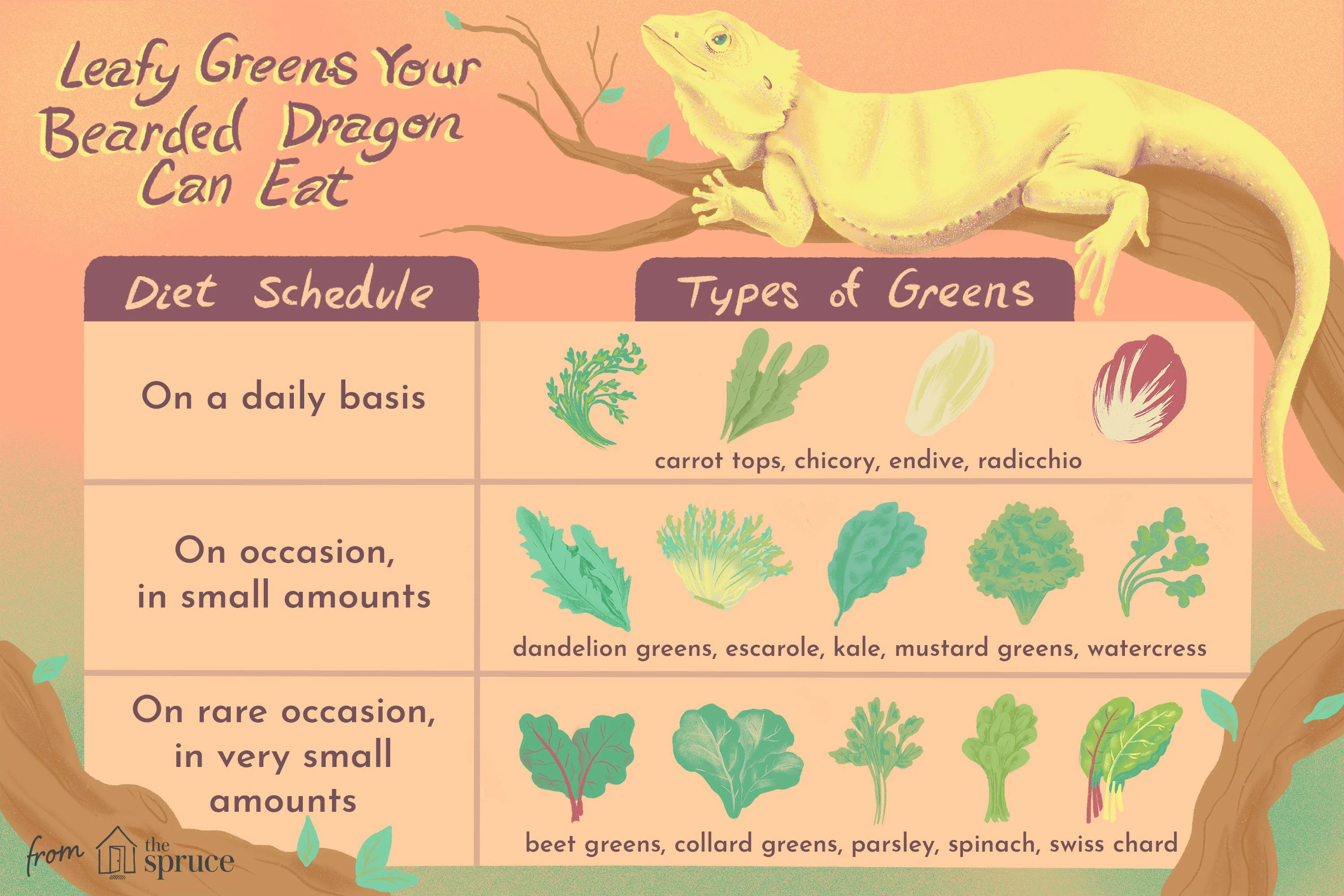
Vegetables and fruits are essential components of a balanced bearded dragon diet. These provide essential vitamins, minerals, and fiber. Choose a variety of nutrient-rich vegetables such as dark leafy greens, bell peppers, and squash. Offer fruits in moderation, as they are high in sugar. Avoid fruits that are too high in sugar or acidic, such as citrus fruits. The amount of vegetables and fruits in your dragon’s diet can be adjusted based on their specific needs. For instance, dragons with digestive issues might benefit from more easily digestible vegetables. Ensure the food is fresh and properly prepared, to maximize nutrient availability. Proper selection and portioning of vegetables and fruits contribute to a well-rounded diet and support optimal health.
Food Texture and Size Adjustments
The texture and size of food can significantly impact your bearded dragon’s ability to eat, especially those with health issues. For dragons with digestive problems, offering soft, easily digestible foods may be beneficial. You can finely chop or mash vegetables and fruits for easier consumption. For dragons with dental issues, soft foods can also make eating easier. Ensure the food is the correct size for your dragon to prevent choking hazards. For juveniles, offer smaller insects and finely chopped vegetables. Adapt the texture and size of the food to the specific needs and abilities of your dragon. Tailoring the food’s consistency can help improve their ability to eat comfortably and get the nutrition they need.
Hydration Strategies
Proper hydration is essential for a bearded dragon’s health. Dehydration can worsen health issues and impact digestion. Ensure a clean water source is always available. Encourage hydration by offering water in a shallow dish or dripped from a syringe. Some dragons may prefer drinking from a moving water source, such as a water fountain designed for reptiles. Supplementing the diet with water-rich foods like cucumbers or melons can also help increase hydration. Monitor your dragon for signs of dehydration, such as sunken eyes, dry skin, or constipation. Providing adequate hydration is a crucial aspect of your dragon’s overall well-being.
Special Feeding Techniques
Sometimes, special feeding techniques are necessary, particularly for dragons with specific health challenges or those that are unable to eat independently. Understanding and implementing these techniques can make a big difference in the overall health and recovery process. Techniques like syringe feeding and tube feeding can be necessary for dragons that are unable to eat on their own, ensuring they still receive the nutrition they need. Creating a comfortable and stress-free feeding environment is another crucial consideration. Providing supportive care during mealtimes promotes better nutritional intake and ensures your bearded dragon is getting what it needs. These methods also ensure proper nutrient delivery and help with overall health management.
Using a Syringe or Feeding Tube
Syringe and tube feeding may be necessary for bearded dragons unable to eat independently. Syringe feeding can be used to provide liquid or semi-liquid food directly into the mouth. The process should be slow and careful to prevent aspiration. Tube feeding, performed by a veterinarian, involves inserting a tube into the stomach to deliver liquid nutrition. Both techniques require proper technique and guidance to avoid causing harm. Use a syringe to offer finely blended or liquid foods. Consult with your veterinarian about specific recipes and techniques. These methods are often life-saving in cases of severe illness or when a dragon cannot eat on its own. Knowing these methods is a critical skill for reptile owners.
Creating a Comfortable Feeding Environment

Creating a comfortable feeding environment can improve your bearded dragon’s appetite and encourage them to eat. Provide a quiet, stress-free space away from potential threats or disturbances. Ensure the enclosure is at the correct temperature for the dragon’s species and health needs. Offer food in a shallow dish or directly from your hand, depending on the dragon’s preference. A consistent feeding schedule can also help improve their appetite. Some dragons may feel more comfortable eating in a particular spot. Tailoring the feeding environment improves the feeding process, leading to better nutrient intake and improved well-being. A comfortable environment encourages your dragon to eat and enjoy their meals.


Monitoring and Evaluation
After customizing your bearded dragon’s diet, continuous monitoring and evaluation are crucial to assess the effectiveness of the changes. Regularly tracking your dragon’s weight, appetite, and overall behavior will provide valuable insights into how well the diet is working. Regular veterinary checkups also play a crucial role in monitoring health. Use the information you collect to make any necessary adjustments to the diet, ensuring it meets your dragon’s evolving needs. Effective monitoring ensures that any diet modifications meet your dragon’s evolving needs, promoting their overall health and longevity. This adaptive approach to diet customization allows for the best possible care and outcomes for your bearded dragon.
Tracking Weight and Appetite

Regularly tracking your bearded dragon’s weight and appetite is critical for assessing the effectiveness of dietary changes. Weigh your dragon regularly and record the results in a log. Monitor how much food they consume each day. Changes in weight or appetite can indicate underlying health problems or issues with the diet. Weight loss or decreased appetite may signal that the dragon is not receiving sufficient nutrients or is experiencing a health problem. Any significant changes in weight or appetite should be addressed promptly. Keeping detailed records of these measurements can provide crucial insights into your dragon’s overall health and inform any necessary dietary adjustments.
Regular Veterinary Checkups
Regular veterinary checkups are essential for monitoring the overall health of your bearded dragon and evaluating the effectiveness of any dietary adjustments. During these checkups, the vet will conduct a physical examination, assess the dragon’s weight and body condition, and may perform tests, such as fecal exams or blood work. These tests provide invaluable information about your dragon’s overall health and nutritional status. The vet can identify any potential health issues, such as parasitic infections or nutritional deficiencies, and provide informed advice on the best course of action, including dietary modifications. Regularly scheduled checkups provide an opportunity for early detection and intervention. This proactive approach helps ensure that your bearded dragon receives the best possible care and maintains optimal health and longevity.
Adjusting the Diet Based on Results
After implementing dietary changes, closely monitor your bearded dragon’s progress and adjust the diet based on the results you observe. If your dragon’s weight and appetite improve and overall health is restored, the diet is likely effective. If, however, you don’t see improvements, it’s important to re-evaluate the diet. If the dragon’s weight and appetite are still declining, consult with a veterinarian to rule out any underlying health issues. Don’t be afraid to experiment with different food options and consult with your veterinarian when making changes. This iterative approach to diet customization ensures that the dietary changes support your dragon’s health and well-being. Continual observation and assessment of their response to dietary changes is crucial.
Conclusion Dietary Customization for Bearded Dragons
Customizing your bearded dragon’s diet is a vital aspect of responsible pet ownership. By understanding their dietary needs, identifying potential health issues, and tailoring their food accordingly, you can significantly improve their quality of life and longevity. Remember to monitor their weight, appetite, and overall behavior and consult with a veterinarian for guidance. The effort you put into customizing your bearded dragon’s diet ensures they receive the right nutrition and support to thrive. Embrace the responsibility and enjoy the rewarding experience of caring for your bearded dragon, providing them with a happy and healthy life!