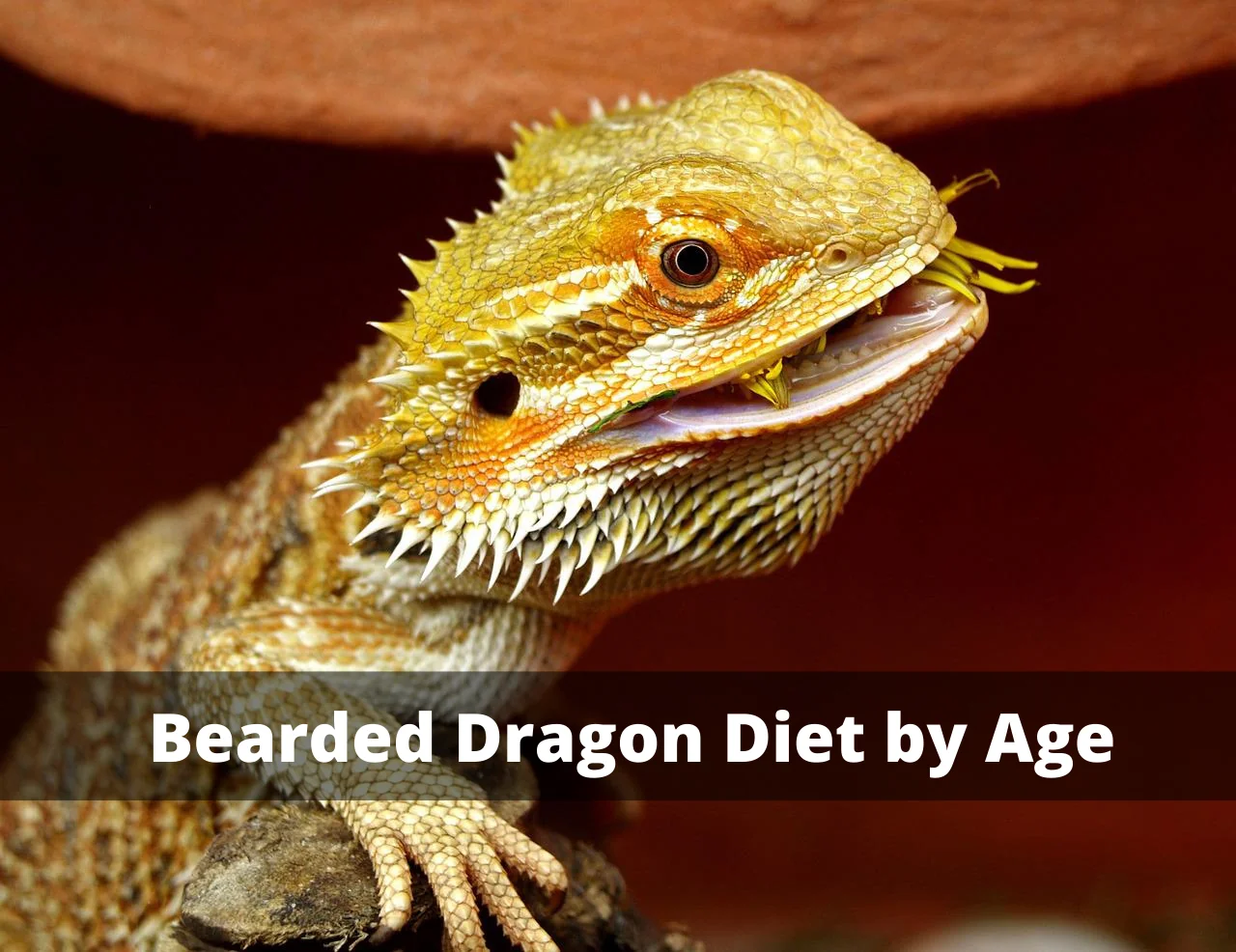
The Importance of a Balanced Bearded Dragon Diet
Providing a balanced diet is crucial for the health and longevity of your bearded dragon. Like humans, these reptiles require a variety of nutrients to thrive, including protein, vitamins, minerals, and hydration. A well-rounded diet supports healthy growth, strong bones, vibrant colors, and a robust immune system. Neglecting their nutritional needs can lead to various health problems, including metabolic bone disease, vitamin deficiencies, and a weakened immune system, making them susceptible to illness. Understanding the specific dietary requirements of bearded dragons allows owners to make informed choices and provide their pets with the best possible care. This ultimately leads to a happier, healthier bearded dragon.
Understanding the Nutritional Needs of Bearded Dragons
Bearded dragons have specific nutritional needs that change throughout their lives, especially as they mature. Hatchlings and juveniles require a diet higher in protein to support rapid growth, while adults need a more balanced intake with a greater emphasis on vegetables. The proportions of food items shift, influencing overall health and longevity. Protein, primarily sourced from insects, provides the building blocks for muscle and tissue development. Fiber, vitamins, and minerals are mainly obtained from a variety of fresh vegetables. Water is important for all bodily functions, from digestion to temperature regulation. It is essential to know the nutritional values for each food item. Understanding the right proportion of each food type is vital for their development.

Protein Requirements
Protein is a cornerstone of a bearded dragon’s diet, particularly for young dragons. Protein supports growth, muscle development, and overall bodily functions. As juveniles, they need a diet that’s rich in protein, primarily sourced from insects. Good insect choices include crickets, mealworms (in moderation), dubia roaches, and black soldier fly larvae. As bearded dragons mature, the protein ratio shifts. While protein remains essential, the amount of insects should be reduced to prevent excessive weight gain. Adults need a diet comprising approximately 20-30% insects. Always ensure insects are gut-loaded with nutritious foods before feeding them to your dragon; this maximizes nutritional value. Avoid insects collected from the wild as they may carry parasites or pesticides.
Vegetable and Fruit Intake
Vegetables are the foundation of a healthy adult bearded dragon’s diet, providing essential vitamins, minerals, and fiber. A diverse selection of vegetables is crucial to ensure a wide range of nutrients. Dark, leafy greens like collard greens, mustard greens, turnip greens, and dandelion greens should form the bulk of the vegetable portion. They are packed with vitamins and minerals. Other beneficial vegetables include bell peppers (especially red and yellow), squash, and zucchini. Fruits should be offered as a treat in small quantities. They add variety and offer some nutritional benefits but are high in sugar. Fruits such as berries, melon, and a small amount of apple or pear can be given occasionally. Always wash and chop vegetables and fruits into appropriately sized pieces to prevent choking hazards. Avoid feeding your bearded dragon iceberg lettuce as it has little nutritional value.
Calcium and Vitamin D3 Supplementation
Calcium and Vitamin D3 are essential for bone health in bearded dragons. Calcium supports bone strength, while Vitamin D3 aids in calcium absorption. Without sufficient Vitamin D3, bearded dragons can develop metabolic bone disease (MBD). MBD weakens bones and can lead to paralysis or death. Supplementation is, therefore, often necessary. Dust insects and sometimes vegetables with a calcium and Vitamin D3 supplement before feeding. The frequency of supplementation depends on factors like the diet, UVB exposure, and the dragon’s age. Always follow the manufacturer’s instructions and do not over-supplement, as excessive amounts can also be harmful. Regular monitoring of your dragon’s health and behavior is important to ensure that they are getting the right balance of nutrients.

Top 5 Dietary Boosters for Bearded Dragons
Elevate your bearded dragon’s diet with these top 5 boosters to promote their health and well-being. These additions can make a significant difference in their overall health. These boosters cover a range of nutritional needs. From carefully selected insects to vitamin supplements, these simple additions can have a huge impact on the quality of life.
Live Insects as Nutritional Powerhouses
Live insects serve as the primary source of protein for bearded dragons, particularly during their growth stages. They provide essential amino acids, which are the building blocks of protein. Offering a variety of insects ensures a comprehensive range of nutrients. Gut-loading insects before feeding them to your dragon significantly boosts their nutritional value. Gut-loading involves feeding the insects nutritious foods like vegetables and grains a few hours before you give them to your dragon. This makes sure that the insects are filled with the nutrients your bearded dragon needs. When choosing insects, consider their nutritional profiles, ease of care, and availability. Different insects offer various nutritional benefits and can add variety to your dragon’s diet.
Best Insects for Bearded Dragons
Selecting the right insects is a crucial component of a bearded dragon’s diet. Crickets are a common and readily available choice, providing a good source of protein. Dubia roaches are another excellent option, with a favorable calcium-to-phosphorus ratio, making them a healthier choice. Mealworms are a good option, but they should be given sparingly because of their high fat content. Black soldier fly larvae (also called Phoenix worms) are an exceptional option. They have a high calcium content, perfect for maintaining bone health. Always ensure insects are from a reputable source and are free from parasites or pesticides. Proper storage of insects will ensure their health and freshness.
How to Prepare Insects Safely
Proper insect preparation is essential for ensuring the safety and nutritional value of these feeders. Before feeding, insects should be gut-loaded with nutritious foods like vegetables and grains. This boosts their nutritional content. Dust insects with a calcium and vitamin D3 supplement to support bone health. Ensure that insects are the correct size for your bearded dragon to prevent choking hazards. Young dragons need smaller insects. Remove any uneaten insects from the enclosure after a set time to prevent them from biting your dragon and to maintain a clean environment. Also, always buy your insects from a trusted source. Make sure that they are healthy and free from pesticides.

Nutrient-Rich Vegetables and Fruits
Vegetables and fruits provide essential vitamins, minerals, and fiber. They’re a very important part of a bearded dragon’s diet. Dark, leafy greens should make up the majority of their vegetable intake. These greens are packed with vital nutrients that support overall health. Fruits should be offered sparingly due to their high sugar content. Variety is key. Introduce a mix of options to ensure your dragon gets a broad range of nutrients. Thoroughly wash all vegetables and fruits before serving to remove pesticides or other contaminants. Chop them into manageable sizes. Make sure they are easy for your dragon to eat.
Selecting the Right Greens
Choosing the right greens is the foundation of a healthy vegetable intake. Collard greens, mustard greens, turnip greens, and dandelion greens are excellent choices. They are rich in vitamins, minerals, and fiber. Avoid iceberg lettuce, which has little nutritional value. Spinach and kale can be given in moderation, but they should not be the primary source of greens, as they can interfere with calcium absorption. Always offer a mix of greens to provide a diverse range of nutrients. Regularly rotate the greens you offer to maintain variety and interest in their meals.

Fruit Considerations and Portion Control
Fruits are a tasty treat, but they should be given in limited quantities due to their sugar content. Berries, melon, and small amounts of apple or pear can be offered. These fruits offer some nutritional benefits and add variety to the diet. Monitor your bearded dragon’s weight and adjust the fruit portion accordingly. Overfeeding fruit can lead to weight gain and other health issues. Portion control is important. Offer small amounts of fruit no more than once or twice a week. Always remove any uneaten fruit to prevent fruit flies.
Hydration Boosting Foods and Techniques
Proper hydration is vital for bearded dragons. They get water from both their food and a water source in their enclosure. Certain foods can help increase hydration. Making sure they are properly hydrated can boost their overall health. Offering water-rich vegetables and a clean water bowl will keep your bearded dragon healthy.
Water-Rich Vegetables
Supplement the diet with water-rich vegetables like cucumber and zucchini, especially during warmer months. These vegetables can help prevent dehydration. Offering them in moderation is a good idea. They can contribute significantly to your dragon’s fluid intake. Ensure these vegetables are washed thoroughly before offering them to your dragon. Monitor their water intake. Combine water-rich veggies with a proper water bowl in their enclosure to ensure they stay hydrated.
Proper Water Bowl Setup
A clean and accessible water bowl is important for a bearded dragon’s well-being. Place a shallow bowl of fresh, clean water in their enclosure at all times. Change the water daily to prevent bacterial growth. Position the water bowl away from the basking spot to keep the water cool. Regularly clean the water bowl with warm, soapy water to remove any residue. Some dragons prefer to drink from a dripping system. Consider adding a dripping system to your dragon’s habitat.
Vitamin and Mineral Supplements for Health
Supplements play a critical role in ensuring that bearded dragons receive all the necessary vitamins and minerals they need to thrive. While a well-balanced diet should be the foundation of their nutrition, supplements can address any nutritional gaps. Careful consideration should be given to the type of supplements, choosing high-quality products, and adhering to safe dosage guidelines. Consulting a veterinarian and being careful in supplementation can help to ensure your bearded dragon gets the right nutrients.
Choosing High-Quality Supplements
Select supplements specifically formulated for reptiles, with a focus on bearded dragons. The market has a wide range of brands, so research to select the best. Look for supplements that contain calcium, vitamin D3, and a multivitamin. Choose reputable brands. Always verify the expiration date and the product’s ingredients. These aspects will impact your bearded dragon’s health. Ensure that the supplements are fresh and stored properly.
Safe Dosage Guidelines
Adhering to safe dosage guidelines is crucial to prevent health issues. Excessive supplementation can be just as harmful as insufficient intake. Always read and follow the manufacturer’s instructions on the supplement label, or seek your vet’s advice. Regularly monitor your dragon’s health and appearance. If you notice any signs of over-supplementation, such as changes in stool or appetite, consult a veterinarian immediately. Proper dosage ensures that your bearded dragon receives adequate nutrition without the risk of adverse effects. You can optimize your bearded dragon’s health, from the inside out.
Monitoring Your Bearded Dragon’s Health
Regularly monitoring your bearded dragon’s health is a must. It ensures that their dietary needs are being met. Observing their behavior, appearance, and overall well-being will let you identify potential issues early on. Regular check-ups with a veterinarian can help you stay on top of their health. You can catch potential problems, such as nutritional deficiencies. Early detection can allow for faster treatment. By being attentive and proactive, you are safeguarding your dragon’s health.
Recognizing Signs of Nutritional Deficiencies
Recognizing the signs of nutritional deficiencies is crucial for timely intervention. Common signs include lethargy, loss of appetite, and unusual behaviors like hiding. Metabolic bone disease (MBD), caused by a calcium deficiency, can manifest as bowed legs, paralysis, or difficulty moving. Vitamin deficiencies can cause swollen eyelids or skin problems. If you notice these signs, it’s important to consult a vet right away. Early treatment can often reverse the negative effects. These signs should serve as a warning to take action.
Seeking Veterinary Advice


Consulting a veterinarian who is experienced in reptile care is an important step. A vet can perform a thorough physical examination, assess your dragon’s diet, and recommend any necessary adjustments. They can also identify any underlying health issues that could be affecting your dragon’s nutritional status. Regular check-ups can help you track changes in your dragon’s health. They can detect potential problems early. A veterinarian is a great resource for optimizing your bearded dragon’s diet and ensuring its long-term health. They can provide insight into how to provide an adequate diet.
