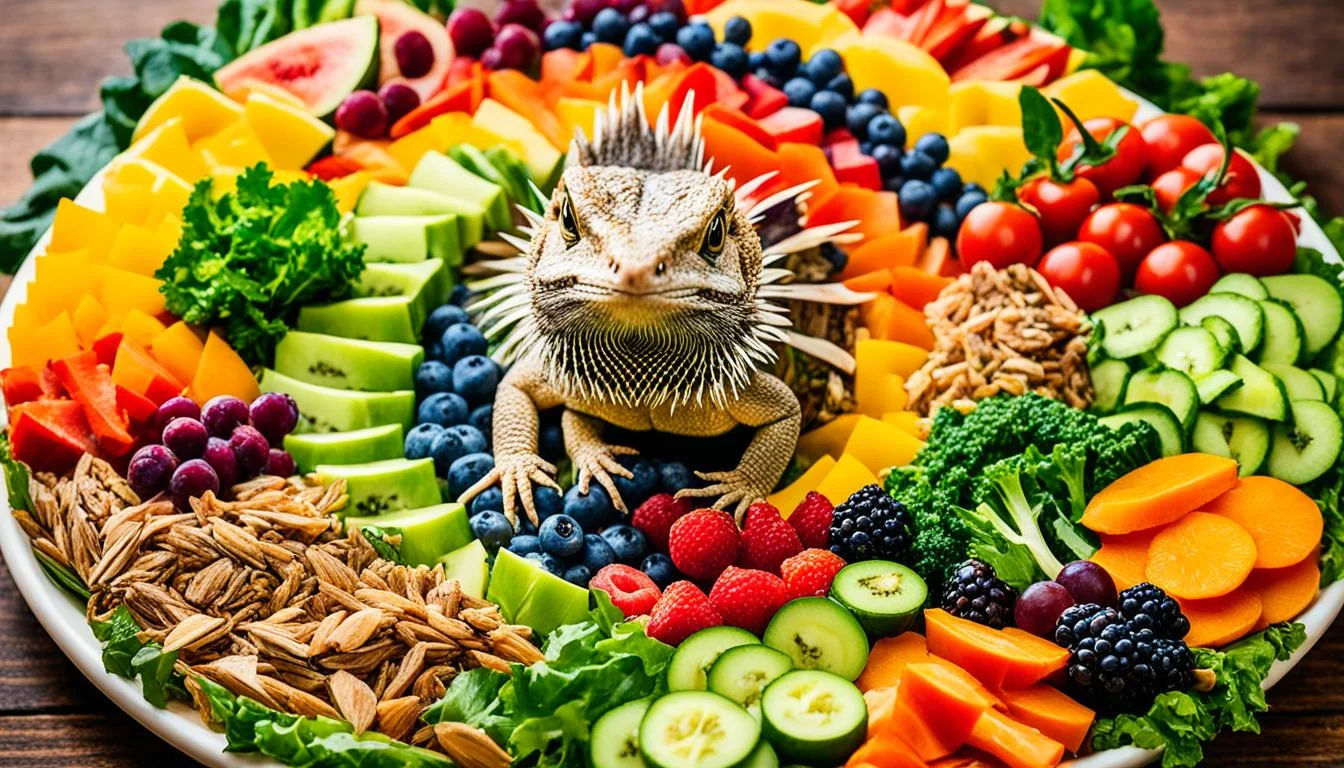
Essential Components of a Bearded Dragon Diet
A well-balanced diet is paramount for the health and longevity of your bearded dragon. Their nutritional needs change throughout their lifespan, but the core components remain consistent. These include a balance of protein, vegetables, and fruits, supplemented with vitamins and minerals. Providing a varied and appropriate diet ensures that your pet receives all the essential nutrients needed for growth, development, and overall well-being. Failing to provide a balanced diet can lead to various health issues, including metabolic bone disease, vitamin deficiencies, and stunted growth. Therefore, understanding the essential components is the first step to ensuring a thriving bearded dragon.
Protein Sources: Insects
Insects are a crucial protein source for bearded dragons, especially during their juvenile stage when they need more protein to support rapid growth. Insects should constitute a significant portion of their diet early in life. As they mature, the proportion of insects to vegetables and fruits should decrease. The key is to offer a variety of insects to provide a range of nutrients and avoid dietary boredom. Remember to dust insects with calcium and vitamin supplements to ensure your bearded dragon gets all the essential nutrients.
Best Insects for Bearded Dragons
Not all insects are created equal when it comes to feeding your bearded dragon. The ideal insects are those that are high in protein and low in fat. Some of the best choices include crickets, mealworms (in moderation), dubia roaches, and black soldier fly larvae (also known as phoenix worms). Crickets are a staple and are generally readily available, but mealworms should be offered sparingly because of their high chitin content, which can be difficult to digest in large quantities. Dubia roaches are highly nutritious and easy to keep, making them an excellent choice. Phoenix worms are also a great option as they are high in calcium.
Insect Feeding Guidelines
The quantity of insects you feed your bearded dragon depends on its age. Baby bearded dragons require more frequent feedings of insects, typically two to three times a day. They should be offered as many insects as they can eat in a 10-15 minute period. Sub-adults can be fed insects once a day, while adults may only need insects a few times a week. Always offer insects that are appropriately sized for your dragon; the insect should not be wider than the space between the dragon’s eyes. Before feeding, ensure that the insects are gut-loaded, meaning they have been fed nutritious food themselves to pass on those nutrients to your dragon.
Protein Sources: Other
While insects are the primary protein source, some keepers also offer lean meats on occasion. This should be done sparingly and should never replace insects as the main protein source. Lean meats can provide variety and additional nutrients but should not be a regular part of the diet. Ensure any meat offered is plain, cooked, and free of any seasonings or additives that could be harmful to your dragon. Always make sure the meat is cooked thoroughly to eliminate any risk of parasites or bacteria.


Lean Meats as Dietary Options
If you choose to offer lean meats, options like cooked chicken or turkey are viable choices. These should be offered in small quantities, perhaps once or twice a month. Avoid processed meats, such as ham or bacon, which are high in sodium and unhealthy fats. When offering meat, make sure it is cut into small, manageable pieces to prevent choking. Always monitor your dragon’s reaction to new foods and discontinue feeding any food that causes digestive upset or other health problems.
Feeding Frequency and Portions
The feeding frequency and portion sizes for your bearded dragon will evolve as it ages. Baby bearded dragons need more frequent feedings, with a diet consisting of approximately 80% insects and 20% vegetables. Sub-adults can be fed once a day, with a ratio of roughly 50% insects and 50% vegetables. Adult bearded dragons can be fed once every other day, and the diet should shift to approximately 80% vegetables and 20% insects. Adjust portion sizes according to your dragon’s appetite and body condition. Overfeeding can lead to obesity, while underfeeding can result in nutritional deficiencies.
Vegetable and Fruit Consumption
Vegetables and fruits are essential for providing vitamins, minerals, and fiber in your bearded dragon’s diet. They should always make up a significant portion of the diet, especially as the dragon matures. A variety of vegetables and a smaller amount of fruit will contribute to a well-rounded nutritional intake. It is very important to wash all vegetables and fruits thoroughly before feeding to remove any pesticides or chemicals. Variety is important to provide a broad range of essential nutrients.
Recommended Vegetables for Bearded Dragons
There is a wide array of vegetables that are safe and beneficial for bearded dragons. Dark, leafy greens, such as collard greens, mustard greens, dandelion greens, and turnip greens, are excellent choices. These greens are packed with essential vitamins and minerals. Other good options include squash (butternut, acorn, and spaghetti), bell peppers, and carrots. Avoid vegetables that are high in oxalates, such as spinach and beet greens, as they can bind calcium and hinder its absorption. Offer a mix of several vegetables to provide a wide range of nutrients.
Fruits to Offer in Moderation
Fruits should be offered sparingly because they contain high sugar content. Too much fruit can lead to digestive problems and obesity. Some suitable fruits include berries (blueberries, raspberries, strawberries), melon (cantaloupe, honeydew), and small amounts of apple and pear. Fruits should only constitute about 5-10% of the diet. Always remove any seeds from fruits before offering them to your dragon. As with vegetables, offering a variety of fruits ensures a more balanced intake of nutrients.
Foods to Avoid

Some foods are toxic or harmful to bearded dragons and should be strictly avoided. These include avocados, which contain persin (toxic to reptiles), and any food that is high in oxalates or goitrogens, which can interfere with calcium absorption and thyroid function. Additionally, avoid feeding citrus fruits because of their acidity. Never give your dragon processed foods, junk food, or anything that is not specifically recommended for reptiles. Be mindful of the foods you feed and always prioritize your dragon’s health and safety.

Supplementation and Vitamins
Supplementation is a critical component of a bearded dragon’s diet. While a varied diet can provide many nutrients, supplementing with calcium and vitamin D3 is generally necessary. The specific needs of your dragon, its age, and the intensity of UV exposure will affect how much supplementation is needed. Always choose supplements specifically designed for reptiles and follow the manufacturer’s instructions carefully. Be careful not to over-supplement, as this can lead to health issues as well.
Importance of Calcium and Vitamin D3

Calcium is essential for strong bones, healthy muscle function, and proper organ function. Vitamin D3 is necessary for calcium absorption. Without sufficient vitamin D3, your bearded dragon will not be able to effectively utilize the calcium it consumes. Supplementing with calcium and vitamin D3 is especially important for growing dragons and females that are laying eggs. Deficiency in calcium can lead to metabolic bone disease (MBD), a serious and often fatal condition. Therefore, always provide a calcium supplement, preferably with D3, and ensure your dragon has access to UV lighting to help with vitamin D3 synthesis.
Vitamin Supplementation Guidelines

Supplementation guidelines vary depending on your dragon’s age, the type of UV lighting used, and the overall diet. Calcium with D3 is usually dusted on insects several times a week, especially for young dragons. A multivitamin supplement can be dusted on insects once or twice a week. Be cautious not to over-supplement, as excessive amounts of certain vitamins can be harmful. It is also essential to provide proper UV lighting to aid in the natural production of Vitamin D3. Following the manufacturer’s instructions on supplements is crucial to maintaining your dragon’s health.
Water and Hydration
Water is essential for all aspects of a bearded dragon’s health, including digestion, temperature regulation, and overall well-being. It is crucial to ensure that your dragon always has access to fresh, clean water. Dehydration can lead to serious health problems, so providing a reliable water source is one of the most important aspects of caring for your pet. Regular monitoring and maintenance of the water source are also important.
Proper Water Sources and Availability
Provide fresh water in a shallow dish that your dragon can easily access. Change the water daily to prevent bacterial growth and ensure cleanliness. Many bearded dragons will also drink from a dripping system or a water bowl. Placement of the water bowl is also important; make sure it’s easily accessible and away from the basking spot to keep the water from warming too quickly. Observe your dragon’s drinking habits to make sure it’s adequately hydrated. Some dragons may prefer to drink from a dripped water source, so consider incorporating that into your setup.
Monitoring and Adjusting Diet
Regularly monitor your bearded dragon’s health and adjust its diet as needed. Observe your dragon’s behavior, appetite, and physical condition to make sure it is receiving the proper nutrition. Weight changes, changes in appetite, and the appearance of waste can all indicate that adjustments are needed. Tailoring your bearded dragon’s diet to its individual needs is the most effective way to ensure its health.
Recognizing Signs of Nutritional Deficiencies
There are several signs that may indicate your bearded dragon has a nutritional deficiency. These include lethargy, loss of appetite, stunted growth, and swollen limbs. Other symptoms to look out for are tremors, twitching, or difficulty moving, which can be signs of metabolic bone disease. If you notice any of these signs, consult a veterinarian experienced with reptiles immediately. Early intervention is crucial to prevent serious health complications.
Adjusting Diet Based on Life Stage
A bearded dragon’s dietary needs change with age. Babies and juveniles require more protein and frequent feedings to support growth. As the dragon matures, the proportion of vegetables and fruits should increase. Adults need a diet primarily consisting of vegetables and a lower intake of insects. Adjust your feeding schedule and the proportion of different food groups according to your dragon’s life stage. This ensures they are receiving the correct amount of nutrients at each stage of their development.
Creating a Feeding Schedule
Developing and maintaining a consistent feeding schedule is important for your bearded dragon’s health. Babies should be fed insects multiple times a day, while adults eat primarily vegetables and insects a few times per week. Establish a routine that fits your schedule and offers the right amounts of food at the appropriate times of day. Monitoring your dragon’s weight and overall condition will help you fine-tune the feeding schedule as needed. Consistent feeding times can also help your dragon regulate its metabolism and prevent digestive issues.

In conclusion, maintaining a healthy bearded dragon involves understanding and providing the right diet. Offering a balanced diet, with a variety of insects, vegetables, and fruits, while supplementing with calcium and vitamin D3 is key. Regular monitoring, recognizing nutritional deficiencies, and adjusting the diet based on life stage are also vital aspects of proper care. By following these 10 tips, you can ensure your bearded dragon thrives and lives a long, healthy life.