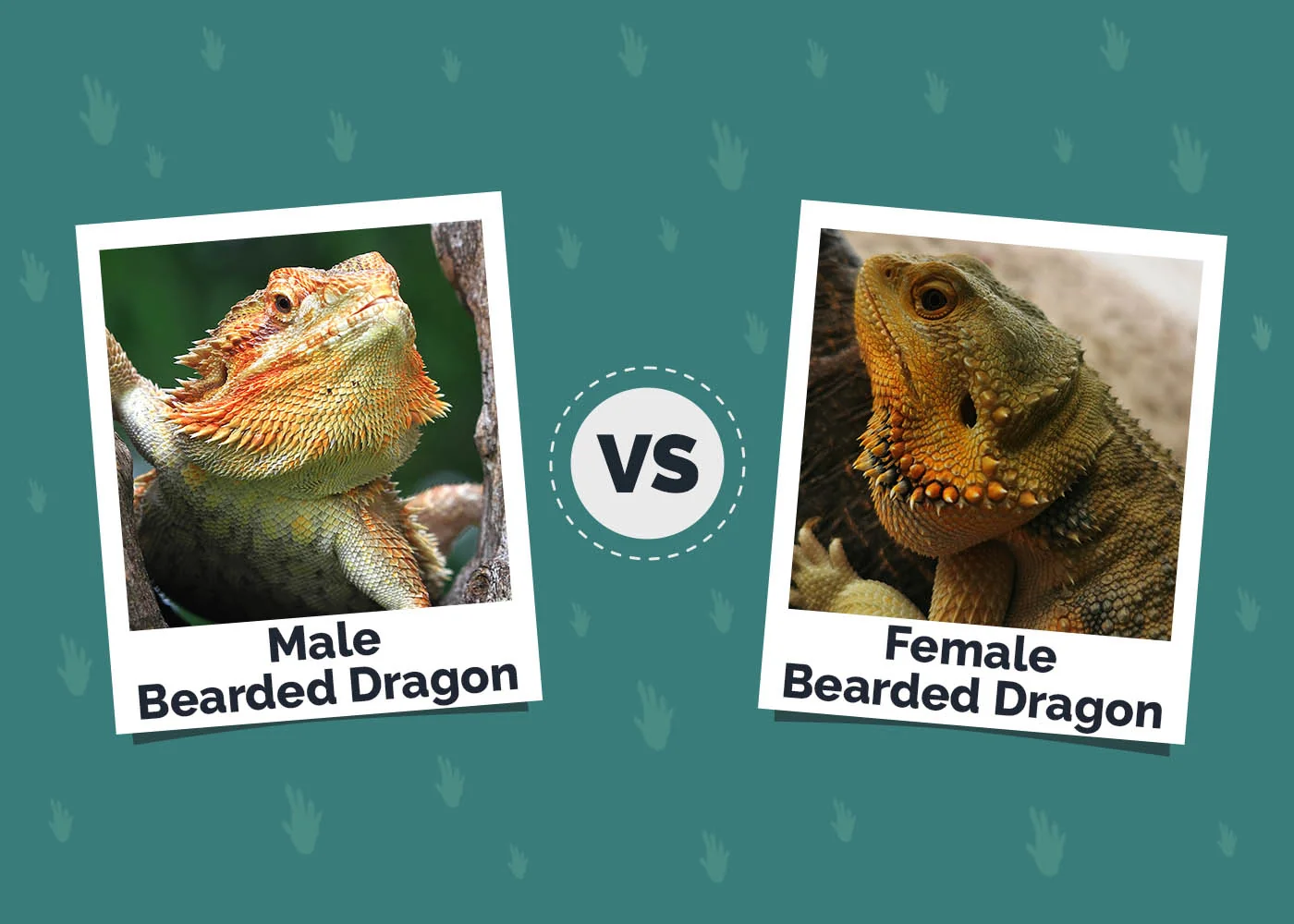
Understanding Bearded Dragon Breeding
Breeding bearded dragons can be a rewarding experience, but it requires careful planning and understanding. Ensuring compatibility between the breeding pair is crucial for the health and safety of both dragons, as well as the successful production of viable offspring. This guide provides essential tips to help you navigate the process, from selecting the right pair to caring for the eggs and hatchlings. Compatibility isn’t just about putting two dragons together; it’s about creating an environment and selecting individuals that increase the likelihood of a positive breeding experience. Before you begin, it’s important to research extensively and be fully prepared for the responsibilities of breeding and caring for baby bearded dragons, including having homes lined up for them.
Key Factors in Bearded Dragon Compatibility
Several key factors significantly impact a bearded dragon’s compatibility with a potential mate. Paying close attention to these details can greatly increase your chances of a successful breeding attempt. These factors aren’t just about immediate success; they also impact the long-term health and well-being of the dragons, including the potential for future breeding attempts. Ignoring these aspects could lead to injury, stress, and a failed breeding cycle, which is a setback for both the dragons and the breeder’s goals.
Size and Age Considerations
The age and size of the dragons are critical. Females should be at least 18 months old and a minimum of 16 inches long before breeding, as they need to be physically mature to carry and lay eggs safely. Breeding a female too early can lead to health complications and even death. Males should be at least 12 months old, preferably older, to ensure they have developed fully and are capable of successful mating. Ensure that the female is larger than the male. This helps prevent the male from accidentally injuring the female during mating. Mismatched sizes can also complicate the mating process.

Temperament and Personality Matching
Observe the dragons’ temperaments. Are they generally calm and relaxed or aggressive and territorial? Ideally, pair dragons with similar temperaments to minimize stress. Avoid pairing a very aggressive male with a timid female, as this can lead to the female being injured or excessively stressed. Before introducing the dragons, observe their behavior in separate enclosures. Look for signs of interest, such as head bobbing from the male or tail wiggling from the female. If either dragon appears extremely aggressive, with flared beards, open mouths, or hissing, the introduction should be stopped immediately.
Health and Physical Condition

Both dragons should be in excellent health, free from parasites, illnesses, and injuries. A thorough check-up by a reptile veterinarian is highly recommended before breeding. This should include fecal tests to check for parasites and blood work to assess overall health. Overweight or underweight dragons are not ideal breeding candidates. An unhealthy dragon may have difficulty mating, and it could pass on health issues to the offspring. Ensure that the dragons have no physical deformities that could hinder mating or egg-laying. Any signs of illness should be addressed and treated before breeding is considered.
Creating the Right Environment for Breeding
A suitable environment is essential for successful breeding. This involves both the physical setup and the consistent maintenance of optimal conditions. A well-prepared environment reduces stress and encourages natural breeding behaviors. This also sets the stage for the healthy development of the offspring. The setup you create should mimic the dragon’s natural environment as closely as possible to trigger the breeding instinct. Without a proper enclosure, the dragons may not breed at all, even if they are compatible.
Proper Enclosure Setup
The breeding enclosure should be large enough to comfortably accommodate both dragons. A 75-gallon or larger tank is generally recommended. Ensure the enclosure is well-ventilated but still retains heat and humidity. Provide ample hiding places, such as rocks, branches, and artificial plants, to give the dragons a sense of security. The setup should be enriched with various basking spots and shaded areas. This allows the dragons to regulate their body temperature. Avoid overcrowding the enclosure to minimize stress and competition for resources.
Temperature and Humidity Regulation
Maintain a proper temperature gradient within the enclosure. A basking spot of 100-110°F (37-43°C) is crucial for digestion and overall health, while the cooler side should be around 80°F (27°C). At night, the temperature can drop to around 70°F (21°C). Use a thermometer to monitor the temperatures in several areas of the enclosure. Humidity should be kept at a moderate level, around 30-40%. Use a hygrometer to measure humidity accurately. High humidity can lead to respiratory infections, while low humidity can cause dehydration. Misting the enclosure or providing a shallow water dish can help maintain the right humidity levels.
Feeding and Nutrition for Breeding Dragons
Proper nutrition is vital for breeding dragons. Both the male and female need to be in excellent physical condition and have adequate nutritional reserves to support mating, egg production, and overall health. The diet needs to be adjusted before breeding to support the increased demands on the female’s body. Failing to feed them correctly can lead to the female being unable to produce viable eggs and affect the dragon’s health negatively. Providing a nutritious diet is crucial for ensuring the survival and health of the offspring.
Dietary Requirements for Breeding
Feed the dragons a balanced diet of insects and vegetables. Insects should make up the bulk of the diet for the male, while the female needs a slightly higher proportion of vegetables to prepare for egg production. Good insects to include are crickets, dubia roaches, and mealworms. Feed the insects a nutritious diet before feeding them to the dragons. Offer a variety of leafy greens, such as collard greens, mustard greens, and dandelion greens. Avoid feeding iceberg lettuce, as it offers little nutritional value. Make sure the water dish is always filled with fresh water.
Supplementation and Vitamin Intake
Supplement the dragons’ diet with calcium and vitamin D3 to support bone health and eggshell formation. Dust insects with calcium and vitamin D3 powder before feeding them to the dragons. Offer a multivitamin supplement once or twice a week, as directed by your veterinarian. These supplements are essential, especially for the female dragon, who needs to have sufficient calcium to support egg production. This will reduce the likelihood of health problems such as metabolic bone disease and dystocia (egg-binding) during breeding.
Identifying Signs of Compatibility and Mating
Once you have prepared the dragons and their environment, it’s important to observe their behavior to gauge compatibility and monitor the mating process. Not all pairings are successful, and recognizing the signs of a healthy mating process can help ensure the safety and wellbeing of the dragons. Look for specific behavioral cues that indicate the male and female are interested in each other and are capable of successfully mating. Understanding these signals can help you determine the next steps in the breeding process.

Behavioral Cues to Watch For
The male will often display head bobbing and a darkening of his beard. He may also attempt to display his impressive colors to attract the female. The female may respond with head bobs of her own or with a tail wiggle, indicating her receptiveness. If the female is receptive, the male will attempt to mount her, often biting the back of her neck to hold her in place. This is a normal part of the mating process. Always be prepared to intervene if the mating becomes violent or if either dragon shows signs of distress.
Successful Mating Process
During mating, the male will attempt to position himself for cloacal contact. If the mating is successful, it can last from a few minutes to several hours. The female will likely display a change in behavior after mating, which can include increased appetite and nesting behaviors. Mating may need to be repeated several times over a few weeks to ensure successful fertilization. Carefully monitor the female’s behavior and physical condition after mating, as she will begin producing eggs in the next few weeks. If you are unsure about any part of the process, always consult with a reptile veterinarian.
What to Do If Dragons are Incompatible

Not all pairings are successful, and it’s essential to know how to respond if the dragons show signs of incompatibility or aggression. The goal is to prevent injury and minimize stress on both dragons. Compatibility issues can arise from various factors, including differences in personality, size discrepancies, or health problems. The ability to recognize and address these issues is a crucial part of responsible breeding.
Separation and Reintroduction Strategies
If the dragons show aggression, separate them immediately. Never allow them to fight. Watch for signs of aggression, such as gaping, hissing, or biting. Place the dragons in separate enclosures and allow them to cool down. After a few days, you can try a controlled reintroduction. This can be done by allowing them to see each other in the enclosure for short periods. Supervise them closely to watch for aggression. If the aggression persists, it is best not to breed that pair. It’s important to note that some dragons are simply not suited to each other, and forcing them to breed can have detrimental consequences.
Alternative Breeding Approaches
If direct pairing isn’t working, consider alternative approaches. You could try supervised visits, allowing the dragons to see each other for brief, controlled periods under your supervision. Another option is to place their enclosures near each other so they can become accustomed to each other’s presence. If these methods are still unsuccessful, it may be necessary to consider other breeding pairs. Sometimes, a particular male or female is simply not compatible with a specific partner. This happens, and the best course of action is to respect the animal’s well-being.
Post-Mating Care and Considerations
After mating, the female will undergo significant hormonal and physical changes. Proper care is essential to ensure she remains healthy and can successfully lay and incubate her eggs. This phase requires a great deal of responsibility and a commitment to caring for both the female and the potential eggs. Neglecting this stage can lead to serious health problems for the female and the potential loss of the offspring.
Monitoring the Female Dragon

After mating, closely monitor the female for changes in behavior and appearance. She will likely start eating more and may become less active. She may start to dig or scratch at the enclosure, looking for a place to lay her eggs. Provide a suitable nesting box filled with damp substrate, such as vermiculite or sphagnum moss. This nesting box needs to be accessible and large enough for her to comfortably lay her eggs. Monitor her weight and body condition, and consult with a vet if you notice any unusual signs.
Egg Laying and Incubation
Once the female lays her eggs, carefully remove them from the nesting box. Handle the eggs gently and avoid rotating them. Place the eggs in an incubator with the correct temperature and humidity levels. A stable temperature of around 84-86°F (29-30°C) and a humidity level of 70-80% is ideal. Monitor the eggs regularly and watch for signs of development. The incubation period for bearded dragon eggs is typically 55-75 days. Be prepared for the hatchlings and have a plan for their care, including adequate housing and access to appropriate food sources.
Breeding bearded dragons is a rewarding endeavor, but it demands a commitment to the well-being of the animals involved. By understanding the key factors in compatibility, creating a suitable environment, and providing the right care, you can increase your chances of a successful breeding experience. Remember to prioritize the health and safety of your dragons throughout the entire process. Responsible breeding means making sure that both the parent dragons and their offspring have the best possible start in life.