Effective Bearded Dragon Cleaning What You Need
Keeping a bearded dragon as a pet is a rewarding experience, but it also comes with the responsibility of providing a clean and healthy environment. Regular cleaning is crucial not only for your pet’s well-being but also for your own health. Bearded dragons can carry bacteria like Salmonella, so proper sanitation is paramount. This comprehensive guide will delve into the top 5 cleaning techniques you need to implement to ensure your bearded dragon thrives in a clean and safe habitat. We’ll cover everything from substrate maintenance to enclosure disinfection, providing you with practical advice and step-by-step instructions.
Understanding Bearded Dragon Habitats Cleaning Needs
Bearded dragons are native to arid environments, and their enclosures should mimic these conditions. This means the habitat setup, including substrate, temperature gradients, and humidity levels, all influence the frequency and methods of cleaning needed. Understanding the specific requirements of your bearded dragon’s environment is the first step towards effective sanitation. This understanding will help you choose the right cleaning products and establish a routine that prevents the buildup of harmful bacteria and parasites. A well-maintained habitat minimizes the risk of health issues and promotes a happier, healthier dragon.
Why Proper Cleaning Matters for Bearded Dragons
Proper cleaning is not just about aesthetics; it is fundamental to the health and longevity of your bearded dragon. A dirty enclosure can harbor bacteria, parasites, and fungi, leading to various health problems, including respiratory infections, skin diseases, and gastrointestinal issues. Regular cleaning reduces the risk of these illnesses and creates a more comfortable environment for your pet. Furthermore, a clean habitat makes it easier to observe your dragon’s behavior and identify potential health issues early on. By investing time and effort in sanitation, you ensure your bearded dragon lives a long, healthy, and vibrant life.
Top 5 Bearded Dragon Cleaning Techniques
Here are the top five cleaning techniques to keep your bearded dragon’s habitat clean and healthy
Technique 1 Substrate Cleaning
The substrate is the bedding material at the bottom of your bearded dragon’s enclosure, and it’s a breeding ground for bacteria and waste. Regular cleaning of the substrate is essential to maintain a healthy environment. The frequency and method of cleaning depend on the type of substrate you use. Spot cleaning involves removing visible waste like feces and uneaten food as soon as you see it. Full substrate changes should be done regularly, typically every one to four weeks, depending on the substrate type and your dragon’s habits.
Choosing the Right Substrate for Easy Cleaning
Choosing the right substrate can significantly impact how easy it is to clean your bearded dragon’s enclosure. Paper towels and reptile carpet are easy to clean and replace, making them ideal for beginners. However, these substrates may not provide the enrichment your bearded dragon needs. Loose substrates like sand or bioactive mixes offer better enrichment but require more thorough cleaning. If you choose a loose substrate, consider a sifting scoop to remove waste easily.

Spot Cleaning vs. Full Substrate Changes
Spot cleaning should be done daily to remove feces and uneaten food, preventing bacterial growth and odor. Full substrate changes are necessary to eliminate accumulated waste and bacteria that spot cleaning misses. Before replacing the substrate, thoroughly clean and disinfect the enclosure. This ensures the new substrate starts in a clean environment. The frequency of full substrate changes varies depending on the substrate used, with paper towels needing the most frequent changes and bioactive setups requiring less intervention.
Technique 2 Enclosure Disinfection
Disinfecting the enclosure is crucial for eliminating harmful bacteria and pathogens. This should be done regularly, typically once a month, but can be more often if your dragon becomes ill or if there’s a potential contamination. Always remove your bearded dragon and all accessories from the enclosure before disinfecting.
Choosing Safe and Effective Disinfectants
Use reptile-safe disinfectants specifically designed for cleaning reptile enclosures. Avoid harsh chemicals like bleach, which can be toxic to your dragon. Diluted solutions of veterinary-grade disinfectants, such as F10, are often recommended. Always follow the manufacturer’s instructions for dilution and application. Ensure the enclosure is thoroughly rinsed and dried before returning your dragon.
Cleaning Accessories Water Bowls, and Decorations
Water bowls, food bowls, and decorations can accumulate bacteria and mold, so they should be cleaned frequently. Water bowls should be cleaned and refilled daily. Food bowls should be cleaned after each feeding to remove any uneaten food. Decorations, such as branches and hides, should be cleaned during enclosure disinfection. Use the same reptile-safe disinfectant to clean these items, and rinse them thoroughly before returning them to the enclosure.
Technique 3 Regular Water and Food Bowl Sanitation
Water and food bowls are direct sources of potential contamination. Regular sanitation of these items is crucial to prevent bacterial buildup and keep your bearded dragon healthy.
Daily Cleaning of Water and Food Bowls
Rinse water bowls and food bowls daily with warm water and reptile-safe dish soap. Make sure to remove any visible debris and food particles. Dry the bowls completely before refilling them with fresh water and food. This simple daily routine can significantly reduce the risk of contamination.

Preventing Bacterial Growth in Bowls
To prevent bacterial growth, use bowls that are easy to clean, such as ceramic or glass bowls. Avoid bowls with porous surfaces, as they can harbor bacteria. Periodically disinfect water and food bowls with a reptile-safe disinfectant. Consider using multiple water bowls to encourage your bearded dragon to drink and stay hydrated.
Technique 4 Environmental Control for Cleanliness
Maintaining the correct environmental conditions in your bearded dragon’s enclosure is vital for their health and for keeping the enclosure clean. Temperature, humidity, and air quality all play important roles in the overall hygiene of the habitat.
Maintaining Optimal Temperature and Humidity
Bearded dragons thrive in specific temperature and humidity ranges. Maintaining these ranges can help prevent mold and bacterial growth. Use a thermometer and hygrometer to monitor the temperature and humidity levels. Ensure there is a proper temperature gradient in the enclosure, with a basking spot and cooler areas. Humidity should be maintained at a suitable level, typically between 30-40%.
Air Quality and Ventilation in the Enclosure

Good ventilation is essential to prevent the buildup of harmful gases and maintain air quality. Proper ventilation also helps control humidity and reduces the risk of mold and bacterial growth. Make sure the enclosure has adequate ventilation, such as vents or a mesh top. Avoid overcrowding the enclosure with too many decorations, as this can restrict airflow. Regular cleaning and substrate changes will also contribute to good air quality.

Technique 5 Handling and Hygiene
Your hygiene practices when handling your bearded dragon can significantly impact their health and the cleanliness of the enclosure. Proper handling and hygiene minimize the risk of spreading bacteria and parasites.
Cleaning Your Hands Before and After Handling
Always wash your hands thoroughly with soap and water before and after handling your bearded dragon. This prevents the spread of bacteria from your hands to your dragon and vice versa. Use warm water and soap to wash your hands for at least 20 seconds.
Cleaning Your Bearded Dragon
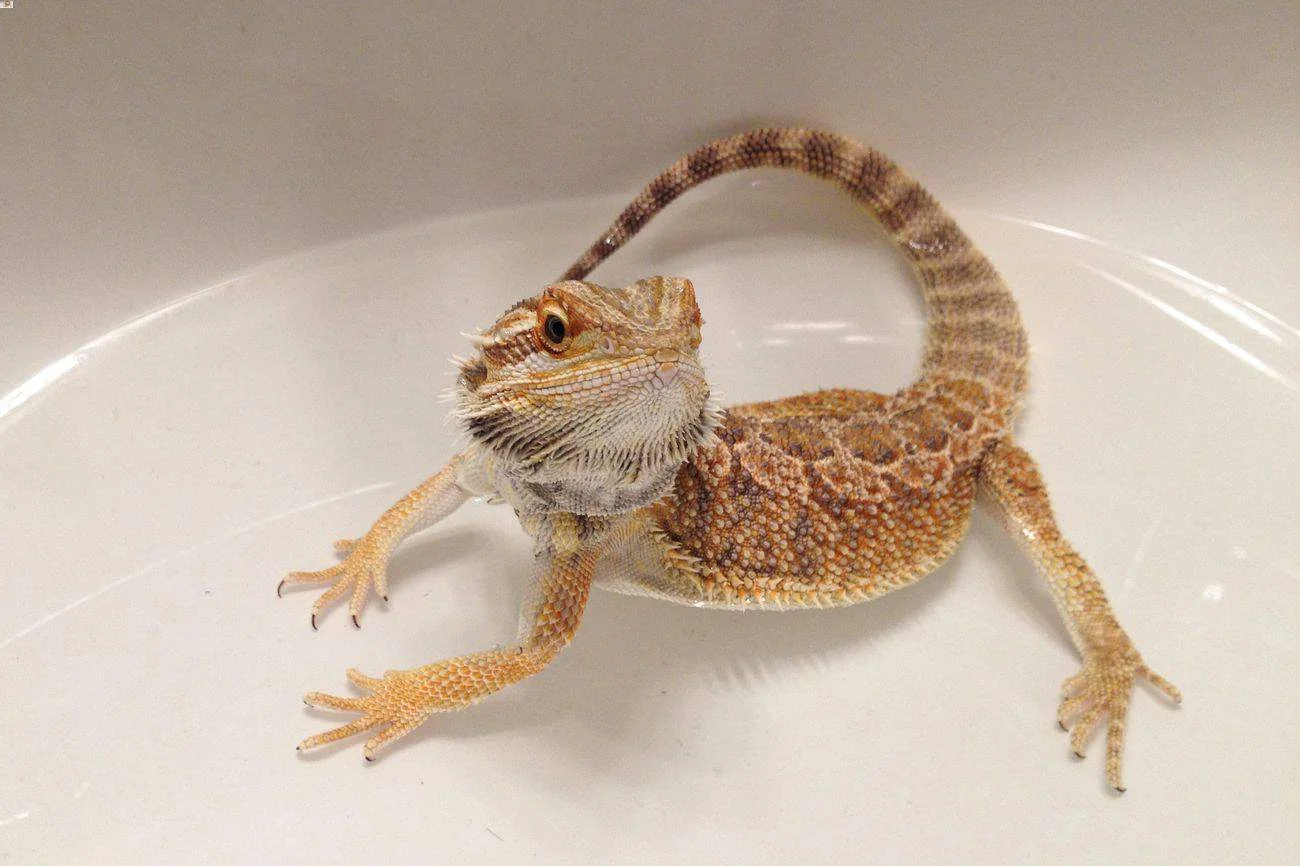
While bearded dragons don’t require frequent bathing, you can gently clean your bearded dragon if they get dirty. Use a soft brush or a damp cloth with lukewarm water to gently wipe away any dirt or debris. Avoid using soap or detergents on your dragon’s skin, as these can cause irritation. Always handle your dragon with care, and avoid getting water in their eyes, ears, or nose.

Conclusion Maintaining a Clean Habitat
Implementing these five cleaning techniques will contribute to a happy and healthy bearded dragon. Remember that consistency is key. A regular cleaning schedule and attention to detail will make a significant difference in your pet’s well-being. By prioritizing sanitation, you create a thriving environment and strengthen the bond you share with your reptile companion. Enjoy the rewarding experience of keeping a clean and healthy bearded dragon!
