Daily Cleaning Tasks for Your Bearded Dragon
Maintaining a clean environment is crucial for the health and happiness of your bearded dragon. Daily cleaning tasks form the foundation of a good cleaning schedule, ensuring that your pet’s enclosure remains hygienic and free from harmful bacteria. Regular spot cleaning, typically performed once or twice a day, helps prevent the buildup of waste and uneaten food. This not only keeps the habitat looking fresh but also reduces the risk of attracting pests and diseases. Establishing a consistent daily routine is the first step in the process of maintaining an organized upkeep for your bearded dragon’s habitat. Remember, a clean enclosure contributes directly to your pet’s well-being, promoting a healthy appetite and a stress-free life. Dedicating just a few minutes each day can make a significant difference in the overall quality of life for your bearded dragon.
Spot Cleaning the Enclosure
Spot cleaning involves quickly addressing any messes or waste that accumulate throughout the day. This includes removing feces, shed skin, and any uneaten insects or vegetables. A small scoop or reptile-specific cleaning tool can be used to efficiently remove solid waste. It is essential to regularly check the entire enclosure, including corners and underneath decorations, to ensure nothing is missed. By regularly inspecting and spot cleaning, you’re taking preventative measures to stop bacteria growth, foul odors, and potential health issues for your bearded dragon. Make sure to have a dedicated set of tools for this purpose only, and avoid cross-contamination with other household items. Spot cleaning is the most essential activity of any cleaning schedule.

Removing Waste and Leftovers
Bearded dragons often leave behind waste and leftover food that can quickly decompose and become a breeding ground for bacteria. Remove all visible feces and any uneaten insects or vegetables promptly. If using a solid substrate like paper towels or reptile carpet, replace soiled areas immediately. For loose substrates, you might need to sift through them to remove waste. Regular removal of waste helps prevent the buildup of ammonia and other harmful substances, which can irritate your dragon’s respiratory system and skin. Furthermore, preventing the accumulation of leftovers is crucial for keeping away unwanted pests. The longer waste and leftovers are allowed to remain, the more likely they are to attract flies and other insects.
Water and Food Bowl Maintenance

Water and food bowls should be cleaned daily to prevent bacterial growth and ensure your bearded dragon has access to fresh food and clean water. Rinse the bowls thoroughly with warm water and a reptile-safe soap. Food and water bowls should be thoroughly rinsed and dried before refilling. Replace the water daily to prevent the buildup of bacteria and algae. This simple practice ensures your dragon always has access to clean drinking water. Also, clean food bowls regularly to prevent the growth of bacteria and mold. Remove any uneaten food after each meal, as it can quickly spoil and attract pests. Additionally, the use of reptile-safe dish soap will help keep food and water containers hygienic, preventing your bearded dragon from ingesting harmful bacteria.
Weekly Cleaning Schedule
Weekly cleaning involves more thorough tasks that maintain the overall cleanliness and hygiene of your bearded dragon’s enclosure. This part of the cleaning schedule complements the daily spot cleaning by tackling accumulated dirt and grime. The frequency ensures that any potential health risks are addressed promptly. The tasks performed in a weekly cleaning cycle are a crucial part of your organized upkeep. This typically includes substrate maintenance, cleaning decorations, and a more detailed inspection of the enclosure. A consistent weekly routine will contribute to a healthy and thriving environment for your bearded dragon. This helps maintain a clean and enjoyable environment for your pet, ensuring their health and happiness.
Substrate Cleaning and Replacement
Depending on the type of substrate you use, your weekly cleaning tasks for the substrate may vary. For paper towels or reptile carpet, remove and replace them. If using loose substrates like sand or reptile-safe soil, sift through it to remove waste and replace some of the substrate. This will keep the environment clean and prevent the buildup of bacteria. Remove any solid waste, and stir the substrate to aerate it and prevent compaction. This process helps maintain a healthy environment by reducing the risk of bacteria and odors. You can also consider a partial substrate replacement every few weeks, depending on the type of substrate, to refresh the environment and further reduce the risk of contamination. This helps prevent the buildup of harmful bacteria.
Cleaning Decorations and Accessories
All decorations, such as rocks, branches, and hides, should be cleaned weekly. Remove these items from the enclosure and wash them with warm water and reptile-safe soap. Rinse thoroughly to remove any soap residue and allow them to dry completely before returning them to the enclosure. Inspect decorations for any signs of wear or damage, and replace them as needed. This prevents the growth of mold and other harmful bacteria. The cleanliness of accessories is just as important as maintaining the environment. By cleaning accessories on a regular schedule, you are preventing the spread of parasites and diseases. It’s vital to make sure decorations and accessories are safe for your bearded dragon.

Deep Cleaning the Enclosure Monthly
Monthly deep cleaning is crucial for maintaining a hygienic environment and preventing long-term health issues for your bearded dragon. This task is much more thorough than the weekly cleaning, often requiring more time and effort. Deep cleaning addresses areas that are difficult to reach with regular cleaning, ensuring a healthy and safe habitat for your pet. A detailed, comprehensive monthly cleaning schedule is vital for preventing diseases and ensuring your pet’s environment is a safe and healthy habitat. This involves emptying the entire enclosure and thoroughly cleaning and disinfecting every surface. You are doing the best thing possible for your reptile when you include a monthly deep cleaning.


Disinfecting the Enclosure
After removing all items from the enclosure, thoroughly clean and disinfect the entire habitat. Use a reptile-safe disinfectant to eliminate bacteria and other harmful microorganisms. This includes the glass or plastic walls, the bottom of the enclosure, and any other surfaces. Follow the manufacturer’s instructions for the disinfectant, ensuring proper contact time and thorough rinsing. Disinfecting the enclosure is critical for preventing the spread of diseases and ensuring a healthy living environment. It’s recommended to use a reptile-specific disinfectant, as household cleaners can be harmful to bearded dragons. After disinfecting, allow the enclosure to dry completely before returning any items or introducing your dragon. This step in deep cleaning the enclosure helps to kill any germs or bacteria.
Cleaning Lights and Heating Equipment
Lights and heating equipment are essential for your bearded dragon’s health, so these elements require careful attention. Clean the light fixtures and heating elements to ensure they function properly. Dust and debris can reduce the efficiency of the lighting and heating. Unplug the equipment and wipe down the surfaces with a clean, damp cloth. Be careful to avoid getting any water or cleaning solution inside the fixtures. Check the bulbs and replace them if they are burned out. This ensures that your bearded dragon receives the appropriate amount of UV and heat. Remember that a well-functioning heating and lighting system is important for your bearded dragon’s well-being. Regularly cleaning your equipment, as part of your cleaning schedule, ensures their proper operation, creating a healthy habitat.
Maintaining Humidity and Temperature
Monitoring and maintaining the correct humidity and temperature levels are essential for your bearded dragon’s health. Use a thermometer and hygrometer to regularly check these parameters. Place the thermometer and hygrometer in different areas of the enclosure to get an accurate reading of the temperature gradient. Adjust the heating and lighting to maintain the appropriate temperature range. Keep the humidity levels within the recommended range, typically between 30-40%. Regularly check and adjust these settings to avoid fluctuations that can be harmful to your dragon’s health. Use a reptile-safe humidifier, if needed, to maintain the required level of humidity. Regularly check and adjust these settings to avoid fluctuations that can be harmful to your dragon’s health and cause respiratory problems. Ensuring the right humidity and temperature is vital for their health.
Cleaning Supplies Checklist for Bearded Dragons
Having the right cleaning supplies on hand can make your cleaning schedule more efficient and effective. Here’s a checklist of essential supplies: reptile-safe disinfectant, reptile-safe soap, paper towels or reptile-safe cloths, spray bottle, small scoop or reptile-specific cleaning tool, gloves, and water and food bowls. Having all the necessary supplies readily available ensures you can maintain a consistent and effective cleaning routine. Make sure you have a designated set of supplies specifically for cleaning your bearded dragon’s enclosure to prevent cross-contamination. Having the right tools will help you stay organized and on schedule. Always select reptile-safe products to avoid harming your pet.
Safe Cleaning Products and Practices
The health and safety of your bearded dragon should be your top priority. Always use reptile-safe cleaning products and follow the manufacturer’s instructions carefully. Avoid using harsh chemicals, bleach, or ammonia, as these can be toxic to your pet. When using any cleaning product, thoroughly rinse all surfaces and allow them to dry completely before returning your bearded dragon to the enclosure. Consider wearing gloves while cleaning to protect your hands and avoid transferring any contaminants. Proper cleaning practices safeguard your bearded dragon from potential harm. By adhering to safety guidelines, you can ensure a healthy habitat and a happy dragon. Always prioritize the well-being of your bearded dragon by choosing safe cleaning solutions.
How to Establish a Consistent Cleaning Routine
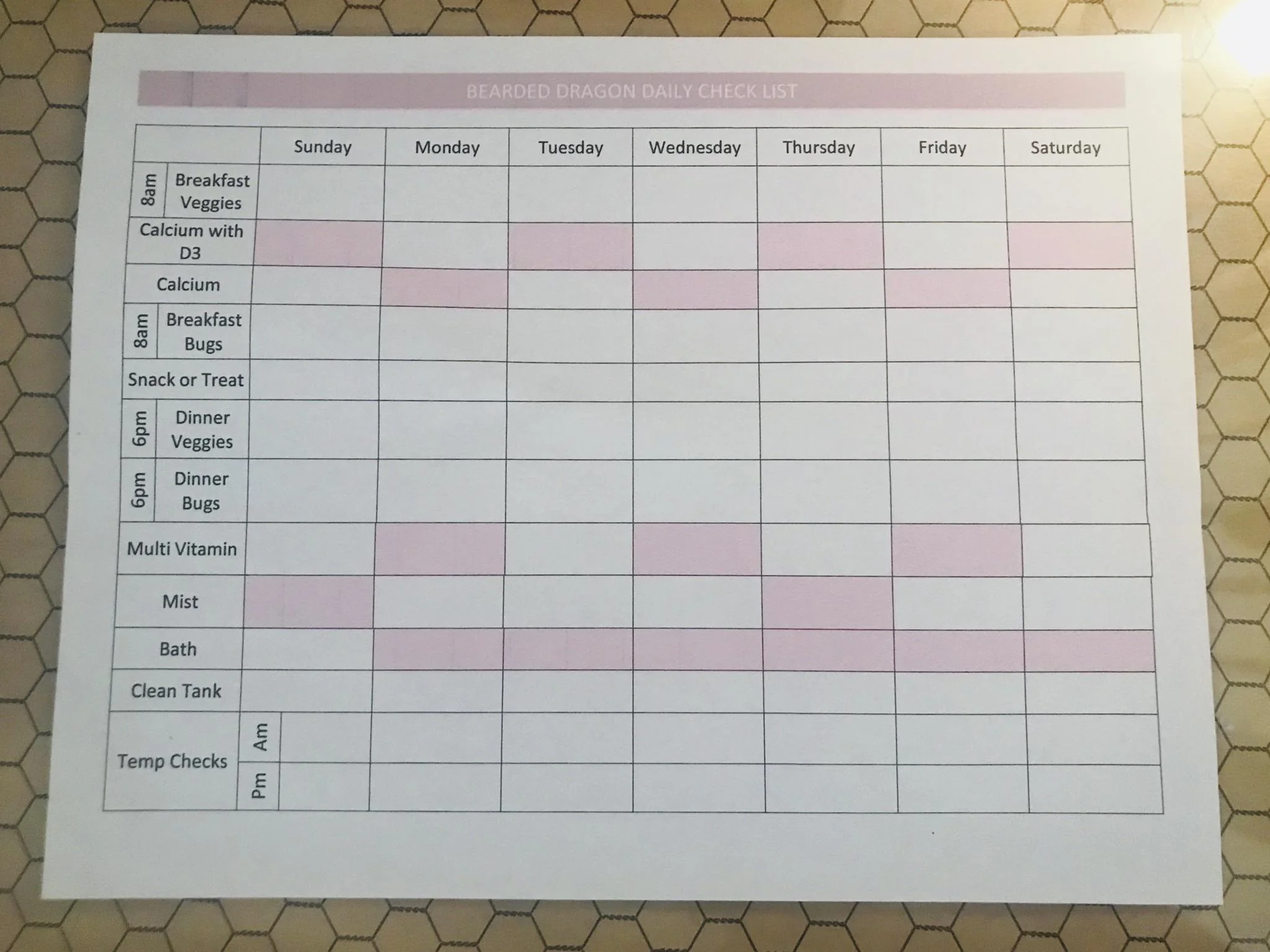
Consistency is key when it comes to maintaining a clean and healthy environment for your bearded dragon. Establish a cleaning schedule and stick to it as closely as possible. Set aside specific times each day and week for cleaning tasks, and make them a part of your routine. Use a checklist or calendar to keep track of your cleaning schedule. This will help you stay organized and ensure that you don’t miss any important tasks. Involve other family members, if applicable, to share the responsibility of cleaning. Consistency is essential for maintaining the cleanliness of your bearded dragon’s habitat. By establishing a routine, you can ensure the long-term health and happiness of your pet. Having a dependable cleaning schedule will allow you to enjoy your beardie for many years.
By following this detailed cleaning schedule, you can provide your bearded dragon with a clean, safe, and enriching environment. Regular cleaning is an essential part of responsible pet ownership. This will contribute to their overall health and happiness. With a well-organized upkeep routine, you will be able to enjoy your bearded dragon for years to come. Remember that a clean habitat promotes your dragon’s well-being, keeping them healthy and thriving. Enjoy the time spent with your pet!