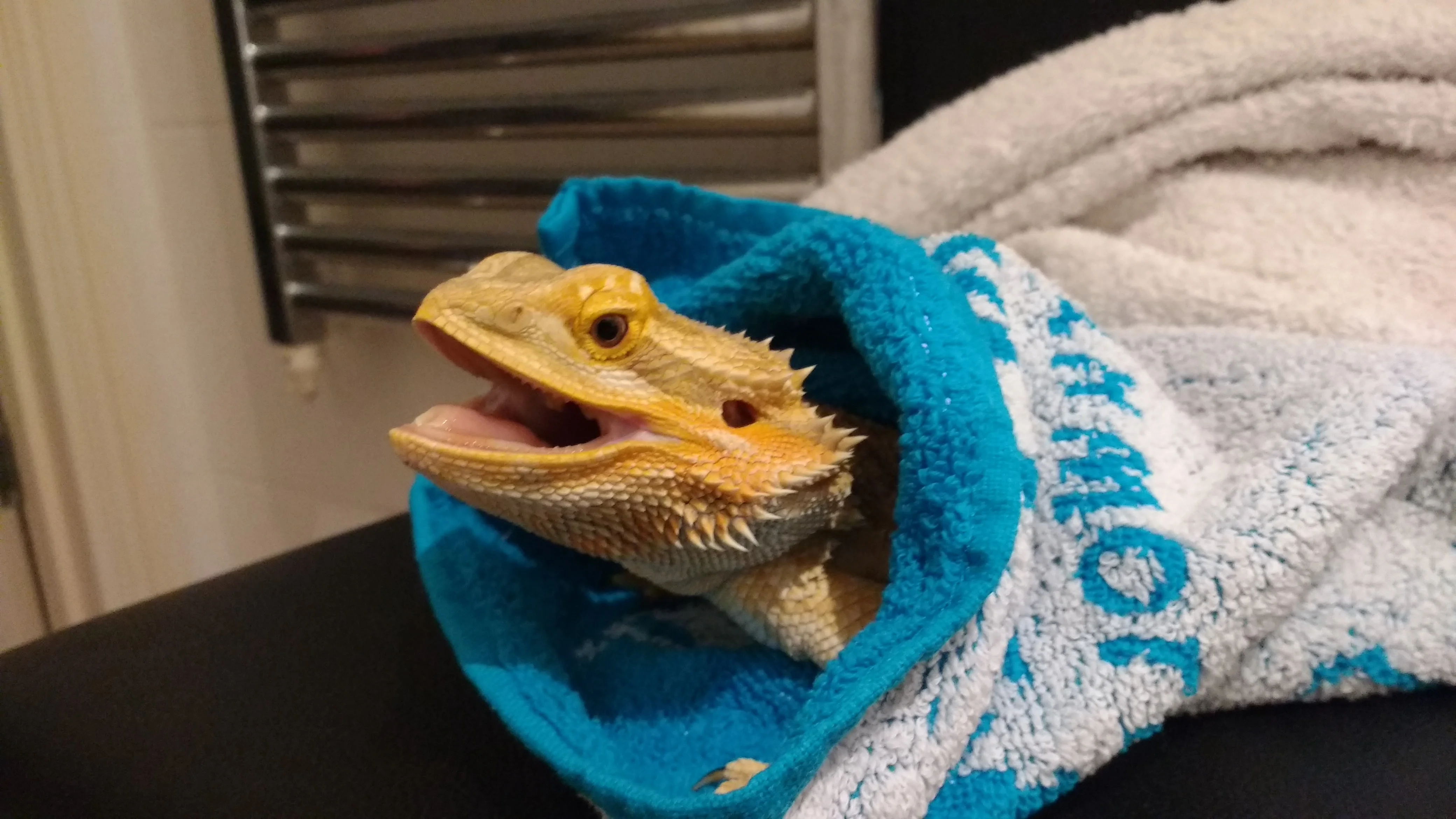
Why Cleanliness is Crucial for Bearded Dragons
Maintaining a clean environment is paramount for the health and well-being of your bearded dragon. These fascinating reptiles are susceptible to various health issues if their habitat is not properly maintained. Understanding the importance of cleanliness is the first step toward ensuring your pet lives a long, healthy, and happy life. A clean habitat reduces the risk of bacterial and fungal infections, prevents the spread of parasites, and minimizes stress for your bearded dragon. Regular cleaning and disinfection are essential, not just for aesthetics, but for the overall health of your scaly friend. Failing to maintain a clean enclosure can lead to serious health problems, including respiratory infections, skin diseases, and other ailments, which can significantly impact your dragon’s quality of life.
Understanding Bearded Dragon Habitat Needs
Bearded dragons thrive in environments that mimic their natural habitat. This means providing a spacious enclosure with appropriate temperature gradients, UVB lighting, and a clean substrate. The ideal habitat should be large enough for your dragon to move around comfortably and should offer a variety of enrichment opportunities, such as climbing branches and hides. The specific needs of your bearded dragon’s habitat will depend on its age and size. Juveniles require smaller enclosures than adults, but regardless of their size, all bearded dragons need a clean environment. A well-maintained habitat is not only essential for your dragon’s physical health but also contributes to its psychological well-being. A clean habitat reduces stress and allows your bearded dragon to feel safe and secure, which is crucial for its overall happiness.
The Importance of a Clean Environment
A clean environment is critical for preventing the growth of harmful bacteria and fungi in your bearded dragon’s habitat. Waste products, uneaten food, and shed skin can quickly accumulate, creating an environment that is ideal for pathogens to thrive. These pathogens can lead to various health problems for your bearded dragon, including respiratory infections, skin infections, and gastrointestinal issues. A clean enclosure also helps to control unpleasant odors and contributes to a more pleasant living space for both you and your pet. Regular cleaning and disinfection are essential to remove these contaminants and maintain a healthy environment. Neglecting to clean your dragon’s habitat can also attract unwanted pests, such as mites and flies, which can further compromise its health and well-being.
Health Benefits of a Clean Habitat
A clean habitat offers numerous health benefits for your bearded dragon, including a reduced risk of infection, improved respiratory health, and enhanced immune function. By regularly cleaning and disinfecting the enclosure, you can eliminate harmful bacteria, fungi, and parasites that can cause illness. A clean environment also promotes better air quality, which is essential for preventing respiratory infections. Furthermore, a healthy environment supports a strong immune system, allowing your bearded dragon to better fight off disease. A clean habitat can significantly reduce the likelihood of various health problems, such as mouth rot, scale rot, and other common reptile ailments, which contributes to a longer and healthier lifespan for your pet. Regular cleaning also helps to minimize stress, which is vital to a healthy immune system.
Essential Cleaning Supplies for Bearded Dragons

To effectively clean your bearded dragon’s habitat, you will need a variety of essential supplies. These include a reptile-safe disinfectant, paper towels or disposable cloths, a scrub brush or sponge, a waste disposal bag, and appropriate cleaning gloves to protect your hands. It’s also beneficial to have separate cleaning tools for the enclosure and food/water bowls to prevent cross-contamination. Avoid using harsh chemicals or household cleaners, as these can be toxic to your bearded dragon. Instead, opt for reptile-specific disinfectants or a diluted solution of white vinegar and water. Ensure all cleaning products are thoroughly rinsed away after use to prevent any residue from harming your pet. Having the right cleaning supplies on hand will make the cleaning process easier and more efficient, which will make it less of a chore.
Choosing the Right Cleaning Agents
Selecting the correct cleaning agents is critical for the safety and health of your bearded dragon. Avoid using any cleaning products that contain harsh chemicals, such as bleach, ammonia, or strong detergents, as these can be toxic if ingested or absorbed through the skin. The ideal cleaning agents should be reptile-safe, non-toxic, and effective at killing bacteria and fungi. Many reptile-specific disinfectants are available, formulated to be safe for use in reptile habitats. Alternatively, a diluted solution of white vinegar and water can be used as a natural and effective cleaning agent. Always rinse the enclosure and accessories thoroughly after cleaning to remove any residue. Before using any new cleaning product, it is always a good idea to test it on a small, inconspicuous area of the enclosure to ensure it doesn’t damage the material.
Safe and Effective Cleaning Tools
Using the right cleaning tools can significantly improve the efficiency and effectiveness of your cleaning routine. Opt for tools specifically designed for reptile habitats, such as reptile-safe scrub brushes, sponges, and scrapers. These tools are often made of materials that are easy to clean and sanitize. Avoid using abrasive scrubbers, as they can scratch the enclosure’s surface and create crevices where bacteria can thrive. It’s also a good practice to dedicate certain tools for cleaning specific areas of the habitat. For example, have separate brushes for cleaning the enclosure, food bowls, and water bowls to prevent cross-contamination. Always rinse and disinfect your cleaning tools after each use and store them in a clean, dry place. Regular cleaning and replacement of your cleaning tools ensure optimal hygiene and reduces the risk of spreading pathogens.
Daily Cleaning Routine for Bearded Dragons

A consistent daily cleaning routine is essential for maintaining a healthy habitat for your bearded dragon. This should include spot cleaning of any waste and uneaten food, as well as a quick visual inspection of the enclosure. During spot cleaning, use a paper towel or waste bag to remove feces and any other visible debris. Check the water and food bowls daily and remove any uneaten food or spilled water. Also, inspect the enclosure for any signs of illness or unusual behavior from your bearded dragon. Daily maintenance should only take a few minutes but can significantly improve the overall cleanliness of the enclosure. This small investment of time each day will help to prevent the buildup of bacteria and fungi and keep your bearded dragon happy and healthy. Make it a habit, so you don’t forget.


Spot Cleaning and Waste Removal
Spot cleaning involves the immediate removal of waste and other debris from the enclosure. This should be performed daily to prevent the buildup of bacteria and odors. When spot cleaning, wear gloves and use paper towels or disposable cloths to remove feces and any other visible messes. Be sure to dispose of the waste properly in a sealed bag. Also, check the water and food bowls for any uneaten food or spilled water and replace or clean them as needed. The frequency of spot cleaning may vary depending on the size of the enclosure and the activity level of your bearded dragon. It’s always better to spot clean more frequently than less. By consistently spot cleaning, you can maintain a cleaner, healthier environment for your pet and reduce the need for more extensive cleaning.
Water and Food Bowl Maintenance
Maintaining clean water and food bowls is crucial for your bearded dragon’s health. These bowls can quickly become contaminated with bacteria, mold, and other pathogens. Clean the water bowl daily, rinsing it thoroughly with fresh water and refilling it with clean water. The water should be free of chlorine and other chemicals. Food bowls should be cleaned after each feeding, removing any uneaten food to prevent spoilage and the attraction of pests. Wash the food and water bowls with hot, soapy water or a reptile-safe disinfectant. Make sure to rinse them thoroughly to remove any traces of soap or disinfectant before refilling them. Regular cleaning of these bowls will minimize the risk of illness and ensure your bearded dragon has access to clean food and water at all times, which is critical to their health.
Weekly Deep Cleaning of Bearded Dragon Enclosure
A weekly deep cleaning is essential to keep your bearded dragon’s habitat in top condition. This involves a more thorough cleaning of all surfaces and accessories within the enclosure. Remove all decorations, accessories, and the substrate from the enclosure. Wash the enclosure, decorations, and accessories with a reptile-safe disinfectant, following the product’s instructions. Pay close attention to areas where waste accumulates, such as corners and crevices. After cleaning, rinse everything thoroughly with clean water to remove any disinfectant residue. Allow the enclosure and accessories to air dry completely before returning the substrate and decorations. This deeper cleaning will remove any buildup of bacteria and other pathogens and ensure a healthy living environment for your pet. The more regular the cleaning, the easier it will be.
Substrate Cleaning and Replacement
The substrate, or bedding, in your bearded dragon’s enclosure requires regular cleaning and replacement to maintain a hygienic environment. The frequency of substrate cleaning and replacement depends on the type of substrate used. For loose substrates, spot cleaning daily and a full replacement every month is recommended. For solid substrates, like reptile carpet or tile, you can spot clean daily and wash them weekly. When cleaning the substrate, remove any visible waste and soiled areas. If using loose substrate, sift through it to remove any debris. Discard the used substrate and replace it with fresh substrate. Always wash and disinfect the enclosure before adding new substrate. Properly maintained substrate helps to prevent the buildup of bacteria and parasites and contributes to a healthier environment for your bearded dragon. Choosing the right substrate can also affect the frequency of cleaning.
Cleaning Decorations and Accessories
All decorations and accessories within the enclosure, such as branches, hides, and basking rocks, need to be cleaned regularly. These items can harbor bacteria, fungi, and other pathogens. Remove all decorations and accessories from the enclosure during the weekly deep cleaning. Wash them with hot, soapy water or a reptile-safe disinfectant. Rinse the items thoroughly with clean water to remove any residue. Pay close attention to areas where dirt and waste can accumulate, such as crevices and under surfaces. For porous decorations, such as wood, consider replacing them periodically. Allow all decorations and accessories to dry completely before returning them to the enclosure. By regularly cleaning these items, you can significantly reduce the risk of infection and maintain a clean and healthy habitat for your bearded dragon. Also, consider the material that the item is made of when cleaning, as some materials will need more care.
Monthly Cleaning and Disinfection
In addition to the weekly deep cleaning, it’s important to perform a more thorough cleaning and disinfection of the entire enclosure monthly. This will help to eliminate any lingering bacteria, fungi, and other pathogens. Remove all items from the enclosure, including the substrate, decorations, and accessories. Clean the enclosure and all items thoroughly with a reptile-safe disinfectant. Follow the product’s instructions for proper usage and contact time. Pay close attention to areas where waste and debris accumulate. After cleaning, rinse everything thoroughly with clean water to remove any disinfectant residue. Allow the enclosure and all items to air dry completely before returning the substrate, decorations, and accessories. This monthly deep clean will help to maintain a hygienic environment and ensure the long-term health of your bearded dragon. It will help to keep the enclosure looking fresh, too.
Deep Cleaning the Enclosure
The deep cleaning of the enclosure involves thoroughly cleaning all surfaces to remove any accumulated dirt, waste, and potential pathogens. Start by removing your bearded dragon to a safe, temporary enclosure. Remove all decorations, accessories, and the substrate from the enclosure. Wash the enclosure with a reptile-safe disinfectant, paying attention to corners, crevices, and other hard-to-reach areas. Use a scrub brush or sponge to remove any stubborn dirt or stains. After cleaning, rinse the enclosure thoroughly with clean water to remove any disinfectant residue. Allow the enclosure to air dry completely before returning the substrate and decorations. The deep cleaning will remove any buildup of bacteria and other harmful pathogens, creating a healthy and safe environment for your bearded dragon. Don’t skip the drying process; it is critical.

Disinfecting the Habitat
Disinfecting the habitat is a crucial step in maintaining a healthy environment for your bearded dragon. Using a reptile-safe disinfectant will eliminate bacteria, fungi, and other pathogens. Choose a disinfectant specifically designed for reptile habitats and follow the product’s instructions carefully. Before disinfecting, remove all items from the enclosure, including the substrate, decorations, and accessories. Spray the disinfectant on all surfaces of the enclosure, ensuring complete coverage. Allow the disinfectant to sit for the recommended contact time, as indicated on the product label. After the contact time has elapsed, rinse the enclosure thoroughly with clean water to remove any residue. Allow the enclosure to air dry completely before returning the substrate, decorations, and accessories. Regular disinfection will help to prevent the spread of diseases and keep your bearded dragon healthy.
Troubleshooting Common Cleaning Issues
Even with a regular cleaning routine, you may encounter some common cleaning issues in your bearded dragon’s habitat. Odor can be a sign of improper cleaning or a buildup of waste. Ensure you are spot cleaning daily and performing weekly deep cleans. Stains on the enclosure surfaces can sometimes be difficult to remove. Using a specialized reptile-safe cleaner or a paste of baking soda and water may help. If you notice any signs of mold or mildew, immediately remove the affected items and clean the area thoroughly with a reptile-safe disinfectant. If you encounter persistent issues or are unsure how to address a particular problem, consult with a veterinarian or reptile expert. Addressing these issues quickly can prevent potential health problems. Regular maintenance will help to prevent any major problems.
Dealing with Odors
Dealing with odors is an important part of maintaining a pleasant environment for your bearded dragon and your home. Unpleasant odors can indicate issues such as improper cleaning, a buildup of waste, or even a health problem with your bearded dragon. Regularly spot clean and perform weekly deep cleans to remove waste and prevent the accumulation of bacteria. Ensure that you are using a proper substrate and replacing it regularly. If you are still experiencing persistent odors, you may need to change the substrate or try using an odor-absorbing product. It’s also important to check your bearded dragon’s health. If you notice any unusual odors, consult a veterinarian. Dealing with odors quickly is essential for maintaining a healthy and comfortable environment.

Identifying and Addressing Potential Problems
Regularly inspecting your bearded dragon’s habitat can help you identify and address potential problems before they escalate. Look for any signs of mold, mildew, or bacterial growth. Inspect the enclosure for any damage or wear and tear. Check the substrate for cleanliness and replace it if necessary. Observe your bearded dragon’s behavior. Any changes in appetite, activity level, or bowel movements could indicate a health problem. Promptly address any issues you find, such as replacing damaged items or cleaning the habitat. If you notice any signs of illness, consult a veterinarian immediately. Early detection and intervention are essential to ensuring the health and well-being of your bearded dragon. A healthy habitat is a critical component.

Maintaining a Healthy Habitat Long Term
Maintaining a healthy habitat for your bearded dragon long term requires a consistent and proactive approach. Establish a regular cleaning schedule and stick to it. Use reptile-safe cleaning products and follow the instructions carefully. Inspect the habitat regularly and address any issues promptly. Provide a balanced diet and proper lighting to support your bearded dragon’s health. Monitor your bearded dragon’s behavior and consult a veterinarian if you notice any signs of illness. Continuing to maintain a clean, safe environment will provide your pet with a high quality of life. Maintaining these practices will pay dividends for years to come.
Regular Health Checks and Habitat Assessment
Regular health checks and habitat assessments are critical to ensure your bearded dragon’s long-term health and well-being. During health checks, observe your dragon for any signs of illness, such as changes in appetite, activity level, or bowel movements. A physical examination by a veterinarian can help to identify any potential health issues. Simultaneously, assess the habitat for cleanliness, proper temperature gradients, and appropriate lighting. Make sure the enclosure is free of any hazards, such as sharp objects or loose wires. Adjust your cleaning routine or habitat setup as needed to maintain optimal health. These regular assessments, along with the guidance of a veterinarian, can provide you with the tools you need to care for your dragon. These checks will help to keep them healthy and happy for many years.
Tips for Keeping Your Bearded Dragon Happy and Healthy
In addition to cleaning, providing a stimulating environment will help keep your bearded dragon happy and healthy. Offer a varied diet that includes insects, vegetables, and occasional fruits. Provide appropriate UVB and heat lamps to ensure proper digestion and calcium absorption. Give your dragon opportunities to bask, climb, and explore. Interact with your bearded dragon regularly, allowing it to become accustomed to your presence. By creating a stimulating, clean, and safe environment, you can significantly improve your bearded dragon’s quality of life. The more you know about your pet’s needs, the better you can care for them. By combining cleaning with these other healthy practices, you are giving your pet the best possible chance at a long, healthy, and enjoyable life.