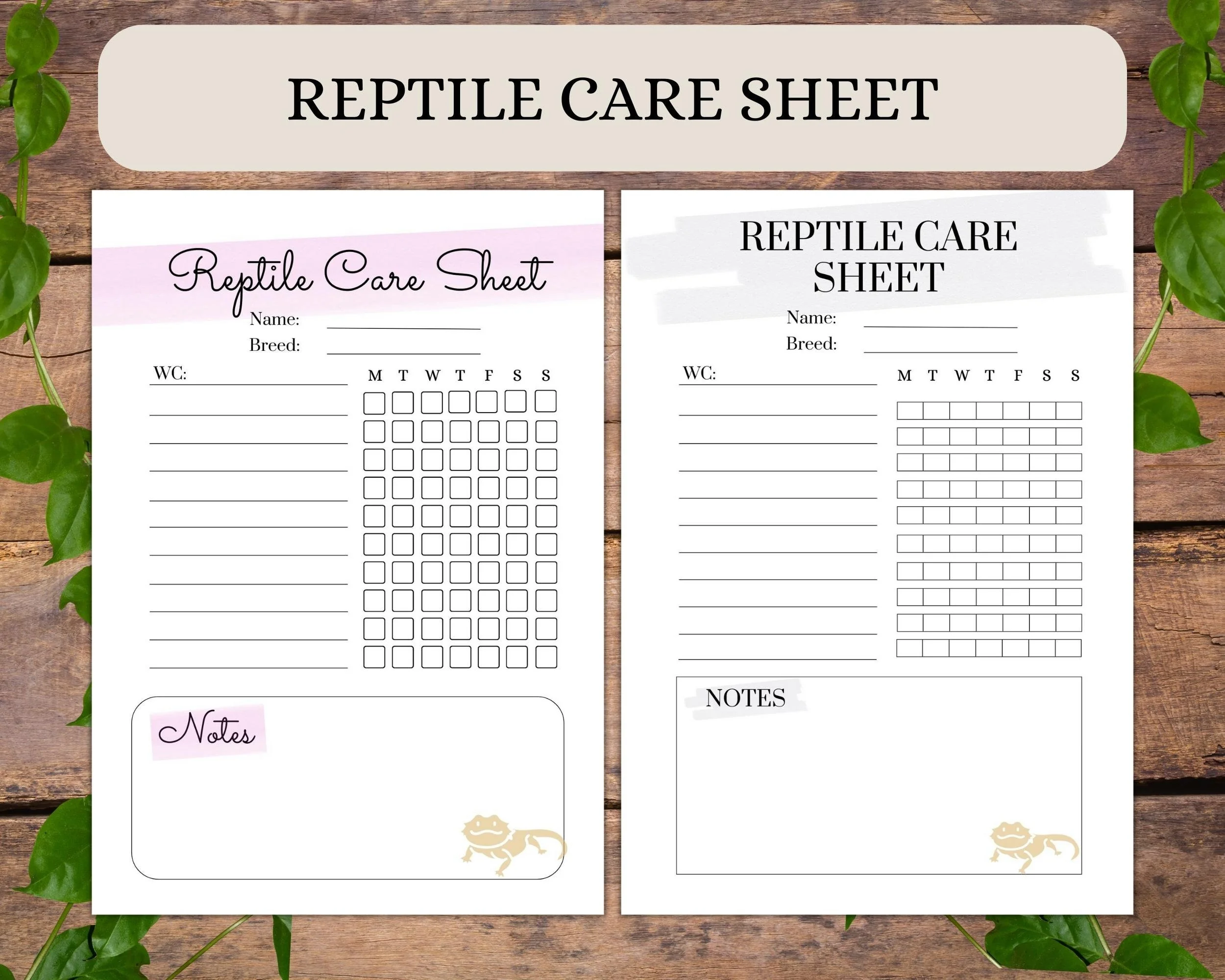
Why Regular Cleaning is Crucial for Bearded Dragons
Maintaining a clean habitat is paramount for the health and well-being of your bearded dragon. These fascinating reptiles are susceptible to various health issues if their living environment isn’t properly maintained. A dirty enclosure can quickly become a breeding ground for bacteria, parasites, and other harmful microorganisms that can lead to infections, respiratory problems, and other serious illnesses. Regular cleaning not only eliminates these threats but also helps control odors, creating a more pleasant environment for both you and your pet. Furthermore, a clean habitat supports proper thermoregulation, ensuring your bearded dragon can effectively control its body temperature, which is crucial for digestion and overall health. The frequency and method of cleaning depends on your reptile, as they all have different needs and needs
Maintaining a Healthy Habitat
A healthy habitat for your bearded dragon goes beyond just cleaning; it involves creating an environment that mimics their natural habitat and supports their physical and psychological needs. This includes providing appropriate temperature gradients, UVB and UVA lighting, and a varied diet. A well-maintained habitat reduces stress and promotes healthy behaviors. Consider the size of your enclosure and the type of substrate, as these directly influence the frequency and method of cleaning. A larger enclosure might require less frequent cleaning, but more thorough when it’s done. Proper ventilation is essential to prevent the buildup of harmful gases and maintain air quality, which is often overlooked. By paying close attention to these aspects, you create an environment where your bearded dragon can thrive and enjoy a long, healthy life. Also, you should ensure your bearded dragon has plenty of space to move around and explore its environment, but not too big, otherwise it may be harder to spot the waste.
Tip 1 Spot Cleaning Daily
Spot cleaning is the cornerstone of a clean bearded dragon habitat. This daily routine involves removing any visible waste, such as feces and uneaten food, to prevent the growth of bacteria and the buildup of unpleasant odors. A small reptile-safe scoop or paper towels are helpful tools for this task. Check the enclosure first thing in the morning and before bedtime, as these are often times when your bearded dragon eliminates waste. Prompt removal of waste is essential to maintain a hygienic environment and minimize the risk of contamination. Regular spot cleaning also helps you monitor your bearded dragon’s health; changes in the appearance or frequency of bowel movements can be early indicators of health issues, prompting you to take appropriate action. Also make sure not to disturb your pet too much, as it can cause unnecessary stress. Use non-toxic disinfectant or sprays to get the job done safely.
Removing Visible Waste
Immediately remove fecal matter and any uneaten food items. Use a reptile-safe scoop or disposable paper towels to collect the waste. Dispose of waste properly in a sealed bag to prevent the spread of odor and potential pathogens. Inspect the enclosure daily for any signs of diarrhea or unusual stool consistency, as this could indicate a health problem. A clean environment also promotes positive behaviors. Make sure to wash your hands immediately after, and wash the tools as well.
Replacing Water and Food Bowls
Water and food bowls should be cleaned and refilled daily with fresh water and food. Use a reptile-safe disinfectant to clean the bowls thoroughly. Replace the water daily to prevent bacterial growth and keep the water fresh. Remove any uneaten food to prevent spoilage and attracting insects. Regularly cleaning the food and water bowls reduces the risk of your bearded dragon ingesting harmful bacteria. Use a spray bottle with reptile disinfectant to help with this task. Using multiple bowls, and rotating them is also a great idea.


Tip 2 Weekly Deep Cleaning
Weekly deep cleaning involves a more thorough cleaning of the enclosure and accessories. This is crucial for maintaining a hygienic environment and preventing the buildup of bacteria, parasites, and other harmful microorganisms. It’s a good idea to remove your bearded dragon to a safe temporary enclosure while you clean its main habitat. All surfaces should be thoroughly scrubbed and sanitized to remove any organic matter and prevent the formation of biofilms. Make sure to use reptile-safe cleaning products or a diluted bleach solution (followed by thorough rinsing). A consistent schedule helps to prevent the accumulation of grime and potential health hazards. By following a consistent weekly cleaning routine, you will promote good health and hygiene for your reptile and the enclosure.
Cleaning the Enclosure
Remove all items from the enclosure, including hides, branches, and any other decorations. Empty the substrate and dispose of it properly. Scrub the entire enclosure with a reptile-safe disinfectant or a diluted bleach solution (1 part bleach to 32 parts water). Rinse the enclosure thoroughly with clean water to remove any cleaning solution residue. Dry the enclosure completely before replacing the substrate and accessories.
Cleaning Accessories
Clean all accessories, such as hides, branches, and food/water bowls, with a reptile-safe disinfectant or a diluted bleach solution. Soak the accessories in the cleaning solution for the recommended time, usually 10-15 minutes. Rinse the accessories thoroughly with clean water and allow them to dry completely before returning them to the enclosure. It is a good idea to have multiple sets of accessories, so you can use one set while you clean the other.

Tip 3 Monthly Comprehensive Cleaning
A monthly comprehensive cleaning goes even further, to provide optimal hygiene. This involves a complete overhaul of the enclosure, including a deep cleaning of all surfaces, accessories, and a thorough inspection of the entire setup. During this deep clean, it is wise to give the enclosure a complete breakdown, and clean every surface. Regularly scheduled comprehensive cleaning will help prevent the buildup of bacteria and ensure a healthier environment for your pet. The aim is to eliminate any potential health hazards and provide your bearded dragon with a clean and stimulating environment.
Deep Cleaning the Entire Enclosure
Remove everything from the enclosure, including the substrate, accessories, and any decorations. Use a reptile-safe disinfectant or a diluted bleach solution to clean all surfaces thoroughly. Pay special attention to corners, seams, and areas where debris might accumulate. Rinse the enclosure thoroughly with clean water to remove any cleaning solution residue. Allow the enclosure to dry completely before replacing the substrate and accessories. Make sure to check the enclosure for any damage, and replace any worn-out parts.
Sanitizing Accessories
Soak all accessories in a reptile-safe disinfectant solution for the recommended time. Scrub the accessories to remove any lingering debris. Rinse the accessories thoroughly with clean water. Allow the accessories to dry completely before returning them to the enclosure. Consider rotating the accessories, replacing them with a new set every month. This will also prevent your reptile from getting bored.
Tip 4 Substrate Maintenance
The substrate, or bedding, in your bearded dragon’s enclosure plays a vital role in maintaining a clean and healthy environment. The right substrate not only absorbs waste and helps control odors but also provides a comfortable surface for your reptile to rest on. Selecting the appropriate substrate is essential, as some materials can harbor bacteria or pose health risks if ingested. Regular maintenance is crucial to prevent the buildup of harmful microorganisms and ensure the longevity of your bearded dragon’s habitat. Choosing and maintaining the correct type of substrate is one of the most important parts of owning a reptile.
Choosing the Right Substrate

Select a substrate that is safe, absorbent, and easy to clean. Avoid substrates like sand, which can be ingested and cause impaction. Suitable options include reptile carpet, paper towels, or a bioactive substrate mix. Consider the size and age of your bearded dragon when choosing a substrate; younger dragons are more susceptible to impaction. Research different substrates to find the one that best suits your needs and preferences. The ideal substrate should provide a comfortable surface for your bearded dragon, absorb waste, and be easy to clean and maintain. Also, avoid substrates that are dusty or prone to mold.
Spot Cleaning the Substrate
Remove any visible waste or soiled areas from the substrate daily. Use a reptile-safe scoop or paper towels to collect the waste and dispose of it properly. Replace soiled areas of the substrate as needed. Regularly cleaning the substrate helps prevent the buildup of bacteria and odors, contributing to a healthier environment. If you use a bioactive substrate, you will need to make sure there are organisms in the enclosure that will break down the waste, so spot cleaning is not required.

Tip 5 Monitoring and Prevention
Consistent monitoring and preventative measures are key to maintaining a clean and healthy habitat. Regular observation helps identify any potential problems early, allowing you to take immediate action and prevent health issues. By being proactive, you can create a stable and clean environment, promoting the well-being of your bearded dragon. By following the monitoring and prevention checklist, you can keep your pet safe.
Recognizing Signs of a Dirty Habitat
Look for signs of a dirty habitat, such as strong odors, visible waste buildup, and the presence of insects. These indicators suggest that your cleaning routine may need adjustment. Pay attention to any unusual behavior from your bearded dragon, such as lethargy, loss of appetite, or changes in stool consistency. Regular monitoring helps detect potential health issues and prevents serious problems. Take immediate action if you observe any of these signs; this may include increasing the frequency of cleaning and disinfecting the enclosure.
Preventative Measures for a Clean Enclosure
Implement preventative measures, such as using a substrate that is easy to clean and replacing it regularly. Provide adequate ventilation to prevent the buildup of odors and harmful gases. Consider using a bioactive setup with beneficial microorganisms that break down waste. Always wash your hands thoroughly after handling your bearded dragon or cleaning its enclosure. By taking these preventative measures, you can significantly reduce the risk of a dirty habitat and ensure a healthy environment for your pet. Also make sure to quarantine any new items.