Top 10 Bearded Dragons Care Must-Knows
Welcoming a bearded dragon into your home is an exciting experience. These fascinating reptiles make wonderful pets, but their well-being depends on your commitment to providing the right care. This guide delivers the top 10 must-knows for novice keepers, ensuring your bearded dragon thrives. From setting up their habitat to understanding their behavior, this comprehensive overview will equip you with the essential knowledge you need to become a responsible and loving bearded dragon owner. Get ready to embark on a rewarding journey of caring for these amazing creatures. The following sections will delve into each of these crucial aspects, providing detailed information to ensure your scaly friend lives a long, healthy, and happy life. So, let’s dive in and learn everything you need to know about bearded dragons care.
Choosing Your Bearded Dragon
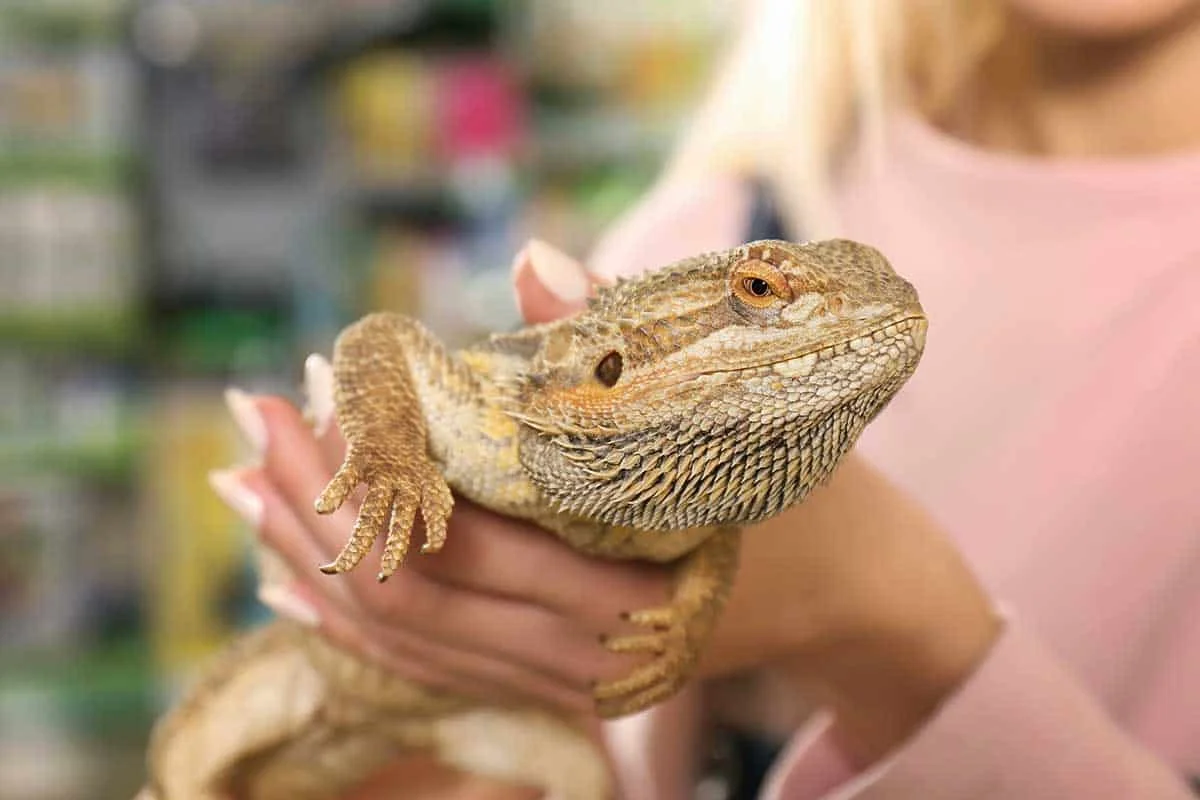
The first step in bearded dragon care is selecting a healthy dragon. Research reputable breeders or pet stores. Avoid impulse buys; take your time to observe the dragon and its environment. A healthy dragon should be alert, active, and have bright, clear eyes. Inspect the dragon for any signs of illness or injury. This initial choice will significantly impact your future experiences with your pet. Look for a dragon that appears curious and interacts with its surroundings, and a dragon that is active is a good sign of health. Be cautious about dragons that seem lethargic or unresponsive. Also, it is essential to establish a good relationship with the seller to ensure you have ongoing support and can trust their advice regarding bearded dragon care.

Selecting a Healthy Dragon
When choosing a bearded dragon, observe the animal’s physical condition. Ensure it has all its toes and no missing limbs. The body should be plump, not emaciated. Check for any signs of mouth rot, which may appear as a reddish or yellowish discharge around the mouth. The scales should be smooth and vibrant, without any bumps, lesions, or discoloration. A healthy dragon will have a strong tail and exhibit normal breathing patterns. Observe the dragon’s behavior—it should be active and alert. Avoid dragons that seem sluggish or have their eyes closed. Finally, a dragon that is eating well is an excellent indicator of health. Ask the seller about the dragon’s eating habits, and request to see it eat. Don’t hesitate to ask questions and ensure you feel comfortable with your choice.
Setting Up the Perfect Habitat

Creating the right environment is crucial for your bearded dragon’s health and happiness. The habitat should mimic the dragon’s natural desert environment, providing warmth, UVB lighting, and a secure space. Proper habitat setup is one of the most critical aspects of bearded dragon care. Providing the right environment reduces stress, promotes healthy behaviors, and supports their overall wellbeing. The enclosure should offer a comfortable retreat while also allowing for exploration and basking. Incorrect setups can lead to health problems such as metabolic bone disease (MBD), respiratory infections, and behavioral issues. By carefully considering the elements of the habitat—size, substrate, lighting, and temperature—you can ensure your bearded dragon thrives.
The Right Tank Size
The size of the enclosure is crucial for your dragon’s comfort and health. A baby bearded dragon can start in a 40-gallon breeder tank (36x18x18 inches), but they grow quickly. Adult bearded dragons need a minimum of a 75-gallon tank (48x18x20 inches), with larger enclosures being even better. A bigger tank allows for a better temperature gradient and more space for your dragon to move and explore. It’s essential to provide enough space to help reduce stress and promote natural behaviors. A cramped environment can lead to health issues and behavioral problems. As your dragon grows, upgrade the tank size as needed to ensure it has ample room. Think of it like giving your dragon their own little desert landscape to enjoy.
Substrate and Decor
Choosing the right substrate, or the material at the bottom of the tank, is important for your dragon’s well-being. Avoid loose substrates like sand, which can cause impaction if ingested. Safe substrate options include reptile carpet, paper towels, or ceramic tiles. These options are easy to clean and do not pose a risk of ingestion. Decorate the tank with rocks, branches, and hides to provide enrichment and places for your dragon to climb and hide. This adds interest to the environment and satisfies the dragon’s natural instincts. Ensure all decorations are securely placed so they cannot fall and injure your dragon. The goal is to create a stimulating, safe, and enriching habitat, mimicking the dragon’s natural environment to encourage activity and exploration.
Temperature and Lighting Essentials
Maintaining the correct temperature and lighting is crucial for your bearded dragon’s health. As reptiles, they rely on external heat sources to regulate their body temperature. Proper lighting is essential for the production of vitamin D3, which is necessary for calcium absorption and overall health. A proper temperature gradient allows the dragon to thermoregulate, choosing the ideal temperature for its needs. Without proper lighting and heating, your bearded dragon can develop serious health issues like metabolic bone disease (MBD). Therefore, understanding and applying the following guidelines for temperature and lighting are fundamental aspects of bearded dragon care.

Optimal Temperature Gradient
Create a temperature gradient within the enclosure. The basking spot should be around 95-110°F (35-43°C) for adults and slightly warmer for juveniles. The cooler side of the tank should be around 75-85°F (24-29°C). Use a thermometer to monitor the temperatures on both sides. A proper temperature gradient allows your dragon to regulate its body temperature and helps with digestion and metabolism. Ensure the temperature is accurate by placing the thermometer in the basking area and the cooler end. Use a ceramic heat emitter or a basking bulb to maintain the basking spot temperature. Use a thermostat to regulate the temperature and prevent overheating, which can be dangerous. Consistent monitoring and adjustment of the temperature are vital for your dragon’s health and comfort.
UVB Lighting Importance
UVB lighting is essential for bearded dragons, allowing them to synthesize vitamin D3, which is vital for calcium absorption. Without UVB, your dragon can develop metabolic bone disease (MBD), which leads to weakened bones. Install a UVB bulb designed for reptiles. Choose a bulb appropriate for the size of the tank and place it correctly. Replace the UVB bulb every six months, as its effectiveness decreases over time. Place the UVB light near the basking spot so your dragon can receive the necessary UVB exposure. Always follow the manufacturer’s instructions. Providing proper UVB lighting is one of the most critical aspects of bearded dragon care. This is a vital step in ensuring your dragon’s overall health and wellbeing.
Feeding Your Bearded Dragon
Proper nutrition is critical for your bearded dragon’s health and longevity. A well-balanced diet that includes insects, vegetables, and fruits is essential. The nutritional needs of a young dragon differ from those of an adult. Understanding these dietary requirements and implementing a balanced approach to feeding will contribute significantly to your dragon’s overall well-being. Always ensure that the food is fresh, safe, and appropriate for your dragon’s stage of life. Proper nutrition helps ensure your dragon is healthy and has vibrant colors. A good diet strengthens their immune system and allows them to lead long and happy lives. Understanding these dietary guidelines is a must-know for any novice keeper.
Best Diet Practices

A balanced diet for bearded dragons includes insects, vegetables, and fruits. Offer insects like crickets, dubia roaches, and mealworms, ensuring they are gut-loaded before feeding. Gut-loading means feeding the insects a nutritious diet before they are offered to your dragon. Offer a variety of fresh, leafy greens like collard greens, mustard greens, and dandelion greens daily. Fruits should be offered in moderation as treats. Supplement the diet with calcium and vitamin D3, especially for young dragons. The ratio of insects to greens should change as your dragon ages. Always provide fresh, clean water. By following these practices, you can ensure your dragon receives the proper nutrients to thrive.
Water and Hydration
Always provide fresh, clean water in a shallow dish. Although bearded dragons absorb most of their hydration from their food, having water available is still crucial. Change the water daily to keep it clean and prevent bacteria growth. You can also mist your dragon and its enclosure with water. Many bearded dragons will drink droplets of water off of the surfaces. Ensure the water dish is shallow enough so your dragon can easily access the water. Regular misting helps with hydration, and especially during shedding. Proper hydration is essential for overall health and helps with digestion and metabolism. Consistent hydration is an important factor of bearded dragon care.

Handling and Socialization

Handling and socialization are important for bonding with your bearded dragon and ensuring it is comfortable around humans. Regular interaction builds trust and allows you to monitor its health. Careful handling and socialization help prevent stress and promote a positive relationship between you and your pet. By following some easy guidelines, you can help your bearded dragon become a happy, well-adjusted companion. Remember, patience and gentle handling are key to success. Regular handling also allows you to check your dragon’s body for injuries and signs of illness. This is an excellent method for ensuring your bearded dragon’s overall health.
Safe Handling Techniques
When handling your bearded dragon, approach it slowly and gently. Support its body, including its belly and legs, to make it feel secure. Avoid grabbing the dragon from above, as this can make it feel threatened. Let the dragon get used to your touch. Hold the dragon close to your body to keep it from feeling insecure. Always wash your hands before and after handling to prevent the spread of any potential germs. Supervise children while they handle the dragon. Provide a safe and comfortable environment. Remember that consistency is key, and with patience, your bearded dragon will learn to enjoy interaction.
Building Trust and Bonding
Build trust with your bearded dragon by handling it regularly and gently. Start with short handling sessions and gradually increase the time. Speak softly and calmly to your dragon to reassure it. Offer treats during handling to create a positive association. Spend time observing your dragon’s behavior and learning its personality. This helps build a strong bond and mutual understanding. Regular handling also allows you to check your dragon for any signs of illness or injury. Keep the interaction positive and rewarding. Over time, your bearded dragon will start to associate you with positive experiences, making them comfortable and happy.
Common Health Issues
Bearded dragons, like all pets, are susceptible to certain health issues. Recognizing common health problems and knowing how to respond is crucial for their well-being. These include metabolic bone disease (MBD), respiratory infections, parasites, and mouth rot. Early detection and prompt veterinary care can often prevent these issues from becoming severe. Monitoring your dragon’s health requires vigilance and a proactive approach. Be aware of any changes in behavior, appetite, or physical appearance. Understanding and recognizing potential health problems are essential aspects of bearded dragon care. Familiarity with these issues will empower you to provide the best possible care for your dragon.
Recognizing Illness
Watch for signs of illness, such as lethargy, loss of appetite, weight loss, changes in stool, and difficulty breathing. Other signs include swelling of the limbs, unusual scale color, or discharge from the eyes, nose, or mouth. Any unusual behaviors or changes in your dragon’s appearance should prompt a veterinary visit. Be observant of your dragon’s habits and routine. Knowing what is normal behavior makes it easier to spot any changes. Contact a veterinarian specializing in reptiles as soon as you notice any signs of illness. Prompt action can make a huge difference in your dragon’s recovery. Early detection is a key to successful treatment. Do not hesitate to seek professional veterinary care.
Preventative Care
Preventative care includes providing the right environment, nutrition, and regular health checks. Ensure the habitat is clean and properly maintained, with correct temperature and lighting. Feed your dragon a balanced diet. Regular checkups with a reptile veterinarian are essential for early detection of any health issues. Maintain a clean environment to prevent bacterial and fungal infections. Clean the enclosure regularly, and promptly remove any waste. Quarantine new dragons before introducing them to existing pets to prevent the spread of disease. Preventive care contributes significantly to the overall health and longevity of your dragon. A proactive approach to health is a must-know of bearded dragon care.
Grooming Your Bearded Dragon
Grooming your bearded dragon involves regular care, including nail trimming and assisting with shedding. These practices help maintain their health and comfort. Grooming is not just about aesthetics; it is also a fundamental aspect of their overall care. Regular grooming will help keep them comfortable and healthy. Grooming is essential to their physical health. By understanding the grooming process, you can ensure your bearded dragon remains healthy and happy. Regular grooming can help you establish a better bond with your pet.
Nail Trimming and Shedding
Trim your bearded dragon’s nails regularly to prevent them from growing too long and snagging on things. Use reptile nail clippers and trim the nails carefully, avoiding the quick (the blood vessel). If you are not comfortable trimming the nails yourself, consult a veterinarian or experienced reptile keeper. Bearded dragons shed their skin periodically as they grow. Ensure that the enclosure has adequate humidity to aid shedding. You can also provide a shallow dish of water. If your dragon has trouble shedding, you can gently assist by soaking it in a warm water bath and gently rubbing the skin. Healthy shedding is a sign of a healthy dragon. Watch out for stuck shed that can restrict blood flow.
Maintaining a Clean Habitat
Maintaining a clean habitat is essential for your bearded dragon’s health and prevents the growth of harmful bacteria and fungi. Regular cleaning also helps control odors and creates a more pleasant environment for both you and your pet. Proper cleaning can also help prevent potential health issues. A clean habitat is a fundamental aspect of bearded dragon care, contributing significantly to their overall well-being. Consistency in cleaning is key to maintaining a healthy environment. By following the following practices, you can ensure your bearded dragon lives in a clean and safe habitat.
Cleaning Schedule and Supplies

Spot clean the enclosure daily, removing feces and uneaten food. Perform a more thorough cleaning at least once a month. Remove all decorations and substrate, and wash the tank with reptile-safe disinfectant. Rinse thoroughly to remove all traces of the disinfectant. Replace the substrate with fresh material. Use reptile-safe cleaning products to avoid harming your dragon. Avoid using harsh chemicals or strong-smelling cleaners. Clean water and food bowls daily. Regularly inspect the enclosure for any signs of mold or mildew, which can be harmful. Adhering to this cleaning schedule creates a clean, healthy, and happy environment for your bearded dragon.
Enrichment and Entertainment
Enrichment and entertainment are essential for your bearded dragon’s mental stimulation and well-being. Providing opportunities for exploration, exercise, and mental engagement will help your dragon stay active and prevent boredom. Boredom can lead to stress and behavioral problems. Creating an enriched environment enhances the overall quality of life for your bearded dragon. Enrichment will make your pet’s life more interesting and prevent potential behavioral issues. An enriching environment will keep your dragon happy, healthy, and engaged with its surroundings. By incorporating these elements, you can ensure your bearded dragon leads a fulfilling life.
Providing Mental Stimulation
Provide opportunities for your bearded dragon to explore outside of its enclosure in a safe and supervised environment. You can also create enrichment by adding toys, such as puzzle feeders or climbing structures, to its enclosure. Rotate the toys to keep things interesting. Encourage natural behaviors by providing branches and rocks to climb on. Introduce new objects to provide variety and novelty. Spend time interacting with your dragon. These practices keep your pet mentally active and prevent boredom. Engage with your dragon frequently and give them opportunities to explore.
Understanding Bearded Dragon Behavior
Understanding your bearded dragon’s behavior and body language is crucial for providing proper care and building a strong bond. Recognizing their communication signals helps you interpret their needs and emotions. By understanding the signs and signals, you can create a safe, comfortable environment for your dragon. It allows you to address issues. Proper interpretation of the dragon’s behavior is a must-know for every novice keeper. Understanding the meanings of their body language is the key to fostering a positive relationship with your pet.
Interpreting Body Language
Bearded dragons communicate through a variety of behaviors and body language. A relaxed dragon will have a flat body, with a slightly open mouth. A stressed dragon may have a dark beard, be puffed up, and gape its mouth. A raised head and bobbing can be a sign of dominance or a mating behavior. Recognize the color of the beard, as it will provide clues about the dragon’s mood and emotions. Learn the specific behavior patterns. Recognizing these behaviors helps you understand your dragon’s emotional state. This knowledge helps you to build a better relationship. Understanding these key behaviors is vital for any keeper.
Long-Term Commitment
Owning a bearded dragon is a long-term commitment. These reptiles can live for 8-10 years or longer with proper care. Before getting a bearded dragon, you should consider the time, financial, and emotional responsibilities involved. Ongoing expenses include food, substrate, lighting, and veterinary care. You must be prepared to provide a safe, healthy, and stimulating environment. Commitment means ensuring that your dragon receives the care and attention it needs throughout its entire life. The long-term commitment extends beyond daily care; it encompasses all aspects of your dragon’s life. Make sure you are fully prepared for this commitment before bringing a bearded dragon into your home. Consider all the aspects of care to ensure you can fulfill your role.
In conclusion, caring for a bearded dragon is a rewarding experience. By understanding these top 10 must-knows and consistently applying these principles, you can provide your bearded dragon with a happy, healthy, and fulfilling life. Remember that the more you learn about your dragon, the better you can cater to its needs. Congratulations on starting your journey into the exciting world of bearded dragon care. Enjoy the companionship of these amazing creatures. Your dedication will ensure your pet thrives for years to come.