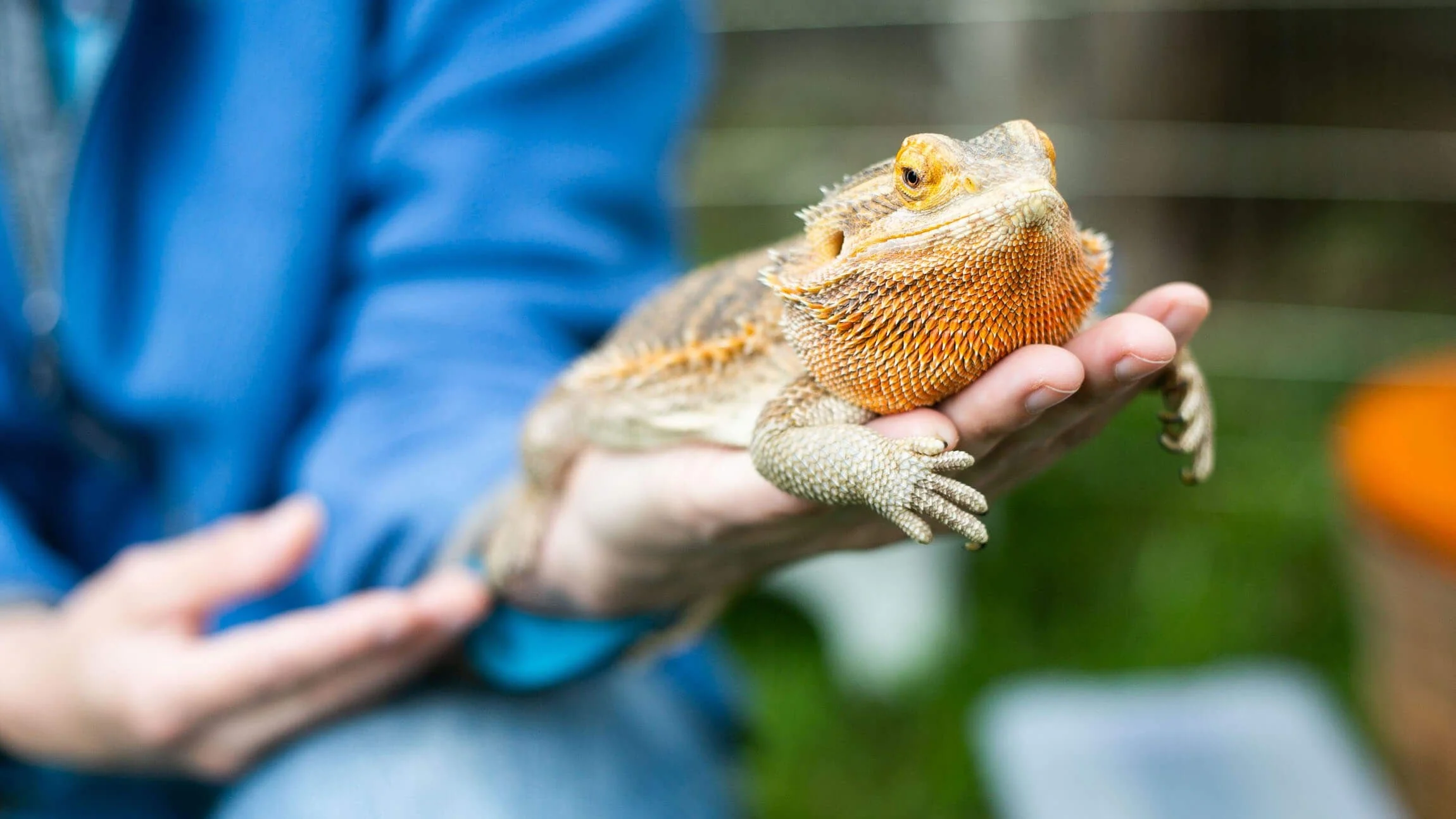
The Bearded Dragon Care Manual Introduction
Bearded dragons, with their docile nature and unique appearance, have become popular pets. However, their well-being hinges on proper care. This Bearded Dragons Care Manual will provide you with the essential knowledge to ensure your scaly companion thrives. We’ll cover habitat setup, diet, lighting, health, and enrichment, giving you a comprehensive guide to bearded dragon care. Remember, responsible pet ownership is key to a happy and healthy bearded dragon. This manual aims to be your go-to resource, offering insights into the critical aspects of bearded dragon care, from creating the perfect environment to understanding their specific needs.
Essential 1 Proper Habitat Setup
Creating the right habitat is the foundation of bearded dragon care. A well-designed enclosure mimics their natural environment and caters to their specific needs. This involves providing a safe, comfortable, and stimulating space where your dragon can thrive. The proper habitat setup is crucial for maintaining optimal health and preventing stress-related issues. By understanding the key components of a proper habitat, you can create an environment that promotes your bearded dragon’s overall well-being and ensures a long, happy life.
Enclosure Size Requirements
The size of the enclosure is paramount. A juvenile bearded dragon can start in a 40-gallon breeder tank, but adults need a minimum of a 4x2x2 foot enclosure. This provides ample space for movement, temperature gradients, and the necessary equipment. A larger enclosure is always better as it allows for more natural behaviors and reduces stress. Crowded conditions can lead to health problems and behavioral issues. Ensure your dragon has enough room to bask, explore, and exhibit natural behaviors. Consider the adult size when choosing an enclosure from the start.
Substrate Selection
Substrate is the material that lines the bottom of the enclosure. Safe substrate choices are crucial for avoiding impaction, a potentially fatal condition where the dragon ingests substrate and it blocks its digestive system. Suitable options include paper towels, reptile carpet, or ceramic tile. These are easy to clean and pose minimal risk. Avoid loose substrates like sand, especially for juveniles, as they can be easily ingested. If using a bioactive setup, ensure proper research and implementation to maintain a safe environment. Regular cleaning and maintenance are essential regardless of the substrate used, keeping the enclosure hygienic and safe for your bearded dragon.

Temperature and Humidity Control
Bearded dragons are ectothermic, meaning they rely on external sources for temperature regulation. A proper temperature gradient is vital. The basking spot should be around 95-110°F (35-43°C), the cooler side around 75-85°F (24-29°C). Use a thermometer and thermostat to monitor and control temperatures accurately. Humidity should be kept between 30-40%. Excessive humidity can lead to respiratory infections. Provide a shallow water dish for drinking and occasional soaking. Misting the enclosure lightly can help maintain humidity levels. Regularly monitor the temperature and humidity levels to create the optimal environment for your bearded dragon.
Essential 2 Optimal Diet and Nutrition
A balanced diet is the cornerstone of a healthy bearded dragon. Proper nutrition fuels growth, supports immune function, and ensures overall well-being. Understanding the dietary needs of your bearded dragon will help you to provide them with a balanced diet. This involves offering a variety of insects, vegetables, and fruits. A well-nourished dragon will exhibit vibrant colors, high energy levels, and robust health. Neglecting dietary needs can lead to serious health problems.
Feeding Frequency and Portion Sizes
Feeding frequency varies with age. Baby bearded dragons need to be fed multiple times a day (2-3 times) with appropriately sized portions. Juveniles should be fed once or twice daily. Adults can be fed once daily or every other day, depending on their activity level and size. Offer as much food as your dragon can consume in 10-15 minutes. Remove any uneaten food to prevent attracting pests and maintain cleanliness. Adjust portion sizes based on your dragon’s weight and body condition, ensuring they maintain a healthy weight.
Types of Foods Bearded Dragons Eat

Bearded dragons are omnivores, requiring a mix of insects and plant matter. Offer a variety of insects, such as crickets, dubia roaches, and mealworms, as the staple of the diet. Vegetables like collard greens, mustard greens, and squash should make up a significant portion of the diet. Fruits, such as berries and melon, can be offered in moderation as treats. Avoid feeding excessive amounts of fruits due to their sugar content. Providing a varied diet is key to meeting their nutritional needs and preventing deficiencies. Always dust insects with calcium and vitamin D3 supplements.
Supplementation with Vitamins and Minerals
Supplementation is essential to ensure bearded dragons receive all the necessary nutrients. Dust insects with a calcium supplement, especially one that includes Vitamin D3, before feeding. Vitamin D3 is crucial for calcium absorption, helping prevent metabolic bone disease. A multivitamin supplement can also be used, but avoid over-supplementing. Follow the instructions on the supplement packaging carefully. Regular supplementation helps maintain strong bones, healthy growth, and overall health. Remember that over-supplementation can be harmful, so use supplements responsibly.
Essential 3 Lighting and UV Requirements

Proper lighting is not just about visibility for your bearded dragon; it is fundamental to their health and well-being. Both UVB and heat are crucial for their metabolic processes, including calcium absorption and digestion. Understanding the role of these elements and providing the correct lighting setup is vital for a healthy and thriving bearded dragon. Without the right lighting, they can develop serious health problems, so getting this aspect right is crucial.
Importance of UVB Lighting
UVB light is essential for synthesizing vitamin D3, which aids in calcium absorption. Without UVB, bearded dragons cannot properly process calcium, leading to metabolic bone disease. This condition weakens their bones, leading to fractures and deformities. UVB also plays a role in their overall health and behavior, influencing their appetite and activity levels. Ensure your dragon receives adequate UVB exposure daily. UVB lighting is essential for the health and well-being of your bearded dragon, directly impacting their ability to absorb calcium and maintain overall health.
Choosing the Right UVB Bulb


Selecting the right UVB bulb is critical. Choose a UVB bulb specifically designed for reptiles, and follow the manufacturer’s recommendations for bulb placement. Different bulbs emit different levels of UVB; select one appropriate for the size of the enclosure. Consider the percentage of UVB output and the distance the bulb needs to be from your dragon’s basking spot. Popular options include fluorescent tubes and mercury vapor bulbs. Replace bulbs regularly, as their UVB output diminishes over time, typically every 6-12 months, depending on the bulb type.
UVB Bulb Placement and Replacement
Proper placement of the UVB bulb is essential to ensure your bearded dragon receives adequate UVB exposure. Place the bulb within the recommended distance from the basking spot, as indicated on the packaging. This ensures your dragon can bask and effectively absorb UVB. Replace the bulb according to the manufacturer’s guidelines. Even if the bulb still emits visible light, the UVB output degrades over time. Keeping a record of the replacement date helps maintain optimal UVB levels for your bearded dragon. Regularly inspect the bulb and fixture for any signs of damage.
Essential 4 Health and Common Ailments
Bearded dragons are generally hardy reptiles, but they are susceptible to certain health problems. Recognizing signs of illness and providing prompt veterinary care is crucial for their well-being. By understanding the common ailments and preventative measures, you can ensure a healthy and happy life for your bearded dragon. Regular check-ups with a reptile veterinarian are recommended to catch any potential health problems early. Understanding and responding to health issues promptly is paramount.
Recognizing Signs of Illness
Be alert for any changes in your bearded dragon’s behavior or appearance. Common signs of illness include lethargy, loss of appetite, unusual droppings, and labored breathing. Other signs include swelling, discharge from the eyes or nose, and changes in skin color or texture. Regularly observe your dragon for any changes from their normal behavior. If you notice anything unusual, consult with a veterinarian specializing in reptiles. Early detection and treatment are key to successful outcomes. Pay close attention to feeding habits, activity levels, and overall appearance.
Common Health Problems
Some common health problems include metabolic bone disease (MBD), respiratory infections, parasites, and mouth rot. MBD is often caused by a lack of UVB or improper calcium supplementation. Respiratory infections can be caused by improper humidity or temperature. Parasites can be acquired from insects or the environment. Mouth rot is often caused by bacterial infections. Consult a reptile veterinarian immediately if you suspect your dragon has any of these conditions. Early diagnosis and treatment are essential to prevent severe illness or death.
Preventative Care and Vet Visits
Preventative care is crucial for keeping your bearded dragon healthy. Provide a proper diet, appropriate lighting, and a clean, well-maintained habitat. Regular vet visits are recommended, ideally once or twice a year, for check-ups and fecal exams. A reptile veterinarian can identify potential health issues early on. Quarantine new dragons before introducing them to other reptiles. Always wash your hands before and after handling your bearded dragon or their enclosure. Preventative care is the best approach to ensuring a long and healthy life for your pet. Proactive care, including proper diet, environment, and regular check-ups, helps prevent many health problems.

Essential 5 Regular Handling and Enrichment
Handling and enrichment are essential aspects of bearded dragon care, contributing to their physical and mental well-being. Regular interaction helps build a bond with your dragon. Providing enrichment keeps them stimulated and prevents boredom. A happy, engaged dragon is a healthier dragon. Proper handling and enrichment contribute to the overall quality of life. This ensures your pet is not only physically healthy but also mentally stimulated and happy.
Benefits of Handling Your Dragon
Regular handling builds trust and strengthens the bond between you and your bearded dragon. Start with short handling sessions and gradually increase the duration as your dragon becomes more comfortable. Handle your dragon gently and support their body, especially their belly and feet. Be mindful of their body language, and avoid handling if they show signs of stress or discomfort. Handling can also be a good way to check your dragon for any health concerns, such as injuries or changes in skin condition. Proper handling helps to create a positive relationship with your bearded dragon.
Enrichment Activities
Enrichment keeps your bearded dragon mentally stimulated and prevents boredom. Provide opportunities for climbing, such as branches or rocks. Offer varied food items and feeding methods to keep them engaged. Supervise outside time, ensuring they are safe from predators and overheating. Rotate toys and enrichment items to keep their environment interesting. Providing an engaging environment promotes activity, reduces stress, and helps your bearded dragon thrive. Different types of enrichment activities contribute to your dragon’s overall well-being.
The Bearded Dragon Care Manual Conclusion
Caring for a bearded dragon is a rewarding experience. By understanding the essential aspects of their care – proper habitat, nutrition, lighting, health, and enrichment – you can ensure your dragon lives a long, healthy, and happy life. Remember to stay informed, observe your dragon closely, and seek professional veterinary advice when needed. With the right knowledge and dedication, you can be a responsible and loving bearded dragon owner. Continuing education and a proactive approach to care are the keys to a fulfilling experience for both you and your pet. Your commitment to providing the best care will result in a strong bond and a thriving, healthy bearded dragon.