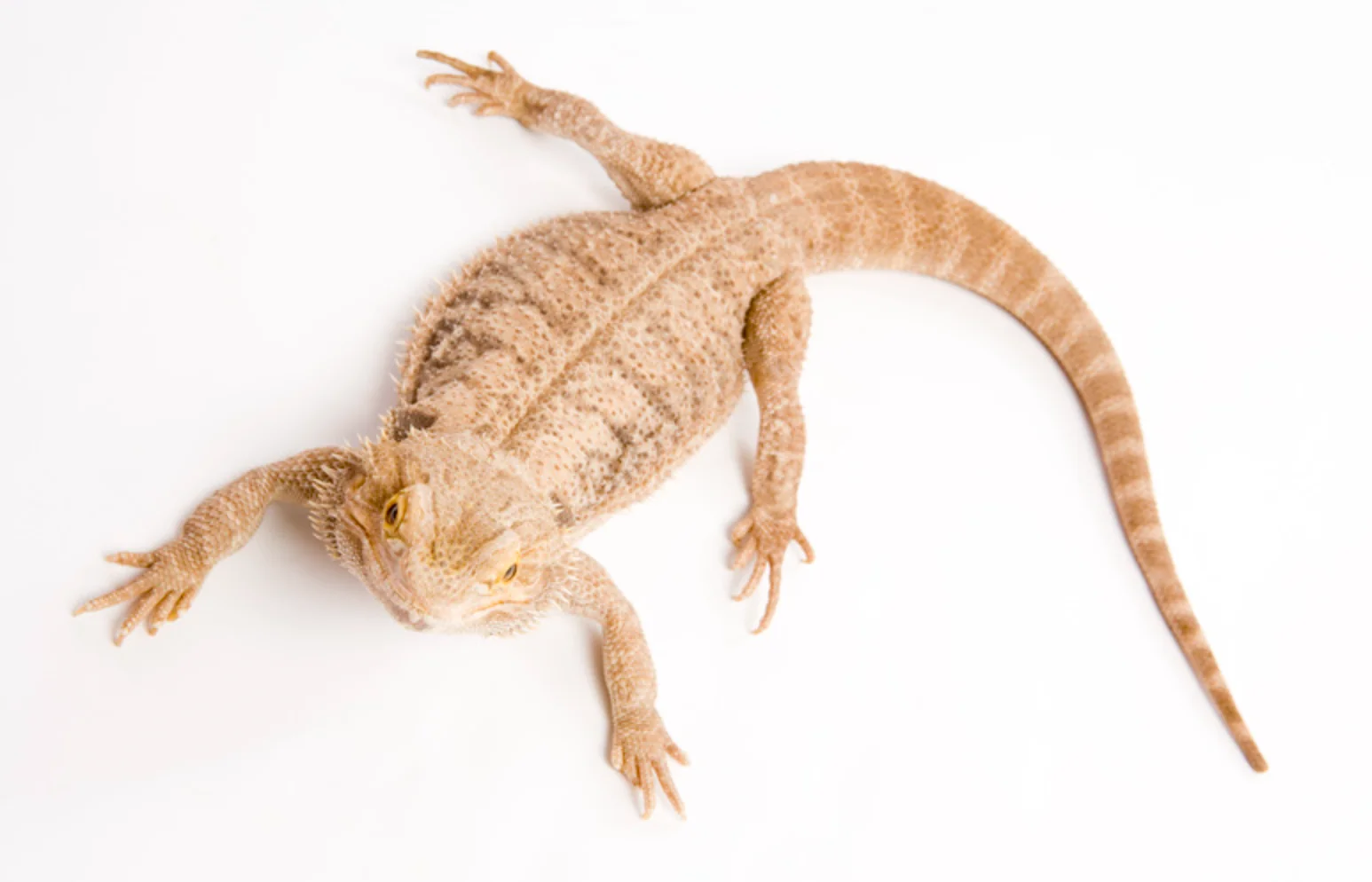
Welcome, fellow reptile enthusiasts! This comprehensive care guide is designed specifically for experienced individuals who already possess a foundational understanding of reptile husbandry. We’ll delve deep into the specifics of providing exceptional care for your bearded dragon, covering advanced techniques, troubleshooting common issues, and optimizing their environment for a long, healthy, and fulfilling life. This guide will empower you to elevate your bearded dragon care to the next level.
Bearded Dragon Habitat Setup
Creating the ideal habitat is the cornerstone of bearded dragon care. It’s not just about housing your pet; it’s about replicating their natural environment to promote optimal health and well-being. This section will cover the critical components of a proper setup, including enclosure size, substrate, temperature, humidity, and lighting. Remember, a well-designed habitat minimizes stress and supports the dragon’s natural behaviors.
Enclosure Size and Type
For adult bearded dragons, a minimum enclosure size of 4 feet long, 2 feet wide, and 2 feet tall is crucial. Larger is always better, providing more space for exploration and enrichment. Glass aquariums or specialized reptile enclosures are both suitable options, but ensure proper ventilation to prevent humidity buildup. Consider front-opening enclosures for easier access and interaction.
Choosing the Right Tank
When selecting a tank, prioritize ease of cleaning and maintenance. Look for enclosures with secure lids to prevent escape and consider the location within your home, avoiding direct sunlight or drafts. Ensure the material is non-toxic and can withstand the heat generated by basking lights.

Substrate Selection
The substrate is more than just bedding; it impacts humidity, hygiene, and the dragon’s natural behaviors. Avoid substrates like sand, which can cause impaction if ingested. Excellent choices include a bioactive substrate mix of organic topsoil, play sand, and sphagnum moss. Alternatively, reptile carpet or paper towels can be used for easy cleaning, especially during quarantine.
Temperature and Humidity
Maintaining the correct temperature gradient and humidity levels is essential for proper digestion, metabolism, and overall health. This involves creating a warm basking spot, a cooler side, and a slightly humid microclimate. Proper temperature and humidity are important to avoid respiratory problems and metabolic bone disease.
Optimal Temperature Gradient
The basking spot should reach 100-110°F (37-43°C), while the cool side should remain between 75-85°F (24-29°C). Use a digital thermometer with a probe to accurately monitor temperatures in various areas of the enclosure. A temperature gun can also be used for spot-checking.
Maintaining Proper Humidity Levels
Humidity should generally be kept between 30-40%. Use a hygrometer to monitor humidity levels. Misting the enclosure lightly once or twice a day or placing a shallow water dish can help maintain appropriate humidity levels. Adequate ventilation is crucial to prevent excessive humidity and fungal infections.
Lighting Requirements for Bearded Dragons

Proper lighting is crucial for bearded dragons, including UVB and basking lights. They need UVB light for calcium metabolism and overall health. Consider the correct intensity and spectrum to ensure adequate absorption of nutrients.
UVB Lighting Importance
UVB light is essential for the synthesis of vitamin D3, which allows bearded dragons to absorb calcium from their diet. Without proper UVB exposure, they can develop metabolic bone disease (MBD), a debilitating and often fatal condition. UVB also aids in the production of other essential hormones.
Types of UVB Bulbs
Choose a UVB bulb specifically designed for reptiles, such as a fluorescent tube or a mercury vapor bulb. Fluorescent tubes should be replaced every 6-12 months, while mercury vapor bulbs may last longer. The UVB output degrades over time, even if the bulb still produces visible light. Ensure the bulb’s UVB output is appropriate for the enclosure size and the distance between the bulb and the basking spot. Consider placing the UVB source above the basking spot to ensure the dragon gets the maximum benefit.
Basking and Spot Lights
Use a basking spot lamp to create the necessary heat gradient. Position the basking lamp above a basking spot, such as a rock or a platform, allowing the dragon to thermoregulate. Monitor temperatures carefully using a thermometer to ensure the correct basking temperature is achieved.
Feeding Your Bearded Dragon
A balanced diet is essential for your bearded dragon’s health. This involves offering a variety of insects and vegetables. Proper nutrition supports growth, energy, and longevity. Understanding your dragon’s specific needs at different life stages is key to successful feeding.
Best Food Choices
A varied diet is key. Offer a mix of insects, such as crickets, dubia roaches, and mealworms, as well as leafy greens, vegetables, and occasional fruits. Avoid feeding only one type of food and offer a variety to meet their nutritional needs. Supplementing with calcium and vitamin D3 is also crucial.
Nutritional Needs of Adults

Adult bearded dragons should be fed a diet primarily consisting of vegetables and a smaller portion of insects. The ratio should be roughly 80% vegetables and 20% insects. Ensure that the vegetables are fresh and offer a variety. Provide insects, like dubia roaches, a few times a week.
Supplementing with Vitamins and Minerals
Dust insects with a calcium and vitamin D3 supplement before feeding them to your dragon. Also, use a multivitamin supplement a few times a week. Be careful not to over-supplement, as this can lead to health problems. Always follow the instructions on the supplement packaging.
Water and Hydration
Fresh, clean water is vital for hydration. Provide a shallow water dish, and ensure the water is always available. Regularly change the water to keep it clean and free from bacteria. Make sure to have a shallow water dish that your dragon can easily access and use.

Daily Water Requirements
While bearded dragons get some hydration from their food, they still need fresh water daily. Provide a shallow water dish and ensure the water is always available. The water should be changed daily to keep it clean.
Preventing Dehydration
Observe your dragon for signs of dehydration, such as sunken eyes or wrinkled skin. If your dragon shows these signs, increase the frequency of misting or offer water via a dropper. Hydration is critical to avoid health issues like kidney failure or constipation.
Common Bearded Dragon Health Issues
Bearded dragons, like all reptiles, can be susceptible to certain health problems. Recognizing these issues early is critical for effective treatment and a positive outcome. Knowing the warning signs and potential causes can help you provide better care and ensure prompt veterinary attention if needed.
Recognizing Signs of Illness
Monitor your bearded dragon for any changes in behavior, appetite, or appearance. Watch for lethargy, loss of appetite, diarrhea, difficulty breathing, swelling, or unusual bumps or lumps. Any deviation from normal behavior should be investigated promptly.
Parasite Prevention and Treatment
Parasites are a common concern. Regularly check fecal samples for parasites and consult a veterinarian for appropriate treatment. Maintain good hygiene in the enclosure to minimize the risk of parasitic infestations. Quarantine new dragons before introducing them to your existing collection.
Shedding and Skin Health
Shedding is a natural process, but improper shedding can lead to health problems. Ensure the enclosure has proper humidity levels to aid shedding. If shedding is incomplete, soak your dragon in lukewarm water to help remove the shed. If there are retained shed pieces, seek professional help.
Handling and Socialization
Handling and socialization are important for building a bond with your bearded dragon. Handling them regularly can help them become more comfortable with you, reduce stress, and make it easier to monitor their health. Be gentle and patient, and respect their individual personalities and preferences.
Safe Handling Techniques
Always support your bearded dragon’s body when handling them. Avoid sudden movements or drops, as they can startle your dragon. Approach them slowly and gently, and allow them to get used to your presence before picking them up. Wash your hands before and after handling to prevent the spread of bacteria or disease.

Building a Bond with Your Dragon
Spend time with your bearded dragon each day, and offer a variety of activities to stimulate them. These could include gentle handling, feeding, or exploring their enclosure. Talk to them in a calm voice. Positive interactions build trust and strengthen your bond.

Advanced Care Techniques
Beyond the basics, there are advanced techniques that experienced reptile enthusiasts can implement to further enhance their bearded dragon’s well-being. These include optimizing their environment, providing enrichment, and monitoring them for subtle signs of health changes.
Breeding Considerations
Breeding bearded dragons is a significant undertaking. Before embarking on this, thoroughly research breeding practices and understand the responsibilities involved. It is an advanced aspect of care that requires a specific setup and knowledge.
Recognizing Breeding Behaviors
If you are considering breeding, learn to recognize the signs of breeding behaviors in both males and females. These behaviors include changes in appearance, such as darker coloration and head bobbing, and changes in their interaction with each other. Understanding these signals is important for successful breeding.
Responsible Breeding Practices
Ensure you have adequate facilities to house both the breeding pair and the hatchlings. Provide a balanced diet to support the health of the breeding pair and the developing eggs. Prioritize the health and welfare of the animals above all else.
By following this expert care guide, you can provide your bearded dragon with the best possible life. Remember that consistency, observation, and a passion for reptile care are key. Continue to learn and refine your techniques, and your bearded dragon will thrive under your care.