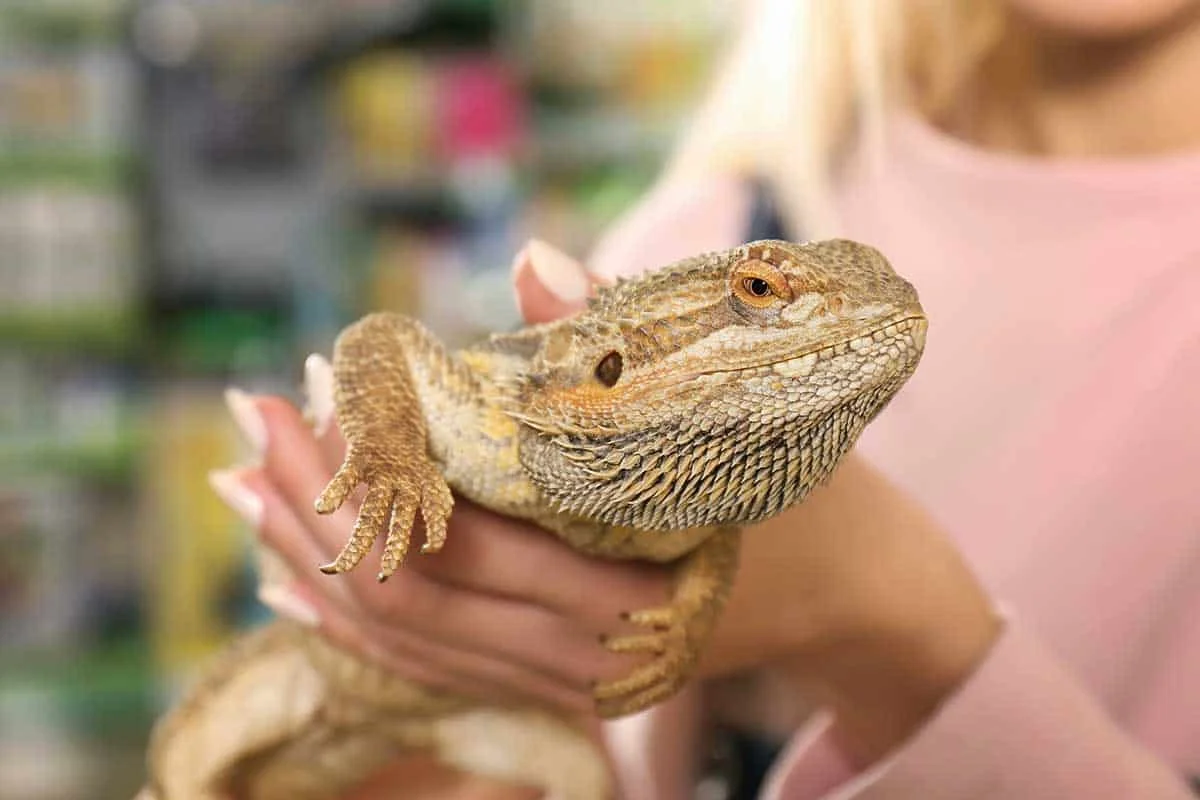
Bearded dragons, with their friendly demeanor and relatively easy care, have become a popular choice for reptile enthusiasts. This comprehensive bearded dragons care guide provides amazing tips to help you create a thriving environment for your scaly friend. From setting up their habitat to understanding their dietary needs and recognizing signs of illness, this guide will equip you with the knowledge you need to ensure your bearded dragon lives a long, happy, and healthy life. Let’s dive into the essentials of bearded dragons care and unlock the secrets to proper reptile care.
Habitat Setup for Bearded Dragons
The habitat is the cornerstone of your bearded dragon’s well-being. Creating the right environment ensures their physical and psychological health. It’s not just about housing them; it’s about providing a space that mimics their natural habitat, allowing them to thrive. Correct habitat setup significantly reduces stress and promotes natural behaviors like basking, hunting, and exploration. A well-designed habitat is essential for thermoregulation, digestion, and overall health.
Choosing the Right Tank Size
Tank size is a crucial factor, impacting your bearded dragon’s comfort and activity levels. A juvenile bearded dragon can start in a 40-gallon breeder tank. However, as they grow, they need more space. An adult bearded dragon requires a minimum of a 4x2x2 foot enclosure. Larger tanks provide more room for exploration, thermoregulation, and the establishment of territories, which can reduce stress and prevent behavioral issues. Consider the adult size of your bearded dragon when choosing a tank, ensuring they have ample space to move, bask, and hunt.
Tank Substrate Options
The substrate you choose should be safe, non-toxic, and easy to clean. Avoid substrates that can be ingested, potentially leading to impaction, a life-threatening condition. Good choices include paper towels, reptile carpet, or ceramic tile for easy cleaning. For a more naturalistic approach, a bioactive setup with a substrate mix designed for reptiles can offer enrichment, but it requires more maintenance and careful monitoring. Avoid sand, especially calcium sand, for young or poorly-fed bearded dragons.
Temperature and Humidity Control
Bearded dragons are ectothermic, meaning they rely on external sources to regulate their body temperature. Proper temperature gradients are essential for their health and digestion. The basking spot should be around 100-110°F (37-43°C), the cool side should be around 75-85°F (24-29°C), and nighttime temperatures can drop to around 70°F (21°C). Humidity should be kept low, ideally between 30-40%. Use a thermometer and hygrometer to monitor these levels and adjust your setup accordingly.
Lighting Requirements for Bearded Dragons
Lighting is a vital aspect of bearded dragons care. They need both UVB and UVA light to thrive. UVB light aids in calcium absorption, which is crucial for bone health and prevents metabolic bone disease. UVA light helps with their overall well-being and promotes natural behaviors. Provide a full-spectrum UVB bulb specifically designed for reptiles, and replace it every six months as the UVB output decreases over time. Place the light appropriately to ensure the bearded dragon can bask within the recommended distance of the bulb.

UVB Lighting Importance
UVB lighting is absolutely essential for the health of your bearded dragon. Without sufficient UVB exposure, they cannot properly process calcium, leading to metabolic bone disease (MBD), a debilitating condition that can cause skeletal deformities, paralysis, and even death. Choose a UVB bulb with the correct output percentage (e.g., 10% UVB) and ensure the bulb is designed for reptile use. Position the bulb within the recommended distance from the basking spot to ensure your bearded dragon receives adequate UVB exposure. The right lighting is one of the most important bearded dragons care tips.
Heating Options

Provide a heat source for your bearded dragon to bask under, such as a basking bulb or a ceramic heat emitter (CHE). Avoid using heat rocks, as they can overheat and cause burns. Position the heat source correctly to create a temperature gradient within the tank, allowing your bearded dragon to thermoregulate effectively. Always use a thermostat to regulate the temperature and prevent overheating. Monitor the temperature with a thermometer to ensure it’s within the appropriate range.
Feeding Your Bearded Dragon
A balanced diet is essential for your bearded dragon’s health and longevity. They are omnivores, meaning they eat both insects and plant matter. A proper diet supports their growth, development, and overall well-being. The feeding schedule and the types of foods you offer should be tailored to their age and size. Always provide fresh, clean water for drinking.
What to Feed Bearded Dragons
The diet should consist of a variety of insects and vegetables. Good insect choices include crickets, dubia roaches, mealworms (in moderation), and black soldier fly larvae. For vegetables, offer a mix of leafy greens like collard greens, mustard greens, and turnip greens. Avoid iceberg lettuce due to its low nutritional value. You can also include small amounts of other vegetables like squash and bell peppers. Variety is key to ensure your bearded dragon receives a broad spectrum of nutrients.
Feeding Schedule
Feeding frequency depends on your bearded dragon’s age. Babies and juveniles (under 1 year old) should be fed insects twice a day, as much as they can eat in 10-15 minutes. Adults (over 1 year old) should be fed insects once a day or every other day, and vegetables should be available daily. Adjust the feeding schedule based on your dragon’s appetite and weight, but avoid overfeeding, which can lead to obesity. Always dust insects with a calcium and vitamin D3 supplement a few times per week, especially for juveniles.
Supplementing with Vitamins and Minerals
Supplementation is a crucial element of bearded dragons care. Dust insects with calcium and vitamin D3 supplements to ensure proper calcium absorption. Use a multivitamin supplement once or twice a week to provide essential vitamins and minerals that may not be fully available in their diet. Avoid over-supplementing, as this can be harmful. Follow the instructions on the supplement packaging and consult with a reptile veterinarian if you have any concerns.
Water and Hydration for Bearded Dragons
Provide a shallow water dish with fresh, clean water daily. While bearded dragons get some hydration from their food, they need access to water for drinking and soaking. Some bearded dragons enjoy being misted with water or having their faces dripped on with a dropper. Regular hydration is essential for their overall health and helps prevent dehydration, which can lead to various health issues. Ensure the water dish is not too deep to avoid drowning.


Health and Wellness of Bearded Dragons
Keeping your bearded dragon healthy requires vigilance and proactive care. Understanding common health issues, recognizing signs of illness, and providing proper grooming are all essential aspects of ensuring their well-being. Regular check-ups with a reptile veterinarian are recommended for preventative care and early detection of any health problems.
Common Bearded Dragon Health Issues
Bearded dragons can be susceptible to several health problems. Metabolic Bone Disease (MBD) is a common issue caused by inadequate UVB exposure or calcium deficiency. Respiratory infections can arise from improper temperature or humidity levels. Parasites are another concern, so regular fecal exams are important. Other potential problems include impaction (often from ingesting substrate), mouth rot, and skin infections. Early detection and prompt treatment are critical for successful outcomes.

Signs of Illness
Knowing the signs of illness is crucial for providing timely care. Look for changes in behavior, appetite, or activity level. Lethargy, loss of appetite, diarrhea, difficulty breathing, or swelling are all potential warning signs. Also, watch for any unusual discharges from the eyes, nose, or mouth. If you notice any of these signs, it’s essential to consult a reptile veterinarian immediately. Early intervention can significantly improve the chances of a successful recovery.
Grooming and Handling Your Bearded Dragon
Grooming and handling are essential parts of bearded dragons care and contribute to their overall health and well-being. Regular grooming helps maintain healthy skin and allows you to bond with your pet. Proper handling prevents stress and promotes a positive relationship.
Shedding and Skin Care
Bearded dragons shed their skin periodically as they grow. Shedding can be a stressful process, and you should provide a humid hide or mist them with water to aid in the process. Never try to pull off shedding skin, as this can be painful and cause injury. A warm bath can also help soften the skin. Regular handling and a healthy diet contribute to good skin health and help them shed properly. Inspect your bearded dragon regularly for retained shed, particularly around toes and the head, which can constrict circulation if not removed.
Socialization and Handling
Bearded dragons are generally docile and enjoy being handled, but it’s important to handle them correctly. Always support their body when picking them up, and avoid sudden movements. Start with short handling sessions and gradually increase the time as your dragon gets used to you. Regular interaction helps build a bond and makes your bearded dragon more comfortable with you. Always wash your hands before and after handling to prevent the spread of germs.
In conclusion, providing excellent bearded dragons care is a rewarding experience. By following this guide and understanding the unique needs of these fascinating reptiles, you can create an environment where your bearded dragon can thrive. Remember that consistent care, a balanced diet, proper habitat setup, and regular veterinary check-ups are key to a long and happy life for your scaly companion. Enjoy the journey of being a bearded dragon owner!
