Caring for a bearded dragon goes far beyond the basics; it is a journey of understanding and providing the best possible environment for your scaly friend. This guide delves into advanced care techniques, offering insights to elevate your husbandry skills and ensure the health and happiness of your bearded dragon. Whether you’re a seasoned reptile enthusiast or seeking to refine your approach, these advanced tips will help you create a thriving habitat and a strong bond with your pet.
Setting Up the Perfect Habitat for Bearded Dragons
The enclosure is the cornerstone of a healthy bearded dragon’s life. An expertly designed habitat replicates their natural environment, which is crucial for their physical and psychological well-being. The size and setup of the enclosure directly impacts their ability to thrive, so it’s essential to get this right from the start. This section explores the critical elements of habitat design to ensure your bearded dragon has a comfortable and enriching living space. Creating a suitable habitat involves careful consideration of several factors.
Enclosure Size and Type


Size matters when it comes to your bearded dragon’s enclosure. A juvenile can start in a 40-gallon breeder tank, but as they grow, they will require a significantly larger space. Adult bearded dragons need a minimum of a 4x2x2 foot enclosure. Larger is always better, as it allows for greater temperature gradients, more enrichment opportunities, and reduced stress. The type of enclosure is also important. Glass tanks are popular, but they can sometimes retain heat poorly. PVC or wooden enclosures, on the other hand, are excellent at maintaining temperature and humidity, offering better insulation. Make sure the enclosure is well-ventilated to prevent the buildup of harmful bacteria and ensure proper air circulation. The right size and type of enclosure will dramatically improve your bearded dragon’s overall well-being and comfort.
Choosing the Right Substrate
The substrate is the material that lines the bottom of your bearded dragon’s enclosure, and it plays a significant role in both the aesthetic appeal and the health of your pet. For advanced keepers, the goal is to mimic the bearded dragon’s natural arid habitat while ensuring safety. Avoid substrates like sand, especially for young dragons, as they can ingest it, leading to impaction. Excellent choices include tile, paper towels, or non-adhesive shelf liner, as they’re easy to clean and pose no ingestion risk. For a more naturalistic approach, consider a bioactive substrate that includes a mixture of soil, sand, and other materials like leaf litter. This setup encourages a balanced ecosystem within the enclosure. Always monitor your dragon’s behavior and health to ensure that the substrate is appropriate for their needs.

Importance of Proper Lighting and Heating
Lighting and heating are not merely conveniences; they are fundamental to a bearded dragon’s survival. Bearded dragons are ectothermic, meaning they rely on external sources to regulate their body temperature. Without the correct lighting and heating, they cannot properly digest food, absorb essential nutrients, or maintain a healthy immune system. Advanced keepers understand the science behind these requirements and meticulously manage their setup to provide the ideal environment. Careful attention to lighting and heating will make a huge difference in your pet’s health.

Optimal UVB and UVA Levels
UVB light is essential for the synthesis of vitamin D3, which allows bearded dragons to absorb calcium and maintain strong bones. UVA light contributes to their overall well-being, stimulating activity, and encouraging natural behaviors. High-quality UVB bulbs are a must, and they should be replaced every 6-12 months, as their UVB output diminishes over time. The type of bulb and its placement within the enclosure are critical. Position the UVB bulb appropriately to create a proper gradient, allowing your dragon to choose how much exposure it needs. Monitor the levels with a UVB meter to ensure that the intensity is correct. A correct UVB setup will lead to a healthy and thriving bearded dragon.
Maintaining Correct Temperature Gradients
Temperature gradients are a critical aspect of your bearded dragon’s habitat. The enclosure should have a basking spot with a temperature of 100-110°F (38-43°C), a warm side around 85-95°F (29-35°C), and a cooler side around 75-80°F (24-27°C). These temperature differences allow your dragon to thermoregulate, moving between warmer and cooler areas to control its body temperature. Use a thermostat to regulate the basking spot and a thermometer on each side of the enclosure to monitor the temperatures. Precise temperature control is vital for metabolic processes, digestion, and overall health. Without a proper thermal gradient, your pet will be more susceptible to health issues.
Advanced Feeding Strategies for Bearded Dragons
Nutrition is the cornerstone of a bearded dragon’s health, and advanced keepers understand that it goes far beyond simply providing food. A varied and balanced diet, coupled with the right supplementation, ensures that your pet receives all the nutrients it needs to thrive. This section explores advanced feeding strategies, including diet diversity, supplementation, and the proper methods for providing live insects, so that your pet thrives and lives a long, healthy life.
Variety in Diet
A varied diet is critical to preventing nutritional deficiencies. Bearded dragons need a balance of insects and vegetables, with the proportions changing as they age. Young dragons require a diet that is mostly insects, while adults benefit from a diet that is about 70-80% vegetables and 20-30% insects. Offer a wide array of vegetables, including dark leafy greens like collard greens, mustard greens, and turnip greens, as well as a mix of other vegetables like squash, bell peppers, and carrots. Avoid iceberg lettuce, as it has little nutritional value. Rotating the types of insects you offer is equally important. This will reduce the chances of your dragon becoming picky. Remember, a varied diet is the key to overall health and a long life.
Supplementation and Vitamins
Even with a balanced diet, supplementation is usually necessary. Calcium and vitamin D3 are vital for bone health and must be supplemented regularly, especially for growing dragons. Dust insects with calcium and vitamin D3 supplements before feeding them to your dragon. A multivitamin supplement is also beneficial, but it should be used sparingly to avoid over-supplementation. The frequency of supplementation depends on your dragon’s age, health, and diet. Monitor your pet for signs of deficiencies. Over-supplementation can be just as detrimental as under-supplementation, so it’s important to use supplements responsibly and always seek the advice of a reptile veterinarian.

Feeding Live Insects
Live insects are a crucial part of a bearded dragon’s diet, providing essential protein and nutrients. Ensure that insects are gut-loaded, which involves feeding them a nutritious diet before you feed them to your dragon. Common insect choices include crickets, dubia roaches, mealworms, and superworms. The size of the insects should be appropriate for your dragon, never larger than the space between its eyes. Feed the insects in a bowl or enclosure to prevent them from escaping. Always remove any uneaten insects to maintain a clean and healthy enclosure. Avoid feeding wild-caught insects, as they may carry parasites or pesticides. The correct insects, and proper handling, will keep your dragon happy and well-fed.
Advanced Health and Wellness Practices
Maintaining the health and well-being of your bearded dragon requires proactive and informed care. Advanced keepers are adept at recognizing subtle signs of illness, implementing preventative measures, and maintaining the proper hygiene practices. This section discusses the techniques that will enhance your ability to provide the best possible care for your pet, creating a thriving environment for years to come. The more you know, the better you can take care of your pet.
Recognizing Signs of Illness
Early detection is crucial for treating any illness in bearded dragons. Learn to recognize the signs of common health problems. These signs include changes in appetite, lethargy, unusual stool, weight loss, and changes in behavior. Respiratory infections may cause open-mouth breathing or wheezing. Metabolic bone disease can manifest as tremors or limb deformities. Watch for any changes in your dragon’s appearance or behavior, and consult a reptile veterinarian promptly if you notice anything concerning. Early intervention can greatly increase the chances of a successful recovery. The quicker you react, the more likely it is that your pet will recover.
Preventative Healthcare Measures
Prevention is always better than cure. Implement preventative healthcare measures to keep your bearded dragon healthy. This includes regular veterinary checkups, fecal exams to screen for parasites, and maintaining a clean and hygienic enclosure. Quarantine new dragons for a period of time before introducing them to your existing collection to prevent the spread of disease. Provide a balanced diet, proper lighting, and heating to support their immune system. Regularly monitor your dragon’s weight and activity level. Proper preventive care will prevent many potential issues and keep your pet happy.
Grooming and Hygiene
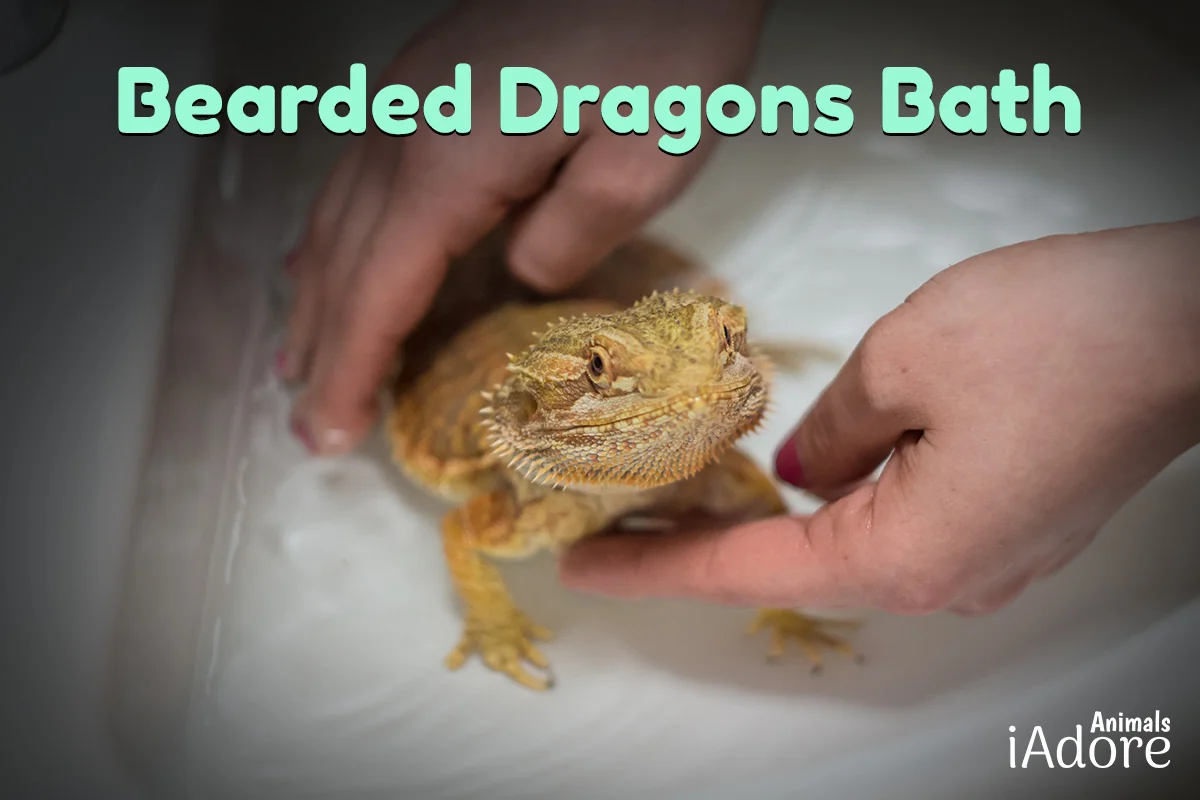
Grooming and hygiene are integral parts of bearded dragon care. Regular cleaning of the enclosure is essential to prevent the buildup of bacteria and parasites. Spot-clean daily, and perform a deep clean weekly, removing and sanitizing all surfaces. Provide a shallow water dish for bathing, and gently brush your dragon to remove loose scales. Ensure that the water is clean and that you replace it frequently. Routine hygiene is important not only for the health of your pet, but also for your own health and safety. Practice excellent hygiene to prevent the spread of bacteria and to keep your pet happy.
Understanding Bearded Dragon Behavior
Comprehending your bearded dragon’s behavior is key to building a strong bond and ensuring their emotional well-being. Advanced keepers are able to interpret the nuances of body language, understand their pet’s social needs, and create an environment that promotes happiness and reduces stress. This section covers the essential aspects of behavior, providing insight into your dragon’s communication methods and how to handle them properly. Knowing how your pet communicates will make it easier to provide the proper care.

Decoding Body Language
Bearded dragons communicate through a variety of body language cues. Learn to recognize these signals to understand your dragon’s needs and emotions. A puffed-out beard indicates excitement or aggression. Head bobbing is often a sign of dominance, while arm waving is a submissive gesture. A dark beard might indicate stress or a need to warm up. Flattening the body can be a sign of sunbathing or stress. Understanding these behaviors allows you to respond appropriately. The better you understand your pet’s body language, the better you will be able to care for it.
Handling and Socialization
Handling and socialization are important for creating a trusting relationship. Handle your bearded dragon gently and support its body. Start with short handling sessions and gradually increase the duration as your dragon becomes comfortable. Avoid sudden movements or loud noises. Never grab your dragon from above, as this can be perceived as a threat. Socialization includes allowing your dragon to explore safe environments outside its enclosure, under supervision. Regular, positive interactions can reduce stress and promote a happier, more well-adjusted pet. Consistent handling will help your pet bond with you.
Breeding Considerations
Breeding bearded dragons is a rewarding but complex undertaking. Advanced keepers considering breeding must be fully prepared for the responsibilities involved. This section covers essential aspects of breeding, from preparing for the process to caring for eggs and hatchlings. Breeding requires significant time, knowledge, and resources. The following information is essential if you are planning on breeding your pet.
Preparing for Breeding
Before breeding, ensure that your bearded dragons are healthy, with no genetic defects or illnesses. The female should be at least 18 months old and of adequate size. Prepare for the process by researching the specific needs of breeding dragons, including temperature and humidity requirements. Introduce the male and female, and monitor their interactions closely. Ensure the female has access to a suitable nesting site. Only breed dragons if you have the time, knowledge, and resources to care for the offspring properly. Be prepared to care for many babies at one time. Careful preparation will make the process much more successful.

Caring for Eggs and Hatchlings
After the female lays eggs, carefully incubate them at a temperature of around 82-86°F (28-30°C) in a suitable substrate. Monitor the humidity and provide proper ventilation. Once the eggs hatch, provide the hatchlings with the correct environment and nutrition. Hatchlings need a separate enclosure with proper lighting, heating, and a diet of insects, vegetables, and supplements. Ensure that the hatchlings have access to fresh water at all times. Be prepared to handle a large number of babies, and have a plan for their care and placement. Caring for hatchlings requires a significant investment of time and resources.
By embracing these advanced care tips, you will significantly enhance your ability to provide for your bearded dragon’s needs. Continuous learning, observation, and a commitment to providing the best possible environment are the keys to a thriving and rewarding relationship with your scaly companion. Your commitment to knowledge will translate into a healthy, happy, and long-lived bearded dragon. Enjoy the journey!