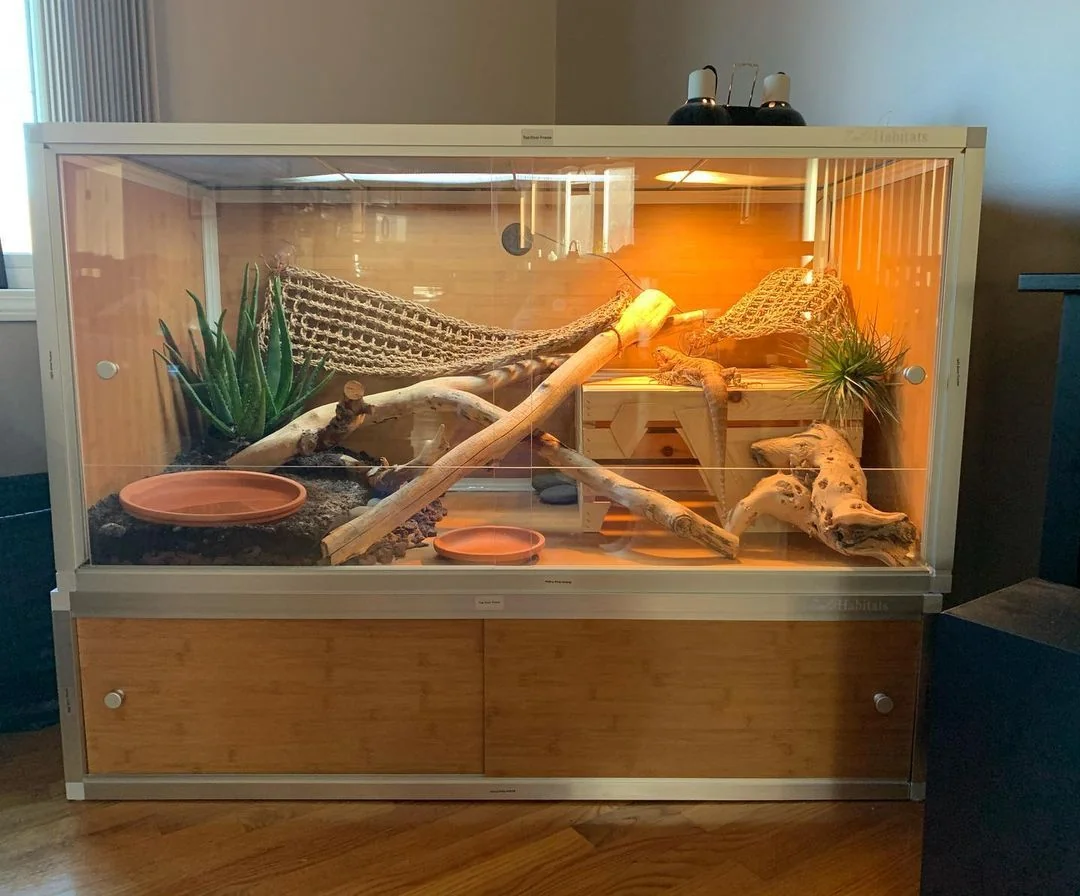
Understanding Bearded Dragon Lighting Needs
Bearded dragons, native to the arid regions of Australia, thrive under specific lighting conditions. These reptiles need a combination of UVB, UVA, and heat to maintain their health and well-being. Providing the right lighting is not just about visibility; it’s crucial for their physiological processes, including vitamin D3 synthesis, calcium absorption, and appetite regulation. A properly lit enclosure mimics their natural habitat, allowing them to exhibit natural behaviors, such as basking and thermoregulation, and preventing health issues like metabolic bone disease. Without the correct lighting, your bearded dragon can suffer a number of problems. Understanding the importance of these elements will help you create a thriving environment for your pet.
The Importance of UVB Lighting
UVB (ultraviolet B) lighting is arguably the most critical aspect of a bearded dragon’s lighting setup. UVB rays are essential for the production of vitamin D3 in their skin, which is vital for calcium absorption. Without adequate vitamin D3, bearded dragons cannot properly utilize calcium, leading to metabolic bone disease (MBD). MBD causes bone deformities, weakness, and can be fatal. UVB also plays a role in appetite stimulation and overall health. The strength and spectrum of the UVB bulb will affect the amount of UVB your bearded dragon receives. The specific requirements for UVB lighting depend on the type of bulb and the enclosure setup. Choose a bulb that is designed for reptiles, as they have specific UVB output levels that meet your pet’s needs. Ensure the bulb covers the entire length of your dragon’s enclosure for optimal exposure.
Choosing the Right UVB Bulb
Selecting the correct UVB bulb is crucial for your bearded dragon’s health. There are various types of UVB bulbs available, including fluorescent tube bulbs, compact fluorescent bulbs, and mercury vapor bulbs. Fluorescent tube bulbs, such as T5 or T8 bulbs, are often recommended due to their consistent UVB output over a wider area. T5 bulbs generally offer a higher UVB output and longer lifespan than T8 bulbs. Compact fluorescent bulbs can be a good option for smaller enclosures. Mercury vapor bulbs provide both UVB and heat, but they can produce intense UVB, so careful monitoring is essential. Consider the size of your enclosure and the distance between the bulb and your bearded dragon when choosing a bulb. Always check the manufacturer’s recommendations regarding bulb placement and replacement schedules. The intensity of the UVB output should be appropriate for your specific setup to provide optimal exposure without causing harm.
UVB Bulb Placement and Distance
Proper placement and distance of the UVB bulb are essential for ensuring your bearded dragon receives the correct amount of UVB exposure. The intensity of UVB decreases with distance, so it’s crucial to position the bulb at the appropriate height above the basking area. Follow the manufacturer’s guidelines for the specific bulb type, but as a general rule, fluorescent tube bulbs should be placed 12-18 inches away from the basking spot, and compact fluorescent bulbs may need to be closer. Mercury vapor bulbs often require a greater distance. Avoid placing the UVB bulb behind glass or plastic, as these materials can filter out a significant portion of the UVB rays. Use a UVB meter to measure the UVB output at the basking spot and adjust the bulb’s position as needed. Regular monitoring and adjustments help create an environment that promotes optimal health for your bearded dragon.
The Role of UVA Lighting
UVA (ultraviolet A) lighting is also important for bearded dragons. UVA rays contribute to their behavioral well-being, including appetite, activity levels, and reproductive behaviors. While UVB is crucial for physical health, UVA helps them perceive their environment in a more natural way. Many UVB bulbs also emit UVA, providing a convenient solution. Ensure that your chosen UVB bulb includes a sufficient amount of UVA. If your UVB bulb doesn’t provide UVA, you may need to add a separate UVA bulb. The combination of UVB and UVA helps create a stimulating and enriching environment, promoting both physical and psychological health. Consider UVA lighting when setting up your bearded dragon’s enclosure for a comprehensive lighting solution.
Heat and Temperature Requirements
Bearded dragons are ectothermic, meaning they rely on external heat sources to regulate their body temperature. Providing a proper temperature gradient within the enclosure is essential for their health and well-being. This gradient allows your bearded dragon to move between warm and cool areas, which is crucial for thermoregulation, digestion, and immune function. Without the proper temperature range, they can become sluggish, stop eating, and experience a weakened immune system. The basking spot should be the warmest area in the enclosure, with a temperature of around 100-110°F (38-43°C). The cool side of the enclosure should be kept at around 75-85°F (24-29°C). Use a thermometer to monitor temperatures in both the basking and cool areas, ensuring your bearded dragon can effectively thermoregulate and maintain proper health. Always use a thermostat to regulate heat sources and maintain consistent temperatures. Always monitor your bearded dragon’s behavior for signs of overheating or chilling.

Optimal Temperature Gradient for Bearded Dragons
Creating a proper temperature gradient is crucial for a healthy bearded dragon. The enclosure should have a warm basking spot, a moderately warm area, and a cooler area. The basking spot should be heated by a heat lamp, such as a basking bulb or a ceramic heat emitter. Ensure the basking spot is at the appropriate temperature (100-110°F or 38-43°C). The cooler end of the enclosure should be kept around 75-85°F (24-29°C). This temperature difference allows your bearded dragon to move between areas to thermoregulate. Ensure there is adequate space for your dragon to move around and find the temperature it needs. This setup will encourage healthy digestion, metabolism, and behavior. Use thermometers at both ends of the enclosure to monitor the temperatures consistently and to ensure a comfortable environment for your bearded dragon.
Basking Spot Essentials
The basking spot is a critical element of your bearded dragon’s enclosure. It needs to be warm, easily accessible, and provide an appropriate surface for basking. The basking spot should be heated by a heat lamp, with the temperature maintained at the recommended range. A flat, sturdy surface such as a rock, a piece of driftwood, or a commercially available basking platform works well. Ensure the basking spot is placed at the correct distance from the heat source to achieve the desired temperature. The basking spot should be a focal point where the dragon spends time absorbing heat and UVB rays. Use a reliable thermometer to accurately monitor the basking spot temperature, and make adjustments to the heat source as needed. Regularly inspect the basking spot to ensure it is secure and free from potential hazards that could cause injury to your bearded dragon.

Lighting Schedule and Duration
Mimicking a natural day-night cycle is important for the health and well-being of your bearded dragon. The ideal lighting schedule typically involves 12-14 hours of UVB and UVA exposure, followed by 10-12 hours of darkness. During the day, the UVB and UVA bulbs, as well as the heat lamp, should be turned on. At night, all lights should be turned off, allowing the enclosure to cool down. Using a timer to automate the lighting schedule can make it easy to maintain consistency. Avoid disrupting the day-night cycle, as it can negatively impact your bearded dragon’s sleep patterns and overall health. Regularly adjust the schedule based on the season, with slightly longer exposure during summer and shorter exposure during winter to reflect natural sunlight changes. Observe your bearded dragon’s behavior and adjust the schedule as needed to ensure it is getting adequate light and rest.
How to Adjust Lighting for Bright Enclosures
For enclosures that are already brightly lit, it’s important to consider the amount of natural light that is coming in and adjust your artificial lighting accordingly. Excessive light can be as harmful as too little light. If the enclosure receives a lot of direct sunlight, you may need to adjust the placement of the enclosure to avoid overheating, or you might need to reduce the intensity of your artificial lighting. In some cases, you might need to use a lower-wattage bulb. Monitor your bearded dragon for signs of stress or discomfort. If your dragon spends a lot of time hiding, or if it seems agitated, it might be a sign of excessive light exposure. If the enclosure receives minimal natural light, you will need to ensure that your artificial lighting provides sufficient UVB, UVA, and heat. Regular observation of your pet’s behavior and health can help you make proper adjustments.
Monitoring Lighting and Health
Regular monitoring of your bearded dragon’s lighting and overall health is essential. Use a thermometer and hygrometer to monitor the temperature and humidity levels in the enclosure. Check the UVB bulb regularly to ensure it is still emitting the correct amount of UVB radiation. Most UVB bulbs need to be replaced every 6-12 months, depending on the type and manufacturer’s recommendations. Observe your bearded dragon’s behavior for any signs of health issues. Look for symptoms of MBD, such as lethargy, bone deformities, and difficulty moving. Watch for signs of overheating or underheating. A healthy bearded dragon will be active, eat well, and bask regularly. If you notice any unusual behavior or health concerns, consult a veterinarian experienced with reptiles. Regularly monitor the enclosure and your dragon to ensure they are getting the care they need.

Signs of Insufficient Lighting

Insufficient lighting can manifest in a variety of signs and symptoms in your bearded dragon. The most common is a lack of appetite, which can lead to weight loss and overall poor health. A bearded dragon that is not receiving enough UVB will not be able to properly absorb calcium, leading to metabolic bone disease (MBD). Symptoms of MBD include lethargy, weakness, bone deformities, and difficulty moving. The dragon might spend excessive time hiding in the cooler areas of the enclosure and avoiding the basking spot. You might also observe changes in their skin color, such as dullness. If you notice these signs, immediately review your lighting setup and ensure your bearded dragon is getting enough UVB, UVA, and heat. It is crucial to address any deficiencies promptly to prevent further health problems.
Signs of Excessive Lighting
While sufficient lighting is vital, excessive lighting can be detrimental to a bearded dragon’s health as well. Overexposure to UVB, UVA, and heat can cause stress, dehydration, and even heatstroke. A bearded dragon may exhibit signs of stress, such as hiding in the shade or attempting to escape the enclosure. They might also spend less time basking and exhibit a decreased appetite. Overheating can lead to panting, open-mouth breathing, and lethargy. You might also observe changes in their skin color. If you notice these signs, you need to immediately assess your lighting and heat setup. Reduce the intensity of the heat source, provide more shade, and ensure the dragon has access to a cool area in the enclosure. Adjust the UVB and UVA exposure time. Providing appropriate lighting conditions is essential for keeping your bearded dragon healthy.
Troubleshooting Lighting Issues

Troubleshooting lighting issues requires a systematic approach. If you suspect a problem with your lighting setup, start by checking the bulbs. Ensure the UVB bulb is the correct type and has not expired. Check the heat lamp to make sure it is functioning correctly. Use a thermometer and hygrometer to verify that temperatures and humidity levels are appropriate. Observe your bearded dragon’s behavior and look for signs of insufficient or excessive lighting. If you suspect a problem with your lighting, you may need to experiment with different bulbs, adjust bulb placement, or change the lighting schedule. Consult with a veterinarian or reptile expert for guidance. Make sure to document any changes you make, so you can track the results and make adjustments as needed to create the best environment for your bearded dragon.
Common Lighting Mistakes to Avoid


There are several common lighting mistakes that reptile owners should avoid. One mistake is using the wrong type of UVB bulb or not replacing the bulb within the recommended timeframe. Another common mistake is improper bulb placement, which can lead to insufficient UVB exposure. Failure to create an appropriate temperature gradient is another mistake. Overlooking the importance of UVA lighting is also a mistake, as UVA is essential for behavioral well-being. Not monitoring the temperatures within the enclosure will also cause issues. It is also important to avoid using household light bulbs, as they do not provide the necessary UVB and UVA rays. Regularly research the lighting needs of your bearded dragon. By avoiding these common mistakes, you can create a healthy and enriching environment for your pet.