Selecting the Right Breeding Pair
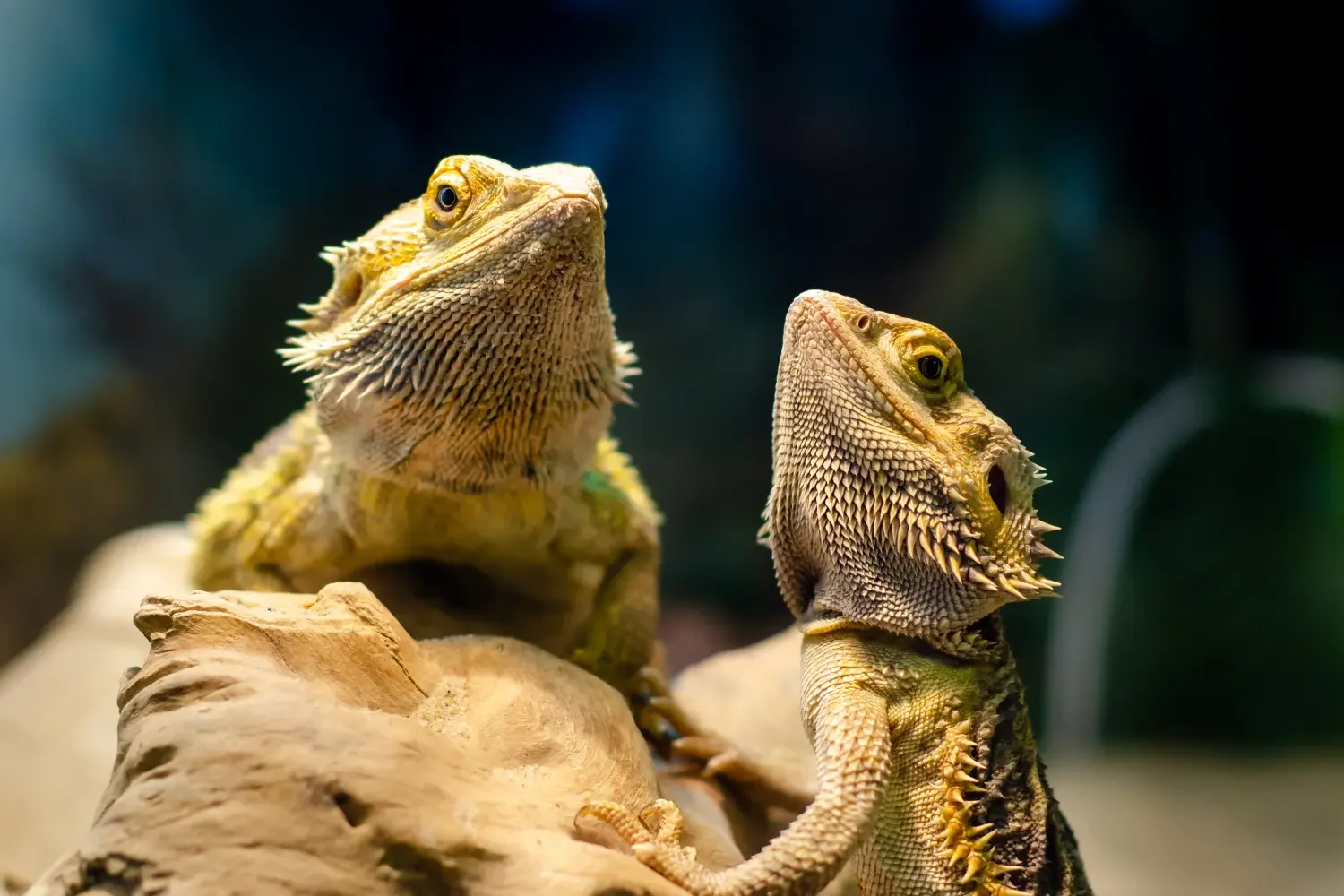
Successful bearded dragon breeding starts with selecting the right pair. Choosing healthy, well-cared-for dragons is crucial for producing healthy offspring. This involves careful observation and understanding of both male and female characteristics. Avoid breeding dragons with known genetic issues or health problems, as these can be passed on to the next generation. The age of the dragons is another important factor. Females should typically be at least 18 months old before breeding, and males should be sexually mature, usually around the same age. Both should be of appropriate size and weight for their breed, ensuring that they’re not underweight or overweight, as this can affect their reproductive capabilities. Prioritize animals that have been appropriately handled and well-socialized to ensure that both dragons will be comfortable in the breeding environment. Proper quarantine protocols will help to avoid any potential health problems before any attempts to breed, preventing unnecessary risks to the dragons.
Female Bearded Dragon Health
The health of the female bearded dragon is of paramount importance. A healthy female will be more likely to produce viable eggs and have a successful pregnancy. Before breeding, the female should be assessed for overall health. This includes a checkup by a qualified veterinarian, ensuring she’s free from parasites and diseases. Proper nutrition is essential; she should be fed a balanced diet of insects and vegetables, supplemented with calcium and vitamin D3. Calcium is particularly important for egg production, and a deficiency can lead to serious health problems. Observe her behavior for signs of good health such as being alert and responsive. Be sure that she has a healthy weight, and look for any signs of illness or stress, such as lethargy, loss of appetite, or abnormal droppings. Proper health contributes to her overall ability to reproduce, which will greatly improve her ability to carry and hatch eggs. Ensure that you provide her with optimal health to reduce the risk of complications, and to set her up for the best chance of a successful mating experience.
Signs of a Healthy Female

Identifying a healthy female is crucial. A healthy female will display a vibrant coloration, active behavior, and a good appetite. Her body condition should be ideal, with a well-filled tail and no signs of emaciation or obesity. Watch her for any signs of illness, such as labored breathing or discharge from the eyes or nose. Clear, bright eyes and a clean vent area are also indicators of good health. During the pre-breeding phase, a healthy female will be receptive to the male’s advances. She should be able to comfortably carry eggs, which is a significant physical demand, so ensure she is adequately fed and properly cared for. You should be looking for signs that she is comfortable within her environment and happy, with her being able to adapt, eat, and interact with her surroundings without any signs of stress. All of this is critical to the success of the breeding process.
Male Bearded Dragon Health
The male bearded dragon’s health is equally vital. A healthy male contributes to successful breeding by having high sperm count and motility. Like females, the male must undergo a vet checkup to ensure he is free of parasites and diseases. Good nutrition is also key for the male, including a balanced diet of insects, vegetables, and vitamin supplements. Observe his behavior for any signs of illness or stress, as these can indicate an underlying health problem. Healthy males are typically more active and exhibit mating behaviors such as head bobbing and beard darkening. Ensure he is of an appropriate size and weight for breeding, and look for signs of general vitality and alertness. It is important to prioritize his health to increase his success rate when breeding, as well as to produce the best possible offspring. A healthy male will also be more able to engage in the breeding process without issues.
Signs of a Healthy Male
Identifying a healthy male involves observing several key characteristics. The male should be alert, active, and show a keen interest in his surroundings. A healthy male will display vibrant coloration and a robust physique. He should exhibit the natural mating behaviors, such as head bobbing, beard darkening, and actively approaching the female. Ensure that he is free of any physical abnormalities or signs of injury. Healthy males have a good appetite and exhibit a normal, healthy digestive system. His overall energy levels should be high. Make sure that he does not have any signs of lethargy or listlessness, which can be indicators of an underlying health issue. A healthy male will be eager to mate and show a natural enthusiasm for breeding, which is crucial for conception and for having a successful breeding experience.
Creating the Perfect Breeding Environment
Creating the perfect environment is crucial for successful bearded dragon breeding. The ideal breeding environment replicates the dragons’ natural habitat, which will encourage their natural instincts and behaviors. This involves managing key environmental factors such as temperature, lighting, and humidity. Provide a spacious enclosure, which should be at least 4 feet long for adult dragons. It should provide ample space for both dragons to move around and interact comfortably. Proper substrate is also important, as this will help to regulate humidity and provide a suitable surface for the dragons. The placement of the enclosure should be in a quiet, low-stress area, away from excessive noise and disturbance. This is extremely important, as it enables the dragons to breed without being overwhelmed by external stimuli. The environment that you provide must be consistent in order to optimize the health of the dragons and provide them with the best opportunity for a successful breeding experience.
Temperature and Lighting Requirements
Temperature and lighting are vital aspects of the breeding environment. Bearded dragons are ectothermic, so they need external heat sources to regulate their body temperature. Maintain a temperature gradient within the enclosure, with a basking spot reaching 100-110°F (38-43°C) and a cooler side around 75-80°F (24-27°C). Use a high-quality UVB and UVA lamp to provide essential light for vitamin D3 synthesis and overall health. The UVB lamp should be replaced every six months as its effectiveness declines over time. Ensure the lights are on for 12-14 hours per day to mimic a natural day/night cycle. The correct temperature encourages mating behavior in both males and females, thus improving your chances of having a successful breeding experience. You must monitor the temperatures with a reliable thermometer to make sure that the environment is safe for your bearded dragons. Improper temperatures can cause complications, and can also have a negative impact on the overall health of the dragons.
Humidity Control
Humidity control is another important aspect of the breeding environment. Bearded dragons thrive in relatively low humidity levels, typically between 30-40%. Excessive humidity can lead to respiratory infections and other health issues. Monitor the humidity levels with a hygrometer, and adjust the environment accordingly. Ensure good ventilation in the enclosure to prevent humidity buildup, and consider using a substrate that does not retain too much moisture. Misting the enclosure a few times a week can help maintain optimal humidity levels, but avoid over-misting, as this can lead to issues. Humidity levels will be especially important during the female’s pregnancy, as this may require a slight increase in humidity. Regulating humidity in the bearded dragon enclosure is a crucial factor to ensure the overall health of your dragons, as well as maximizing the chances of a successful breeding experience.

The Breeding Process
The breeding process involves several key steps, from introducing the dragons to monitoring their interactions. The initial introduction should be carefully managed. The male and female should first be introduced to each other gradually, allowing them to get used to each other’s presence. Place the female in the male’s enclosure, under supervision to observe their behavior. If the female is receptive, she will typically display receptive behaviors such as head-bobbing and arm-waving. The male will approach the female, often displaying head-bobbing and darkening his beard. He will attempt to mount the female and try to secure himself. It’s important to understand that successful breeding can take time, and not every attempt will be successful. Provide ample time and allow them the ability to interact in a relaxed environment. Once the male has successfully mated with the female, she will become gravid (pregnant). Proper observation and care are critical throughout this stage. Keep a close eye on the female’s health and eating habits, as they will change throughout the course of her pregnancy.

Introducing the Dragons
Introducing the male and female bearded dragons is a crucial step in the breeding process. Before introduction, ensure both dragons are healthy and in ideal condition. Begin by placing the female into the male’s enclosure, as males can be territorial. Supervise their interaction closely for the first few hours, and be ready to intervene if there is any aggressive behavior, such as biting or excessive chasing. Observe the dragons’ behavior. The male typically displays head-bobbing and beard darkening as a courtship display. The female might be receptive and exhibit her own behaviors, such as arm-waving. Not all introductions will be immediately successful. If they show little interest or display signs of aggression, you can try again in a few days. Ensure that the environment is optimal for both dragons. The proper temperature, lighting, and humidity can influence their behavior. Once the dragons are together, provide a spacious enclosure with ample hiding spots, allowing them to retreat if they feel stressed. A successful introduction can create a favorable foundation for breeding.
Observing Mating Behavior
Observing mating behavior is essential for understanding the breeding process. The male will typically initiate the mating process through a series of displays. Head bobbing and beard darkening are common courtship behaviors. If the female is receptive, she will respond with her own behaviors. She may flatten her body and lift her tail. If the female is receptive, the male will mount her and attempt to secure himself. The mating process itself can be quick, but it is important to observe the entire interaction to make sure everything goes smoothly. Be prepared to intervene if the dragons exhibit any signs of aggression or distress. If the male does not mount the female, it could be due to a range of factors. The female might not be ready, or there might be other environmental factors causing issues. Careful observation ensures you can assess the success of the mating attempt and that you are prepared to support the female through her pregnancy. Pay close attention to the physical interactions between the dragons, and look for signs of successful mating.
Post-Mating Care
Post-mating care focuses primarily on the female, as she will undergo significant changes. Ensure she is receiving adequate nutrition and that she has access to a suitable laying box. Proper post-mating care will greatly increase the chances of successful breeding. After mating, the female will become gravid, or pregnant, and her body will change. Provide her with a well-balanced diet that is rich in calcium and vitamins. This will support egg production and ensure she has enough energy. Make sure she has a spacious, comfortable enclosure that is free from stress. Provide a laying box with suitable substrate, such as a mixture of sand and soil. This will allow her to lay her eggs safely. Monitor her behavior closely and watch for signs of egg-laying, such as digging or restlessness. Maintaining the female’s health and providing her with a suitable environment will maximize the chances of a successful pregnancy.
Caring for the Gravid Female
Caring for the gravid (pregnant) female requires special attention to her diet, environment, and overall well-being. During the pregnancy, her nutritional needs will increase. Provide a diet rich in calcium, vitamins, and protein to support the development of the eggs. Offer a variety of insects, vegetables, and supplements. Ensure that the laying box is ready. The laying box should be filled with moist substrate that the female can dig into. The substrate should be deep enough for her to comfortably lay her eggs. Keep a close eye on the female’s behavior and look for signs that she is ready to lay her eggs. This may include digging in the laying box, restlessness, or decreased appetite. Maintain the proper environmental conditions, including the appropriate temperature, lighting, and humidity levels. These factors will impact her overall health and will ensure she has the best chance of laying viable eggs. Providing the best care during her pregnancy will help reduce the risks associated with egg-laying, and ensure the best chance for your baby dragons to survive.
Preparing for Incubation and Hatching


Preparing for incubation and hatching involves setting up the equipment and preparing for the arrival of the eggs. You will need an incubator to keep the eggs at a consistent temperature and humidity level. An incubator is essential for the successful hatching of bearded dragon eggs. Place the eggs in an appropriate incubation medium, such as vermiculite or perlite, inside the incubator. The incubation medium should be kept moist, but not wet. Maintain the correct temperature and humidity levels inside the incubator. Proper temperature and humidity are crucial for successful hatching. Gather the necessary supplies for the hatchlings, including small enclosures, food, and water dishes. Being prepared will enable you to properly care for the new baby bearded dragons. Incubation typically takes around 55-75 days, but this can vary depending on the environmental conditions. Having a set plan will make sure that the entire process is streamlined and properly handled.
Incubation and Hatching
Incubation and hatching are crucial stages in the bearded dragon breeding process. The incubation process involves carefully managing the environmental conditions within the incubator. The incubation period for bearded dragon eggs is typically between 55-75 days. This period will be determined by several factors, including the incubation temperature and humidity levels. Monitoring and maintaining a stable environment is very important for successful hatching. The eggs should be placed in an incubation medium, such as vermiculite or perlite. This helps to maintain the appropriate humidity levels around the eggs. Humidity levels must be maintained, and the incubation medium must be kept moist throughout the incubation period. Avoid opening the incubator unnecessarily. The eggs should not be disturbed during incubation to minimize the risk of contamination. Carefully monitor the eggs, and look for signs that the hatchlings are ready to emerge.
Egg Incubation
Egg incubation is a critical part of the bearded dragon breeding process. The ideal incubation temperature range is between 82-86°F (28-30°C), as this contributes to the successful hatching of the eggs. Higher temperatures may lead to developmental abnormalities. Humidity levels should be maintained at approximately 70-80%. The eggs should be placed in an incubator that provides a stable environment. You should use an incubation medium such as vermiculite or perlite, as these help regulate humidity levels. The incubation medium should be kept moist, but not wet, throughout the incubation period. Regularly monitor the eggs for any signs of mold or other issues, as these can be detrimental to the developing hatchlings. The eggs should not be moved or rotated once they have been placed in the incubator. The hatching process can take several hours, and it is important to allow the hatchlings to emerge naturally. Once the hatchlings have fully emerged from their shells, you should remove the eggs from the incubator and relocate the hatchlings to a proper enclosure for babies.
Caring for Hatchlings

Caring for hatchlings requires a different approach than caring for adult bearded dragons. Once the hatchlings have fully emerged from their eggs, they will need to be moved to a clean enclosure. The hatchlings should be provided with appropriate food and water. A balanced diet of insects and small portions of vegetables will be needed for them. Hatchlings should have a diet that is supplemented with calcium and vitamin D3. Maintain the correct temperature and humidity levels in the hatchling enclosure. Young bearded dragons are very fragile and therefore require the proper care in order to thrive. Provide a small basking spot with appropriate UVB and UVA lighting. Monitor the hatchlings for any signs of illness or stress. Ensure they have access to fresh water at all times. Hatchlings typically eat several times a day. Ensure you are providing the correct amount of food, so that the hatchlings are not under or over fed. Consistent monitoring and providing the best environment will contribute to the health and success of your baby bearded dragons.