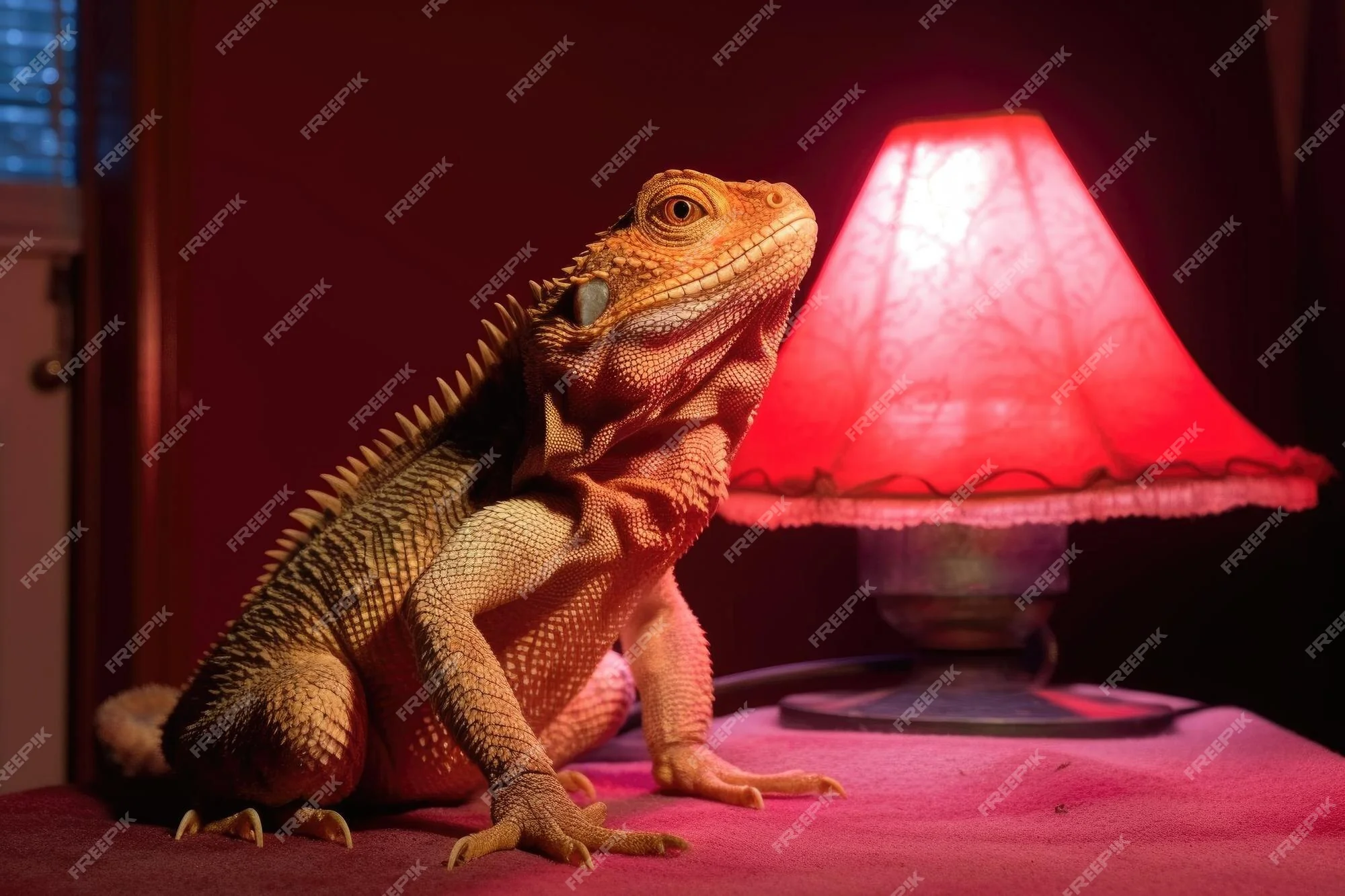
Understanding Bearded Dragon Basking Needs
Bearded dragons are ectothermic, meaning they rely on external heat sources to regulate their body temperature. Basking under a heat lamp is a crucial behavior for these reptiles, playing a vital role in their overall health and well-being. Proper basking light positioning is not just about providing warmth; it’s about creating a complete and balanced environment that mimics their natural habitat. The correct setup ensures your bearded dragon can thrive, allowing them to perform essential bodily functions and enjoy a long, healthy life. Failing to provide the right basking conditions can lead to a variety of health problems, from digestive issues to metabolic bone disease, making understanding and implementing the correct basking light setup absolutely essential.
Why Proper Basking Light is Crucial
The importance of a well-positioned basking light extends far beyond simply keeping your bearded dragon warm. It directly impacts several critical aspects of their physiology. Proper basking allows them to maintain optimal body temperature, which in turn affects their metabolism, immune system, and activity levels. Without the right basking conditions, bearded dragons can become lethargic, lose their appetite, and become more susceptible to diseases. Investing time and effort in understanding and implementing the correct basking setup is an investment in your pet’s long-term health and happiness. The correct basking light placement is key to ensuring a healthy and thriving bearded dragon. Image bearded-dragon-basking.webp

Impact on Digestion

Digestion is a crucial process for bearded dragons, and it is directly linked to their body temperature. When a bearded dragon basks, the heat helps to activate their digestive enzymes. This allows them to break down food efficiently and absorb vital nutrients. Without adequate heat from a properly positioned basking light, their digestion slows down, which can lead to constipation, bloating, and even impaction, a potentially fatal condition. By maintaining the correct basking spot temperature, you ensure that your bearded dragon’s digestive system functions optimally, allowing them to get the most out of their food and remain healthy. Image bearded-dragon-terrarium.webp
Importance for Vitamin D3 Synthesis
Vitamin D3 is essential for bearded dragons to absorb calcium, which is critical for bone health and overall metabolic function. Bearded dragons synthesize Vitamin D3 when exposed to UVB light. While UVB bulbs are crucial, the basking spot provided by the heat lamp encourages the dragon to bask, exposing them to the UVB rays. Proper basking light placement also ensures the dragon’s body temperature is within the optimal range for D3 conversion. Without sufficient Vitamin D3, bearded dragons can develop metabolic bone disease, leading to fragile bones, paralysis, and even death. It is important to understand how the basking light, combined with the UVB light, contributes to your dragon’s health. Image bearded-dragon-uvb.webp
Factors Influencing Basking Light Placement
Several factors influence the optimal positioning of your bearded dragon’s basking light. These considerations are crucial to creating a safe and effective heat source for your pet. It is very important to understand how terrarium size, bulb wattage, and basking spot distance influence your bearded dragon’s health. Proper placement is not a one-size-fits-all solution, as you will need to adjust the setup based on these key variables to ensure the right temperature and safety for your dragon. Understanding these factors helps to provide a balanced and healthy environment for your reptile. Image basking-light-types.webp

Terrarium Size and Shape
The size and shape of your terrarium will significantly impact how you position the basking light. A larger enclosure requires a more powerful bulb or a different placement strategy to achieve the desired temperature gradient. The shape also matters; taller tanks may require different placement compared to wide, shallow ones. The goal is to create a warm basking spot, a cooler side for thermoregulation, and a stable temperature gradient throughout the enclosure. Adjusting the light’s position and wattage is important to achieve the optimal temperatures in each area of the tank. Always monitor temperatures and adjust as needed to ensure the environment meets your dragon’s needs.
Distance from Basking Spot

The distance between the basking light and the basking spot is critical for achieving the correct basking temperature. The closer the light, the higher the temperature, and vice versa. You will need to experiment and monitor the temperature using a digital thermometer to find the correct distance. A good starting point is to position the light approximately 12-18 inches above the basking surface, but this can vary depending on the bulb’s wattage. Constant monitoring and adjustment of the basking light’s distance are crucial to maintain the correct temperature for your bearded dragon’s well-being. Image thermometer-bearded-dragon.webp
Wattage of the Bulb
The wattage of your basking bulb is a key factor in determining the heat output and, consequently, the basking spot temperature. Higher wattage bulbs generate more heat, which can be beneficial in larger enclosures or cooler environments, but they also pose a greater risk of overheating if not managed correctly. Lower wattage bulbs are suitable for smaller tanks or warmer rooms. Always select the appropriate wattage for your enclosure size and the ambient room temperature. Regularly check the temperature gradient and adjust the bulb wattage or placement accordingly to maintain the proper temperature range for your bearded dragon. Image basking-spot-temperature.webp
Types of Basking Bulbs and Their Placement
Choosing the right type of basking bulb is crucial for your bearded dragon’s health and well-being. There are several types available, each with its specific characteristics and optimal placement guidelines. Understanding the benefits and drawbacks of each type will help you make an informed decision. The choice of bulb will affect the heat and UVB output, influencing the best placement to create a suitable and healthy environment for your pet. Careful selection and positioning of the bulb are vital for proper function and avoiding potential health issues. Image bearded-dragon-health.webp
Incandescent Bulbs

Incandescent bulbs are the most common and affordable type of basking light. They emit both heat and some visible light. While they are readily available, they may not always provide the best spectrum of light. They can also burn out relatively quickly, requiring frequent replacement. When using incandescent bulbs, it’s essential to monitor the temperature closely, as they can generate intense heat, especially in smaller enclosures. Proper placement is critical to prevent burns and ensure the correct temperature gradient.
Halogen Bulbs
Halogen bulbs are known for their focused heat output and brighter light compared to standard incandescent bulbs. They are generally more energy-efficient and can last longer. The concentrated heat from halogen bulbs can create a more defined basking spot, making them suitable for creating a specific temperature gradient. When positioning halogen bulbs, it’s important to be mindful of the intense heat produced and ensure the basking spot temperature remains within the recommended range. Monitor your bearded dragon’s behavior to ensure they are not getting too hot. The proper positioning can deliver a perfect basking spot.
Mercury Vapor Bulbs
Mercury vapor bulbs combine heat and UVB radiation in a single bulb. They are convenient for providing both essential elements, simplifying the setup. However, they can be more expensive, and it’s important to choose a bulb with the appropriate UVB output for your bearded dragon. It is important to correctly place them within the terrarium to ensure the animal receives the necessary UVB exposure. The distance from the basking spot is especially important to prevent eye damage or overexposure to UVB rays. Always follow the manufacturer’s guidelines for placement and consider using a UVB meter to ensure adequate levels of radiation. These bulbs must also be replaced regularly to maintain effective UVB output.
How to Correctly Position the Basking Light

Correct positioning of the basking light involves several key steps to create the ideal environment for your bearded dragon. Achieving the right temperature and ensuring safety requires careful planning and regular monitoring. The goal is to create a specific temperature gradient within the enclosure. Follow these steps to create the perfect basking spot, and ensure your dragon thrives. Regularly evaluate and adjust the setup to accommodate your pet’s needs and ensure their continued health. Image basking-light-placement-mistakes.webp
Measuring the Basking Spot Temperature

Use a digital thermometer with a probe to accurately measure the temperature of the basking spot. Place the probe directly on the basking surface, ensuring it’s in the area where your bearded dragon will be spending most of its time. The ideal basking spot temperature is typically between 95-110°F (35-43°C) for adults, and slightly warmer, 100-115°F (38-46°C), for juveniles. Monitor the temperature regularly throughout the day, especially during the first few days after setting up the light. Adjust the distance and wattage of the bulb as needed to maintain the desired temperature range. Consistency is key to providing a safe and healthy environment.
Adjusting the Height for Optimal Temperature
Once you know the desired temperature range, adjust the height of the basking light to achieve it. Start with a distance of about 12-18 inches above the basking spot and then monitor the temperature. If the basking spot is too hot, raise the light. If it’s not warm enough, lower the light. Make small adjustments and allow enough time for the temperature to stabilize before making further changes. Continue to monitor the temperature regularly to ensure the basking spot temperature remains within the ideal range. This step-by-step approach helps you fine-tune the setup to create the perfect basking conditions for your bearded dragon.
Using a Thermostat for Safety
Using a thermostat is a vital safety measure to prevent overheating and ensure the health and well-being of your bearded dragon. A thermostat monitors the temperature and regulates the power to the basking light, preventing it from exceeding a safe threshold. Set the thermostat to the maximum temperature your bearded dragon should experience in the basking spot. If the temperature exceeds the set point, the thermostat will automatically reduce the power to the bulb, preventing burns and other heat-related issues. This is an important safety precaution that gives you peace of mind knowing your pet is always safe. It’s important to select a thermostat that’s compatible with your chosen basking light type. Always check the manufacturer’s instructions to ensure proper installation and use.
Common Mistakes in Basking Light Placement
Avoiding common mistakes is essential for providing a safe and healthy environment for your bearded dragon. Many errors in basking light placement can lead to serious health problems if left unaddressed. These mistakes can be easily avoided with careful planning and by following some basic best practices. Learning to identify and prevent these errors helps safeguard your dragon and keeps them healthy. Be aware of these frequently made errors and ensure they aren’t a part of your setup.
Light Too Close or Too Far
One of the most common mistakes is placing the basking light either too close or too far from the basking spot. If the light is too close, the basking spot becomes excessively hot, which can lead to burns, dehydration, and heat stress. If the light is too far, the basking spot will not be warm enough, preventing the bearded dragon from reaching its optimal body temperature and hindering essential processes like digestion and vitamin D3 synthesis. It is crucial to follow the manufacturer’s recommendations, and to regularly monitor temperatures with a reliable thermometer to make sure the light is the right distance.
Incorrect Temperature Gradient
Another frequent mistake is failing to establish the correct temperature gradient within the terrarium. A proper gradient means there are varying temperatures throughout the enclosure, with a hot basking spot, a moderate ambient temperature, and a cooler area. Without this gradient, the bearded dragon cannot thermoregulate, meaning it can’t move to a cooler area if it gets too hot, or bask for more heat when needed. Providing a proper temperature gradient enables your dragon to maintain a comfortable and healthy body temperature.
Lack of UVB Exposure
Many owners may overlook the importance of UVB exposure, which is as crucial as heat. UVB light is essential for vitamin D3 synthesis, which facilitates the absorption of calcium. Without sufficient UVB, bearded dragons can develop metabolic bone disease. The basking light alone is usually not enough to provide enough UVB. The UVB bulb must be placed correctly and replaced every 6-12 months. Ensure both the heat and UVB sources are compatible and placed appropriately within the terrarium, so your bearded dragon has both the warmth and UVB it needs to thrive. Image basking-light-placement-mistakes.webp
Maintaining Optimal Conditions
Maintaining optimal conditions for your bearded dragon involves ongoing care and regular checks. Regularly monitoring the temperature, replacing bulbs, and making any necessary adjustments will ensure your pet’s continued health and happiness. The goal is to create a stable and beneficial environment for your dragon, and this section provides the critical steps to do so.
Regular Bulb Replacement
All bulbs, whether they are heat lamps or UVB bulbs, have a lifespan, and their effectiveness diminishes over time. Regularly replace the bulbs according to the manufacturer’s recommendations. Heat lamps typically last longer, while UVB bulbs have a shorter lifespan (usually 6-12 months, depending on the brand). Replace the bulbs before they burn out, as this ensures consistent heat and UVB output. Mark the replacement date on the bulb to track the usage and ensure the dragon gets the light it needs for optimal health. Setting a reminder on your calendar can also help.
Monitoring and Adjusting
Regularly monitor your bearded dragon’s behavior and the temperature in the enclosure. Observe whether your dragon is basking for the appropriate amount of time, and ensure it is not staying in the basking spot constantly, or avoiding it altogether. Use a digital thermometer to check the basking spot temperature and ambient temperature. If you notice any changes in your dragon’s behavior or the temperature, make adjustments to the basking light’s position, wattage, or the surrounding environment. Consistency and vigilance are vital to ensure a comfortable and healthy habitat for your bearded dragon, helping them live a long and healthy life.