The Importance of Water Dish Maintenance for Bearded Dragons
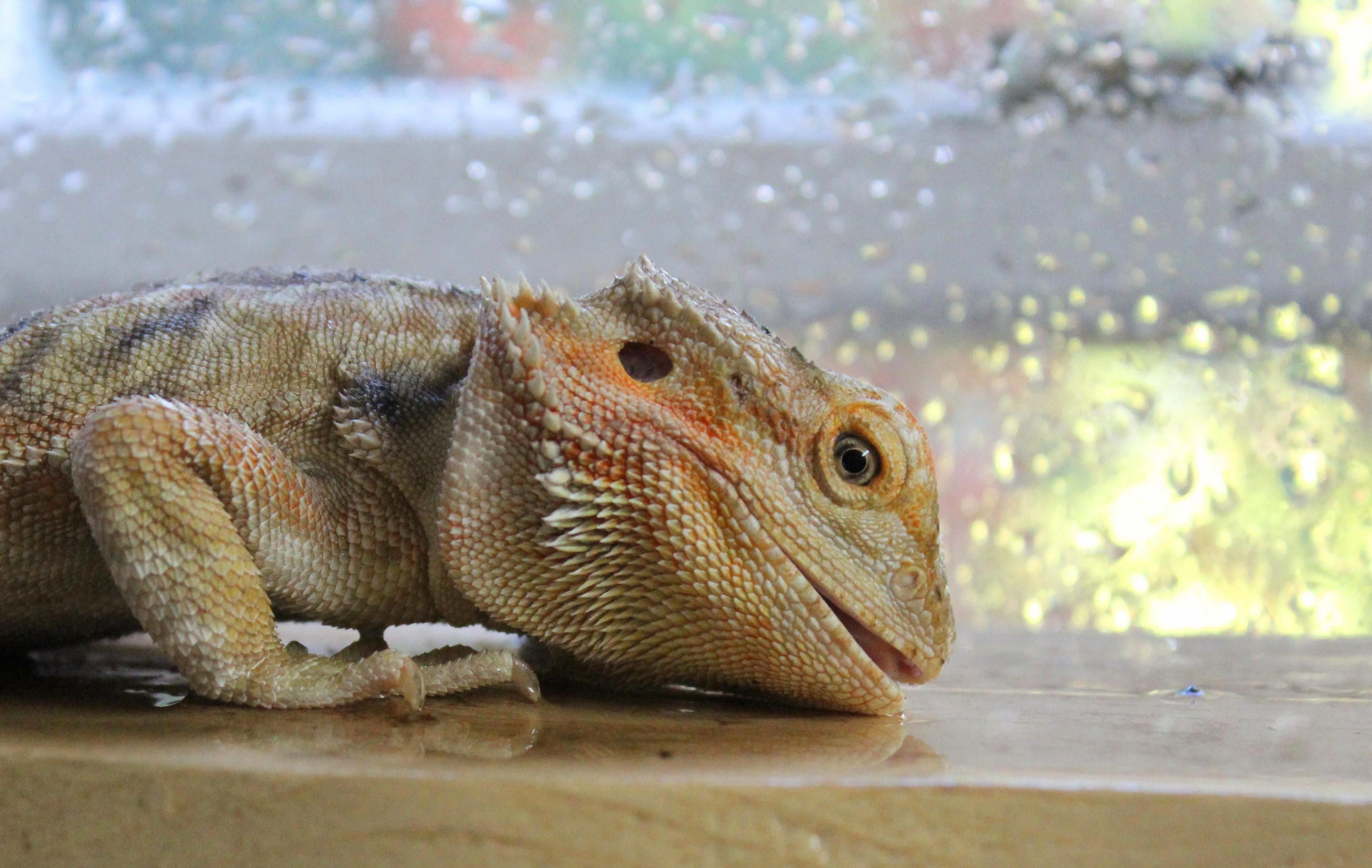
Maintaining a clean water dish is absolutely crucial for the health and well-being of your bearded dragon. Far from being a mere convenience, the water dish serves as a primary source of hydration, a crucial element for these desert-dwelling reptiles. Regular, meticulous maintenance ensures your dragon receives fresh, clean water, significantly impacting its overall health. This guide delves into the ‘why’ and ‘how’ of proper water dish upkeep, providing a comprehensive understanding of this vital aspect of bearded dragon care. Neglecting this can lead to serious health issues, emphasizing the importance of consistent care.
Why Clean Water Matters for Bearded Dragons
Bearded dragons, native to arid environments, are masters of conserving water. However, they still require regular access to fresh, clean water to thrive. Clean water promotes proper digestion, supports healthy skin shedding, and regulates body temperature. A dirty water dish, conversely, can quickly become a breeding ground for harmful bacteria and algae. These microorganisms can make your bearded dragon very ill. Regular water dish maintenance directly supports your dragon’s immune system, making it more resistant to diseases.

Preventing Dehydration in Your Dragon
Dehydration is a serious threat to bearded dragons, and a readily available, clean water source is their first line of defense. They absorb water through drinking, but also through their skin and even through the air to a small degree. Ensuring your dragon has access to clean water at all times is paramount. Dehydration can lead to lethargy, sunken eyes, and, in severe cases, organ failure. Proper water dish maintenance, combined with appropriate humidity levels, forms the foundation of good hydration management for your pet. Providing fresh water on a daily basis helps avoid these potentially fatal conditions. In addition to providing fresh drinking water, you can also offer fresh, hydrating foods such as kale, and other vegetables.
Common Problems with Dirty Water Dishes
Dirty water dishes are hotspots for various problems, ranging from unpleasant odors to serious health hazards. Stagnant water provides the ideal environment for bacteria and algae to flourish. These contaminants can rapidly multiply, contaminating the water and posing risks to your dragon. Regular cleaning, with the right solutions, helps prevent the build-up of harmful substances and supports the overall health of your dragon. Addressing these issues quickly is key to preventing more serious health problems.
Signs of a Dirty Water Dish

A dirty water dish often shows clear signs of neglect. Algae growth, characterized by a green or brown slimy coating, is a common indicator. You might also notice debris, such as shed skin, food particles, or substrate, accumulating in the water. The water itself may appear cloudy or discolored, and an unpleasant smell is often present. These signs indicate the need for immediate cleaning. Recognizing these visual and olfactory cues is the first step in ensuring your bearded dragon has access to clean water.
Potential Health Risks
The risks associated with a dirty water dish are significant. Bacteria and algae can cause gastrointestinal upset, leading to diarrhea, loss of appetite, and dehydration. In more severe cases, infections can develop, requiring veterinary treatment. Ingesting contaminated water can also weaken your dragon’s immune system, making it more susceptible to other illnesses. Regular cleaning and disinfection minimize these potential health threats, safeguarding your dragon from preventable diseases. Always clean the water dish with reptile-safe products.
Step-by-Step Water Dish Cleaning Guide
Following a systematic cleaning routine is the best way to ensure your bearded dragon’s water dish remains hygienic. This step-by-step guide provides clear instructions on how to clean your dragon’s water dish effectively and safely. By dedicating a few minutes to this task regularly, you can significantly enhance your reptile’s health and well-being. Using the right cleaning solutions and following the correct procedures is essential for optimal results. Consistent application of this guide will allow you to keep your dragon safe from pathogens in the water dish.
Gathering Your Supplies
Before you begin cleaning, gather all the necessary supplies. You’ll need a reptile-safe cleaning solution, such as a diluted chlorhexidine solution or a commercial reptile cleaner. Also have a separate container or bowl for rinsing, a soft sponge or cloth, and paper towels or a clean towel for drying. Avoid using harsh chemicals, such as bleach, which can be toxic to your dragon. Having all your supplies within easy reach will make the cleaning process more efficient.
Cleaning Solutions to Use


Choosing the right cleaning solution is vital for your bearded dragon’s safety. While a mild soap is often recommended, it must be thoroughly rinsed to avoid any residue. Alternatively, reptile-specific cleaners are readily available and formulated to be safe for reptiles. These cleaners often contain disinfectants that kill bacteria and algae. Never use harsh chemicals or strong detergents, as these can be harmful if ingested by your dragon. Always follow the instructions on the cleaner’s label, and rinse the dish thoroughly after cleaning.
Step 1 Removing the Old Water and Debris
Start by removing the water dish from the enclosure. Pour out the old water, and discard any visible debris, such as food particles or shed skin. You can use a small net or your fingers to remove larger pieces of debris. Be sure to dispose of the water and debris properly. Before beginning, always make sure that your bearded dragon is safe, and not in the direct reach of your cleaning products.
Step 2 Cleaning the Water Dish Thoroughly
Apply your chosen cleaning solution to the water dish. Using a soft sponge or cloth, scrub the inside and outside of the dish, paying close attention to any areas with algae or build-up. Ensure you reach every corner and crevice. If any stains persist, let the cleaner sit for a few minutes before scrubbing again. Rinse any residue with clean water thoroughly, following the instructions on the label. Ensure that all sides of the dish are fully cleaned, to ensure a hygienic environment for your beardie.
Step 3 Rinsing and Drying the Dish
After cleaning, rinse the water dish thoroughly with clean water to remove all traces of the cleaning solution. Any remaining residue can be harmful to your dragon. Ensure the rinsing process is thorough to remove any remaining cleaning solution. Then, dry the dish completely using paper towels or a clean, dry towel. This prevents bacterial growth and ensures the water stays fresh. Ensuring that there are no cleaning product residues ensures that your dragon won’t get sick.
Step 4 Refilling with Fresh Water
Once the dish is completely clean and dry, refill it with fresh, clean water. Use dechlorinated water or bottled spring water to provide the best hydration for your dragon. Avoid tap water, as it can contain harmful chemicals. Place the water dish back in your dragon’s enclosure in the same location you removed it from. A clean water dish helps prevent potential issues from bacteria and other contagions.
Choosing the Right Water Dish
Selecting the right water dish is just as important as cleaning it. The dish should be sturdy, stable, and easy to clean. The material and placement of the dish can significantly impact your dragon’s water consumption and the ease of maintenance. Careful consideration of these factors contributes to a healthier and more comfortable environment for your reptile.
Material Matters
Water dishes come in various materials, and some are better suited for bearded dragons than others. Ceramic or glass dishes are excellent choices due to their non-porous surfaces, which resist bacterial growth and are easy to clean. Avoid porous materials, such as terracotta, as they can harbor bacteria. Plastic dishes are an option, but ensure the plastic is food-grade and safe for reptiles. Choose a dish that is durable and won’t tip over easily.
Size and Placement
The size of the water dish should be appropriate for your dragon’s size. It should be shallow enough for your dragon to easily access the water, but not so shallow that it evaporates quickly. The water dish should be placed in a location where it won’t be easily overturned, away from direct heat sources to prevent rapid evaporation. Positioning the dish in a cooler part of the enclosure can help maintain the water’s freshness. Make sure your dragon always has easy access to the water, and the water is always clean.

Water Dish Maintenance Schedule
Establishing a regular maintenance schedule is key to keeping your bearded dragon’s water dish clean and providing fresh hydration. Consistency helps prevent problems before they arise, ensuring your dragon’s water source remains safe and hygienic. Adhering to this schedule contributes to the overall health and happiness of your pet.
Daily Tasks
Every day, check your bearded dragon’s water dish. Remove any debris and top off the water if needed. This includes removing any shed skin, food particles, or substrate that may have gotten into the water. A quick visual inspection will help you catch any early signs of contamination. If you notice any cloudiness or discoloration, replace the water immediately. This is a quick check that will help keep your dragon healthy.
Weekly Deep Cleaning
Once a week, perform a thorough cleaning of the water dish, following the step-by-step guide provided above. This deep clean helps to remove any build-up of bacteria, algae, or other contaminants. This is when you’ll use the reptile-safe cleaning solution to disinfect the dish. A weekly deep cleaning routine will help keep your dragon safe from any potential illness from a dirty water dish.
Monitoring and Observation
Regular monitoring and observation of your bearded dragon’s water dish are essential for maintaining its cleanliness and ensuring your dragon stays healthy. By regularly checking the water dish for potential issues and taking appropriate action, you can create a safe and healthy environment for your reptile. Paying close attention to the water and the dragon will provide early indications of any potential health problems.
Identifying Potential Issues
Look out for any unusual changes in the water dish or your bearded dragon. If you notice any algae growth, a foul odor, or if the water appears cloudy, clean the dish immediately. Also, observe your dragon’s behavior. If your dragon is not drinking or seems lethargic, check the water dish and consult with a veterinarian. Be observant, and be prepared to call the vet at any time.
Addressing Algae and Bacteria
If you find algae or bacteria in the water dish, clean it immediately using a reptile-safe cleaner. Ensure that you thoroughly rinse the dish after cleaning to remove any cleaning solution residue. Consider placing the water dish in a location with less direct light to reduce algae growth. If the problem persists, consult with a veterinarian or reptile expert. The right cleaner and correct practices will eliminate this problem.
Maintaining Optimal Humidity Levels
While this article focuses on water dish maintenance, remember that humidity also plays a crucial role in bearded dragon health. Ensure your dragon’s enclosure has the proper humidity levels, typically between 30% and 40%. Use a hygrometer to monitor humidity and make adjustments as needed. The water dish also contributes to humidity, especially in dry environments, but it’s not a primary source of humidity. Ensuring the proper humidity, combined with water maintenance, is important to prevent respiratory problems. A healthy reptile will benefit from proper water and humidity management practices.


In conclusion, maintaining a clean water dish is a fundamental aspect of bearded dragon care. Regular cleaning, the right supplies, and consistent observation will ensure your dragon remains hydrated and healthy. By following the guidelines in this article, you can create a thriving environment for your beloved reptile. Providing a clean and safe water source is one of the best things you can do for your bearded dragon.