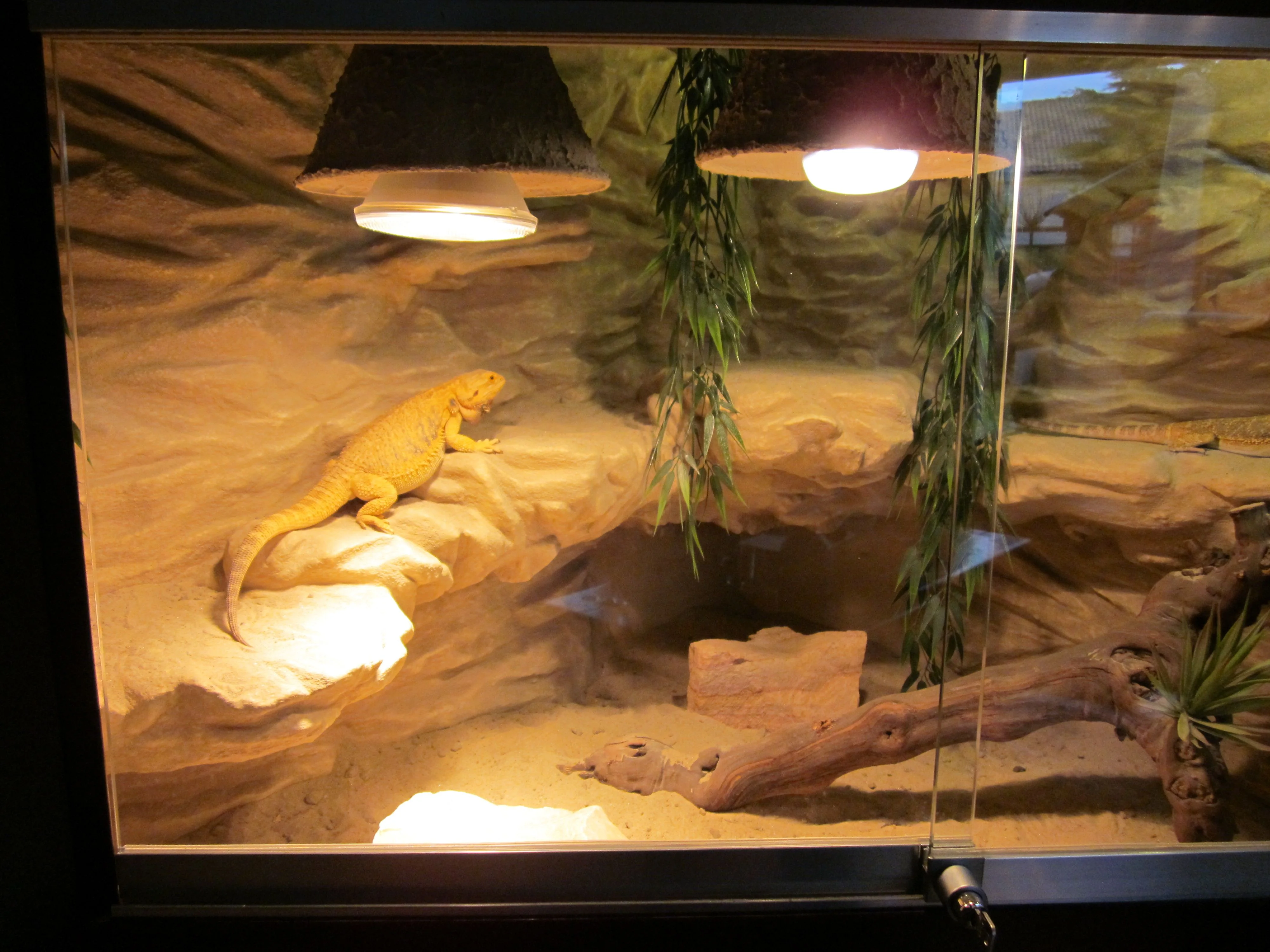
Choosing the Right Vivarium Size for Your Bearded Dragon
Creating a natural and enriching habitat for your bearded dragon starts with selecting the right vivarium. The size of the vivarium is crucial for your dragon’s health and well-being, allowing them ample space to move, bask, and explore. A juvenile bearded dragon can start in a 40-gallon breeder tank, but they will quickly outgrow this. A full-grown adult bearded dragon needs a minimum of a 4ft x 2ft x 2ft enclosure. This provides enough room for proper temperature gradients, multiple basking spots, and a variety of enrichment items. An oversized vivarium is always better than undersized. Ensure that the vivarium allows for comfortable movement and provides a sense of security for your pet, promoting a healthy and stress-free life.
Factors to Consider When Selecting a Vivarium
Several factors come into play when choosing a vivarium. First and foremost, consider the adult size of your bearded dragon. Research the specific breed, as some can grow larger than others. Secondly, assess the available space in your home. The vivarium needs to fit comfortably without crowding the room. Ventilation is another critical factor; ensure the enclosure has adequate airflow to prevent the buildup of humidity and stale air. The vivarium should have secure locks to prevent escape. Consider the ease of cleaning and maintenance, opting for materials that are easy to disinfect and clean. Finally, think about the future, investing in a vivarium that will accommodate your bearded dragon throughout its life cycle is a worthwhile long-term investment.
Glass vs. PVC Vivariums
The material of the vivarium impacts both aesthetics and functionality. Glass vivariums are popular due to their transparency, allowing you to easily view your pet. However, they can be less effective at retaining heat and humidity, requiring more powerful heating and lighting systems. PVC (Polyvinyl Chloride) vivariums are a great alternative, they are lightweight, durable, and excellent at insulation, helping to maintain consistent temperatures and humidity levels. PVC is also less prone to shattering than glass and often easier to clean. While PVC vivariums may be less visually appealing than glass, their superior performance in terms of temperature and humidity control makes them a preferred choice for many reptile keepers, contributing to a more stable and natural environment for your bearded dragon.
Essential Bearded Dragon Vivarium Decoration Elements
Decorating your bearded dragon’s vivarium is a fun process, you must create an environment that mimics their natural habitat, which is crucial for their physical and psychological well-being. This involves selecting the right substrate, creating a naturalistic background, providing appropriate basking spots, and incorporating live plants. These elements work together to provide a safe, stimulating, and enriching habitat for your bearded dragon. The ultimate goal is to replicate their natural desert environment, which will promote healthy behaviors and reduce stress, allowing your bearded dragon to thrive in its captive environment. A well-decorated vivarium can significantly enhance your pet’s quality of life and your enjoyment of owning them.

Substrate Selection for a Natural Vivarium
Choosing the right substrate is a critical element of creating a naturalistic vivarium. The substrate forms the base of the habitat, providing a comfortable surface for your bearded dragon to walk and bask on. More importantly, it affects the humidity levels and the overall cleanliness of the vivarium. The ideal substrate should mimic the natural environment of bearded dragons, which is a semi-arid, desert-like habitat. A proper substrate supports natural behaviors, like digging, and contributes to the aesthetic appeal of the vivarium, enhancing the natural look that you’re aiming to achieve.
Choosing the Right Substrate
When selecting a substrate, prioritize safe, and non-toxic options. The best choices typically include a mix of play sand and organic topsoil, which mimics the natural substrate found in their native environment. Avoid substrates that can be easily ingested and lead to impaction, such as calcium sand. Reptile carpet is another option, but it may not be as naturalistic or as effective at maintaining humidity. Paper towels or newspaper can be used temporarily, but they don’t offer the same enrichment value as more natural substrates. Consider substrates like tile or slate as a basking surface, as they retain heat well and are easy to clean. Always prioritize substrates that are safe, support natural behaviors, and contribute to an overall healthy environment for your bearded dragon.
Pros and Cons of Different Substrates
Different substrates come with their own set of advantages and disadvantages. A sand and soil mix provides a naturalistic environment, promotes digging behavior, and helps to maintain humidity. However, it can be dusty and difficult to clean. Reptile carpet is easy to clean and maintain, but it doesn’t allow for digging and might harbor bacteria if not cleaned regularly. Paper towels and newspaper are safe and easy to replace, but they do not offer enrichment. Calcium sand can cause impaction if ingested, making it a less desirable choice. Tile or slate are hygienic and easy to clean, but they lack the natural look and feel of other substrates. Evaluate the pros and cons of each substrate, considering the needs of your bearded dragon, ease of maintenance, and the overall aesthetic you are trying to achieve in your vivarium.
Creating a Naturalistic Background and Decor
Creating a naturalistic background and incorporating décor elements will significantly enhance the look and functionality of your bearded dragon’s vivarium. A well-designed backdrop adds depth and mimics the natural environment, reducing stress for your dragon. The décor provides essential enrichment, offering climbing opportunities, hiding places, and varied textures to explore. By carefully selecting and arranging these elements, you create an engaging and stimulating habitat that closely resembles their native desert environment, promoting their natural behaviors and keeping your pet happy and healthy. These decorations are critical for the overall well-being of your bearded dragon.

Using Rocks and Basking Spots
Rocks and basking spots are vital components of a naturalistic vivarium. Carefully chosen rocks can create a natural, layered environment. They provide opportunities for climbing, basking, and exploration. A large, flat rock is ideal for a basking spot, where your bearded dragon can regulate its body temperature. Ensure the rocks are securely placed to prevent any accidents. The basking spot should be under a heat lamp, allowing the dragon to absorb the necessary heat. Consider using slate or flagstone, as they retain heat effectively and provide a natural look. Regularly check and clean these elements to maintain hygiene and ensure the safety of your bearded dragon. The strategic placement of rocks and basking spots is crucial to the health and well-being of your pet.
Optimal Basking Temperatures for Bearded Dragons


Maintaining the correct basking temperature is critical for your bearded dragon’s health. A basking spot should reach temperatures between 95-110°F (35-43°C), allowing the dragon to effectively regulate its body temperature and digest food properly. The cool side of the vivarium should be around 75-85°F (24-29°C), creating a temperature gradient that allows the dragon to choose its preferred thermal comfort zone. Regularly monitor temperatures using a digital thermometer with a probe to ensure accuracy. This temperature gradient is vital for proper digestion, metabolism, and overall health. Adjust the heat source to maintain the required temperatures, and always provide a safe and accessible basking spot for your bearded dragon to thrive.
Incorporating Live Plants into Your Vivarium
Incorporating live plants in your bearded dragon’s vivarium adds a touch of natural beauty while enhancing the overall habitat. Live plants improve the aesthetics of the vivarium. They help maintain humidity and offer additional hiding places for your dragon. They provide enrichment by stimulating natural behaviors like exploration. Select plants that are non-toxic and safe for bearded dragons, such as succulents. They should be properly planted in a substrate that will not harm the animal. These plants will offer your pet a sense of security and add natural enrichment to their environment. It creates a more natural and engaging environment for your pet, significantly improving its quality of life.
Best Plants for a Bearded Dragon Vivarium
Choosing the right plants is essential. Safe and suitable options for your vivarium include succulents such as echeveria, aloe vera (ensure it is the non-toxic variety), and sedum. These plants thrive in the arid conditions favored by bearded dragons and add visual interest to the vivarium. Be sure to research each plant to ensure it is non-toxic to reptiles. Choose plants that can withstand the heat and potential nibbling from your bearded dragon. When selecting plants, prioritize those that thrive in low-humidity environments, ensuring the health and safety of your bearded dragon while also adding to the overall natural aesthetic of the vivarium. These plants will also help to regulate the humidity in the vivarium naturally.
Planting and Maintaining Live Plants
Proper planting and maintenance are key to success with live plants in your vivarium. Use a substrate suitable for the plants, ensuring proper drainage to prevent root rot. When planting, make sure the plants are securely rooted to prevent your bearded dragon from accidentally uprooting them. Regularly water the plants, keeping in mind that succulents require less water than other plants. Ensure adequate lighting, as most live plants need specific light levels to thrive; consider using a grow light if needed. Monitor the plants for any signs of pests or diseases and take action immediately. By providing the right care, you can create a vibrant and healthy environment, benefiting both your bearded dragon and the aesthetic appeal of the vivarium.
Providing Optimal Lighting and Heating
Providing the right lighting and heating is essential for the health and well-being of your bearded dragon. These elements are vital for regulating body temperature, aiding digestion, and promoting vitamin D3 synthesis, which is crucial for calcium absorption. Without proper lighting and heating, your bearded dragon can suffer from various health problems, including metabolic bone disease. It is, therefore, important to create a comfortable and natural environment in the vivarium. The correct lighting and heating setup is fundamental to their well-being, replicating the environmental conditions of their natural habitat and supporting their overall health and vitality.
Essential Lighting Requirements
Bearded dragons need both UVB and UVA lighting. UVB light is essential for vitamin D3 synthesis, helping the dragon absorb calcium. UVA light promotes natural behaviors and helps with appetite and activity levels. Choose a UVB bulb that is specifically designed for reptiles, ensuring that it provides the correct spectrum and intensity. Replace the UVB bulb regularly, as its effectiveness decreases over time. Position the lighting correctly to create a proper gradient, allowing the dragon to access UVB throughout the vivarium. This setup provides your bearded dragon with essential lighting components, mimicking their natural environment, and facilitating the essential processes required for healthy development. Careful attention to lighting is essential.
Choosing the Right UVB and Heat Lamps

Selecting the right UVB and heat lamps is crucial for the health of your bearded dragon. For UVB, choose a bulb with a suitable output level, such as T5 or T8 fluorescent tubes or mercury vapor bulbs. The appropriate choice depends on the size of your vivarium and the distance between the light and the basking spot. For heat, use a ceramic heat emitter or a basking spot lamp to maintain the correct basking temperature. Position the heat lamp and UVB bulb on one side of the vivarium to create a temperature gradient. The correct combination of lighting and heat is essential for your bearded dragon’s health, providing the necessary conditions for their well-being. Regularly monitor temperatures using a thermometer to ensure optimal conditions.
Maintaining Humidity Levels
Properly maintaining humidity levels is essential for your bearded dragon’s health. The ideal humidity range for bearded dragons is between 30-40%. Maintaining the correct humidity helps prevent respiratory infections, shedding issues, and other health problems. Too much humidity can lead to bacterial growth and other respiratory issues, while too little can lead to dry skin and shedding problems. Regularly monitoring and adjusting humidity levels can help create a balanced environment that contributes to the overall well-being of your pet, ensuring they remain healthy and happy in their vivarium.
Best Practices for Humidity Control
To effectively control humidity, it’s essential to implement several best practices. Use a hygrometer to monitor humidity levels accurately. The placement of the hygrometer is important, place it in the cool side of the vivarium, where humidity is usually highest. The substrate type greatly influences humidity levels; using a sand/soil mix holds moisture better than other substrates. Provide a shallow water dish and place it on the cool side of the enclosure, which contributes to the humidity. Avoid over-misting the vivarium, as this can lead to excessive humidity. Ensure adequate ventilation to prevent moisture buildup. Proper humidity control is integral to your bearded dragon’s health and quality of life, therefore, these practices are essential to maintaining a healthy environment.
Monitoring Humidity Levels
Regular monitoring is crucial for maintaining the correct humidity levels. Use a digital hygrometer to track the humidity levels accurately. Digital hygrometers are more reliable than analog ones. Check the humidity levels daily, especially during different times of the day, as humidity can fluctuate. Document your readings to track any patterns or trends. If the humidity is consistently too high or too low, adjust your strategies to bring it within the ideal range. By consistently monitoring and adjusting the humidity, you provide your bearded dragon with a stable environment, which supports its health and overall well-being. Careful monitoring will help you quickly address any issues before they affect your pet’s health.
Water and Food Dish Placement and Design
Proper placement and design of water and food dishes are critical to maintaining a healthy and hygienic environment for your bearded dragon. Both water and food dishes should be easily accessible and positioned to prevent contamination. A well-designed setup ensures that your bearded dragon can easily access food and water, reducing the risk of dehydration and providing a clean environment. Providing the correct placement, and design helps to maintain a healthy vivarium and is an important aspect of bearded dragon care. Ensuring the dishes are properly placed and maintained is a critical part of creating a suitable environment.

Water Dish Considerations
The water dish must be easily accessible to your bearded dragon, and should be placed on the cool side of the vivarium. Ensure it is shallow enough to prevent accidental drowning, but large enough for your dragon to comfortably drink from. The dish should be made of a non-porous material, like ceramic or glass, which is easy to clean and sanitize. Position the water dish away from the basking spot to prevent excessive evaporation. Clean the water dish daily, and replace the water with fresh, clean water to prevent bacterial growth. By providing a suitable and well-maintained water dish, you ensure that your bearded dragon has access to fresh water and stays hydrated. Proper water dish hygiene is essential for the health and well-being of your pet.
Food Dish Selection and Placement
The food dish should be easily accessible and placed in a convenient location for your bearded dragon, away from the basking spot. Choose a dish that is shallow and easy for your dragon to access, the dish should be made of a non-porous material like ceramic or glass. Select a dish that is easy to clean and disinfect. Cleaning the food dish daily is essential, removing uneaten food to prevent the build-up of bacteria. Consider using multiple food dishes for different types of food (insects, vegetables, and pellets) to keep things organized. By using appropriate food dishes and practices, you promote good hygiene and encourage healthy eating habits for your bearded dragon. This will ensure that your pet can eat comfortably and remains healthy.
Decorating for Enrichment and Activity
Decorating your bearded dragon’s vivarium with items that promote enrichment and activity is essential for their mental and physical health. Enrichment items provide mental stimulation, allowing your dragon to explore and interact with its environment. By incorporating items that encourage natural behaviors, such as climbing, exploring, and hiding, you can create an environment that is both stimulating and fun. This promotes a healthier and happier life for your pet, helping to prevent boredom and reduce stress. Providing enrichment is an important element in creating a naturalistic and stimulating habitat for your bearded dragon.
Adding Climbing Branches and Basking Platforms
Adding climbing branches and basking platforms to your vivarium encourages activity and provides varied basking options. Use sturdy branches of different sizes and textures, arranging them to create climbing opportunities. Place these branches at different heights to provide opportunities for your dragon to explore, exercise, and bask. Basking platforms should be positioned at the appropriate distance from the heat source to ensure the proper temperature is maintained. Providing a variety of climbing and basking options will encourage natural behaviors and provide your bearded dragon with the physical and mental stimulation it needs to thrive. This setup gives them the opportunity to engage with their environment, promoting overall health and happiness.
Creating Hiding Spots for Security
Creating hiding spots is crucial for your bearded dragon’s security and well-being. Bearded dragons need places where they can retreat and feel safe, which reduces stress and allows them to regulate their body temperature. Place several hides throughout the vivarium, offering a variety of options, such as caves, logs, or even enclosed decorations. Ensure the hiding spots are large enough for your dragon to comfortably fit inside. Vary the placement of the hides, including both warm and cool areas, so your dragon can choose where to rest. Providing a secure environment is essential for your bearded dragon’s mental and physical health, and creating hiding spots is a fundamental part of creating that environment, ensuring they always feel safe.
Maintaining and Cleaning Your Vivarium
Regular maintenance and cleaning are vital for keeping your bearded dragon’s vivarium healthy and hygienic. Proper maintenance helps prevent the buildup of bacteria, parasites, and ammonia, all of which can be harmful to your pet. Routine cleaning keeps the vivarium smelling fresh and visually appealing, making it a more enjoyable environment for both you and your pet. Following a consistent cleaning schedule, and taking appropriate measures, ensures a safe, and healthy living space for your bearded dragon, contributing to their long-term health and well-being. Regularly maintaining and cleaning the vivarium is one of the most important aspects of responsible bearded dragon ownership.
Regular Cleaning Schedule
Establish a regular cleaning schedule to maintain a healthy vivarium. Spot clean the vivarium daily, removing any visible waste. Clean and disinfect the water and food dishes daily. Perform a partial substrate change and cleaning every 1-2 weeks, removing soiled areas and replacing them with fresh substrate. Do a full vivarium cleaning monthly. During the full cleaning, remove all decorations and furnishings, scrub the glass or PVC with a reptile-safe disinfectant, and replace the substrate entirely. A consistent schedule prevents the buildup of harmful bacteria and ensures a healthy environment. Regularly maintaining a cleaning schedule guarantees that your bearded dragon remains healthy and safe, and reduces the chances of illness. Following these cleaning schedules will contribute to their overall well-being.
Substrate Maintenance and Replacement
Proper substrate maintenance is crucial for preventing bacterial growth and maintaining a healthy environment. Spot-clean the substrate daily, removing feces and any soiled areas. Regularly remove and replace portions of the substrate, especially in areas where your bearded dragon tends to defecate. The frequency of substrate changes depends on the substrate type. For a sand/soil mix, partial changes are necessary every 1-2 weeks. A full substrate replacement should be done monthly to remove all waste and potential contaminants. Discard the old substrate and replace it with fresh, clean material. Regular maintenance ensures a safe and clean habitat for your bearded dragon, and reduces the risk of health issues related to poor hygiene. Properly maintaining the substrate is essential for the overall health of your pet.