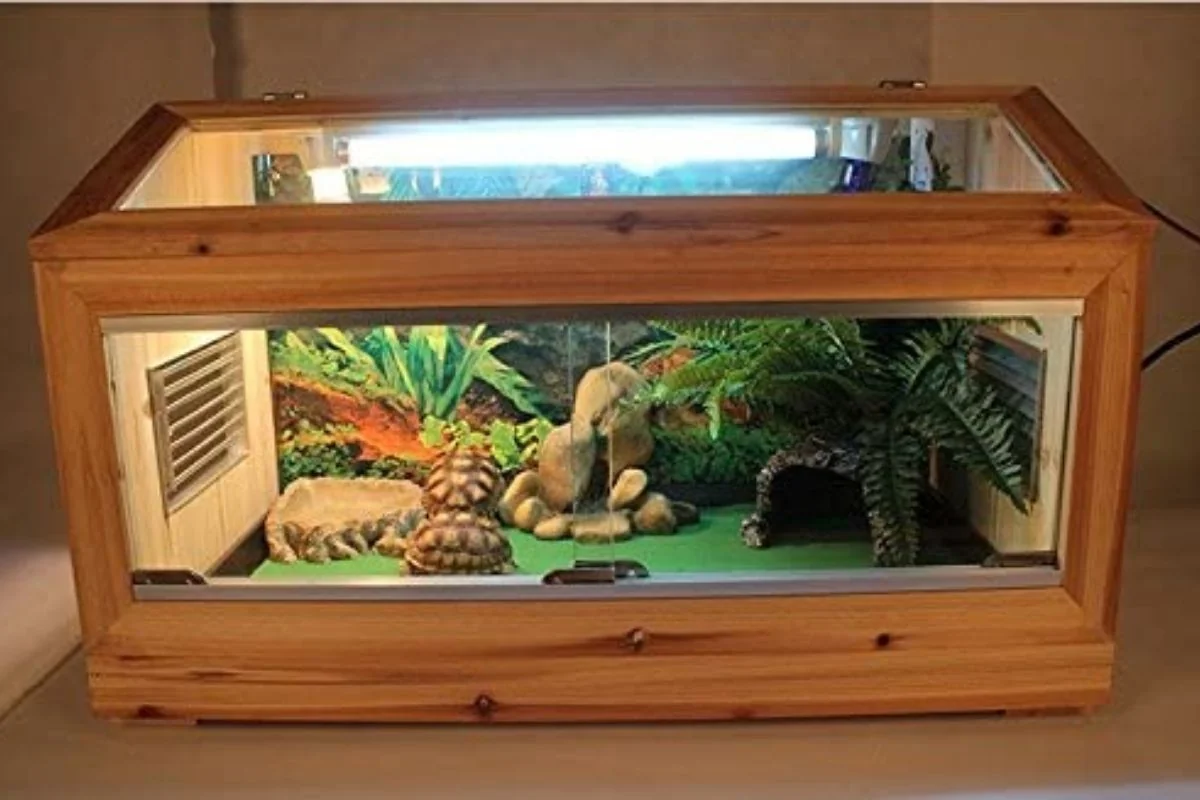
Choosing the Right Terrarium Size
Setting up a terrarium for your new bearded dragon is an exciting step! One of the first and most crucial decisions you’ll make is choosing the right size enclosure. The size of the terrarium directly impacts your dragon’s health, happiness, and overall well-being. A properly sized terrarium provides ample space for movement, exploration, and essential temperature gradients, which are vital for their survival. This guide will help you understand the appropriate terrarium sizes for different life stages of your bearded dragon, ensuring they thrive in their new home.
Baby Bearded Dragons
Baby bearded dragons, typically under a few months old, can start in a 20-gallon long terrarium (approximately 30 x 12 x 12 inches). While it might seem large, this size allows them to establish a feeding territory, feel secure, and grow. It’s important to provide plenty of hiding spots within this space. Avoid placing them in overly large enclosures as babies, as this can make it harder for them to find food and feel safe, potentially leading to stress and poor appetite. Remember that baby bearded dragons grow rapidly, and they will quickly outgrow this initial setup.
Adult Bearded Dragons

Adult bearded dragons need significantly more space. A minimum of a 40-gallon breeder tank (approximately 36 x 18 x 18 inches) is recommended for a single adult. However, a larger enclosure is always preferable. A 75-gallon or even larger terrarium (like a 48 x 18 x 21 inches) allows for better temperature gradients, more room for enrichment, and promotes a healthier, more active lifestyle. Investing in a larger enclosure from the start can save you the cost and effort of upgrading as your dragon grows.
Terrarium Substrate Selection
The substrate you choose for your bearded dragon’s terrarium is essential for their health and comfort. It serves as the base of their environment, affecting everything from their ability to burrow and thermoregulate to the cleanliness of their habitat. A proper substrate should be safe, non-toxic, and easy to maintain. It should also allow for proper humidity levels and contribute to the overall aesthetic of the terrarium. The following sections will help you navigate the various substrate options available and make an informed decision for your pet.
Safe and Suitable Substrates
Paper towels are a simple and cost-effective substrate for baby bearded dragons or those that may have health issues. They are easy to clean and allow for easy monitoring of feces. Reptile carpet is also a popular choice; it’s relatively easy to clean, but make sure to have multiple carpets available so you can switch them out during cleaning and allow the used one to be washed properly. A mix of play sand and organic topsoil (70/30 ratio) offers a naturalistic approach allowing for burrowing behavior.
Substrates to Avoid
Avoid substrates that can cause impaction (blockage of the digestive system) if ingested. Calcium sand, although marketed for reptiles, is a significant impaction risk and should never be used. Similarly, wood shavings, such as cedar or pine, can be harmful due to their oils and potential for irritation. Small particle substrates, like sand alone, can also pose a risk. Always err on the side of caution when choosing a substrate; the health of your bearded dragon depends on it.
Lighting Your Bearded Dragon’s Terrarium
Proper lighting is critical for the health and well-being of your bearded dragon. Unlike humans, bearded dragons require specific wavelengths of light to thrive. This includes both UVB and heat sources. Lighting impacts their ability to metabolize calcium, regulate their body temperature, and exhibit natural behaviors. Without the correct lighting, your bearded dragon can develop serious health problems. Understanding the different types of lighting and how they work is essential for creating a healthy environment.
UVB Lighting Importance

UVB (ultraviolet B) light is essential for bearded dragons. It allows them to synthesize Vitamin D3, which is crucial for calcium absorption. Without sufficient UVB exposure, bearded dragons can develop metabolic bone disease (MBD), leading to skeletal deformities, lethargy, and a shortened lifespan. UVB light also plays a role in their behavior and appetite. Ensure that the UVB bulb covers the entire length of the enclosure, as bearded dragons need access to UVB throughout the day to avoid health problems.
Choosing the Right UVB Bulb
There are several types of UVB bulbs available, including fluorescent tubes and mercury vapor bulbs. Fluorescent tubes are a popular choice, offering a safe and effective UVB source when positioned correctly. The UVB output degrades over time, so replace them every 6-12 months, as recommended by the manufacturer. Mercury vapor bulbs offer both UVB and heat; however, they must be placed at the correct distance from the basking spot to prevent burns. Research and choose a reputable brand that provides appropriate UVB output for your terrarium size.

Heat Sources and Temperature Control
Bearded dragons are ectothermic, meaning they rely on external heat sources to regulate their body temperature. Providing a proper temperature gradient within the terrarium is vital for their health. This gradient allows them to move between warmer and cooler areas to control their body temperature, aiding in digestion, metabolism, and immune function. A balanced thermal environment is essential for a thriving bearded dragon, ensuring it can thermoregulate effectively.
Optimal Temperature Gradient

Create a temperature gradient with a basking spot and a cooler side. The basking spot should be around 95-110°F (35-43°C) for adults, and 100-110°F (38-43°C) for babies, measured directly on the basking surface. The cooler side of the terrarium should be around 75-85°F (24-29°C). Nighttime temperatures can drop to 65-75°F (18-24°C). Monitor temperatures using a digital thermometer with a probe to ensure accuracy, and place the probe at the basking spot and on the cooler side.
Heating Options
Heat lamps are the most common heat source. Ceramic heat emitters (CHE) provide heat without light and are useful for maintaining nighttime temperatures. Consider using a thermostat to regulate heat sources and prevent overheating. Avoid using hot rocks, as they can cause burns. Place the heat lamp on top of a screen or use a lamp stand for safety. Always check the temperature regularly to ensure the environment is safe and stable.
Decorating the Terrarium
Decorating your bearded dragon’s terrarium not only enhances its visual appeal but also provides essential enrichment for your pet. Enrichment involves creating an environment that stimulates your dragon’s natural behaviors, encourages activity, and reduces stress. A well-decorated terrarium should include a variety of elements that provide opportunities for climbing, hiding, and basking. The following sections will help you understand the important aspects of creating an engaging and enriching environment.
Essential Decorations
Provide a basking platform, such as a large rock or a commercially available basking log, directly under the heat lamp. This allows your bearded dragon to efficiently absorb heat and UVB. Include multiple hiding spots, such as caves or hides, in both the warm and cool sides of the terrarium. Hiding spots provide a sense of security and allow your dragon to retreat and rest. Add climbing branches or driftwood to encourage natural behaviors and provide exercise.
Optional Decorations
Consider adding artificial or live plants to provide visual interest and enrichment. Ensure any live plants are non-toxic and safe for your dragon. Use secure mounting techniques to prevent the dragon from knocking them over. You can also include a shallow water dish and a feeding dish. Be creative and make the terrarium visually appealing, stimulating, and functional for your bearded dragon.
Maintaining Humidity Levels
Maintaining the correct humidity level in your bearded dragon’s terrarium is essential for their overall health. Proper humidity helps them shed their skin correctly and prevents respiratory infections. Too much humidity can lead to fungal growth and respiratory problems, while too little can lead to shedding issues and dehydration. Monitoring and maintaining appropriate humidity is critical for creating a healthy and thriving environment.
Monitoring Humidity

Use a hygrometer to monitor the humidity levels in your terrarium. The ideal humidity range for bearded dragons is typically between 30-40%. Place the hygrometer in the middle of the enclosure to get an accurate reading. Monitor the humidity regularly and make adjustments as needed. You can also monitor humidity by watching your dragon’s shedding cycles; difficult shedding can indicate low humidity.
Misting vs. Water Bowls
Provide a shallow water bowl for drinking. It should be cleaned and refilled daily. Misting the terrarium with a spray bottle can increase humidity, but avoid overdoing it. Excessive misting can lead to mold and fungal growth. Light misting once a day, ideally in the morning, can help increase humidity. Make sure the enclosure has proper ventilation to avoid creating stagnant air.
Feeding and Watering Setup

Proper feeding and watering setups are fundamental aspects of caring for your bearded dragon. These setups impact your pet’s overall health and well-being. Feeding provides the necessary nutrients for growth and energy, while access to fresh water is vital for hydration and essential bodily functions. Properly implementing a feeding and watering setup will support a thriving and happy bearded dragon.
Placement of Food and Water Bowls
Place food and water bowls in accessible locations within the terrarium. The water bowl should be shallow enough to prevent drowning and should be placed in a cooler part of the enclosure. Food bowls can be placed in the same area or slightly elevated. For live insects, you might consider using a separate feeding dish or bowl to prevent them from escaping into the substrate. Regularly clean the bowls to prevent bacteria buildup and provide a healthy environment.
Cleaning and Maintenance
Regular cleaning and maintenance of your bearded dragon’s terrarium is essential to maintaining a healthy environment for your pet. A clean terrarium prevents the buildup of harmful bacteria, reduces the risk of illness, and helps to control unpleasant odors. Establishing a routine cleaning schedule is key to ensuring a hygienic and comfortable living space for your dragon.
Daily Spot Cleaning
Perform daily spot cleaning. Remove any feces, uneaten food, and shed skin. Replace soiled substrate as needed. Check the water bowl daily and refill it with fresh water. This daily routine is an easy way to keep your terrarium clean and will prevent the buildup of bacteria. Regular spot cleaning will also allow you to monitor your dragon’s health by observing its waste.
Weekly Deep Cleaning

Conduct a deep cleaning of the terrarium once a week. Remove all substrate and decorations. Wash the enclosure and decorations with a reptile-safe disinfectant. Rinse thoroughly to remove any traces of the cleaning solution. Allow everything to dry completely before reassembling the terrarium with fresh substrate and clean decorations. This more thorough cleaning will help to eliminate bacteria and maintain the overall cleanliness of the habitat.