Why Temperature is Crucial for Bearded Dragons
Maintaining the correct temperature within a bearded dragon’s enclosure is not just important it’s absolutely vital for their health and well-being. These fascinating reptiles are ectothermic, meaning they rely on external sources to regulate their body temperature. Their ability to thrive and function properly depends on the temperature of their environment, influencing everything from their digestion and metabolism to their immune system and activity levels. Providing the right thermal gradient is one of the most critical aspects of responsible bearded dragon ownership.
Understanding the Importance of Proper Temperatures
Bearded dragons require specific temperature zones within their enclosure to thermoregulate effectively. They move between warmer and cooler areas to maintain their optimal body temperature. This process supports their digestive processes, allowing them to properly metabolize food and absorb nutrients. Without the correct temperature, their metabolism slows down, and they cannot process food efficiently, which can lead to health issues. Adequate warmth also boosts their immune system, helps to prevent respiratory infections, and supports their overall vitality. Observing your dragon’s behavior will give you clues, but measuring temperatures with reliable tools is the key to success.
Risks of Incorrect Temperatures

Both overheating and underheating can pose serious health risks to bearded dragons. Temperatures that are too high can lead to heat stress, dehydration, and organ damage, and can even be fatal. On the other hand, if the enclosure is too cold, they become lethargic, and their immune system weakens. This makes them susceptible to illnesses such as respiratory infections, parasites, and metabolic bone disease (MBD). Inconsistent temperatures can also affect their appetite, digestion, and activity levels, ultimately impacting their quality of life and overall health. Consistent monitoring of the enclosure temperature is therefore non-negotiable.
Top 5 Temperature Monitoring Tools

Digital Thermometers

Digital thermometers are a staple for any bearded dragon owner. They are relatively inexpensive and provide an easy way to monitor the temperature in the enclosure. Most models come with a probe that can be placed in various locations, such as the basking spot and the cool side, to measure the temperature accurately. Investing in a digital thermometer with a clear display and the ability to record minimum and maximum temperatures will make monitoring even easier. Place the thermometer so the reading is visible from outside the enclosure for quick checks. Make sure to test both the basking spot and the cool side of the enclosure to confirm a proper thermal gradient.
Features to Look For
When choosing a digital thermometer, look for a model with a clear and easy-to-read display. A probe is essential for accurate temperature readings at different locations within the enclosure, as well as recording minimum and maximum temperatures. Many thermometers also offer features like memory storage, allowing you to track temperature fluctuations over time. A reliable digital thermometer is essential for keeping your bearded dragon healthy and happy.
Pros and Cons
- Pros: Affordable, easy to use, provides accurate readings, allows for temperature monitoring in various locations.
- Cons: May require calibration, probe placement is important for accurate readings, some models may not be as durable.
Temperature Guns
Temperature guns, also known as infrared thermometers, are useful for quickly measuring the surface temperature of basking spots and other areas within the enclosure. They allow you to take readings from a distance, without disturbing your dragon. They are particularly effective for checking the basking spot temperature, where the heat source is the most intense. Temperature guns can be used to identify hot spots and make adjustments to the setup to ensure your dragon is comfortable and safe. These are especially useful for quick checks.
How to Use a Temp Gun
Using a temperature gun is straightforward. Simply point the gun at the surface you want to measure, pull the trigger, and read the temperature displayed on the screen. It’s important to measure the temperature from the same distance each time to ensure consistency. Check different areas of the enclosure including the basking spot, the cool side, and any other areas your dragon frequents. Make sure to follow the manufacturer’s instructions for the best results. Remember that the surface temperature can differ from the ambient air temperature.
Advantages and Disadvantages
- Advantages: Quick and easy to use, non-contact measurements, useful for spot-checking temperatures.
- Disadvantages: Measures surface temperature only, can be more expensive than digital thermometers, may require batteries.
Thermostats
Thermostats are essential for maintaining the correct temperature by regulating the heat source. They control the on and off cycles of heating elements, such as heat lamps and ceramic heat emitters. This ensures the enclosure doesn’t overheat and maintains a consistent temperature range. Using a thermostat is crucial, especially in enclosures with high-powered heat sources, to prevent temperature fluctuations and ensure your dragon’s safety and well-being. There are different types to choose from, each with specific features.
Types of Thermostats
There are two main types of thermostats: on/off thermostats and proportional thermostats. On/off thermostats turn the heat source completely on or off when the temperature reaches the set point. Proportional thermostats, on the other hand, vary the power output to the heat source to maintain a more consistent temperature. Proportional thermostats are often considered superior because they reduce temperature swings. Choosing the right type depends on the heat source and the specific needs of your bearded dragon.
Benefits of Thermostats
- Thermostats provide consistent temperatures, preventing overheating and underheating
- They can help extend the lifespan of heating elements by regulating their use
- Thermostats provide peace of mind knowing your dragon’s environment is controlled and safe.
Monitoring and Data Logging Systems
For those who want to track temperature and humidity data, monitoring and data logging systems are extremely useful. These systems record temperature and humidity readings over time, providing detailed information about the enclosure’s environment. They can help identify temperature fluctuations, troubleshoot issues, and ensure the optimal environment for your dragon. Some systems also offer alerts, so you’re notified if temperatures fall outside the acceptable range. A data logger is a step up in monitoring.
Key Features of Data Loggers
Data loggers typically include features like a digital display, data storage capacity, and the ability to export data for analysis. Some models offer wireless connectivity, allowing you to monitor the environment remotely. Look for a system that offers accurate readings, a user-friendly interface, and sufficient storage space for your data. The best ones are often compatible with smartphone apps, for easy viewing of temperature and humidity data. These can also alert you of potential issues.

Benefits of Using Data Loggers
- Data loggers allow for detailed tracking of temperature and humidity
- Help identify temperature fluctuations
- Can provide valuable insights into the enclosure’s environment.
- Remote monitoring and alerts can protect your dragon
Humidity Gauges
While temperature is the primary concern, humidity is also crucial for a bearded dragon’s health, particularly during shedding. Keeping the humidity within the correct range can help prevent shedding problems and respiratory infections. The ideal humidity levels for a bearded dragon enclosure are typically between 30% and 40%. Investing in a reliable humidity gauge, or hygrometer, is essential for monitoring these levels. Too much humidity can lead to respiratory problems, while too little can cause problems with shedding.
Choosing the Right Humidity Gauge
When choosing a humidity gauge, look for a digital hygrometer with a clear display and accurate readings. Calibration is important, so choose a model that can be easily calibrated or one that comes pre-calibrated from a reputable brand. Place the gauge in a location that accurately represents the overall humidity level within the enclosure, away from direct water sources. Many digital thermometers also include humidity readings, offering a two-in-one solution. Ensuring the gauge is accurate will ensure you’re informed about your dragon’s habitat.
Why Humidity Matters
- Humidity plays a significant role in shedding, helping to keep the skin hydrated.
- Too high humidity can lead to respiratory infections, while too low humidity can cause shedding problems.
- Monitor humidity levels regularly to keep them within the correct range.

Essential Enclosure Setup Tips
Creating the right thermal environment starts with a well-designed enclosure setup. This includes selecting appropriate heat sources, positioning them correctly, and providing a range of temperatures. The setup should mimic a natural environment, with a basking spot, a cool side, and a gradient between the two. It’s important to consider the size of the enclosure, the placement of hides, and the type of substrate used, as all these factors can influence temperature and humidity levels. Remember to regularly observe your dragon and adjust the setup as needed to ensure its well-being and health. Consistency is also a crucial aspect of the enclosure set-up to keep your bearded dragon healthy.
Optimal Temperature Zones
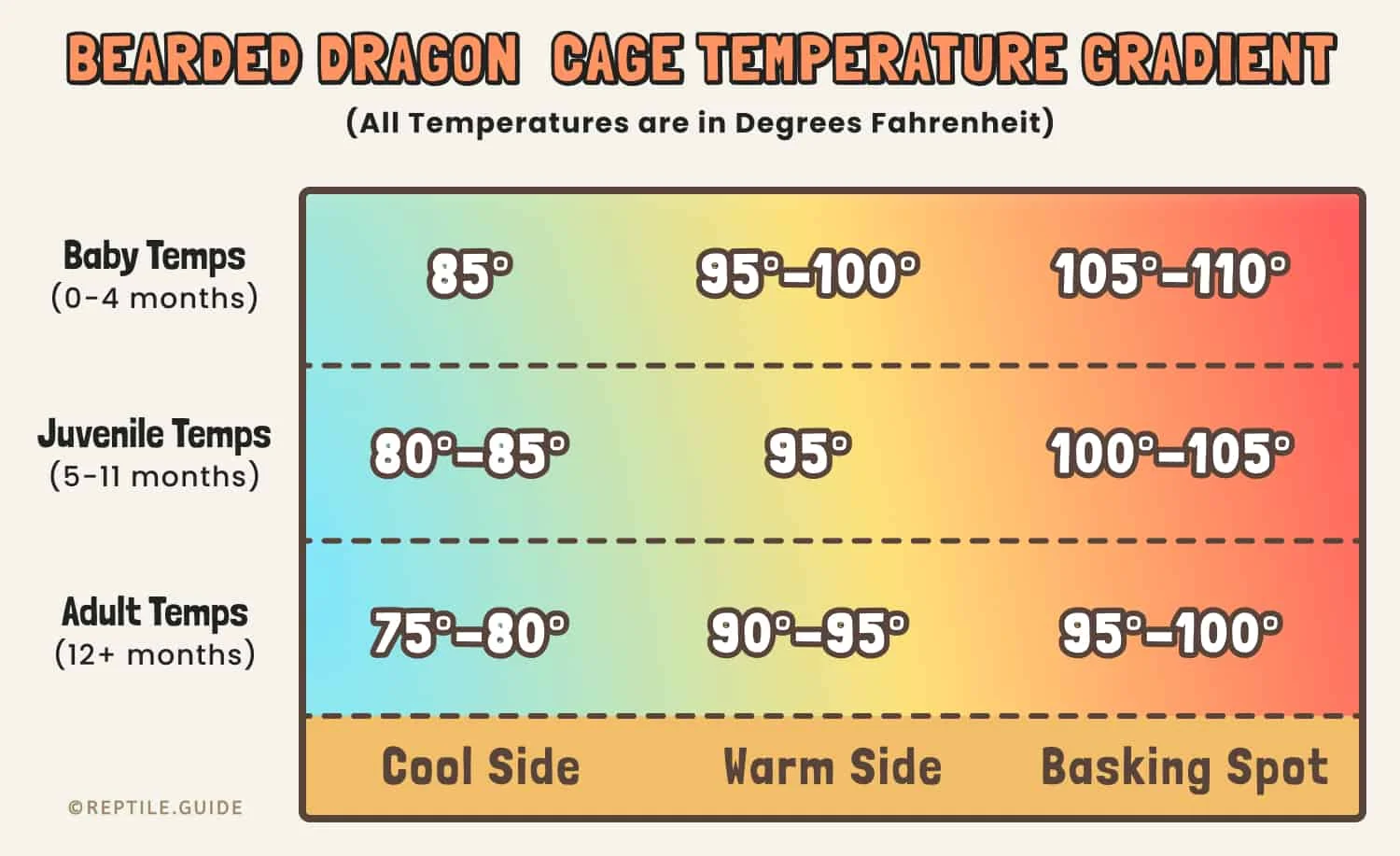
Bearded dragons thrive when provided with a thermal gradient. This means having a range of temperatures available within their enclosure. The basking spot should be the warmest area, reaching temperatures between 95°F and 110°F (35°C to 43°C) for adults. The cooler side should be around 75°F to 85°F (24°C to 29°C). This allows the dragon to regulate its body temperature by moving between these zones. Creating this gradient ensures your dragon can digest food properly, remain active, and maintain a healthy immune system. The correct setup allows them to thrive.
Basking Spot Temperature
The basking spot is crucial, as it’s where the bearded dragon spends time absorbing UVB and heat for digestion and metabolism. The basking spot temperature should be carefully monitored, ensuring it is within the recommended range. The basking spot should be directly under the heat source, such as a heat lamp or ceramic heat emitter. The right temperature will allow your dragon to digest properly. Make sure to check this temperature frequently to ensure it is accurate. A high-quality thermometer is essential here.
Cool Side Temperature

The cool side of the enclosure should offer a refuge from the heat, allowing the dragon to cool down when needed. Maintain a cool side temperature that is consistently within the recommended range. This area should be away from the heat source, often on the opposite side of the enclosure. The cooler side temperature is vital for their health. A proper gradient is key to a healthy beardie. Monitor the temperature in this area to make sure it’s correct.
Nighttime Temperature Considerations
At night, the enclosure temperature can drop to the lower end of the recommended range, typically around 65°F to 75°F (18°C to 24°C). If the temperature drops below 65°F (18°C), especially during winter, you may need to use a ceramic heat emitter or a low-wattage heat lamp to provide gentle warmth. Make sure the heat source is regulated by a thermostat and that any lights are not visible as these can disrupt sleep patterns. Providing a comfortable night time temperature is also crucial for their health.
Placement of Monitoring Tools
Proper placement of temperature and humidity monitoring tools is essential for accurate readings. Place the thermometer probe in the basking spot, on the cool side, and possibly in other areas of the enclosure. Position the humidity gauge away from direct water sources. Ensure the tools are accessible and visible for easy monitoring. Keep the probes and sensors away from direct contact with the heat sources and UVB lights, as this can skew the readings. Regularly check and adjust their placement to ensure accuracy.
Maintaining the Right Environment
By using the correct temperature monitoring tools and maintaining the optimal environment, you can significantly improve the health and well-being of your bearded dragon. Regular monitoring, consistent adjustments, and careful observation are crucial for creating a thriving habitat. Understanding the importance of temperature control, investing in appropriate tools, and following the enclosure setup tips outlined above will enable you to provide a comfortable and healthy life for your reptile companion. Remember that a healthy bearded dragon is a happy bearded dragon.