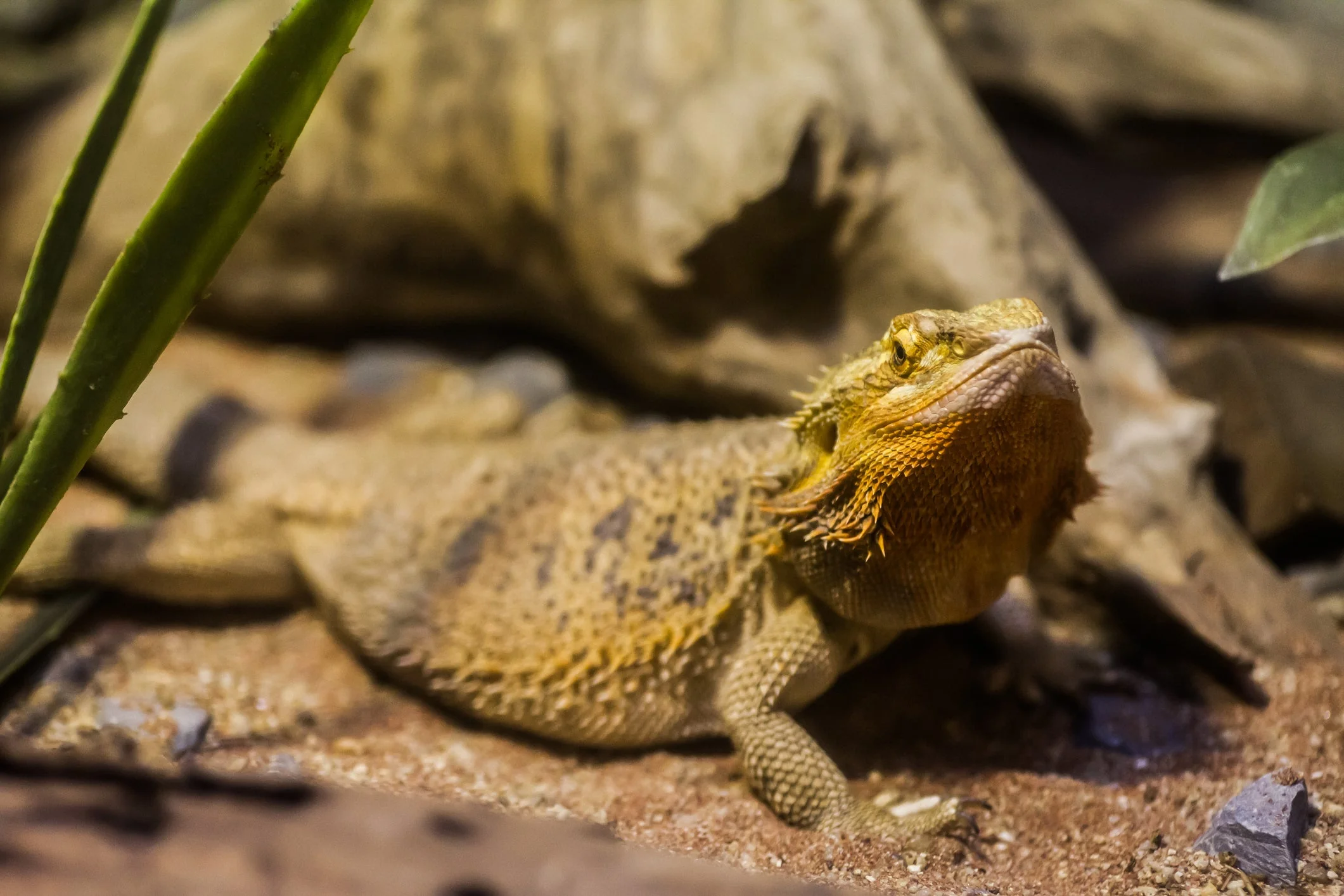
Top 5 Bearded Dragon Substrate Recommendations
Choosing the right substrate for your bearded dragon is crucial for their health and well-being. A good substrate provides a comfortable environment, aids in natural behaviors like digging, and helps regulate humidity. However, with so many options available, it can be overwhelming to choose the best one. This guide provides the top 5 recommendations, considering safety, ease of maintenance, and overall suitability for your scaly friend. It’s essential to prioritize your bearded dragon’s safety and choose a substrate that minimizes the risk of impaction and respiratory issues. We’ll cover the pros and cons of different substrates to help you make an informed decision and create a thriving habitat for your beloved pet. Remember to always research and consult with a veterinarian or experienced reptile keeper for the most personalized advice.
Why Substrate Matters for Your Bearded Dragon
The substrate in your bearded dragon’s enclosure is more than just bedding; it’s a vital component of their habitat. It serves multiple purposes, directly impacting their health, behavior, and overall quality of life. A suitable substrate helps to regulate humidity levels, which is essential for shedding and preventing respiratory infections. It also provides a surface that allows your bearded dragon to exhibit natural behaviors, such as digging and burrowing, which are crucial for mental stimulation and enrichment. In addition, the substrate can influence the temperature within the enclosure, contributing to the creation of a thermal gradient that allows your bearded dragon to thermoregulate effectively. Choosing the right substrate can significantly improve the quality of life of your dragon.
Health Benefits of the Right Substrate

The right substrate contributes significantly to your bearded dragon’s health. A well-chosen substrate minimizes the risk of respiratory problems by preventing the growth of mold and mildew. Some substrates can also help to maintain the correct humidity levels, crucial for healthy shedding. This can prevent issues like retained shed, which can cause discomfort and infections. Moreover, a suitable substrate reduces the risk of impaction, a potentially life-threatening condition caused by the ingestion of indigestible materials. By providing a clean, safe, and appropriate substrate, you can create an environment that promotes your bearded dragon’s physical health and overall well-being. A healthy dragon is a happy dragon. Be mindful of the signs that a substrate is not appropriate like unusual smells or moisture.
Substrate Choice Considerations for Bearded Dragons
Several factors should be considered when selecting a substrate for your bearded dragon. First and foremost, safety is paramount. The substrate should be non-toxic and non-abrasive to prevent injury. It should also be digestible or non-ingestible to reduce the risk of impaction. The substrate should also be easy to clean and maintain, helping you to keep the enclosure sanitary and reduce the spread of bacteria. Consider the age of your bearded dragon; baby dragons require different substrates than adults. Adult dragons can handle more complex options that may have some risk of impaction as they are less likely to ingest them due to better hunting skills. Finally, think about the humidity and temperature requirements of your dragon and how well the substrate can help regulate these levels. Research is the key to choosing the best option.
Substrate Texture and its Impact
The texture of the substrate plays a vital role in your bearded dragon’s environment. A rough texture can help with natural behaviors like digging and climbing, providing enrichment and mental stimulation. However, excessively rough substrates can be abrasive and potentially injure your dragon’s skin. Smooth substrates are easier to clean and maintain but may not provide the same level of enrichment. Consider the age of your bearded dragon when choosing the texture; baby dragons often benefit from smoother substrates to prevent injury. The ability to burrow is an important factor, as well, which can provide stress relief for the lizard. The ideal texture strikes a balance between providing enrichment and ensuring safety, so careful consideration is critical.
Top 5 Substrate Recommendations for Bearded Dragons

Here’s a breakdown of the top 5 recommended substrates for bearded dragons, along with their pros and cons. These options prioritize safety, ease of maintenance, and suitability for bearded dragon health. Remember to always monitor your dragon and the enclosure for signs of issues, such as unusual smells or moisture. Always spot-clean the enclosure daily and perform a more thorough cleaning as necessary to maintain a healthy habitat.
Repti-Carpet
Repti-Carpet is a popular choice for its convenience and ease of use. It’s readily available at most pet stores and comes in various sizes to fit different enclosures. It offers a relatively smooth surface, making it easy to clean. Remember that it is important to have multiple repti-carpets on hand for easy and frequent cleaning. This reduces the risk of harmful bacteria and helps keep the enclosure environment healthy and clean. The cleaning of the substrate, as mentioned, is one of the most important parts of bearded dragon ownership.
Pros of Repti-Carpet
- Easy to clean and maintain
- Readily available
- Relatively safe if cleaned regularly
- Provides a non-abrasive surface
Cons of Repti-Carpet
- Can harbor bacteria if not cleaned frequently
- May snag claws
- Doesn’t allow for digging or burrowing
Paper Towels
Paper towels are another convenient and affordable option, particularly for baby bearded dragons or quarantine enclosures. They’re readily available, easy to replace, and allow for easy observation of feces and other health indicators. However, paper towels may not be aesthetically pleasing, and some dragons may find the surface less stimulating.
Pros of Paper Towels
- Inexpensive
- Easy to clean and replace
- Allows for easy observation of feces
- Reduces the risk of impaction
Cons of Paper Towels
- Not aesthetically pleasing
- Doesn’t allow for digging or burrowing
- May not provide enough humidity
Tile
Tile, such as ceramic or slate, offers a durable and easy-to-clean option. It provides a natural look and can help with nail maintenance. Make sure the tile is not slippery and that the edges are smooth to prevent injury. It is important to have multiple sets to allow for deep and proper cleaning.
Pros of Tile
- Easy to clean and disinfect
- Provides a natural look
- Helps with nail maintenance
- Durable and long-lasting
Cons of Tile
- Can be cold, requiring additional heat sources
- Doesn’t allow for digging
- Can be slippery if not textured
Play Sand (Avoid Most Types)
Play sand can be a popular choice because it allows for digging, burrowing, and provides a more natural environment. However, it comes with a high risk of impaction, especially if ingested. It is typically recommended to avoid sand as a substrate, however, if you do decide to use it, you will want to do research. The risks associated with this substrate are significant, so consider other options.
Pros and Cons of Play Sand
- Allows for digging and burrowing (Pros)
- High risk of impaction (Cons)
- Can be dusty (Cons)
- Difficult to clean (Cons)
Loose Substrates: The Pros & Cons
Loose substrates, which include things like sand, can provide more natural enrichment and allow for natural behaviors like digging. The ability to burrow can be very important for stress relief and mental health. However, they also present potential risks, such as impaction. So, research is necessary. Ensure that the size and type of substrate are appropriate and that it is not ingested by the lizard. Proper hygiene practices, such as frequent spot cleaning and complete changes, are critical to keep the enclosure as healthy as possible.
Best Substrate for Baby Bearded Dragons

For baby bearded dragons, safety is paramount. The best substrate options are non-particulate substrates that are easy to clean and less likely to cause impaction. Paper towels and reptile carpet are excellent choices. These substrates allow for easy observation of the baby’s feces, making it easier to monitor their health. As the baby grows, and you have the means to care for the dragon, you may consider other options.
Why Avoid Calcium Sand

Calcium sand is often marketed as a digestible substrate, but it can still cause impaction, especially if the dragon consumes a large amount. It may clump in the digestive system, leading to health problems. In addition, calcium sand may not provide the best humidity control and can be expensive. There are much better and more affordable options to choose from that won’t put your dragon’s health at risk. Sand as a whole is not the best choice for these lizards.
Other Potential Risks
Besides impaction, certain substrates can pose other risks. Dusty substrates can cause respiratory problems and irritate your bearded dragon’s eyes. Some substrates may also harbor bacteria or parasites if not cleaned properly. Always research the substrate thoroughly, and check if there is any possibility of hazards for your dragon. Choosing a substrate that minimizes these risks is crucial for your bearded dragon’s health and wellbeing.
How to Maintain Your Bearded Dragon’s Substrate
Proper substrate maintenance is essential for maintaining a healthy and safe environment for your bearded dragon. This includes regular cleaning, spot-cleaning, and complete replacement. A well-maintained substrate reduces the risk of illness and keeps the enclosure looking its best. These steps can help reduce risks of impaction or other health issues. Cleaning is one of the most important parts of the responsibilities of a bearded dragon owner, but the rewards are significant.
Cleaning and Spot-Cleaning

Spot-cleaning should be done daily. Remove any visible waste, such as feces and uneaten food. If you are using a loose substrate, remove any soiled portions and replace them with clean substrate. It’s also a good idea to wipe down the enclosure surfaces with a reptile-safe disinfectant to prevent the spread of bacteria and parasites. Maintaining a cleaning schedule is very important.
Deep Cleaning and Replacement
A deep cleaning of the enclosure should be performed at least once a month, or more frequently if needed. Remove all of the substrate and thoroughly clean and disinfect the entire enclosure, including the walls, floor, and any decorations. Replace the old substrate with fresh, clean material. This will help to keep your bearded dragon’s environment sanitary and prevent the buildup of harmful bacteria. This is the most important part of the cleaning.
Signs Your Substrate Needs Changing
There are several signs that indicate it’s time to change your bearded dragon’s substrate. An ammonia odor or excessive moisture can indicate the buildup of waste and bacteria. If you notice any mold or mildew growth, it’s essential to replace the substrate immediately. Changes in your dragon’s behavior, such as lethargy or a loss of appetite, could also indicate a problem with the substrate or the health of your dragon. When in doubt, replace the substrate to ensure your dragon’s safety.
Conclusion: Choosing the Right Substrate
Selecting the right substrate is a crucial decision for any bearded dragon owner. Prioritize safety, consider your dragon’s age and health, and choose a substrate that promotes a healthy and enriched environment. While some options may seem appealing, always weigh the pros and cons. Regularly maintain the substrate through cleaning and replacement to ensure the long-term well-being of your scaly companion. By following these recommendations, you can create a safe, comfortable, and stimulating habitat where your bearded dragon can thrive. Your dragon will be healthier and happier. Remember to always consult with a veterinarian or experienced reptile keeper for personalized advice.
