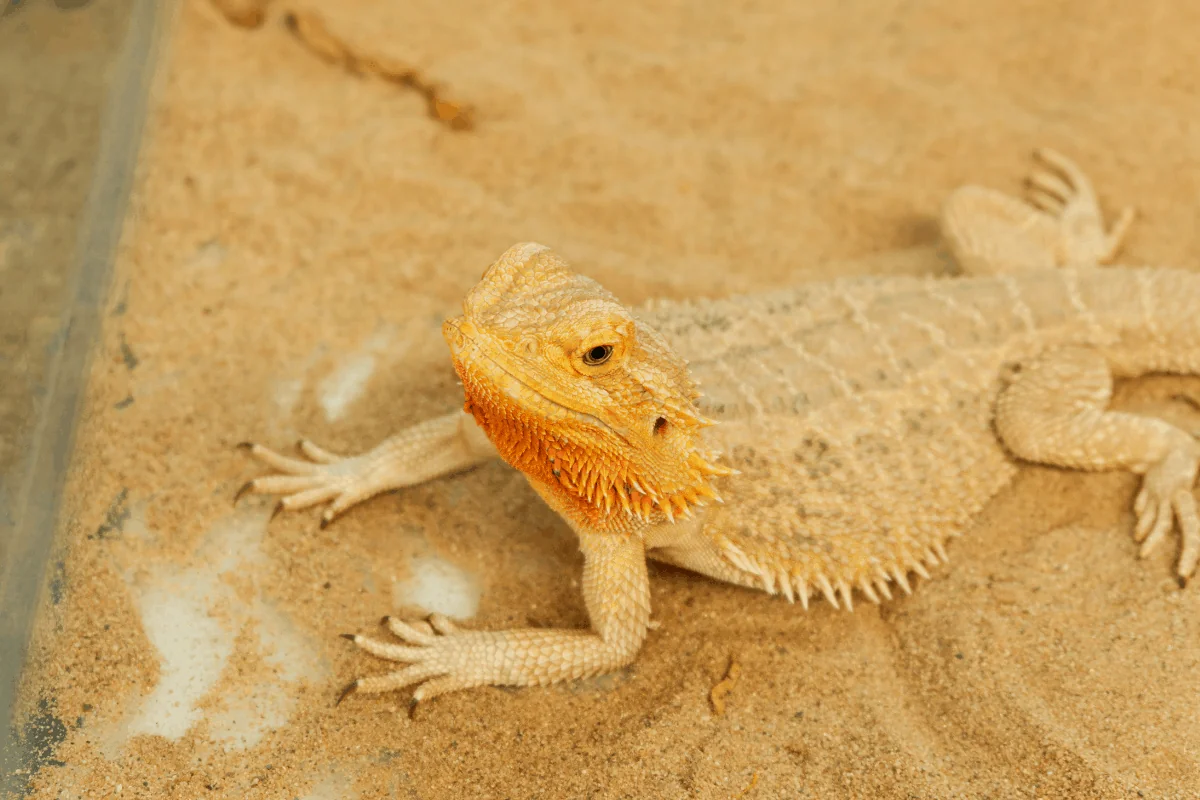
Understand the Importance of Substrate
The substrate in your bearded dragon’s enclosure is more than just a floor covering it’s a fundamental aspect of their habitat that greatly influences their well-being. Choosing the right substrate and maintaining it correctly are crucial for the long-term health and happiness of your scaly friend. A well-managed substrate provides a comfortable environment, aids in regulating humidity and temperature, and promotes natural behaviors, making it an essential part of proper bearded dragon care. Understanding the importance of substrate is the first step toward creating a thriving environment for your pet.
Why is Substrate Important for Bearded Dragons?
Substrate serves multiple critical functions. It provides a surface for your bearded dragon to walk on, dig in (which is a natural behavior), and helps to regulate the enclosure’s humidity. Substrate also assists in temperature regulation, especially when combined with proper heating methods. Furthermore, a suitable substrate can reduce stress and promote a sense of security for your bearded dragon. In contrast, a poorly chosen or maintained substrate can lead to health problems, making the right selection and care paramount for your pet’s longevity and happiness.
Impact of Substrate on Health and Behavior
The substrate directly affects your bearded dragon’s health and behavior. The wrong type can harbor bacteria, leading to infections, or contain sharp particles that can cause injury if ingested. Improper humidity levels, influenced by the substrate, can lead to respiratory problems or skin issues. Behaviorally, a substrate that allows for digging and burrowing satisfies a bearded dragon’s natural instincts, reducing stress and enriching their environment. An ideal substrate supports both physical health and psychological well-being.
Top 10 Bearded Dragon Substrate Care Tips

Tip 1 Choose the Right Substrate
Selecting the appropriate substrate is the initial and most critical step. Consider factors like safety, ease of cleaning, and the ability to maintain the right humidity levels. Solid substrates like reptile carpet or tiles are easier to keep clean, while loose substrates, such as a mixture of play sand and organic topsoil, allow for digging but require more frequent cleaning. Avoid substrates that can be easily ingested and cause impaction, such as sand alone, especially for young dragons. Always research and choose a substrate that prioritizes your bearded dragon’s health.
Safe and Unsafe Substrate Options
Safe substrates include reptile carpet, ceramic tiles, or a mix of play sand and organic topsoil. These materials are non-toxic, relatively easy to clean, and don’t pose a significant impaction risk if ingested in small amounts. Avoid substrates like pure sand, walnut shells, and wood shavings, as they can be easily ingested and cause serious digestive issues. Always check the substrate’s composition and ensure it’s specifically designed for reptiles to prevent potential health hazards. Consult with a veterinarian or experienced reptile keeper for the best recommendations.
Tip 2 Spot Clean Daily
Daily spot cleaning is essential for maintaining a healthy environment. Remove any waste, such as feces and uneaten food, as soon as you notice it. Use a small scoop or tongs to prevent cross-contamination and keep the enclosure clean. This practice not only keeps the habitat tidy but also minimizes the risk of bacterial growth and unpleasant odors. Regular spot cleaning is a simple yet highly effective way to keep your bearded dragon healthy.
Remove Waste and Leftover Food
Always remove feces immediately. Additionally, clear away any leftover food, especially live insects, to prevent attracting unwanted pests. Leftover food can decompose and breed harmful bacteria. A clean enclosure reduces health risks and makes for a happier bearded dragon. Regularly inspecting the enclosure and promptly removing waste and food scraps is a fundamental part of the maintenance routine.
Tip 3 Deep Clean Regularly
Deep cleaning is necessary to remove any accumulated waste and bacteria that spot cleaning cannot address. The frequency depends on the substrate used and the dragon’s habits but aim for a thorough cleaning every 2-4 weeks. This involves removing all the substrate, cleaning the enclosure with a reptile-safe disinfectant, and replacing the substrate. Deep cleaning is crucial for maintaining a safe and healthy environment for your bearded dragon.
Frequency of Deep Cleaning
The frequency of deep cleaning varies. For solid substrates, cleaning may be less frequent (once a month), while loose substrates need it more often. Monitor the condition of the substrate and the enclosure. If you notice lingering odors or signs of bacteria, it’s time for a deep clean. Adjust the schedule based on your dragon’s habits and the type of substrate used. Regularly checking is key to ensuring your bearded dragon’s health.
Cleaning and Disinfecting Methods
When deep cleaning, use a reptile-safe disinfectant to kill bacteria and other harmful microorganisms. Remove all substrate and clean the enclosure thoroughly. Rinse the enclosure well after cleaning, and allow it to dry completely before adding fresh substrate. Always follow the disinfectant’s instructions, and never mix cleaning products. Regularly disinfecting helps prevent the spread of diseases and keeps your dragon healthy.
Tip 4 Monitor Humidity Levels
Humidity is crucial for the health of your bearded dragon. The ideal range usually falls between 30-40%. Regularly monitor the humidity using a hygrometer, and adjust the environment as needed. High humidity can lead to respiratory infections and fungal growth, while too little can cause dehydration and skin problems. A balanced humidity level is essential for the health and comfort of your dragon.
The Role of Humidity in Bearded Dragon Health
Humidity plays a vital role in skin health and shedding. It also affects their respiratory system. Proper humidity supports healthy shedding cycles, preventing the buildup of dead skin. It keeps the respiratory tract moist. Monitoring and adjusting humidity is a significant part of their environment to ensure good health. Maintaining the right level is key to avoiding health problems.
How to Adjust Humidity
Adjust humidity by adding or removing water. Misting the enclosure lightly with a spray bottle can raise humidity, but avoid overdoing it. Ensure proper ventilation to prevent excess moisture buildup. Using a water bowl is an option, but keep it clean. The substrate type also impacts humidity levels. Choose a substrate that helps maintain the desired range. Regularly check the levels and fine-tune as needed.
Tip 5 Control the Temperature

Bearded dragons need a temperature gradient within their enclosure. This means having a basking spot, a warm side, and a cooler side. The basking spot should be around 95-110°F (35-43°C), while the cool side can be around 75-85°F (24-29°C). Use a thermometer to monitor the temperatures. Proper temperature control ensures optimal digestion, metabolism, and overall health for your bearded dragon.
The Importance of Temperature Gradients
Temperature gradients allow bearded dragons to regulate their body temperature, known as thermoregulation. This is crucial for digestion, metabolism, and immune function. The basking spot is used for heating up, while the cooler side allows them to cool down. Without this gradient, the dragon’s health and wellbeing may be compromised. Provide a full range of temperatures to give your dragon what it needs to be healthy.
Heating Methods and Substrate Interaction
Heating methods, such as heat lamps, should be positioned to ensure the substrate does not overheat or pose a fire hazard. Always use a thermostat to control the temperature and prevent burns. The substrate can affect heat distribution. Solid substrates tend to retain heat better than loose ones. Regularly check and adjust the heating system. Always ensure the setup is safe for your dragon.
Tip 6 Prevent Bacterial Growth
Bacteria thrive in warm and humid environments, so preventing bacterial growth is essential. Regular cleaning, the right substrate choice, and maintaining appropriate humidity levels are key. Avoid overcrowding the enclosure, as it can lead to a buildup of waste and increase bacteria. A healthy and clean environment reduces the risks of infections and diseases. Bacteria problems can quickly compromise your pet’s health, so be mindful of this risk.
Signs of Bacterial Problems
Look for signs of bacterial problems, such as foul odors, slimy substrate, or visible mold. Also, watch for changes in your dragon’s behavior, such as lethargy, loss of appetite, or respiratory issues. Any of these signs require immediate action, including deep cleaning and possibly veterinary care. Early detection and treatment are key to preventing serious health problems.
Preventive Measures
To prevent bacterial growth, always choose a substrate that is easy to clean and disinfect. Perform regular deep cleanings with reptile-safe disinfectants. Ensure adequate ventilation to reduce humidity buildup. Avoid overfeeding to prevent leftover food from decomposing in the enclosure. Following these practices, you’ll maintain a healthy and hygienic environment, reducing the chances of bacterial growth.

Tip 7 Avoid Toxic Substances
Avoid using toxic substances in your bearded dragon’s enclosure. This includes household cleaners, air fresheners, and scented candles, as they can be harmful if inhaled or ingested. Always use reptile-safe cleaning products, and rinse the enclosure thoroughly after cleaning. Make sure all materials used are non-toxic and safe for reptiles. Your dragon’s health depends on a clean and safe environment.
What to Avoid in Substrates and Cleaners

Avoid substrates containing cedar, pine, or other aromatic wood shavings, as they can cause respiratory problems. Also, avoid cleaners containing bleach, ammonia, or other harsh chemicals. When in doubt, choose products specifically designed for reptiles. Always read labels and follow the instructions carefully to ensure the safety of your bearded dragon. Safe products are available that can prevent health issues.
Tip 8 Proper Ventilation
Proper ventilation is crucial for maintaining good air quality and preventing the buildup of humidity and harmful bacteria. Ensure your enclosure has adequate airflow. This can be achieved through mesh tops or strategically placed vents. Good ventilation supports your dragon’s respiratory health and helps maintain the ideal environmental conditions. Poor ventilation can lead to various health issues. Ventilation helps keep a healthy environment.
Why Ventilation is Crucial
Good ventilation removes stale air, reduces odors, and helps regulate humidity levels. It also prevents the buildup of ammonia, which can be harmful to your dragon’s respiratory system. By ensuring proper airflow, you create a healthier environment, reducing the risk of respiratory infections and other health problems. Proper ventilation is essential for a healthy habitat.

How to Improve Ventilation
To improve ventilation, consider using a mesh-topped enclosure, which allows air to circulate freely. Ensure the enclosure is not placed in an area with limited airflow. If your enclosure has vents, make sure they are not blocked. In some cases, adding a small fan can help. Properly ventilating your dragon’s habitat is one of the best things you can do to keep your pet healthy.
Tip 9 Observe Your Bearded Dragon
Regularly observe your bearded dragon for signs of substrate-related issues. Look for changes in behavior, appetite, or fecal consistency. Also, check the substrate for any signs of mold, excessive moisture, or other problems. Early detection is key to preventing health issues. Observing your pet is an important aspect of their care. Closely watching them provides you a wealth of information about their well being.


Signs of Substrate-Related Issues
Signs of substrate-related issues include difficulty shedding, respiratory problems, lethargy, or unusual fecal matter. If you notice any of these issues, immediately assess the enclosure and the substrate. Make adjustments to the environment, such as cleaning the substrate or changing the humidity levels. Seek veterinary advice if the problem persists. These symptoms require quick action.
Tip 10 Choose the Right Size of Substrate
The substrate particle size should be appropriate for the size of your bearded dragon. Avoid small particles that can be easily ingested, which may lead to impaction, a potentially fatal condition. For juvenile dragons, consider using larger particles or solid substrates like reptile carpet. As your dragon grows, you can adjust the substrate type as needed. Substrate size is critical for their health.
The Danger of Swallowing Substrate
Swallowing substrate can be a serious issue. Small particles can clump together in the digestive system and cause impaction, preventing food passage. This can lead to severe illness and even death. Always supervise your dragon during feeding, and avoid substrates that are easily ingested, especially for younger animals. Selecting the right size and type is a critical part of preventing this health risk.