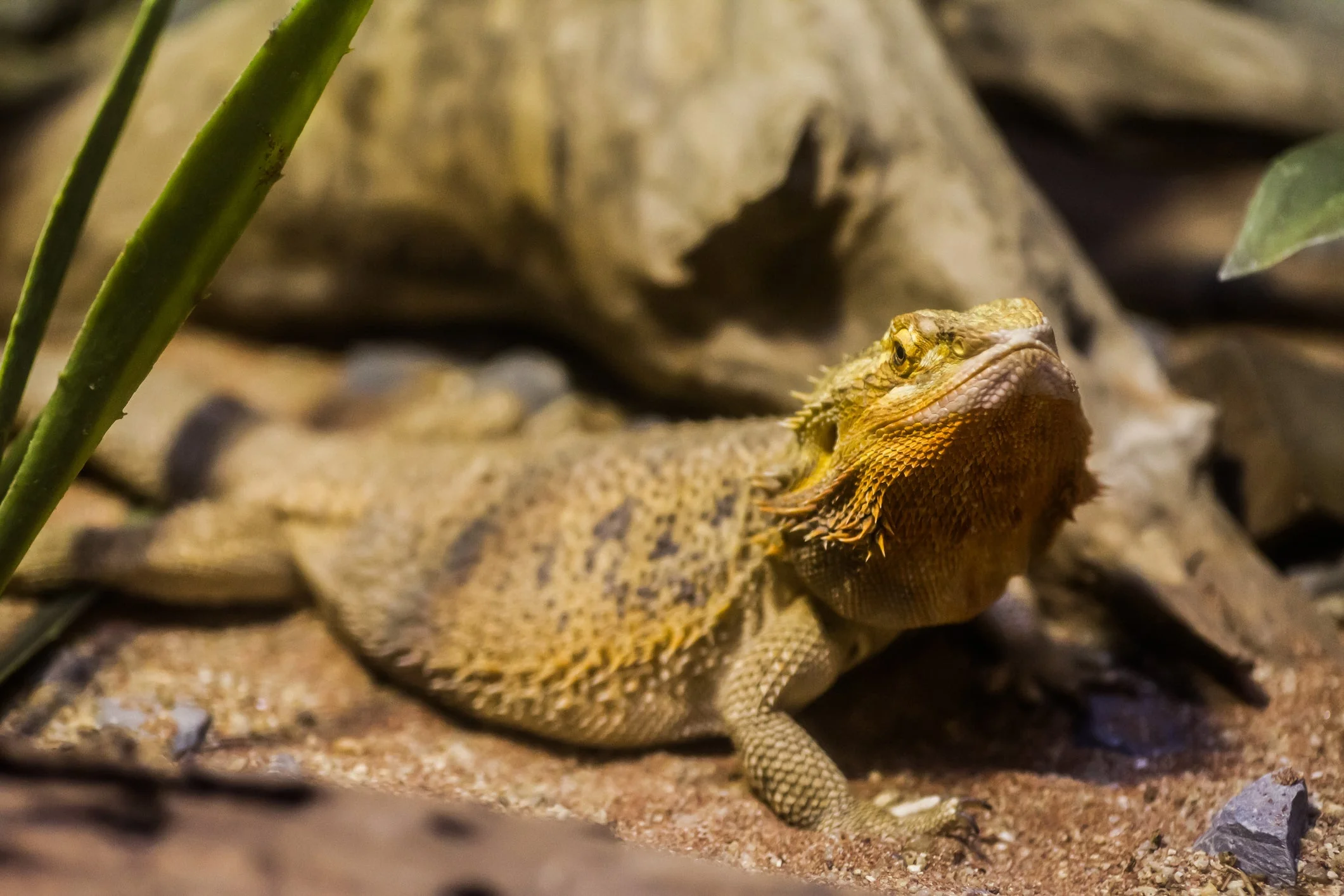
Top 10 Bearded Dragon Substrate Safety Considerations
As a responsible bearded dragon owner, the well-being of your scaly friend is paramount. One of the most critical aspects of their care is the choice of substrate, the material that lines the bottom of their enclosure. The right substrate promotes a healthy environment, while the wrong one can lead to serious health issues. This comprehensive guide delves into the top 10 safety considerations for bearded dragon substrate, ensuring you provide the best possible habitat for your beloved pet. Understanding these considerations will empower you to make informed decisions and create a thriving environment for your bearded dragon.
Impact of Substrate on Bearded Dragon Skin
Bearded dragons have delicate skin that is susceptible to irritation and injury. The substrate directly interacts with their skin, affecting its health. Abrasive substrates can cause scratches and wounds, while those that retain moisture can lead to bacterial and fungal infections. Furthermore, some substrates release dust or particles that can irritate the skin and respiratory system. The substrate also influences humidity levels, which are crucial for proper shedding and overall skin health. Choosing the right substrate is, therefore, vital to prevent skin problems and maintain your dragon’s well-being. The wrong choice can lead to discomfort, infections, and a reduced quality of life for your pet. Therefore, understanding the impact of substrate is a core component of good reptile care.
Common Substrate Materials and Risks

Several substrate options are available, each with its pros and cons. However, some common materials pose significant risks to bearded dragons. It’s essential to know these risks to make an informed choice. Let’s explore some of the most used substrates and the potential hazards they present.
Sand
Sand, particularly calcium sand, is often marketed as a natural substrate. However, it can cause impaction if ingested, leading to digestive issues. Sand particles can also irritate the eyes and respiratory system, especially when dusty. Young dragons are particularly at risk, as they tend to ingest more substrate while hunting or exploring. While some argue that sand is acceptable if the dragon is fed in a separate enclosure, the risk remains, and safer alternatives are generally recommended.
Calcium Sand

Calcium sand, often promoted as a digestible option, can still cause impaction. Though it might be more easily passed than regular sand, it can clump and create digestive blockages. Also, the constant presence of calcium can lead to an excessive intake, causing imbalances. Overall, calcium sand is not a safe choice, and its use should be avoided. Prioritizing a substrate that minimizes ingestion risks is crucial for the health of your bearded dragon.
Wood Shavings

Wood shavings, such as pine or cedar, can be problematic. These shavings can release aromatic oils that irritate a bearded dragon’s respiratory system and skin. Small particles can also lead to impaction if ingested. Moreover, wood shavings can harbor mold and bacteria if they are not kept clean. Choosing a substrate that does not cause respiratory distress or ingestion issues is a priority. Consider alternatives such as paper towels or reptile carpet to mitigate these issues.
Walnut Shells
Walnut shells are another substrate to avoid. These can be sharp and abrasive, posing a risk of injury to the dragon’s skin and eyes. They can also be difficult to digest and cause impaction. The rough texture can be irritating, leading to discomfort and stress. It is always better to select a substrate that poses no immediate threat to the health or safety of your pet.
Benefits of Safe Substrate Options
Safe substrate options offer multiple benefits, contributing to your bearded dragon’s health and happiness. Choosing the right material can greatly reduce the risk of health issues, such as impaction, respiratory infections, and skin irritations. Safe substrates are typically easy to clean and maintain, ensuring a hygienic environment. They support the natural behaviors of your dragon, promoting overall well-being. Safe substrates help regulate humidity, supporting healthy shedding, and preventing fungal and bacterial growth. Ultimately, safe substrates create a comfortable and stimulating environment that enriches your dragon’s life.
Paper Towels
Paper towels are a simple and safe option. They are non-toxic, non-abrasive, and easy to clean. They allow for easy monitoring of the dragon’s droppings, and spot cleaning is simple. The ease of replacing paper towels also helps maintain a clean environment, minimizing the risk of bacterial growth. This substrate is a great choice for young dragons and those with health issues. Paper towels are inexpensive and readily available.
Reptile Carpet
Reptile carpet provides a comfortable surface that can be washed and reused. It offers a good grip for your dragon and helps to prevent injuries. It is generally safe if cleaned regularly to prevent bacterial buildup. However, ensure you have multiple pieces so you can swap them out for cleaning. Regular cleaning is very important for using reptile carpet. Ensure that your dragon’s nails do not get caught in the fibers.
Tile
Tile offers a durable, non-toxic, and easy-to-clean surface. It is also very aesthetically pleasing. It doesn’t harbor bacteria and is ideal for maintaining a hygienic environment. The smooth surface prevents your dragon from digging, which some owners may view as a disadvantage. Tiles can also help maintain the heat in the enclosure, ensuring proper temperatures for your reptile. Make sure the tile has a rough surface that will not be too slippery.
Bioactive Substrates
Bioactive substrates mimic a natural environment and can be a great choice. They typically include a mixture of soil, sand, and other organic materials, supporting a healthy ecosystem with beneficial organisms. These substrates promote natural behaviors and contribute to overall well-being. A bioactive substrate requires careful planning and monitoring. Regular maintenance, including proper cleaning and monitoring of humidity levels, is also required. It provides a stimulating environment, but it is a commitment that requires more effort than other choices.
How to Assess Substrate Safety
Assessing substrate safety is crucial for your bearded dragon’s well-being. Several factors should be considered when evaluating a substrate material. This involves looking at particle size, dust levels, moisture retention, and potential for impaction or irritation. Selecting a substrate that minimizes risks and supports your dragon’s health is vital. Here’s how to evaluate the safety of a substrate option.
Particle Size and Ingestion Dangers

Particle size is a key factor in substrate safety. Small, loose particles pose the greatest risk of ingestion. If your dragon accidentally ingests the substrate, it can lead to impaction, a potentially life-threatening condition. Avoid fine sand, small wood chips, or other small-sized materials that are easily swallowed. The ideal substrate should consist of larger particles that are not easily ingested. Larger particle sizes also reduce the risk of respiratory irritation. Prioritize substrates that minimize ingestion risks and protect your bearded dragon.
Dust and Respiratory Irritation
Dust can cause respiratory irritation in bearded dragons. Many substrate materials produce varying amounts of dust that can trigger sneezing, wheezing, and other breathing problems. High dust levels can also exacerbate allergies or other respiratory conditions. Look for substrates with minimal dust production, such as paper towels or tile. When choosing a substrate, prioritize those that minimize dust to maintain a healthy respiratory system for your dragon. Regular cleaning of the enclosure can help reduce dust accumulation and ensure a healthier environment.
Moisture and Mold Growth
Substrates that retain too much moisture can promote mold and bacteria growth, posing risks to your bearded dragon’s health. Mold spores can trigger respiratory infections, while bacteria can lead to skin infections or other illnesses. When choosing a substrate, consider its ability to manage moisture effectively. Select materials that allow proper drainage and ventilation, preventing excessive humidity. Regularly monitor the enclosure for signs of mold or excessive moisture. Replace the substrate promptly if mold is detected. Always ensure that your dragon’s environment is safe and dry to prevent health issues.

Maintaining a Safe Substrate Environment
Maintaining a safe substrate environment requires diligence and proactive care. Regular cleaning, proper humidity, and a consistent replacement schedule are essential. This ensures the substrate remains clean and supports the health and well-being of your bearded dragon. Establishing a regular cleaning schedule helps prevent the buildup of waste and bacteria. Maintaining the correct humidity levels is also critical to prevent mold growth. These measures are necessary to maintain a safe and healthy environment for your dragon. Regular checks and maintenance are key to the overall health of your pet.
Regular Cleaning and Spot Checks

Regular cleaning and spot checks are essential for maintaining a safe substrate environment. Daily spot cleaning involves removing any waste or uneaten food. This practice helps prevent bacteria growth and reduces potential health hazards. Weekly or bi-weekly, perform a more thorough cleaning. Remove and replace the substrate. Thorough cleaning helps eliminate odors and maintain a hygienic environment. The frequency of cleaning will depend on the type of substrate and your dragon’s habits. Keep a watchful eye for any unusual signs of substrate-related issues. Early detection is key to preventing health complications.
Proper Humidity Levels
Maintaining proper humidity levels is crucial for your bearded dragon’s health and well-being. Incorrect humidity can create issues. High humidity can encourage mold and bacterial growth, while low humidity can lead to problems with shedding and skin health. Monitor the humidity levels in your dragon’s enclosure with a reliable hygrometer. The ideal humidity level is about 30-40%. Adjust the humidity as needed by increasing or decreasing the amount of water in the enclosure. Provide fresh water, and make sure that the enclosure is properly ventilated.
Substrate Replacement Schedule
Following a proper substrate replacement schedule is crucial for maintaining a safe and healthy environment. The frequency of replacement depends on the substrate material. For example, paper towels should be replaced daily or as needed, while reptile carpet should be cleaned regularly and completely replaced every few weeks. Bioactive substrates need less frequent complete changes but require careful maintenance. Always replace the substrate if you notice signs of contamination, such as mold growth or excessive odor. Establishing a regular replacement schedule helps ensure the enclosure remains clean and safe. Adjust the schedule based on your dragon’s habits, the substrate type, and environmental conditions.
Signs of Substrate-Related Health Issues
Being aware of the signs of substrate-related health issues can help you identify and address problems early. This knowledge allows you to take action and ensure your bearded dragon receives the care it needs. Watch for any changes in your dragon’s behavior or appearance. Common signs of substrate-related health problems include skin irritation, respiratory problems, and impaction. Recognizing these symptoms promptly can prevent serious complications and protect your pet’s health.
Skin Irritation
Skin irritation is a common sign of substrate-related issues. Look for signs of redness, sores, or abrasions on your dragon’s skin. These symptoms can be caused by abrasive substrates, bacterial infections, or contact with irritating chemicals. If you notice any skin problems, check the substrate immediately. Replace the substrate with a safer option and consult with a veterinarian. Addressing skin irritation promptly is crucial to prevent infections and promote healing. Always prioritize the health and well-being of your dragon.

Respiratory Problems
Respiratory problems can be a serious concern, especially with dusty or irritating substrates. Symptoms to watch out for include sneezing, wheezing, difficulty breathing, and nasal discharge. If you observe these signs, immediately assess your dragon’s environment. Check the substrate for dust or mold. Ensure the ventilation is adequate and consult a veterinarian. Early intervention is critical to prevent respiratory infections. Maintaining good respiratory health is essential for the overall well-being of your dragon. Addressing the source of the problem promptly can prevent any further issues.
Impaction
Impaction is a life-threatening condition caused by ingesting substrate. Symptoms of impaction include loss of appetite, lethargy, and the inability to pass bowel movements. Check the enclosure if you suspect impaction. If your dragon has ingested a harmful substrate, immediately consult a veterinarian. Early diagnosis and treatment are critical. Preventing impaction is the most important thing you can do. Choosing a safe, non-ingestible substrate is a primary step in protecting your dragon. Always prioritize the health of your pet.
Conclusion Prioritizing Bearded Dragon Health
Prioritizing the health of your bearded dragon is the most crucial aspect of responsible pet ownership. Choosing the right substrate is vital for a healthy and thriving dragon. By carefully considering the top 10 safety considerations, you can create a safe and enriching environment. Remember, always prioritize your dragon’s well-being and regularly monitor the enclosure. Choose substrates carefully, maintaining cleanliness and proper humidity levels. With knowledge and proactive care, you can provide your bearded dragon with the best possible quality of life. Your care ensures the longevity of your scaly companion.