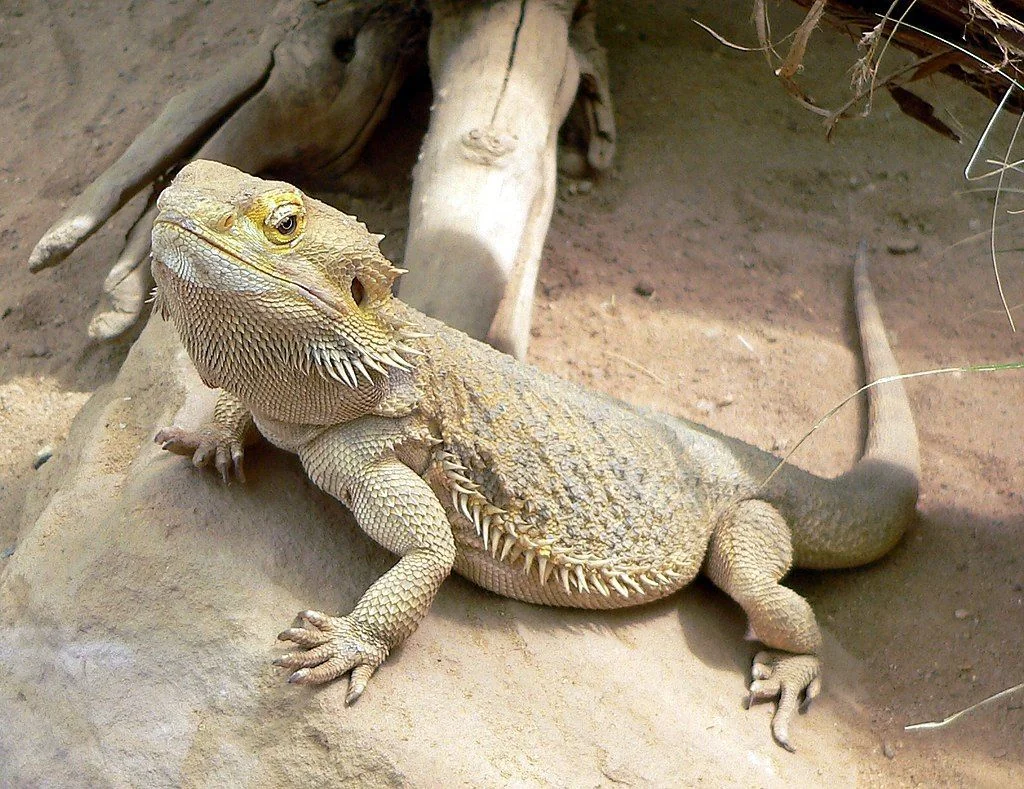
Best Bearded Dragon Substrate Options for your Dragon
Choosing the right substrate is crucial for the health and happiness of your bearded dragon. The substrate, or bedding, serves as the floor covering of their terrarium and plays a vital role in their overall well-being. It provides a comfortable surface for them to walk and bask on, helps regulate humidity, and facilitates natural behaviors like digging. With a plethora of options available, selecting the best bearded dragon substrate can feel overwhelming. This guide explores the top substrate choices, considering factors such as safety, ease of maintenance, and suitability for different terrarium sizes. We’ll delve into the pros and cons of each, helping you make an informed decision for your scaly friend. Remember, the ideal substrate mimics their natural habitat and supports their physical and psychological needs.
Loose Substrate Options
Loose substrates offer a more natural environment, encouraging digging and burrowing behaviors that are essential for bearded dragons’ mental stimulation. However, they require more diligent monitoring and cleaning to prevent impaction, a potentially life-threatening condition. Impaction occurs when a reptile ingests substrate, leading to a blockage in their digestive system. It is important to note that no substrate is completely risk free, but proper care minimizes potential hazards. When choosing loose substrate, consider the particle size, dust content, and whether it is digestible if ingested. It’s also important to consider whether your dragon is a juvenile or adult, as juvenile dragons are more prone to ingesting substrate.
Sand Substrates
Sand is a popular choice, mimicking the arid environments bearded dragons thrive in. The key is to select the right type of sand. Avoid calcium sand entirely. It clumps when wet and can be ingested and cause impaction. The two best sand choices are play sand and reptile sand. Play sand is inexpensive and readily available but must be cleaned and sieved before use to remove dust and larger particles. Reptile sand is a safer choice as it is generally pre-washed and formulated for reptiles. Both sand types provide a good surface for digging and basking. Always monitor your bearded dragon’s eating habits and watch for signs of impaction, such as lethargy or changes in bowel movements.
Calcium Sand

Calcium sand, despite its name, is not a good substrate choice. While it is often marketed as digestible, it can still pose a risk of impaction if ingested in large quantities. Additionally, calcium sand can clump when wet, creating a sticky mess that is difficult to clean. The marketing behind calcium sand can be misleading. It is far better to supplement calcium separately in the diet and to avoid using calcium sand as a substrate altogether. Regular dusting of insects with calcium and vitamin D3 is a far safer way to supplement your bearded dragon’s calcium intake.
Reptile Sand
Reptile sand is a safer sand option compared to calcium sand. It is generally pre-washed and often contains natural clay, which can help it bind and reduce dust. Reptile sand still carries a small risk of impaction, especially for young dragons. Always supervise your bearded dragon during feeding and ensure that the sand is not ingested excessively. You can minimize the risk by feeding your dragon in a separate enclosure or using a feeding dish. Observe your dragon for any signs of impacted, such as straining during defecation. In most cases, reptile sand provides a good balance between natural aesthetics and safety.
Bioactive Substrates
Bioactive substrates are the gold standard for reptile care, providing a self-cleaning environment that mimics a bearded dragon’s natural habitat. They consist of a mixture of organic materials, such as soil, sand, and leaf litter, and are populated with beneficial organisms, like springtails and isopods. These tiny creatures break down waste, creating a balanced ecosystem that reduces the need for frequent cleaning. However, establishing a bioactive setup requires careful planning and initial investment. It also necessitates maintaining the proper humidity levels. Consider this option if you want to provide the most natural and enriching environment for your bearded dragon and are willing to commit to the setup and monitoring.
Benefits of Bioactive Substrates
Bioactive substrates offer numerous advantages over other substrate types. They create a more natural and stimulating environment, promoting natural behaviors like digging and foraging. The beneficial organisms effectively break down waste, reducing odors and the need for frequent cleaning. This self-cleaning aspect also minimizes the risk of harmful bacteria and parasites. Bioactive setups also help maintain humidity levels more consistently, which is beneficial for shedding and overall health. Additionally, they can reduce stress, keeping the bearded dragon happy and mentally stimulated. For the experienced reptile owner, a bioactive setup provides a comprehensive and enriching habitat that improves the quality of life for your bearded dragon.

How to Set Up a Bioactive Terrarium
Setting up a bioactive terrarium involves several key steps. First, select a substrate mix specifically formulated for arid environments. These mixes usually contain a blend of soil, sand, and other organic materials. Next, introduce the clean-up crew: springtails and isopods. These tiny creatures will start breaking down waste. The next step is to create a drainage layer, which prevents waterlogging. Finally, add decorations such as rocks, branches, and plants that will provide enrichment for your dragon. After this setup, you’ll need to monitor the environment to ensure the humidity and temperature levels are correct. Supplement with appropriate UVB and heat lighting. While the setup is more complex than simpler setups, it can also be extremely rewarding.
Solid Substrate Options
Solid substrates are easy to clean and minimize the risk of impaction. They are often recommended for young bearded dragons. While they lack the natural aesthetic and digging opportunities of loose substrates, they are a practical option for beginners. Always make sure to maintain the correct temperature and humidity levels to compensate for any potential shortfalls. They offer a safe environment and are a good choice for beginner owners, who can focus on providing proper husbandry. The main disadvantage is the lack of enrichment. It is important to provide toys and other methods of enrichment.
Paper Towels

Paper towels are one of the simplest and safest substrate options. They are inexpensive, readily available, and easy to clean. They eliminate the risk of impaction and allow for easy monitoring of feces. The main drawback is the lack of aesthetic appeal and lack of enrichment for the dragon. Paper towels require frequent changing, usually daily, to maintain cleanliness. This is because they quickly become soiled. They’re a practical choice for quarantine or when you need to closely monitor your dragon’s health, but not ideal for long-term use. They are especially great for juvenile dragons, which are particularly prone to ingesting substrate.
Ceramic Tiles
Ceramic tiles are another excellent solid substrate option. They are non-porous, easy to clean, and can be reused indefinitely. Tiles provide a good surface for basking and maintaining hygiene. They are also more aesthetically pleasing than paper towels, and offer a more permanent solution. However, tiles can be more expensive initially and might require trimming to fit the terrarium perfectly. You need to ensure you are using textured tiles so that your dragon has traction. Overall, ceramic tiles are a safe and attractive option for bearded dragons, providing ease of maintenance and a secure surface.
Substrate Considerations for Terrarium Size
The size of your bearded dragon’s terrarium significantly influences the best substrate choice. A larger enclosure provides more space for a variety of substrate options, while smaller enclosures may limit your choices. Always consider the space available when making your final selection. Ensure the substrate is suitable for your dragon’s size and activity level. A larger dragon will benefit from a more complex substrate.
Small Terrariums
In smaller terrariums, solid substrates like paper towels or ceramic tiles are often the most practical choice. They’re easy to clean and minimize the risk of impaction, which is especially important in smaller enclosures. A shallow layer of reptile carpet or a thin layer of safe sand can be considered, but careful monitoring is required. The smaller space can increase the risk of ingestion of the substrate. For small spaces, prioritize safety and ease of maintenance.
Medium Terrariums
Medium-sized terrariums offer more flexibility. You can use a combination of substrates. A base layer of reptile sand, tile, or bioactive substrate can be used, along with providing additional areas with rocks. Bioactive substrates become a good option in medium terrariums. They are often suitable for juvenile and adult dragons. You can also include a small digging area if sand is the substrate choice. A medium terrarium allows you to create a varied and enriching environment for your bearded dragon.
Large Terrariums
Large terrariums offer the most flexibility. You can comfortably use a deep layer of a safe loose substrate, such as reptile sand or a bioactive substrate. These setups allow for more natural behaviors. A large terrarium also provides space for varied temperature gradients, basking spots, and enrichment items. You can create a complex, enriching environment, closer to the bearded dragon’s natural habitat. In large enclosures, a bioactive setup can be a highly effective option, reducing the need for frequent cleaning. It is very important to consider and follow substrate recommendations.
Substrate Safety and Maintenance

Regardless of the substrate choice, proper maintenance and safety practices are essential for the well-being of your bearded dragon. Regular cleaning, appropriate humidity, and attention to the substrate’s condition will help ensure a healthy environment. Always monitor your dragon’s behavior and health. If there are any concerns, consult with a reptile veterinarian. Be diligent about the substrate you select and maintain. Your attention to detail will provide a thriving habitat.


Cleaning and Spot Cleaning
Cleaning is essential to keep your bearded dragon’s habitat healthy. Spot clean the substrate daily, removing feces and any soiled areas. The frequency of deep cleaning depends on the substrate type and the size of the enclosure. For solid substrates, a thorough cleaning should be done weekly. For loose substrates, the frequency will be more. You must remove and replace the substrate completely. Use a reptile-safe disinfectant for cleaning the enclosure. Ensure that everything is completely dry before returning your dragon to the terrarium. Regular and consistent cleaning minimizes the risk of bacterial growth.

Substrate Replacement
Regular substrate replacement is crucial for maintaining a healthy environment. For solid substrates, replace them weekly, or more often if soiled. For loose substrates, replace the entire substrate every 1–3 months, depending on the type and how well it’s maintained. The entire terrarium should be cleaned and disinfected. Remove all of the contents. Thoroughly clean and disinfect the enclosure. Allow it to dry completely before adding fresh substrate. This will prevent the build-up of harmful bacteria and provide the environment for a healthy and happy bearded dragon.
Choosing the Right Substrate for Your Dragon
Selecting the right substrate is a critical aspect of bearded dragon care, directly impacting their health and happiness. Consider your dragon’s age, the size of the enclosure, and your ability to maintain the substrate. Prioritize safety above all. Choose a substrate that minimizes the risk of impaction. With careful consideration of these factors, you can choose a substrate that promotes the well-being of your bearded dragon and contributes to their overall happiness. By using this guide, you should now be able to select the perfect substrate, which is essential to providing a long and happy life for your bearded dragon.