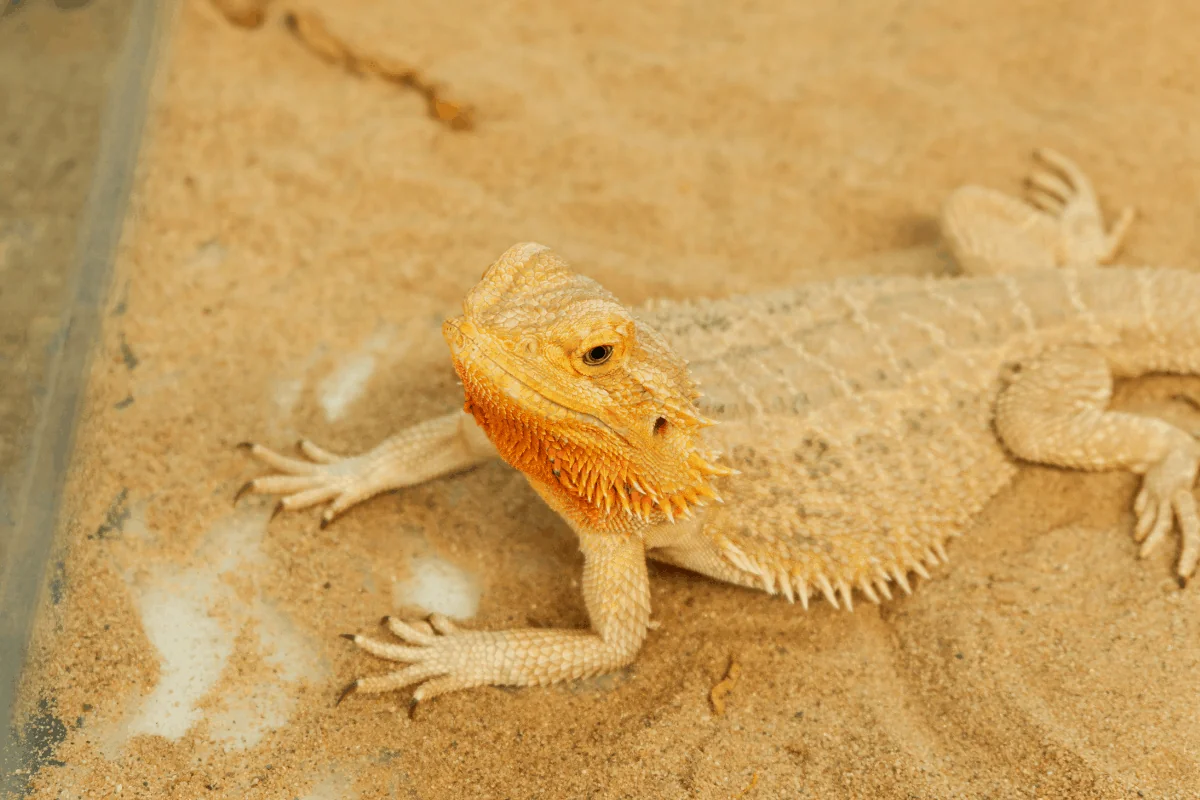
Understanding Bearded Dragon Substrate Needs
Choosing the right substrate is one of the most critical decisions for bearded dragon owners, profoundly influencing the health, comfort, and overall well-being of their pet. The substrate serves as the foundation of the bearded dragon’s habitat, providing a surface to walk on, a place to burrow, and a material to interact with. A well-chosen substrate mimics the dragon’s natural environment, fostering a sense of security and encouraging natural behaviors, which is essential for their psychological and physical health. Understanding the specific needs of your dragon, considering factors like age, health, and the desired aesthetic for the enclosure, will guide you towards the most suitable substrate options.
Why Substrate Matters for Bearded Dragons
The substrate’s importance extends beyond mere aesthetics, playing a crucial role in various aspects of a bearded dragon’s life. It significantly impacts their ability to regulate body temperature, their hygiene, and their overall environment. A good substrate allows the dragon to burrow, a natural behavior crucial for thermoregulation and stress relief. It also affects the humidity levels in the enclosure, which is important for shedding and overall skin health. Furthermore, the substrate can influence the dragon’s ability to absorb nutrients and prevent potential health problems such as impaction. Therefore, the substrate is not just a bottom layer; it is an integral part of the habitat.
Impact of Substrate on Dragon’s Health
The choice of substrate directly affects a bearded dragon’s health, either promoting it or potentially leading to serious issues. The wrong substrate can cause impaction, a life-threatening condition where the digestive system becomes blocked. Certain substrates, especially those that are easily ingested, pose this risk. Additionally, the substrate can affect the dragon’s skin health; dusty substrates can cause respiratory problems, and substrates that don’t retain moisture can lead to dry skin and shedding issues. Conversely, a suitable substrate supports healthy shedding, provides a clean environment, and encourages natural behaviors, all of which contribute to a thriving dragon.
Common Substrate Types for Bearded Dragons
Several substrate options are available for bearded dragons, each with its own set of advantages and disadvantages. These range from simple and safe options to more complex, naturalistic setups. The common types include sand, tile, paper towels, soil mixes, and bioactive substrates. Each type caters to different needs and aesthetics, and the best choice will depend on the owner’s priorities and the dragon’s specific requirements. Careful consideration of factors like hygiene, ease of maintenance, and the potential for impaction is crucial when selecting the most appropriate substrate.
Sand as a Substrate Option Pros and Cons
Sand is a popular substrate choice due to its natural appearance and the digging opportunities it provides. Many owners like the way it mimics the dragons’ natural habitat. The pros include the ability for the dragon to dig and burrow, which is a natural behavior that promotes enrichment, exercise, and stress relief. However, sand can also pose significant risks. There is a high chance of impaction, especially if the dragon ingests the sand. Additionally, sand can harbor bacteria and be difficult to clean effectively, potentially leading to health problems if not managed properly. This makes careful consideration and frequent cleaning essential if sand is chosen.

Calcium Sand Dangers for Bearded Dragons

Calcium sand, often marketed as a safe option, can be particularly dangerous for bearded dragons. While it may seem appealing due to its calcium content, which can be beneficial, it is still very ingestible. If ingested, the calcium can clump and cause severe impaction, which requires immediate veterinary intervention. Moreover, some calcium sands are not easily digestible, exacerbating the risk of health complications. It is generally advised to avoid calcium sand, as the potential risks outweigh the perceived benefits. If calcium supplementation is required, it should be provided through proper dusting of insects or in the dragon’s food.
Tile and Paper Towel Substrates Alternatives
For those seeking safer, easily maintained options, tile and paper towels are excellent alternatives to sand. These substrates minimize the risk of impaction and are straightforward to clean. They are particularly suitable for younger dragons or those prone to health issues. Tile is often preferred for its aesthetic appeal and heat retention properties, while paper towels offer unparalleled hygiene and simplicity. Both options have their unique advantages, and the ideal choice often depends on the owner’s preferences and lifestyle.
Pros and Cons of Tile Substrate
Tile substrate provides a sleek and practical surface for bearded dragons. The pros of using tile include its durability, ease of cleaning, and excellent heat retention, which helps regulate the temperature in the enclosure. Tile is non-ingestible, eliminating the risk of impaction, and it comes in various colors and textures, allowing owners to customize the look of their dragon’s habitat. However, tile has drawbacks. It can be slippery, which might cause discomfort for the dragon, and it doesn’t provide any burrowing opportunities. Additionally, while it is easy to clean, it offers no natural enrichment or stimulation for the dragon’s natural behaviors.
Pros and Cons of Paper Towel Substrate
Paper towels are a hygienic and easy-to-manage substrate choice. The pros of using paper towels include their simplicity, absorbency, and ease of cleaning. They are ideal for quarantining new dragons or those with health issues, as they allow for immediate detection of waste and parasites. They are also cost-effective and readily available. The cons are mostly related to aesthetics and lack of enrichment. Paper towels do not offer any digging opportunities and can appear sterile. They also need to be changed frequently, which can become a hassle for some owners. Despite these downsides, paper towels provide a safe, clean, and convenient substrate option.
Loose Substrates for Enrichment and Comfort
While tile and paper towels offer safety and ease of maintenance, loose substrates like soil and play sand can significantly enhance the dragon’s environment by stimulating their natural behaviors. These substrates allow the dragon to dig, burrow, and explore, promoting mental stimulation and reducing stress. However, it is important to choose safe, non-toxic options and to carefully monitor the dragon for any signs of impaction or other health issues. This balance of enrichment and safety is key when selecting a loose substrate.
Soil and Play Sand Substrates
Soil and play sand substrates can create a more natural and engaging environment. A mixture of soil, sand, and other components allows the dragon to burrow, dig, and explore. Play sand is generally safer than construction sand, as it is typically screened and free of harmful chemicals. However, it is important to mix the sand with other substrates, such as organic topsoil and coco coir, to enhance its moisture retention and reduce the risk of impaction. Careful monitoring and regular spot cleaning are also crucial to maintain hygiene and prevent health problems.

Bioactive Substrate Setups for Bearded Dragons
Bioactive substrates mimic a natural ecosystem and offer the most enriching environment for bearded dragons. These setups utilize a combination of layers, including a drainage layer, substrate, and bioactive organisms like springtails and isopods that break down waste and maintain a healthy environment. This approach reduces the need for frequent cleaning and creates a self-sustaining ecosystem. While these systems require more initial setup and maintenance, the benefits for the dragon’s health and well-being can be significant, offering a stimulating, naturalistic environment.
Creating a Bioactive Environment
Creating a bioactive environment involves careful planning and the right materials. This setup typically consists of a drainage layer (such as clay balls), a substrate layer (a mix of organic soil, sand, and other materials), and the introduction of beneficial organisms like springtails and isopods. These organisms act as a clean-up crew, breaking down waste and preventing the buildup of harmful bacteria. The setup also requires proper lighting, humidity, and temperature conditions to support both the dragon and the ecosystem. Regular monitoring and maintenance are also crucial for a healthy bioactive setup. It’s recommended to research different bioactive mix combinations for your dragon.
Maintaining the Bioactive System
Maintaining a bioactive system requires a balance of providing the right conditions and allowing the ecosystem to thrive. This includes monitoring humidity and temperature levels, providing appropriate lighting (UVB and heat), and ensuring the substrate remains moist but not waterlogged. Regular spot cleaning is still necessary to remove large waste items, but the bioactive organisms will handle most of the waste breakdown. Occasional additions of beneficial organisms may be required to maintain the population. Proper maintenance will ensure that the ecosystem functions effectively, providing a healthy and stimulating environment for the bearded dragon. Regular inspection of your dragon’s health is also important.
Essential Considerations When Choosing Substrate

When choosing a substrate, several factors should be carefully considered to ensure the well-being of your bearded dragon. These factors include the substrate’s ability to absorb moisture and control odors, the ease of cleaning and maintenance, and, most importantly, its safety and non-toxicity. Each of these elements plays a vital role in creating a healthy and comfortable environment for your pet. Prioritizing these aspects will help you make an informed decision that supports the long-term health and happiness of your bearded dragon.
Absorption and Odor Control
The substrate’s ability to absorb moisture and control odors is vital for maintaining a clean and healthy environment. A good substrate should effectively absorb urine and other waste products, minimizing the risk of bacterial growth and unpleasant smells. Materials like paper towels and certain soil mixes are excellent for absorption. Poor absorption can lead to a damp and unsanitary environment, which can cause skin issues and attract harmful bacteria. Regular spot cleaning and changing the substrate are essential practices regardless of the substrate type, but a substrate with good absorption properties will make this easier and more effective.

Ease of Cleaning and Maintenance
The ease of cleaning and maintenance is another essential consideration, as it directly impacts the hygiene and overall care of the habitat. Substrates like tile and paper towels are easy to clean, requiring only regular wiping or replacement. Other substrates, like loose substrates, require more thorough cleaning and spot-cleaning routines. Consider your lifestyle and how much time you are willing to dedicate to maintenance when choosing a substrate. A substrate that is easy to clean will save time and effort, allowing you to focus more on interacting with your bearded dragon and ensuring its overall well-being. Remember, regular cleaning and maintenance are non-negotiable for a healthy habitat.
Safety and Non-Toxicity
The safety and non-toxicity of the substrate are paramount for the health of your bearded dragon. The substrate should not be easily ingested and should not contain any harmful chemicals or toxins. Avoid sand that is too fine, which increases the risk of impaction. Make sure all materials used are specifically designed for reptile habitats. Before introducing any substrate to your dragon’s enclosure, thoroughly research the materials and choose options that are known to be safe and non-toxic. This proactive approach will prevent potential health issues and keep your bearded dragon safe and comfortable.
Selecting the Right Substrate for Your Dragon
Choosing the right substrate for your bearded dragon involves understanding the individual needs of your pet. Consider factors such as age, health, and the desired environment. For instance, young dragons are more vulnerable to impaction, making safer options like tile or paper towels a better choice. A healthy adult can thrive in a naturalistic environment. Tailoring the substrate to your dragon’s specific needs will promote their health, comfort, and natural behaviors, ensuring they have a thriving and stimulating home. Always prioritize safety and enrichment when making your selection.
Dragon’s Age and Health Condition

The age and health condition of your bearded dragon significantly influence the best substrate choice. Young dragons are more prone to impaction, so safer options like paper towels or tile are recommended. Adult dragons, if healthy, can often tolerate looser substrates like soil mixes. Dragons with health issues, such as respiratory problems, may benefit from dust-free substrates like tile. It’s vital to consider these factors when selecting the substrate to ensure the dragon’s safety and well-being. Regular veterinary check-ups are also important.

Enrichment and Natural Behaviors
The substrate should encourage natural behaviors and enrich the dragon’s environment. Allowing them to dig and burrow can reduce stress and promote exercise. A substrate that offers opportunities for exploration enhances the dragon’s mental and physical health. Bioactive setups offer the highest level of enrichment, but even simpler choices like a soil and sand mix can provide valuable benefits. Consider the dragon’s needs for enrichment to create a stimulating and fulfilling habitat.
Best Practices for Substrate Maintenance
Maintaining the substrate properly is crucial for the health and longevity of your bearded dragon. Regular spot cleaning to remove waste, uneaten food, and shed skin is a must. The frequency of cleaning depends on the type of substrate. With paper towels, you’ll need to change the towels frequently. Loose substrates might require a more frequent cleaning schedule. Additionally, the substrate should be completely changed periodically to prevent bacterial buildup and maintain a healthy environment. Proper maintenance involves consistent care to prevent health problems and ensure your dragon thrives.
In conclusion, selecting the right substrate for your bearded dragon is an essential aspect of responsible pet ownership. By considering the various substrate options, understanding their pros and cons, and tailoring your choice to your dragon’s specific needs, you can create a healthy, comfortable, and enriching environment. Regular maintenance and monitoring are also key to ensuring the well-being of your pet. Ultimately, a well-chosen and maintained substrate will contribute to a happy, healthy, and thriving bearded dragon.