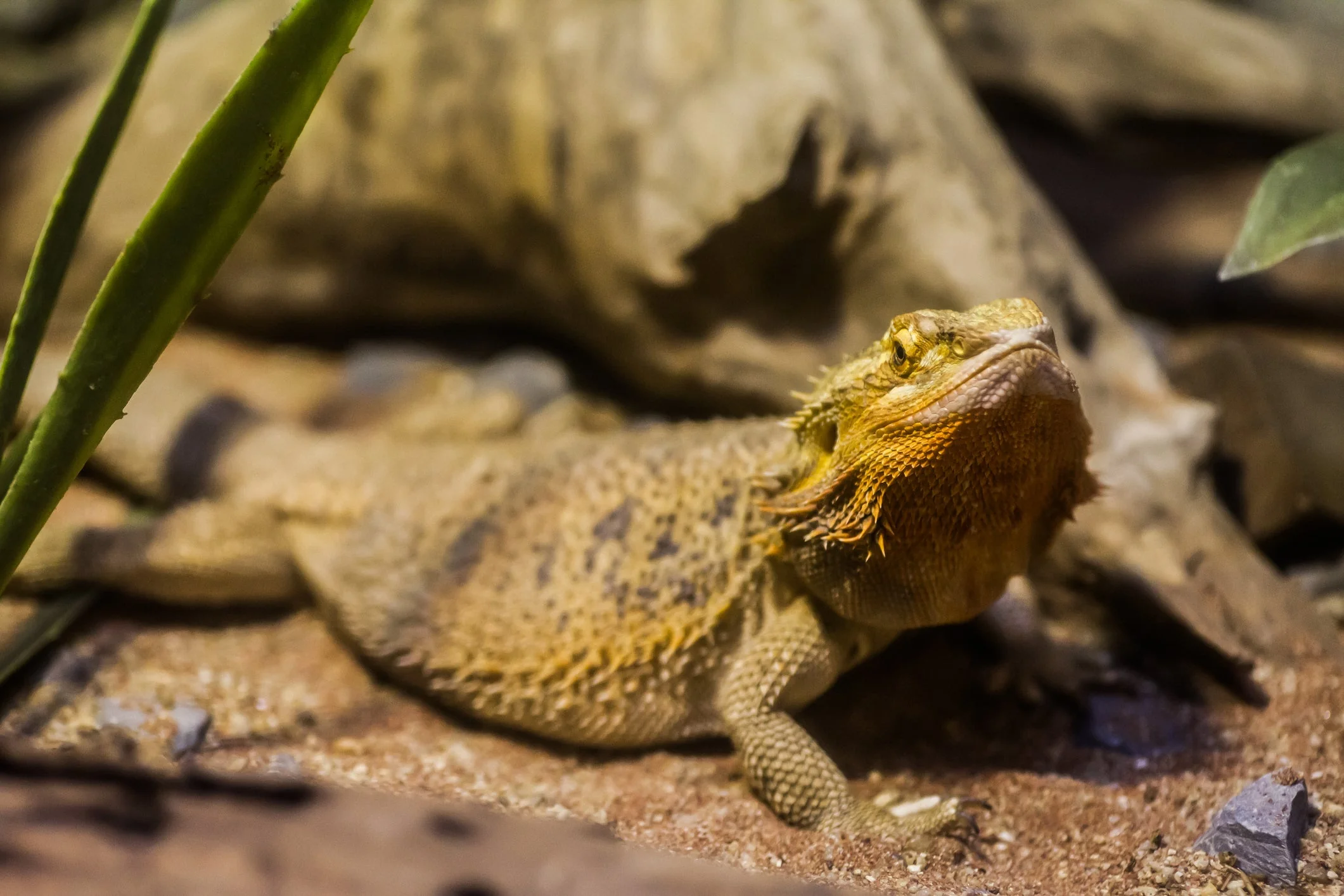
Choosing the Right Substrate for Your Bearded Dragon
Choosing the right substrate is a crucial aspect of bearded dragon care. The substrate is the material that lines the bottom of your dragon’s enclosure, providing a surface for them to walk on, burrow in (if applicable), and interact with. A well-chosen substrate will not only enhance your bearded dragon’s environment but also contribute significantly to their overall health and well-being. A poor substrate choice, conversely, can lead to a variety of health issues, including impaction, respiratory problems, and skin irritation. This guide will help beginners navigate the options and make informed decisions for their scaly companions.
Substrate Safety and Hygiene
Safety and hygiene are paramount when it comes to bearded dragon substrates. The substrate should be non-toxic, free of sharp edges, and easy to clean and maintain. A safe substrate minimizes the risk of accidental ingestion, which can lead to impaction, a potentially fatal condition. Hygiene is also critical. The substrate can harbor bacteria, parasites, and other pathogens if not properly maintained. Regular cleaning and replacement of the substrate are necessary to prevent the buildup of harmful microorganisms and ensure a healthy environment for your bearded dragon. Furthermore, proper hygiene helps control odors and keeps the enclosure fresh.
Understanding Different Substrate Types


There are two main categories of substrates loose and solid. Each type has its own set of advantages and disadvantages, and the best choice often depends on your individual preferences and your bearded dragon’s specific needs. Understanding the characteristics of each type is essential for making an informed decision that promotes the health and well-being of your pet.
Loose Substrates
Loose substrates are composed of small, particulate materials that allow bearded dragons to dig and burrow, mimicking their natural habitat. They include options like reptile carpet, paper towels, or tiles. Some popular examples include play sand (washed and graded), a bioactive substrate mix (containing soil, sand, and other components), and specially formulated reptile substrates. While they can provide a more naturalistic environment and allow for natural behaviors, they also pose a higher risk of impaction if ingested. It is important to note that some loose substrates can be very dusty and cause respiratory issues.
Solid Substrates
Solid substrates offer a simpler, easier-to-clean option. These include reptile carpet, paper towels, and tiles. Reptile carpet is a synthetic material designed to mimic natural textures, while paper towels offer a disposable and easily replaceable option. Tiles provide a durable and non-absorbent surface that is easy to clean and maintain. Solid substrates are generally considered to be safer than loose substrates because they eliminate the risk of impaction. However, they may not allow for natural digging behaviors and can be less visually appealing. They also may not retain humidity as well as some loose substrates.
Substrate Selection for Bearded Dragons
The ideal substrate for a bearded dragon should be safe, hygienic, and conducive to their natural behaviors. The best choice often depends on a variety of factors, including the dragon’s age, health, and the keeper’s maintenance capabilities. It is also essential to consider the specific needs of the dragon, such as humidity requirements, to choose a substrate that supports their overall well-being. The substrate’s texture and composition also play a crucial role in promoting healthy skin and preventing irritation.
Factors to Consider When Choosing Substrate

Several factors should be taken into consideration when selecting a substrate for your bearded dragon. These factors will influence your choice and ensure that you create the best possible environment for your pet.
Age of the Bearded Dragon
The age of your bearded dragon is a crucial consideration when selecting a substrate. For juvenile dragons, loose substrates like play sand are generally not recommended due to the increased risk of accidental ingestion. Young dragons are more prone to eating substrate while hunting or exploring, leading to potential impaction. For younger dragons, paper towels, reptile carpet or tiles are often the safest options because they are non-ingestible and easy to clean. As your dragon matures, you can consider introducing a more naturalistic substrate, but always monitor your dragon’s behavior closely.
Humidity Requirements
Bearded dragons require a specific humidity level in their enclosure to thrive. The substrate plays a significant role in regulating humidity. Some substrates, like bioactive mixes or certain types of soil, can help maintain a higher humidity level, which is beneficial during shedding. Other substrates, such as sand and tiles, do not retain moisture as well, making them suitable for environments where lower humidity is desired. When selecting a substrate, consider your dragon’s specific humidity needs and choose a substrate that supports those requirements. Regularly monitor the humidity levels with a hygrometer to ensure they remain within the appropriate range.
Ease of Cleaning and Maintenance

Cleaning and maintaining the substrate is an essential part of bearded dragon care. Choose a substrate that is easy to clean and replace regularly. Paper towels and reptile carpet are easily cleaned and replaced, while solid substrates often require less frequent maintenance. Loose substrates may require spot cleaning daily and complete replacement every few weeks or months, depending on the type and use. Choose a substrate that suits your lifestyle and maintenance abilities to ensure that you can maintain a healthy environment for your bearded dragon without undue effort.
Avoiding Common Substrate Mistakes

Several common mistakes can be avoided when selecting and maintaining a substrate for your bearded dragon. These mistakes can pose significant risks to your dragon’s health, so it’s important to be aware of them and take appropriate measures.
Impaction Risk
Impaction is a serious health concern for bearded dragons, often caused by the accidental ingestion of substrate. Loose substrates, like sand or small wood chips, are particularly risky because they can be swallowed with food or during exploration. The substrate can then accumulate in the digestive tract, leading to blockage and potentially life-threatening complications. To minimize the risk of impaction, choose a substrate that is non-ingestible or use a feeding dish to separate food from the substrate.
Signs of a Poor Substrate Choice
A poor substrate choice can manifest in various ways, indicating potential health problems. Watch for these signs and take corrective action immediately. If your dragon exhibits any of these symptoms, it is crucial to review your substrate choice and environmental conditions.
- Lethargy and decreased appetite
- Constipation or straining during defecation
- Regurgitation of food
- Swollen abdomen
- Respiratory problems, such as wheezing or difficulty breathing
- Skin irritation or abrasions
- Presence of parasites or unhealthy bacteria
Maintaining Your Bearded Dragon’s Substrate
Proper substrate maintenance is crucial for ensuring the health and well-being of your bearded dragon. Regular cleaning, spot cleaning, and timely replacement are essential to prevent the buildup of harmful bacteria and maintain a hygienic environment. Adhering to a consistent maintenance schedule and using appropriate cleaning methods will keep your bearded dragon’s enclosure clean, fresh, and safe.
Cleaning and Spotting the Substrate
Spot cleaning involves removing any visible waste, such as feces and uneaten food, from the substrate daily. Use a designated scoop or tongs to remove waste quickly and efficiently. This helps prevent the spread of bacteria and keeps the enclosure clean. For solid substrates, simply wipe down the surface with a reptile-safe disinfectant after spot cleaning. For loose substrates, sift through the substrate to remove any solid waste.
Replacing the Substrate

The frequency of substrate replacement depends on the type of substrate used. Solid substrates like reptile carpet or tiles can be cleaned and replaced more frequently. Replace reptile carpet at least once a week and more often if soiled. For loose substrates, it’s generally recommended to replace the entire substrate every few weeks or months, depending on the type and usage. Thoroughly clean and disinfect the enclosure before adding fresh substrate.
Monitoring and Maintaining Humidity Levels
Regularly monitor the humidity levels in your bearded dragon’s enclosure, using a hygrometer. Humidity levels should be maintained within the appropriate range for your dragon’s specific needs. If the humidity is too high, it can lead to respiratory infections and other health problems. If it is too low, it can cause dehydration and difficulties with shedding. Adjust the ventilation and substrate as needed to maintain proper humidity.
Conclusion
Selecting the right substrate and maintaining it properly is a fundamental aspect of providing excellent care for your bearded dragon. Understanding the different types of substrates, considering the dragon’s age and environmental needs, and practicing regular cleaning and maintenance will help you create a healthy and comfortable habitat for your scaly companion. By following these guidelines, you can ensure that your bearded dragon thrives and enjoys a long, healthy life.
