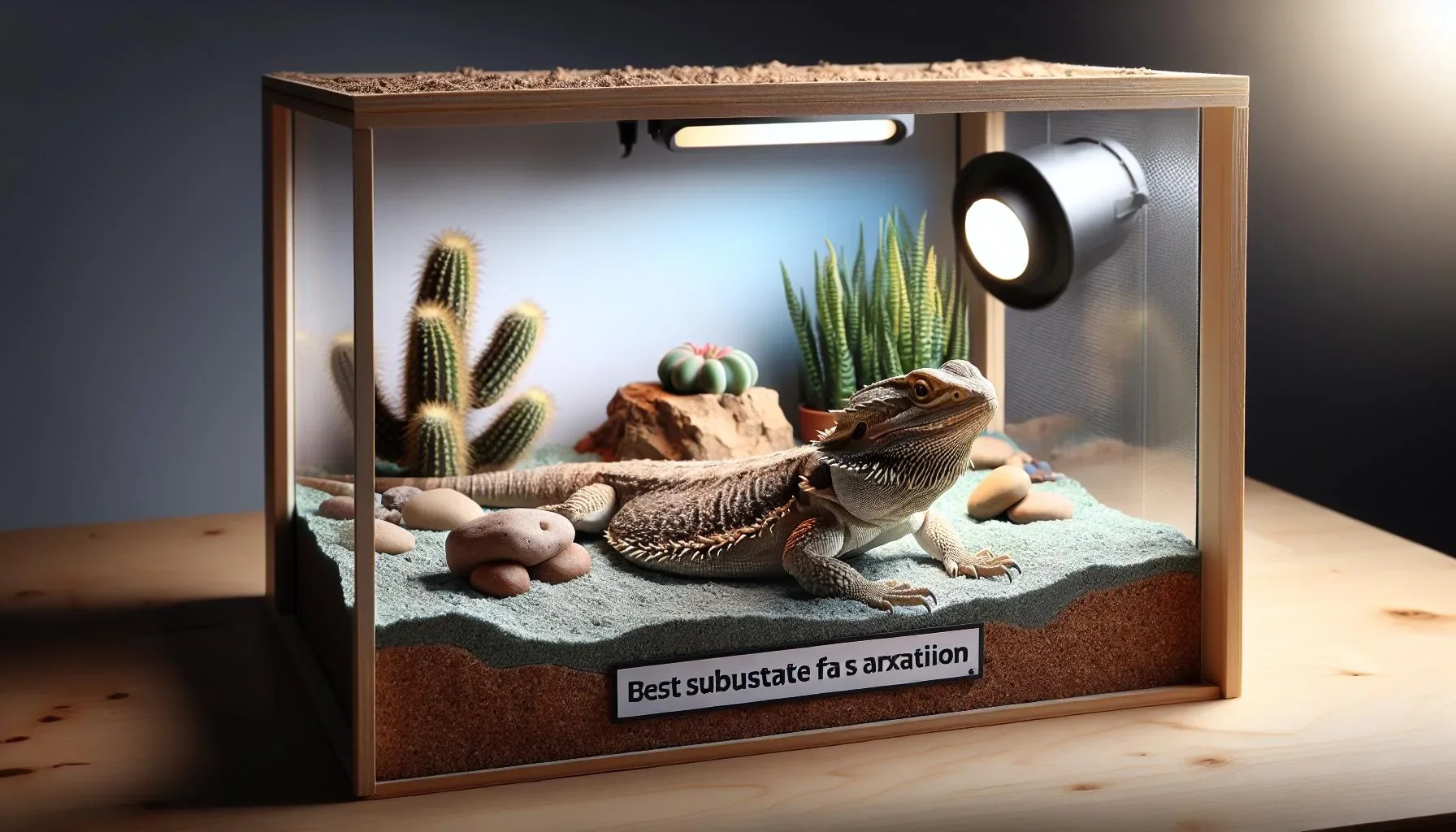
What to Consider When Choosing Bearded Dragon Substrate
Choosing the right substrate is crucial for the health and well-being of your bearded dragon. The substrate serves as the flooring for your reptile’s enclosure, providing a comfortable surface, aiding in humidity regulation, and influencing the overall hygiene of the habitat. Several factors must be considered when selecting a substrate for long-term use. These include the substrate’s ability to maintain a healthy environment, its impact on your dragon’s health and safety, and its ease of maintenance. Durability is also a critical factor. A durable substrate will last longer, reducing the frequency of replacements and saving you time and money. It is important to note that some substrates may look appealing or be initially affordable, but lack the durability necessary for long-term use, potentially leading to health complications and increased maintenance over time.
Substrate Material Types for Bearded Dragons
Several substrate options are available for bearded dragons, each with its pros and cons regarding durability, health, and maintenance. Selecting the correct substrate requires a clear understanding of the different materials and their suitability. The most common types of substrate include sand, tile, paper towels, reptile carpet, and soil-based mixtures. These materials vary in their composition, texture, and ability to support the needs of your dragon. Understanding these differences is essential to make an informed decision that enhances your bearded dragon’s quality of life and simplifies your care routine. The following sections will break down each substrate type, exploring its characteristics and durability.

Sand Substrate

Sand is a frequently debated substrate for bearded dragons. While it offers a naturalistic appearance and can facilitate natural digging behavior, it poses risks if ingested. The durability of sand varies depending on the type. Calcium sand can clump when wet, making it easier to clean but potentially leading to impaction if ingested. Silica sand is generally more durable but less digestible. When assessing sand’s suitability, consider its particle size and the likelihood of your dragon consuming it. Regular spot cleaning is essential, and complete replacement is necessary. Evaluate sand’s durability by checking for clumping, compaction, and dust production over time. While sand might look appealing, it needs consistent maintenance and has inherent risks, making it a less durable choice for a long-term substrate solution.
Tile Substrate
Tile, typically ceramic or stone, presents an excellent durable option for bearded dragons. Tiles are highly resistant to wear and tear, and they are easy to clean and disinfect. Their non-porous surface prevents the absorption of waste and bacteria, contributing to a hygienic environment. Tile substrates have excellent longevity because they are not easily damaged or broken down. The primary concern is the initial cost and potential for providing inadequate grip or heat retention. Durability tests include assessing the tile’s resistance to scratches, cracks, and chipping over time. Proper heat distribution is important. However, tile offers superior longevity and sanitation compared to other substrates, making it a durable choice for long-term use. Make sure the tile is not too smooth to allow your bearded dragon to have traction.
Paper Towel Substrate
Paper towels provide a simple and cost-effective substrate solution, particularly for young or sick bearded dragons. They are easy to replace and offer a clean environment. Their disposability eliminates the need for extensive cleaning, reducing the risk of bacterial growth and cross-contamination. The durability of paper towels is limited, as they require frequent changes, often daily, to maintain cleanliness. The constant replacement increases waste and can become time-consuming and expensive. When assessing its durability, consider the frequency of replacement and the material’s resistance to tearing. Paper towels are a short-term solution, making them a less durable option for a permanent substrate. They are, however, an excellent choice for quarantine or temporary use.
Reptile Carpet Substrate
Reptile carpet is a popular choice due to its convenience and ease of setup. It’s generally made of synthetic materials designed to mimic natural textures. These carpets are machine washable and can be reused, which potentially saves money over time. However, reptile carpets are not as durable as some other options, as they can harbor bacteria if not cleaned frequently and thoroughly. They can also snag claws, posing a safety risk. To assess its durability, evaluate how well it withstands repeated washing and the persistence of odors or stains. While convenient, reptile carpets require diligent cleaning to maintain hygiene and may not be the most durable choice due to their material composition and potential for wear and tear.


Soil Based Substrate
Soil-based substrates offer a more natural environment for bearded dragons, supporting their natural digging behaviors. These substrates often contain a mix of soil, clay, and sand, which helps retain moisture and promote humidity. The durability of soil-based substrates varies depending on the composition. High-quality mixes can last a considerable amount of time, provided they are properly maintained and spot-cleaned. It can be challenging to maintain, and it can harbor bacteria if not managed correctly. Durability testing should include assessing the substrate’s ability to maintain its structure and prevent compaction. This substrate requires regular spot cleaning and periodic replacement. Soil-based substrates provide a durable and enriching environment but necessitate diligent maintenance to ensure the health and safety of your bearded dragon.
Durability Testing Methodology

Testing the durability of bearded dragon substrates involves systematic assessments to evaluate their long-term performance. The testing methodology should include several key aspects, such as monitoring wear and tear, moisture retention, odor control, and ease of cleaning. These tests help determine how each substrate holds up under realistic conditions. Durability testing also includes the evaluation of the substrate’s lifespan, considering how long it maintains its functionality and appearance before needing replacement. By following a structured testing process, it is possible to determine which substrates offer the best durability and long-term value for your bearded dragon’s habitat.
Wear and Tear Assessment
The wear and tear assessment evaluates how well the substrate withstands regular use and the actions of the bearded dragon. This involves examining the substrate for signs of abrasion, scratching, or breakdown of the material. Tests should include simulating the daily activities of the dragon, such as walking, digging, and basking. Monitor the substrate’s surface for changes, such as loss of texture, cracking, or flaking. Record observations over time to determine the rate of wear and tear. A durable substrate should show minimal signs of degradation after extended use, maintaining its integrity and providing a safe and comfortable environment for your dragon.
Moisture Retention Assessment
Moisture retention is a vital factor for substrate functionality, especially for regulating humidity in the enclosure. This assessment measures how well the substrate absorbs and retains moisture. Tests include monitoring the substrate’s ability to hold moisture when exposed to water spills or misting. Measuring the moisture content over time can assess the substrate’s retention capabilities. Evaluate for mold growth and any changes in texture due to moisture exposure. The ideal substrate maintains a balanced moisture level without becoming excessively wet, which can lead to bacterial growth. A durable substrate will maintain its moisture-regulating properties and resist deterioration from moisture exposure.

Odor Control Assessment
Odor control is essential for maintaining a healthy and pleasant environment. This assessment evaluates the substrate’s ability to absorb and neutralize odors from waste and other organic materials. The testing process involves exposing the substrate to common sources of odor, such as feces and urine, and then monitoring the surrounding air for any lingering smells. Assess the substrate’s ability to trap and contain these odors, noting any changes in smell over time. A durable substrate should effectively control odors, preventing the buildup of unpleasant smells and maintaining a clean environment. This assessment helps determine the substrate’s effectiveness in promoting a hygienic environment for your bearded dragon.
Ease of Cleaning Assessment
The ease of cleaning is essential for simplifying maintenance and preserving the health of the habitat. This assessment evaluates how easily the substrate can be spot-cleaned and deep-cleaned. Testing includes the spot-cleaning process, noting how effectively the substrate removes waste and any associated debris. Also, evaluate the ease of performing deep cleaning, which may involve removing and replacing the substrate. The testing must assess the substrate’s resistance to staining, its ease of disinfecting, and how well it holds its form throughout the cleaning process. A durable substrate simplifies cleaning and contributes to a hygienic environment for your bearded dragon. Consider how quickly and efficiently you can maintain it, as well as its ability to be disinfected.
Substrate Lifespan Evaluation
Evaluating the lifespan of the substrate is necessary to determine its long-term value and usability. This process involves monitoring the substrate’s performance over a period, observing how it degrades over time. Regularly assess all aspects of its function: wear and tear, moisture retention, odor control, and ease of cleaning. Track when the substrate requires spot cleaning and replacement. Consider the frequency of necessary replacements to determine the material’s lifespan and the associated costs. A durable substrate maintains its functionality and appearance for an extended period. This evaluation helps you determine the best choice for your reptile habitat.
Factors Affecting Substrate Durability
Several factors affect the durability of substrates. These include the material composition, the quality of the material, the level of maintenance, and the environmental conditions within the enclosure. The material composition will affect how well the substrate resists wear and tear, moisture, and odors. High-quality materials are generally more durable, providing better performance over the long term. Regular and proper maintenance, like spot cleaning and deep cleaning, significantly extends the substrate’s lifespan. Environmental conditions, such as temperature and humidity, can also impact durability. Maintaining a suitable environment helps the substrate function effectively. Carefully evaluating these factors helps you select the most durable and long-lasting substrate for your bearded dragon.
Bearded Dragon Health and Safety
Substrate selection directly affects the health and safety of your bearded dragon. The substrate can significantly impact your dragon’s respiratory health, and any health risks associated with ingestion. Choosing a suitable and durable substrate is essential for avoiding common health issues.
Dust and Respiratory Issues
Dust can be a major respiratory health hazard for bearded dragons. Dusty substrates can irritate the respiratory system, leading to breathing difficulties and potential infections. Substrates that produce a lot of dust include certain types of sand and some soil mixes. To mitigate the risk, choose low-dust substrates like tile or paper towels. Regular cleaning and proper ventilation also help minimize dust accumulation. Observing your dragon for signs of respiratory distress, such as wheezing or open-mouth breathing, is also essential. Careful substrate selection and maintenance are crucial to preserving your dragon’s respiratory health.
Impaction Risks
Impaction is a severe health risk where a bearded dragon’s digestive system becomes blocked, often due to ingestion of substrate. Certain substrates, such as sand, are more likely to cause impaction if swallowed. The sand can clump together, preventing the passage of food through the digestive tract. To prevent impaction, opt for substrates that are not easily ingested, such as tile, paper towels, or reptile carpet. If you choose to use a substrate like sand, feeding your dragon in a separate container or using a feeding dish can help minimize the risk. Monitoring your dragon’s bowel movements and seeking veterinary care if impaction is suspected is vital. The proper substrate is crucial for preventing the risk of impaction and maintaining your dragon’s digestive health.
Maintenance and Cleaning Guide
Proper maintenance and cleaning practices are vital for extending the life of your substrate and maintaining a healthy habitat for your bearded dragon. Routine cleaning prevents the buildup of bacteria, and parasites. The cleaning schedule includes daily spot cleaning and a more comprehensive weekly deep cleaning. Following a consistent cleaning routine will keep your bearded dragon’s habitat clean and will also help preserve the integrity of the substrate.
Daily Spot Cleaning

Daily spot cleaning involves removing visible waste, such as feces and uneaten food, to maintain a clean environment. Use a small scoop or tongs to remove solid waste promptly. Regularly check the substrate for any signs of soiling and clean as needed. Replace any soiled areas of the substrate with clean material. Spot cleaning prevents the buildup of bacteria and the spread of odors. This simple routine will keep the habitat clean and prevent health issues.
Weekly Deep Cleaning
Weekly deep cleaning is vital for maintaining the overall hygiene of the enclosure and ensuring the substrate lasts longer. Remove all the substrate, clean the enclosure thoroughly with a reptile-safe disinfectant, and allow it to dry. Depending on the substrate, you may need to dispose of it entirely or thoroughly clean and disinfect it. For example, tile can be cleaned and reused, while paper towels should be replaced. Replace the substrate with a fresh, clean material and reassemble the enclosure. Deep cleaning prevents the buildup of harmful pathogens and helps maintain a safe and healthy environment for your bearded dragon. The frequency of cleaning may vary depending on the substrate type.
Substrate Replacement Schedule
Establishing a regular substrate replacement schedule is essential for preserving the health and hygiene of your bearded dragon’s habitat. The replacement frequency varies based on the type of substrate used, its durability, and the level of maintenance. Substrates like paper towels need to be replaced frequently, daily or every few days. Tile substrates may only require spot cleaning and deep cleaning on a schedule. Soil-based substrates need full replacement every month or so. Following the manufacturer’s recommendations and the specific substrate’s characteristics is important. Regular substrate replacement prevents the accumulation of waste, bacteria, and odors, ensuring a safe and healthy environment for your bearded dragon.