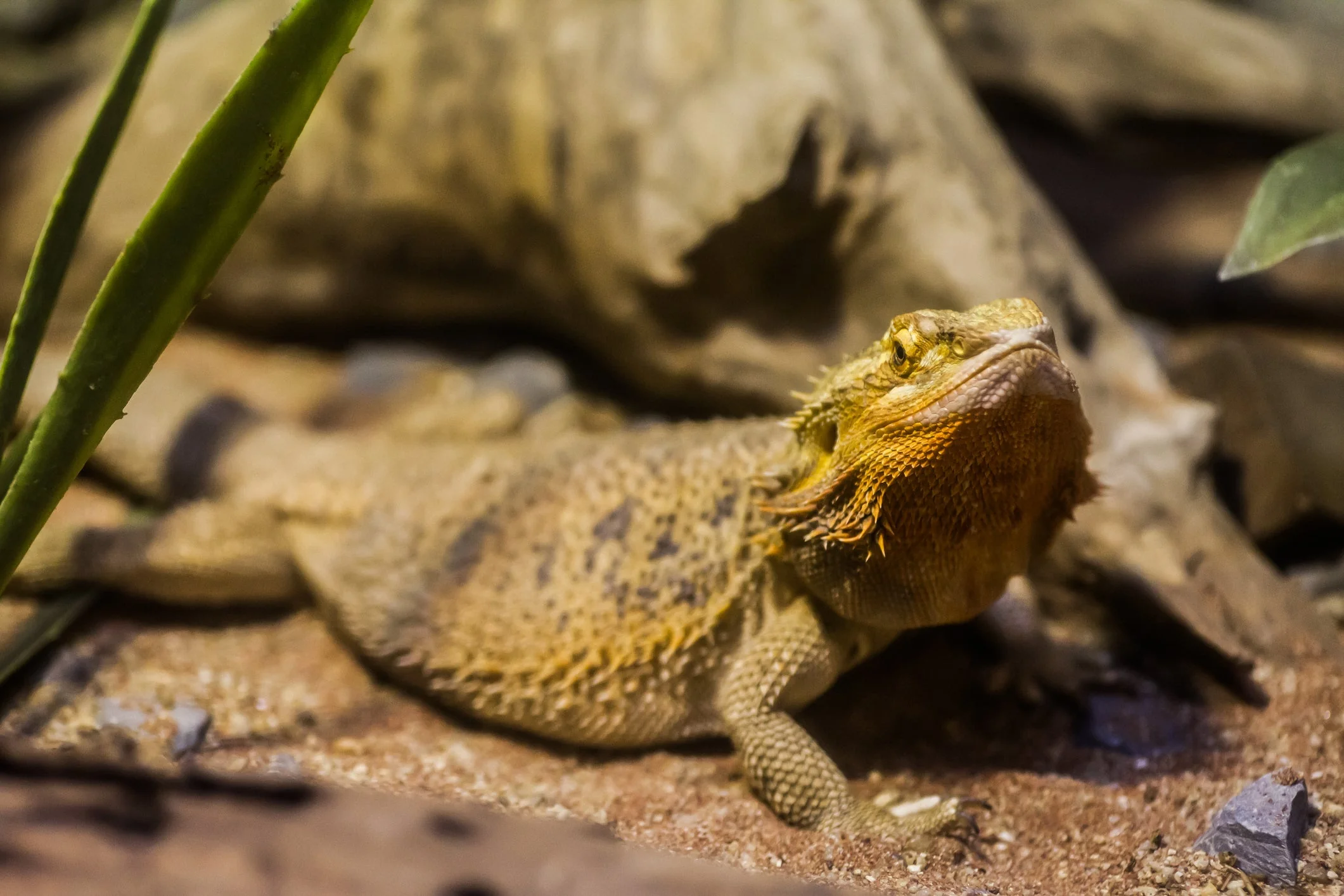
Understanding Bearded Dragon Substrate
Bearded dragons, native to the arid regions of Australia, require a specific type of environment to thrive in captivity. A critical component of this environment is the substrate, the material that lines the bottom of their enclosure. The substrate serves several vital purposes, including absorbing waste, regulating humidity, providing a comfortable surface for the dragon to walk and burrow on, and contributing to the overall aesthetic of the enclosure. The right substrate is crucial for the health and well-being of your bearded dragon, while the wrong choice can lead to serious health issues. Selecting the appropriate substrate and implementing a proper cleaning and replacement routine are essential aspects of bearded dragon care. Understanding the functions of substrate is the first step in ensuring a healthy habitat for your reptile companion.
Choosing the Right Substrate
Choosing the right substrate is a foundational element of bearded dragon care, and it can significantly impact your pet’s health and happiness. The ideal substrate should be non-toxic, easy to clean, and capable of maintaining a healthy humidity level. Avoid substrates that are dusty or can cause impaction if ingested. Sand, in particular, has often been a subject of debate. While some argue that it can be used, it poses a significant risk of ingestion, especially if not mixed with a larger particle substrate. Additionally, it’s important to consider the ease of cleaning when selecting a substrate. Substrates that are easy to spot clean and replace regularly are the most practical and hygienic choice. Ultimately, the best substrate is one that combines safety, cleanliness, and provides an enriching environment for your bearded dragon.
Substrate Types to Avoid
Several substrate options should be strictly avoided due to the potential health risks they pose to bearded dragons. Sand is a common culprit, especially if it’s fine or loose. If ingested, sand can cause impaction, a life-threatening condition where the digestive system becomes blocked. Avoid calcium sand, as it tends to clump and is more likely to be ingested. Similarly, wood shavings, especially cedar or pine, release harmful aromatic oils that can irritate your dragon’s respiratory system. Another type of substrate to avoid is walnut shells because they can be abrasive and may cause cuts or abrasions. Small particle substrates are generally not recommended for younger dragons as they are more prone to accidentally ingesting the material while eating. Your bearded dragon’s safety is paramount; therefore, it is always best to err on the side of caution.
Recommended Substrate Options
Several substrate options are considered safe and beneficial for bearded dragons. Paper towels are a simple, inexpensive, and easily replaceable option, making them excellent for new or sick dragons where hygiene is critical. Ceramic tile or reptile-safe linoleum is another good option, it’s easy to clean and maintain, and will not harbor bacteria if cleaned regularly. Another common option is a bioactive substrate mixture, such as a mix of organic topsoil, playsand, and other materials. These mixtures are designed to mimic a more natural environment and can support a micro-ecosystem that aids in waste decomposition. For those who want a more natural aesthetic, a large particle substrate like excavator clay is a better choice than sand, offering a surface that allows for natural digging behavior. Regardless of the type of substrate selected, make sure it is cleaned and replaced regularly to ensure a healthy environment for your dragon.
The Importance of Substrate Replacement
Regular substrate replacement is crucial for maintaining a healthy environment for your bearded dragon. Over time, the substrate accumulates waste, bacteria, and other pathogens that can lead to a range of health problems, from respiratory infections to skin diseases. A dirty enclosure is also a source of unpleasant odors, which can make the environment less pleasant for both the dragon and the owner. Replacing the substrate regularly removes these harmful elements, creating a clean and sanitary environment that supports your dragon’s overall well-being. Cleanliness is also important to provide a comfortable and stimulating environment for your reptile to thrive. By consistently replacing your dragon’s substrate, you’re ensuring its optimal health and happiness.
How Often to Replace Substrate

The frequency of substrate replacement depends on the type of substrate used and the size of the enclosure, however, a general guideline can be followed to guarantee cleanliness. For paper towels, spot cleaning should be performed daily, and a full replacement should occur at least once a week. Ceramic tile or linoleum require spot cleaning as needed, and should be disinfected and cleaned regularly, typically every two weeks to once a month. Bioactive substrates require less frequent full replacements but need regular spot cleaning. In general, bioactive setups need to be completely refreshed every 6 to 12 months, depending on the system’s effectiveness and level of use. Monitoring your dragon’s enclosure and the substrate itself will give you the best indication of when a replacement is needed. Always prioritize hygiene and your reptile’s well-being when deciding how often to replace the substrate.
Signs Your Substrate Needs Replacing
Several visible and olfactory clues indicate when the substrate in your bearded dragon’s enclosure needs to be replaced. An obvious sign is the presence of solid waste and urine, which is a clear sign that cleaning or replacement is immediately necessary. Any noticeable foul odors, even after spot cleaning, is a good sign that it’s time for a full substrate change. If the substrate appears excessively soiled, stained, or caked with waste, that is another indication that it’s time for a change. Some substrates, like those using paper or fabric, may begin to tear or fray, which should be replaced right away. By regularly checking the condition of your bearded dragon’s enclosure, you’ll be able to determine when a substrate change is most appropriate.
Step-by-Step Substrate Replacement Guide
Replacing the substrate is a straightforward process that contributes to a healthy habitat. First, gather all the necessary supplies, including a new substrate, a container or bag for disposing of the old substrate, and a reptile-safe disinfectant. Next, carefully remove the bearded dragon from the enclosure and place it in a safe, secure temporary habitat. Remove all decorations, such as rocks, branches, and hides. Discard the old substrate, thoroughly cleaning the enclosure with reptile-safe disinfectant. Rinse it well and allow it to air dry completely. After this, redecorate the enclosure with the cleaned items and introduce the new substrate. Finally, replace the dragon and observe its behavior to make sure that it adjusts to the new environment.
Preparing the Enclosure
Before substrate replacement, the enclosure must be thoroughly prepared to provide a clean, safe environment. Start by gathering all supplies, including the new substrate, reptile-safe disinfectant, paper towels or clean cloths, and any tools needed to remove the old substrate. Clear the enclosure of all items like rocks, branches, and water/food dishes. This makes it easier to access and clean all surfaces. Protect the immediate area around the enclosure with newspaper or a drop cloth to prevent spills and messes. It’s also useful to have a temporary holding area ready for your bearded dragon. Taking these preparatory steps simplifies the substrate replacement process and guarantees an effective and stress-free cleaning experience.
Removing Old Substrate
The next step is to remove the old substrate. Use a scoop, shovel, or your hands to carefully remove all the old substrate. Dispose of the old substrate in a sealed bag or container, making sure to thoroughly clean your hands afterward. For spot cleaning, remove visible waste daily, and use a reptile-safe disinfectant to eliminate any remaining waste. This ensures that the old substrate does not contaminate the surrounding environment. If using paper towels, simply remove and replace the soiled towels. This process is an important step in substrate replacement, and should be performed with diligence and attention to detail.

Cleaning the Enclosure
After removing the old substrate, the enclosure must be thoroughly cleaned to remove any remaining bacteria, germs, or residues. Use a reptile-safe disinfectant to clean all surfaces, including the sides, bottom, and any fixtures. Follow the manufacturer’s instructions for application and contact time. Pay close attention to the corners, crevices, and areas where waste may have accumulated. After disinfecting, rinse the enclosure thoroughly with clean water to remove any residue. Allow the enclosure to air dry completely. This ensures that the enclosure is completely clean and ready for the new substrate. Taking time and performing this step carefully will protect the overall health and well-being of your bearded dragon.
Adding New Substrate


Once the enclosure is clean and dry, it’s time to add the new substrate. Pour or spread the new substrate evenly across the bottom of the enclosure, ensuring it reaches the appropriate depth. Refer to the packaging of the substrate to determine the recommended depth. For some substrates, such as those involving bioactive setups, the layers are more complex. Make sure the substrate provides a comfortable and safe environment for your bearded dragon. After adding the new substrate, replace any decorations that were removed during the cleaning process, such as rocks, branches, and hides. Lastly, add any enrichment items like feeding bowls, water dishes, and climbing structures.
Maintaining a Clean Environment
Maintaining a clean environment is a consistent effort. This involves a combination of spot cleaning and regular substrate replacement. Spot cleaning should be done at least daily, removing any visible waste or soiled substrate. Regular cleaning prevents the buildup of harmful bacteria and the emission of foul odors. Wipe down the enclosure surfaces regularly, and clean and disinfect all accessories such as food and water bowls. Keep the humidity and temperature within the ideal range. Adequate ventilation will also help maintain a clean and healthy environment. Through consistency, the cleanliness of your bearded dragon’s habitat will support its overall health and wellness.
Spot Cleaning vs. Full Replacement
Understanding the difference between spot cleaning and full substrate replacement is important to provide the correct level of care. Spot cleaning involves the immediate removal of waste, such as fecal matter and uneaten food, and is a daily or as-needed task. This helps to prevent the buildup of bacteria and keep the enclosure fresh. Full replacement, on the other hand, involves removing all the old substrate, thoroughly cleaning the entire enclosure, and adding a new substrate. The frequency of full replacement depends on the type of substrate used, but it’s typically done weekly, bi-weekly, or monthly. Both cleaning approaches are necessary to create a healthy habitat.
Using Spot Cleaning
Spot cleaning should be incorporated into your daily care routine to maintain a healthy environment. Use a scoop or tongs to remove any visible waste, such as fecal matter and uneaten food, immediately. Be diligent and observant. Use a reptile-safe disinfectant to clean any soiled areas. Replace any soiled substrate immediately, and keep the area clean and dry. Regular spot cleaning prevents the buildup of harmful bacteria and odors, contributing to the overall well-being of your bearded dragon. By incorporating spot cleaning into your regular routine, you contribute to the longevity and vitality of your reptile companion.
Essential Cleaning Supplies
Having the right cleaning supplies on hand will simplify the cleaning process and make it more effective. Reptile-safe disinfectants are vital for eliminating bacteria and harmful pathogens, and should be selected carefully. Use a scoop or tongs to remove solid waste and debris without contaminating the substrate. Paper towels or disposable cloths are essential for wiping down surfaces and cleaning up messes. A spray bottle can be used to apply the disinfectant evenly, and a scrub brush can help remove stubborn grime and waste. Having these essential supplies readily available will help you maintain a clean and healthy environment.

Promoting Good Hygiene
Promoting good hygiene is an essential aspect of caring for your bearded dragon. Wash your hands thoroughly before and after handling your reptile or cleaning its enclosure. Use separate cleaning tools and supplies for the enclosure and your kitchen, and always clean up spills and messes immediately. Regularly disinfect the enclosure, including all accessories and furnishings, and make sure to provide fresh, clean water daily. By practicing good hygiene, you minimize the risk of spreading bacteria and pathogens, ensuring a healthier environment for both you and your bearded dragon.
Addressing Odors
Unpleasant odors in your bearded dragon’s enclosure indicate a problem with hygiene or substrate replacement. Regularly cleaning the substrate and enclosure will typically eliminate odors. Use a reptile-safe disinfectant and ensure adequate ventilation to prevent odors from lingering. If odors persist, check the enclosure’s humidity levels, as excess humidity can foster bacterial growth. If all of these steps are taken and odors still persist, it might indicate a health issue with the bearded dragon, which requires a visit to a veterinarian. Maintaining a clean enclosure and ensuring proper ventilation are essential for eliminating odors and ensuring a pleasant environment.
Benefits of a Clean Habitat
The benefits of maintaining a clean habitat are substantial for your bearded dragon. A clean environment greatly reduces the risk of disease and infection, as it reduces the presence of harmful pathogens. A clean habitat provides a comfortable environment, and promotes overall health and well-being. A well-maintained habitat also reduces the risk of the dragon developing respiratory issues, skin infections, and other diseases. A clean habitat supports your dragon’s natural behaviors, providing them with a stimulating and healthy environment. By providing a clean habitat, you will enjoy your pet for many years to come.
Health Benefits for Your Bearded Dragon

A clean enclosure is a huge contributor to the health of your bearded dragon. By removing waste and maintaining a sanitary environment, you’re helping to prevent various diseases. Cleanliness promotes proper shedding and skin health, which is a critical part of your bearded dragon’s life cycle. A clean habitat also reduces the chances of respiratory issues, as it eliminates dust and harmful bacteria. Furthermore, a clean environment supports a healthy appetite and digestive system, which are essential for overall health. Your commitment to cleanliness will provide your bearded dragon with a higher quality of life.
Creating a Thriving Environment
Creating a thriving environment is more than just cleaning the substrate. It involves selecting the right substrate type, providing proper lighting, humidity, and temperature gradients. Offer your bearded dragon a varied diet. Enrich the environment with decorations, such as rocks, branches, and hides, to stimulate natural behaviors and reduce stress. Provide a consistent schedule for feeding and handling, which contributes to their well-being. Regularly monitoring your dragon’s behavior and health is key to identifying and addressing any potential issues. A thriving environment is a result of your attentive care, and will provide your pet with a long, happy, and healthy life.
