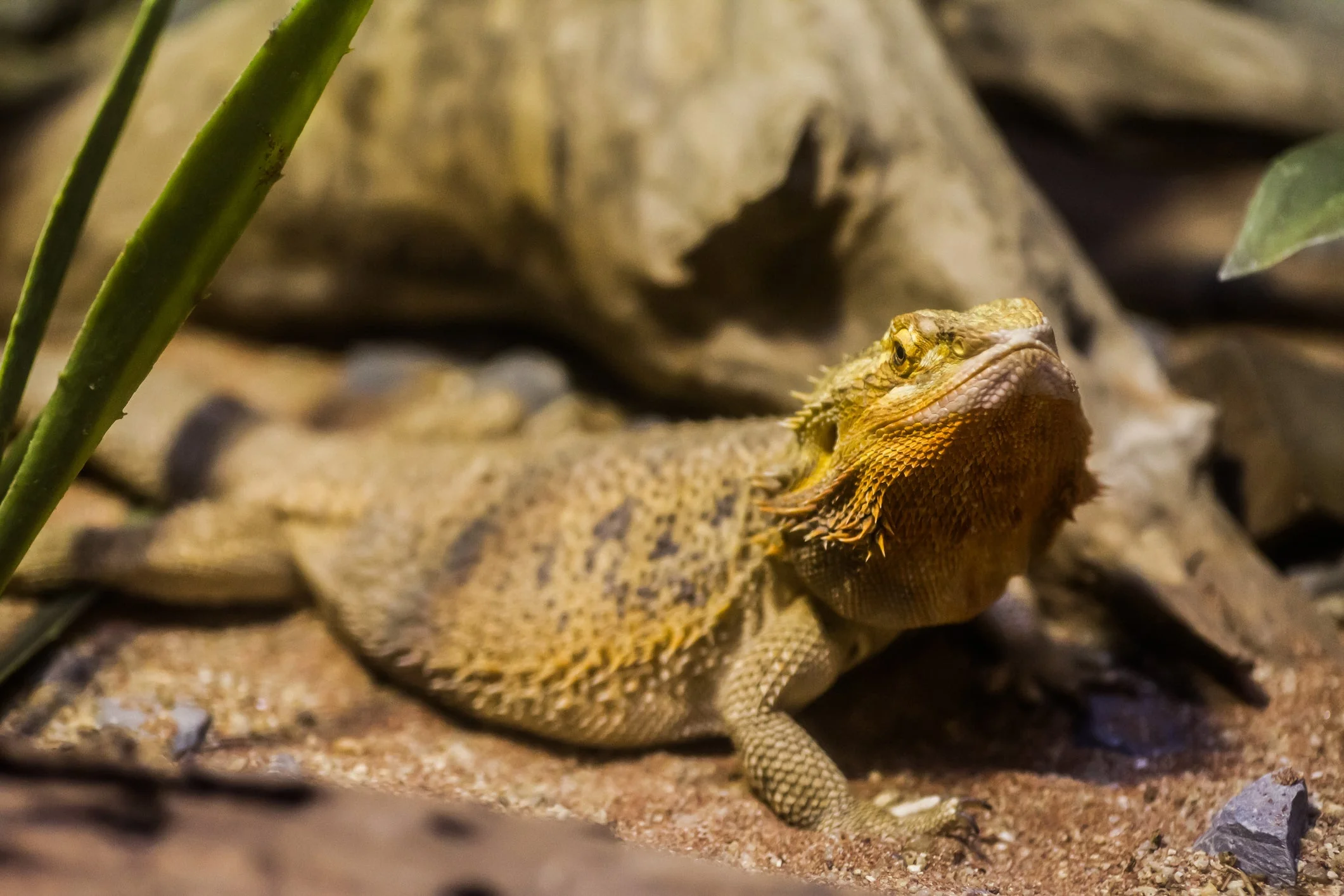
Why Bearded Dragon Substrate Cleaning is Crucial
Maintaining a clean substrate is paramount to the health and well-being of your bearded dragon. Bearded dragons, like all reptiles, are susceptible to various health issues directly related to their environment. A dirty substrate provides an ideal breeding ground for harmful bacteria, parasites, and fungi. These microorganisms can lead to respiratory infections, skin diseases, and other serious health problems. Regular cleaning prevents these issues, creating a healthier habitat for your pet. Neglecting substrate hygiene can also lead to unpleasant odors in your home and reduce the overall quality of life for your bearded dragon. This proactive approach to cleaning ensures your dragon thrives.
Understanding Potential Health Risks
A dirty substrate introduces several potential health risks. The most common is the proliferation of bacteria like Salmonella, which can be transmitted to humans. Parasites, such as pinworms and coccidia, can also thrive in a contaminated environment, infecting your dragon and potentially spreading to other pets or family members. Fungal infections are also a major concern, especially in humid environments, causing skin and respiratory problems. Respiratory infections are very dangerous for bearded dragons, and often result in death. Furthermore, ammonia buildup from waste can irritate the respiratory system and cause significant discomfort. Recognizing these risks underscores the importance of a consistent and thorough cleaning routine, not only for your pet’s health but also for the safety of everyone in your home.
Impact of Substrate on Bearded Dragon’s Health

The substrate directly impacts your bearded dragon’s health in numerous ways. A clean substrate supports proper skin health by reducing the risk of infections and irritation. It also plays a role in regulating humidity levels, which is essential for shedding and overall comfort. The substrate provides a surface for your dragon to walk, bask, and burrow. A safe and clean substrate helps your bearded dragon to exhibit natural behaviors. Clean substrate also ensures your dragon’s respiratory system functions optimally. A dusty or contaminated substrate can cause respiratory problems. By keeping the substrate clean, you prevent the buildup of harmful substances that can negatively affect your dragon’s health and well-being. This preventative measure promotes a longer, healthier life for your beloved pet.
Choosing the Right Substrate for Easy Cleaning
Selecting the right substrate is crucial for simplifying the cleaning process. Some substrates are naturally easier to maintain than others. Solid substrates, such as reptile carpet or ceramic tiles, are generally the easiest to clean as waste can be easily removed. These materials can be spot-cleaned daily and thoroughly disinfected regularly. Other substrates like paper towels or newspaper are also good options as they are easily replaced. Avoid loose substrates that can harbor bacteria and are difficult to fully sanitize. Choosing a substrate that suits your cleaning capabilities will save you time and effort. Ultimately, the right substrate is the one that promotes hygiene and ensures your dragon’s health, while making maintenance simple.
Safe and Effective Substrate Options
Several safe and effective substrate options are available for your bearded dragon. Reptile carpet is a popular choice because it’s easy to clean and reuse, provided it’s replaced or thoroughly washed regularly. Ceramic tiles or slate offer a durable and hygienic surface, which is easy to wipe down and disinfect. Paper towels or newspaper are affordable, readily available, and disposable, making them ideal for quick cleaning and easy replacement. Avoid using substrates with small particles that can be ingested, potentially causing impaction. The best substrate is one that prioritizes safety, hygiene, and ease of maintenance. Remember to always monitor your dragon and adjust your choice if any issues arise, such as difficulty shedding or signs of illness.

Substrate Materials to Avoid
Certain substrate materials should be strictly avoided due to the potential health risks they pose. Sand, especially calcium sand, is a common culprit because it can be ingested and lead to impaction, a potentially fatal condition. Wood shavings, such as cedar or pine, can release aromatic oils that are toxic to reptiles and cause respiratory issues. Other small particle substrates, like walnut shells or corn cob, are also risky because they can be ingested and are challenging to clean thoroughly. Prioritizing your bearded dragon’s health involves making informed substrate choices. Always research the safety and suitability of any substrate before introducing it to your pet’s enclosure. The goal is to create a safe, clean, and healthy environment for your beloved dragon.
Essential Cleaning Tools You Need
Having the right tools makes substrate cleaning much easier and more efficient. A reptile-safe disinfectant is essential for sanitizing the enclosure and substrate. A small scoop or tongs are helpful for removing solid waste and uneaten food. Paper towels or cloths are useful for wiping surfaces and absorbing liquids. A spray bottle can be used to apply cleaning solutions evenly. Gloves protect your hands from bacteria and parasites. A separate cleaning area or sink for washing and disinfecting supplies is highly recommended to prevent cross-contamination. Proper equipment, along with the right cleaning agents, contributes to a cleaner and healthier environment for your bearded dragon. Keep all cleaning supplies separate from your everyday household cleaning materials to avoid any contamination.
Cleaning Schedule for Bearded Dragon Substrate
Establishing a regular cleaning schedule is key to maintaining optimal hygiene. Daily spot cleaning should be a priority, removing any visible waste, such as feces and uneaten food, immediately. Weekly deep cleaning is also necessary, this involves removing the substrate, washing the enclosure with a reptile-safe disinfectant, and replacing the substrate. Monthly, a more thorough cleaning may be required, depending on the substrate and conditions. The cleaning schedule should be tailored to your dragon’s enclosure size, the type of substrate used, and the dragon’s individual habits. It is best practice to monitor the substrate regularly and adjust your cleaning schedule accordingly. A consistent cleaning routine ensures the health and well-being of your bearded dragon, reducing the risk of illness and promoting a clean habitat.
Daily Spot Cleaning Techniques
Daily spot cleaning is a quick and easy way to maintain a hygienic environment. This involves removing any visible waste, such as feces and uneaten food, as soon as you see it. Use a scoop or tongs to remove solid waste and discard it immediately. Wipe up any spilled water or food debris with a paper towel or cloth. Inspect the enclosure daily for any signs of illness or changes in your dragon’s behavior. Regular spot cleaning minimizes the risk of bacterial growth and reduces unpleasant odors. This process, although simple, is vital for the overall cleanliness of the enclosure. Implementing these practices is a key part of a comprehensive approach to bearded dragon care. Make sure to check your cleaning tools regularly and replace them to ensure effectiveness.
Weekly Deep Cleaning Procedures

Weekly deep cleaning is a critical step in maintaining a healthy environment for your bearded dragon. First, remove all items from the enclosure, including water and food bowls, decorations, and the bearded dragon. Then, carefully remove the substrate and dispose of it (unless using reusable substrate like reptile carpet). Wash the enclosure thoroughly with a reptile-safe disinfectant, paying close attention to all surfaces. Rinse the enclosure thoroughly to remove any residue, and allow it to dry completely. While the enclosure is drying, clean and disinfect all items that were removed. Once everything is dry, add the clean substrate back to the enclosure and replace the cleaned items. Return your bearded dragon, and make sure the habitat is at the correct temperature and humidity level. The frequency of deep cleaning can vary depending on the type of substrate. Deep cleaning significantly minimizes the risk of any buildup of harmful bacteria, parasites, and odors.

How to Sanitize Substrate Effectively
Effective sanitization is essential to eliminate harmful microorganisms. The best method for sanitizing the substrate depends on the substrate type. For solid substrates like reptile carpet, wash with warm, soapy water. Rinse thoroughly and then disinfect using a reptile-safe disinfectant. For disposable substrates like paper towels or newspaper, simply replace the used substrate with clean, fresh material. Before reintroducing your bearded dragon, ensure the substrate is completely dry and that there are no lingering disinfectant odors. Always follow the manufacturer’s instructions for any cleaning and sanitizing products. By sanitizing the substrate, you maintain a healthy and safe environment for your bearded dragon, minimizing the risk of disease and promoting overall health and well-being.
Recommended Sanitizing Solutions
Selecting the right sanitizing solutions is essential for the health of your bearded dragon. Look for reptile-safe disinfectants specifically designed for cleaning reptile enclosures. These products are formulated to kill bacteria, fungi, and other harmful organisms without harming your pet. Avoid using household cleaners that may contain harsh chemicals or toxins. Always follow the instructions on the product label, including the recommended dilution and contact time. Some commonly used options include diluted bleach solutions, but it’s essential to rinse the enclosure thoroughly to remove any bleach residue. Other options include commercial reptile disinfectants available at pet stores, which are designed to be safe for reptiles. Remember that thorough rinsing is crucial after using any sanitizing solution. By choosing the right sanitizing solutions, you can effectively eliminate harmful organisms and ensure the health of your bearded dragon.

Signs Your Bearded Dragon’s Substrate Needs Cleaning
Several signs indicate that it is time to clean your bearded dragon’s substrate. The presence of visible waste, such as feces and uneaten food, is an obvious indicator. Unpleasant odors within the enclosure or in your home also suggest that cleaning is needed. Changes in your dragon’s behavior, such as lethargy or a loss of appetite, could be due to an unhealthy environment. An increase in humidity levels, coupled with a musty smell, often signifies the need for a thorough cleaning. If the substrate appears discolored or contaminated, it’s definitely time for a change. Regularly observe your bearded dragon and its habitat. If you notice any of these signs, it’s time to clean the substrate and restore a healthy living environment.

Recognizing and Addressing Odors
Unpleasant odors in your bearded dragon’s enclosure are a clear signal that cleaning is needed. These odors often originate from waste, uneaten food, or the buildup of bacteria. To address the odors, start by identifying the source. Regularly remove solid waste, as it’s a primary contributor to bad smells. Clean the substrate thoroughly during your weekly deep cleaning. Use a reptile-safe disinfectant to eliminate odor-causing bacteria. Ensure proper ventilation in the enclosure to reduce moisture, which encourages the growth of odor-causing microorganisms. If the smell persists, consider changing the substrate type or evaluating your cleaning routine. By recognizing and addressing odors promptly, you can improve the hygiene and overall environment for your bearded dragon. Maintaining a clean habitat is essential for the health and well-being of your pet.
Maintaining Optimal Humidity and Temperature
Maintaining optimal humidity and temperature levels is essential for your bearded dragon’s health and well-being, and cleaning the substrate plays a crucial role in this. High humidity can lead to bacterial and fungal growth within the substrate, increasing the risk of infections. Regular cleaning, along with proper ventilation, helps to regulate humidity. Aim for a humidity level between 30-40% for adult bearded dragons. Monitor humidity levels using a hygrometer and make adjustments as needed, such as by improving ventilation or using a dehumidifier. The substrate also impacts temperature regulation; a clean substrate promotes better heat distribution. Always monitor the temperature inside the enclosure using a thermometer, providing a warm basking spot and a cooler area for your dragon to regulate its body temperature. By carefully managing humidity and temperature, you create a healthy environment, supporting your dragon’s overall health and well-being.
Substrate Cleaning and Overall Habitat Hygiene
Substrate cleaning is an integral part of overall habitat hygiene. In addition to cleaning the substrate, other elements in the enclosure require regular attention. Clean and disinfect all decorations, such as branches, rocks, and hides, regularly. Wash and disinfect food and water bowls daily. Regularly wipe down the enclosure walls and any surfaces, removing dust and debris. Ensure the enclosure is well-ventilated to prevent the buildup of moisture and odors. A clean habitat minimizes the risk of illness and promotes a healthy environment. By maintaining overall hygiene, you create a safe and stimulating environment for your bearded dragon, ensuring it thrives. A clean, well-maintained habitat makes caring for your pet an enjoyable experience.
The Importance of Proper Ventilation
Proper ventilation is essential for a healthy bearded dragon habitat, and it works in conjunction with substrate cleaning to maintain optimal conditions. Good ventilation helps to regulate humidity levels, reducing the risk of bacterial and fungal growth within the substrate. This airflow minimizes the buildup of ammonia and other harmful gases. Ensure the enclosure has adequate ventilation, with vents placed appropriately. Ventilation also helps regulate temperature. Avoid overcrowding the enclosure with excessive decorations, as this can obstruct airflow. Good ventilation, combined with regular substrate cleaning, creates a healthier environment for your bearded dragon, promoting its respiratory health and overall well-being. Regularly assess the ventilation in your dragon’s enclosure and make adjustments if needed.
Long-Term Health Benefits of Clean Substrate
The long-term health benefits of a clean substrate are substantial. A consistent cleaning routine dramatically reduces the risk of illness, including respiratory infections, skin diseases, and parasitic infestations. A clean substrate provides a more comfortable and hygienic living environment. It promotes a stronger immune system and reduces stress, contributing to your dragon’s longevity. Routine cleaning also helps maintain optimal humidity and temperature levels, supporting overall health. By prioritizing substrate hygiene, you invest in your bearded dragon’s future health and well-being. Proper cleaning ensures a higher quality of life for your pet and a healthier home environment for you and your family. Cleaning efforts have a direct and positive impact on your beloved bearded dragon’s overall health and happiness, allowing them to live a longer, healthier, and more vibrant life.
