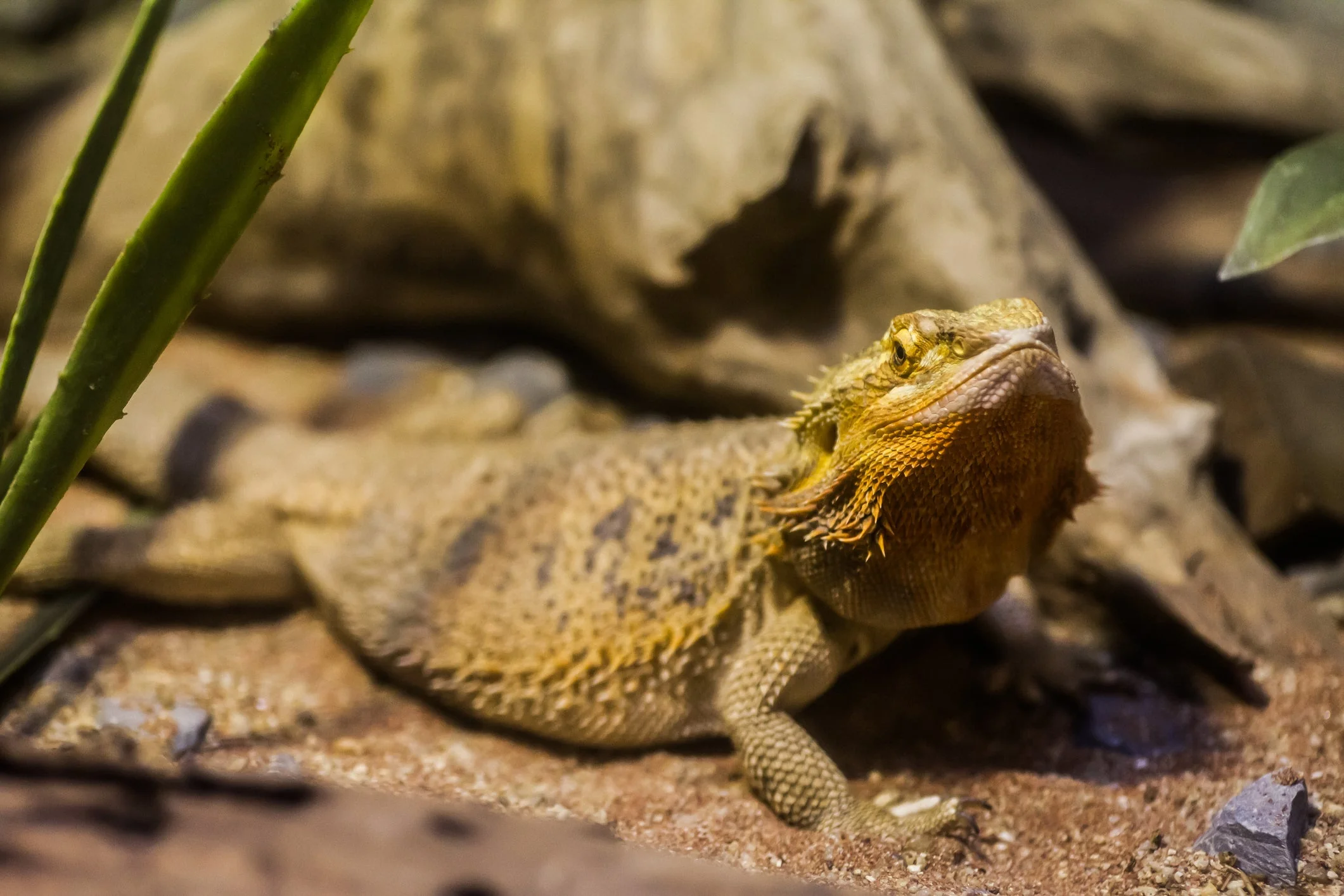
Why Bearded Dragon Substrate Cleaning is Vital
Maintaining a clean substrate is paramount for the health and well-being of your bearded dragon. Their enclosure is their entire world, and a dirty environment can quickly lead to a host of health issues. Regular cleaning helps prevent the buildup of harmful bacteria, parasites, and mold that can cause respiratory infections, skin problems, and other serious illnesses. Additionally, a clean substrate helps control odors, making your home a more pleasant environment. It also reduces the risk of your dragon ingesting harmful substances, which can happen if they eat contaminated substrate while hunting for food or simply exploring their surroundings. Furthermore, a clean environment supports your bearded dragon’s natural behaviors and instincts, contributing to their overall quality of life and happiness. By prioritizing substrate cleanliness, you are investing in the long-term health and happiness of your beloved pet.
Impact of Substrate on Bearded Dragon Health
The type of substrate you choose and how well you maintain it directly impacts your bearded dragon’s health. Poor substrate choices can lead to a variety of health problems. For example, dusty or particulate-rich substrates can cause respiratory issues. Substrates that retain moisture can promote the growth of mold and bacteria, leading to skin infections and other ailments. Ingesting certain substrates can cause impaction, a life-threatening condition where the digestive tract becomes blocked. Furthermore, an unclean substrate can harbor parasites like pinworms, which can weaken your dragon’s immune system and cause other problems. Regularly cleaning and choosing the appropriate substrate are crucial to preventing these negative health outcomes and ensuring your bearded dragon thrives. The right substrate and a diligent cleaning schedule are fundamental elements of responsible reptile care.
Common Substrate Problems and Solutions

Several common problems can arise with bearded dragon substrates, and knowing how to address them is essential for maintaining a healthy environment. One frequent issue is the accumulation of feces and uneaten food, which can quickly attract bacteria and insects. The solution is regular spot cleaning, ideally daily. Another problem is the buildup of moisture, which can lead to mold and bacterial growth. To combat this, ensure proper ventilation and consider using a substrate that doesn’t retain excessive moisture, and replace substrate frequently. Odor is also a common concern; frequent cleaning and the use of odor-absorbing substrates can help. Finally, impaction from ingesting substrate is a serious risk. Choosing a substrate that is safe if ingested and avoiding loose, small particles can minimize this danger. Regular monitoring of your dragon’s environment and promptly addressing any issues are key to a healthy enclosure.
The Best Substrate Choices for Bearded Dragons

Selecting the right substrate is critical for your bearded dragon’s well-being. The best choices prioritize safety, hygiene, and natural behaviors. Paper towels are a simple and hygienic option, making cleaning easy. Reptile carpet is another good option because it can be washed, but make sure you have several to swap out. Tile, slate, or ceramic tile are excellent choices because they are easy to clean, don’t harbor bacteria, and provide a good surface for your dragon’s nails. A mix of substrate materials like playsand and topsoil can mimic the natural habitat. When choosing a substrate, always prioritize non-toxic, non-abrasive materials that won’t pose a hazard if ingested. The goal is to create a comfortable, safe, and easily manageable environment for your pet.
Suitable Substrate Materials
- Paper towels – Easy to clean and replace.
- Reptile carpet – Reusable if cleaned well.
- Tile or slate – Hygienic and durable.
- A mixture of playsand and topsoil – Mimics a natural environment.
- Non-adhesive shelf liner - easy to clean and replace.
Unsuitable Substrate Materials to Avoid
- Sand containing calcium – Can cause impaction.
- Wood shavings (cedar or pine) – Toxic to reptiles.
- Alfalfa pellets – Can harbor mold and bacteria.
- Corn cob bedding – Can cause impaction and harbor mold.
- Walnut shells – Prone to mold and difficult to clean.
Top Cleaning Hacks for Bearded Dragon Substrate
Mastering cleaning hacks can make substrate maintenance a breeze. The key is consistency and the right tools. Invest in a dedicated scoop or scraper for removing feces and uneaten food daily. Use a reptile-safe disinfectant to clean the enclosure after deep cleaning and substrate changes. Consider spot-cleaning the substrate twice a day, especially after feeding, to prevent waste buildup. For substrates like tile or slate, use a solution of warm water and reptile-safe soap and a scrub brush. Regularly examine the substrate for signs of mold or excessive moisture. Always rinse and dry the enclosure and any accessories thoroughly before returning your bearded dragon to its habitat. Following these cleaning hacks will greatly simplify the process, keeping your dragon’s home clean and hygienic.

Daily Spot Cleaning
Daily spot cleaning is the cornerstone of maintaining a clean substrate. This involves removing feces and any uneaten food as soon as you notice them. Using a dedicated scoop, carefully lift and dispose of waste. Take care not to disrupt the substrate unnecessarily. During spot cleaning, check for any wet spots or excessive moisture, which may indicate a problem with the enclosure’s humidity or ventilation. If you notice any soiled areas, wipe them with a damp paper towel or a reptile-safe cleaning solution. Daily spot cleaning prevents the buildup of bacteria and unpleasant odors, helping to maintain a healthy environment for your bearded dragon. Make this a part of your routine, and your bearded dragon will thank you.

Weekly Deep Cleaning
Weekly deep cleaning is crucial for thorough hygiene. Remove all substrate from the enclosure. Thoroughly clean and disinfect the enclosure’s walls, floor, and any decorations using a reptile-safe cleaner. Rinse all items and the enclosure well with clean water to remove any cleaning product residue. Allow the enclosure and all items to air dry completely. While drying, you can replace the substrate with fresh material or thoroughly clean and disinfect the existing substrate if it is a type that can be cleaned, such as reptile carpet. After the enclosure is completely dry, replace the clean substrate, and reintroduce your bearded dragon. Weekly deep cleaning prevents the buildup of harmful bacteria and ensures your bearded dragon’s environment remains clean and healthy. This is an essential practice for maintaining a thriving and happy pet.
Monthly Substrate Replacement
Monthly substrate replacement is essential for maintaining optimal hygiene, especially with substrates that cannot be thoroughly cleaned. Even with regular spot and deep cleaning, some bacteria and waste products will inevitably accumulate over time. Remove all the old substrate from the enclosure. Thoroughly clean and disinfect the enclosure, paying special attention to corners and crevices. Once the enclosure is completely dry, replace the substrate with a fresh, clean batch. For substrates like tile or slate, perform a deep cleaning. This process helps prevent the buildup of harmful bacteria and parasites. Monthly substrate replacement supports a healthy environment, reducing the risk of illness and promoting your bearded dragon’s well-being. By sticking to this schedule, you’re taking another significant step in providing the best care for your scaly friend.
Essential Tools for Substrate Cleaning

- Scoop or scraper – For removing feces and uneaten food.
- Reptile-safe disinfectant – For cleaning the enclosure.
- Spray bottle – For applying cleaning solutions.
- Paper towels or cleaning cloths – For wiping down surfaces.
- Gloves – To protect your hands from bacteria.
- Trash bags – For disposing of old substrate.
Cleaning Products

When choosing cleaning products for your bearded dragon’s enclosure, prioritize safety and effectiveness. Opt for reptile-safe disinfectants specifically designed for terrariums. These products are formulated to kill bacteria and viruses without harming your dragon. Avoid using harsh chemicals like bleach, ammonia, or strong detergents, as these can be toxic. Always follow the product instructions carefully, and rinse thoroughly after cleaning to remove any residue. Consider natural cleaning alternatives, like diluted vinegar solutions, but always test them on a small area first to ensure they don’t damage the enclosure or substrate. The correct cleaning products will help ensure a clean and safe environment for your bearded dragon.
Proper Disposal of Old Substrate
Proper disposal of old substrate is important for both hygiene and environmental responsibility. Always wear gloves when handling old substrate, as it may contain harmful bacteria and parasites. Place the used substrate in a sealed trash bag to prevent the spread of pathogens. Dispose of the bag properly, following local waste disposal guidelines. Do not compost or reuse old substrate, as it can harbor harmful substances. If you use a substrate that can be cleaned, like reptile carpet, follow the appropriate cleaning protocols before reusing it. By properly disposing of the old substrate, you prevent the spread of potential health hazards, contributing to a safer environment for both your family and your pet.

Maintaining a Healthy Environment
Maintaining a healthy environment for your bearded dragon goes beyond just cleaning the substrate. Proper humidity levels are essential, as too much moisture can promote mold and bacteria growth, while too little can cause shedding problems. Provide appropriate temperature gradients within the enclosure, ensuring a basking spot and a cooler area. Make sure the enclosure has good ventilation to prevent the buildup of stale air. Regularly check your dragon’s overall health, including its appetite, activity level, and droppings. Provide a balanced diet of insects and vegetables, and always have fresh water available. A healthy environment supports your bearded dragon’s immune system, helping it to resist disease and thrive.
Signs of an Unclean Substrate
Knowing the signs of an unclean substrate can help you catch problems early. One obvious sign is the presence of visible waste, like feces and uneaten food. Another is a foul odor emanating from the enclosure, which can indicate bacterial buildup. If you notice mold or mildew growth on the substrate or enclosure surfaces, it’s a clear indication of a problem. Respiratory issues, such as sneezing or wheezing, can sometimes be linked to poor substrate hygiene. Changes in your bearded dragon’s behavior, such as lethargy or loss of appetite, could also be caused by an unhealthy environment. Regularly observe your bearded dragon and enclosure, and address any concerning signs promptly.
Preventative Measures for Substrate Cleanliness
Taking preventative measures can significantly reduce the workload of substrate cleaning. Start by choosing the right substrate from the outset. Use a substrate that is easy to clean and doesn’t retain excessive moisture. Implement a consistent cleaning schedule, including daily spot cleaning, weekly deep cleaning, and monthly substrate replacements. Ensure proper ventilation in the enclosure to prevent the buildup of humidity. Feed your bearded dragon in a separate feeding area to reduce the risk of substrate contamination. Monitor your bearded dragon’s waste and behavior regularly, addressing any issues promptly. By establishing these preventative habits, you can minimize the frequency and difficulty of cleaning, making it easier to maintain a healthy and comfortable environment for your pet.