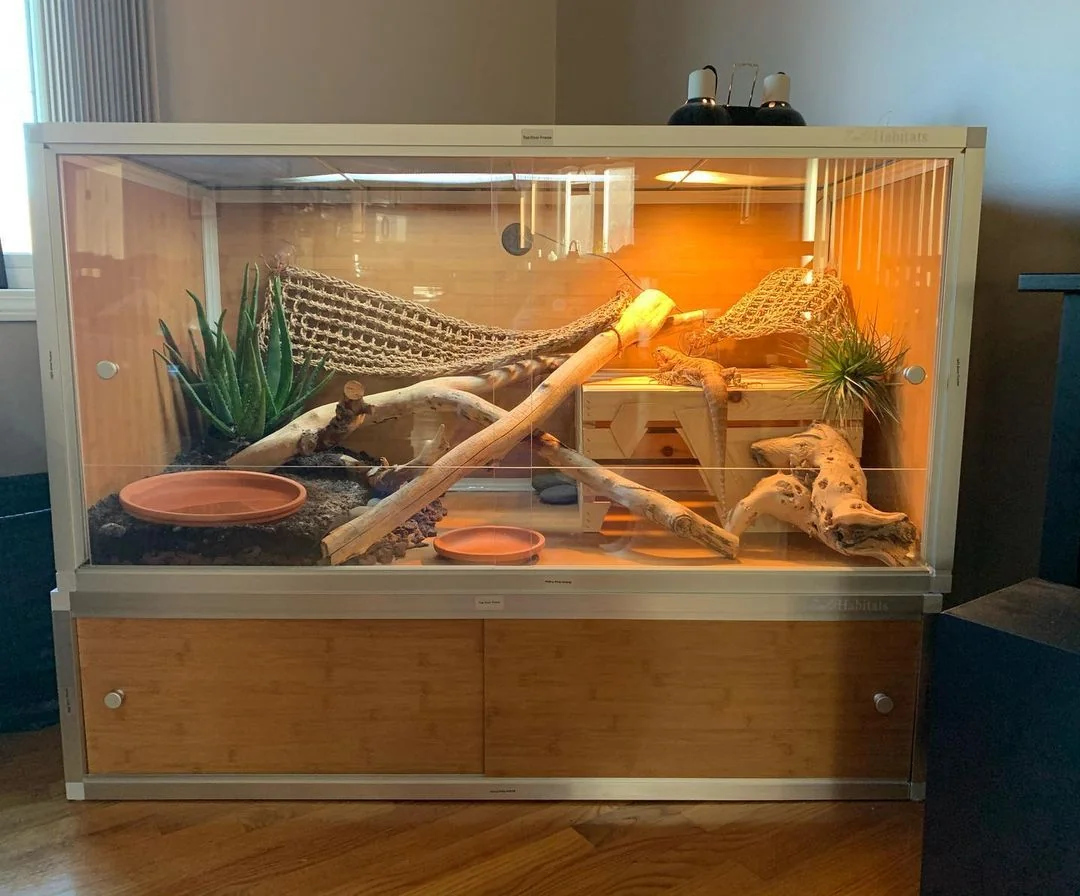
Understanding Bearded Dragon Lighting Needs
Bearded dragons, native to the harsh environments of Australia, have specific lighting requirements crucial for their health and well-being. Providing appropriate lighting is not just a matter of aesthetics; it directly impacts their ability to thrive. The right lighting setup simulates their natural habitat, supporting vital biological processes. Without proper lighting, bearded dragons can suffer from metabolic bone disease, weakened immune systems, and behavioral issues. This guide explores various lighting options that cater to these needs, all while focusing on cost-saving strategies. Investing in quality lighting is investing in the long-term health of your pet, making it a worthwhile endeavor.
The Importance of UVB and Heat
Two critical components of a bearded dragon’s lighting setup are UVB and heat. UVB (Ultraviolet B) rays are essential for synthesizing vitamin D3, which facilitates calcium absorption. Calcium is critical for strong bones, proper muscle function, and overall health. Without adequate UVB exposure, bearded dragons are unable to process calcium effectively, leading to metabolic bone disease. Heat, on the other hand, is vital for thermoregulation. Bearded dragons are ectothermic, meaning they cannot regulate their body temperature internally. They rely on external heat sources to warm up, which is crucial for digestion, metabolism, and activity levels. Both UVB and heat must be provided correctly and consistently for your bearded dragon to live a long and healthy life.
UVB Lighting Options for Bearded Dragons
Several UVB lighting options are available, each with its pros and cons. The best choice depends on your setup and budget. Linear fluorescent UVB bulbs are a popular choice due to their effectiveness and wide coverage. Compact fluorescent UVB bulbs are another option, typically more affordable upfront but may not provide as even of a distribution of UVB rays. Mercury vapor bulbs offer a combined UVB and heat source, providing convenience but often come with a higher initial cost. When choosing a UVB bulb, consider the percentage of UVB output, the size of your enclosure, and the distance between the bulb and your dragon. The correct choice ensures that your dragon receives the required amount of UVB for optimal health.
Types of UVB Bulbs
As mentioned, different types of UVB bulbs cater to diverse needs. Linear UVB bulbs, usually T5 or T8, are known for their broad UVB distribution, making them ideal for larger enclosures. They are generally more expensive upfront but last longer than compact bulbs, potentially offering better value over time. Compact fluorescent bulbs, while cheaper initially, often have a shorter lifespan and can provide a less consistent UVB output, requiring careful monitoring of distance and placement. Mercury vapor bulbs, a combined heat and UVB source, are convenient but often more expensive and should be used with caution due to their intense heat output. Each type offers varying levels of UVB exposure, so research and choose what is best for your specific setup and dragon’s needs.
UVB Bulb Placement and Distance
Proper placement and distance are essential for the effectiveness of UVB bulbs. The UVB rays must reach your bearded dragon’s basking spot, where they spend much of their time. The correct distance between the bulb and the basking spot varies depending on the bulb type and its UVB output. Always follow the manufacturer’s recommendations for distance. Generally, linear T5 bulbs can be placed further away than compact bulbs. Ensure the bulb is positioned appropriately to prevent overexposure or insufficient UVB. Regularly check the bulb’s output with a UVB meter or replace it according to the manufacturer’s recommendations to ensure it continues to provide the necessary UVB levels for your dragon’s health. Incorrect placement can render the light source useless, affecting your dragon’s health and well-being.
Heat Lamps and Their Purpose


Heat lamps are crucial for providing a basking spot, which is essential for thermoregulation. Bearded dragons need a designated area where they can reach the correct temperature to digest food, maintain their metabolism, and engage in activities. Without sufficient heat, they may become lethargic and develop health problems. Incandescent bulbs are the most common type of heat lamps, offering a readily available and affordable option. Ceramic heat emitters are an alternative that provides heat without emitting light, which can be useful for nighttime heating. Consider the ambient temperature of your enclosure and your dragon’s needs when selecting a heat lamp, adjusting the wattage as needed to maintain the appropriate basking spot temperature.
Choosing the Right Wattage
Selecting the appropriate wattage for your heat lamp is critical to maintaining the correct basking spot temperature. The required wattage depends on the size of your enclosure, the ambient temperature, and the type of heat lamp. A general guideline is to start with a lower wattage and monitor the temperature using a digital thermometer with a probe placed directly on the basking spot. Gradually increase the wattage if the desired temperature is not reached. The basking spot should be around 100-110°F (38-43°C) for adult bearded dragons, and the cooler side of the enclosure should be significantly cooler, allowing them to thermoregulate effectively. Regularly check and adjust the wattage as necessary to maintain the correct temperature gradient.
Heat Lamp Safety Precautions
Safety should be a top priority when using heat lamps. Always use a ceramic lamp holder designed to withstand the heat generated by the bulb. Never place the lamp directly on the enclosure; instead, use a secure fixture. Ensure the lamp is positioned out of reach of your bearded dragon to prevent burns. Regularly inspect the wiring and fixture for any signs of wear and tear. Consider using a thermostat to regulate the temperature and prevent overheating. By following these safety precautions, you can minimize the risk of accidents and ensure your dragon’s enclosure remains a safe and comfortable environment. Careful monitoring and maintenance can help prevent potentially dangerous situations.
Cost-Effective Lighting Solutions
Balancing the needs of your bearded dragon with your budget is achievable. Several cost-effective options exist without compromising on the quality of care. Choosing the right bulbs and using energy-efficient methods can significantly reduce your long-term costs. This involves making smart choices during the initial setup, like opting for longer-lasting bulbs or using timers to manage energy consumption. In addition to initial setup, consider the overall energy usage and lifespan of each component, which will impact the overall budget. Researching and comparing options will help you save money without sacrificing the health and well-being of your reptile companion.
LED Lighting for Bearded Dragons
LED lighting presents a compelling cost-effective option. LEDs are known for their energy efficiency, using significantly less electricity than traditional incandescent or even fluorescent bulbs. While the initial cost of LED bulbs might be slightly higher, their longer lifespan and lower energy consumption translate to substantial savings over time. LED bulbs also produce less heat, reducing the need for additional cooling measures. Consider a full-spectrum LED bulb to provide both visible light and UVB. Ensure that any LED fixture you choose is specifically designed for reptiles to provide the correct UVB spectrum and intensity, as regular LED lights may not have the correct range.

Pros and Cons of LED
LED lighting offers several advantages. As mentioned, it is highly energy-efficient, leading to lower electricity bills and reduced environmental impact. LEDs have a very long lifespan, reducing the frequency of bulb replacements and associated costs. They produce minimal heat, reducing the risk of burns and potentially eliminating the need for additional cooling. However, LEDs can have downsides. The upfront cost of LED bulbs may be higher. Not all LED bulbs are created equal, and some may not provide the correct UVB spectrum or intensity for reptiles. Thoroughly research and choose LED bulbs specifically designed for reptile use to ensure the best results for your bearded dragon.
Buying in Bulk and Other Money-Saving Tips
Strategic purchasing habits can significantly reduce lighting costs. Buying bulbs in bulk can often lead to substantial discounts, especially when planning for future replacements. Compare prices from different retailers, both online and in local stores, to find the best deals. Sign up for email newsletters or follow reptile supply stores on social media for promotional offers and discounts. Consider purchasing complete lighting kits specifically designed for bearded dragons, as they often provide a cost-effective solution compared to purchasing individual components. Always be on the lookout for sales and promotions to maximize your savings.
Timers and Smart Plugs for Efficiency
Utilizing timers and smart plugs provides a convenient and cost-effective way to manage your bearded dragon’s lighting schedule. Timers automatically turn lights on and off at set times, ensuring a consistent photoperiod and preventing unnecessary energy consumption. Smart plugs offer the added benefit of remote control and energy monitoring. With smart plugs, you can control your lighting system from your smartphone, monitor energy usage, and set schedules. This provides convenience and helps avoid leaving lights on for extended periods. Proper scheduling ensures that lights are only on when needed, further lowering electricity costs and extending the lifespan of your bulbs.
Maintaining and Extending Bulb Life

Proper maintenance practices can extend the lifespan of your lighting equipment, saving you money in the long run. Regularly clean the bulbs and fixtures to remove dust and debris, which can reduce light output. Ensure proper ventilation in the enclosure to prevent overheating and extend bulb life. Avoid touching the glass of the bulbs with your bare hands, as oils from your skin can shorten their lifespan. Check the fixture regularly for any loose connections or damage. By taking care of your equipment, you can reduce the frequency of replacements, resulting in lower costs over time. Following these simple maintenance routines extends the overall life of your lighting investments.
Monitoring and Troubleshooting Lighting

Regular monitoring is crucial for ensuring that your bearded dragon receives adequate lighting. Observe your dragon’s behavior for signs of insufficient lighting, such as lethargy, loss of appetite, or changes in skin color. Use a UVB meter to measure the UVB output of your bulbs and ensure they are within the recommended range. Check the temperature in the basking spot regularly using a digital thermometer. If you notice any issues, troubleshoot the lighting system promptly. Check the bulb for proper function, ensure that the fixtures are secure, and make adjustments as needed to maintain the correct lighting levels and temperatures.
Signs of Insufficient Lighting
Identifying the signs of insufficient lighting is vital for maintaining your bearded dragon’s health. Common indicators include lethargy, loss of appetite, and a general lack of activity. The dragon might spend excessive time in the cooler parts of the enclosure or avoid basking. Metabolic bone disease is a severe consequence of inadequate UVB exposure, leading to bone deformities, weakness, and difficulty moving. Changes in skin color, such as dullness or paleness, can also indicate a lack of proper lighting. If you observe any of these signs, it’s important to immediately review your lighting setup and make any necessary adjustments to ensure your dragon receives the required levels of UVB and heat.
How to Spot and Correct Issues
Regularly inspect your lighting system to identify any problems. Look for burned-out bulbs, loose connections, or damaged fixtures. Use a UVB meter to verify that your bulbs are producing the correct amount of UVB radiation. Check the temperature of the basking spot with a digital thermometer. If a bulb has burned out, replace it immediately. If the UVB output is low, replace the bulb or reposition it closer to the basking spot, adhering to the manufacturer’s recommendations. Ensure that all fixtures are secure and correctly positioned. By proactively addressing any issues, you can create a healthy environment for your bearded dragon, and save money in the long term by avoiding costly vet bills related to insufficient lighting.
Long-Term Cost Benefits of Proper Lighting
Investing in proper lighting for your bearded dragon offers significant long-term cost benefits beyond the initial investment. A well-lit enclosure contributes to the overall health and well-being of your pet, potentially reducing the need for expensive veterinary care. Proper UVB exposure helps prevent metabolic bone disease, a serious and costly condition. Furthermore, a healthy, active bearded dragon is less likely to experience other health problems, such as infections or parasites. By providing the right lighting from the start, you are ensuring a healthier and more vibrant pet, reducing the potential for costly medical treatments and enhancing your overall experience as a reptile owner. This proactive approach helps you save money by avoiding expensive veterinary bills and provides peace of mind.

