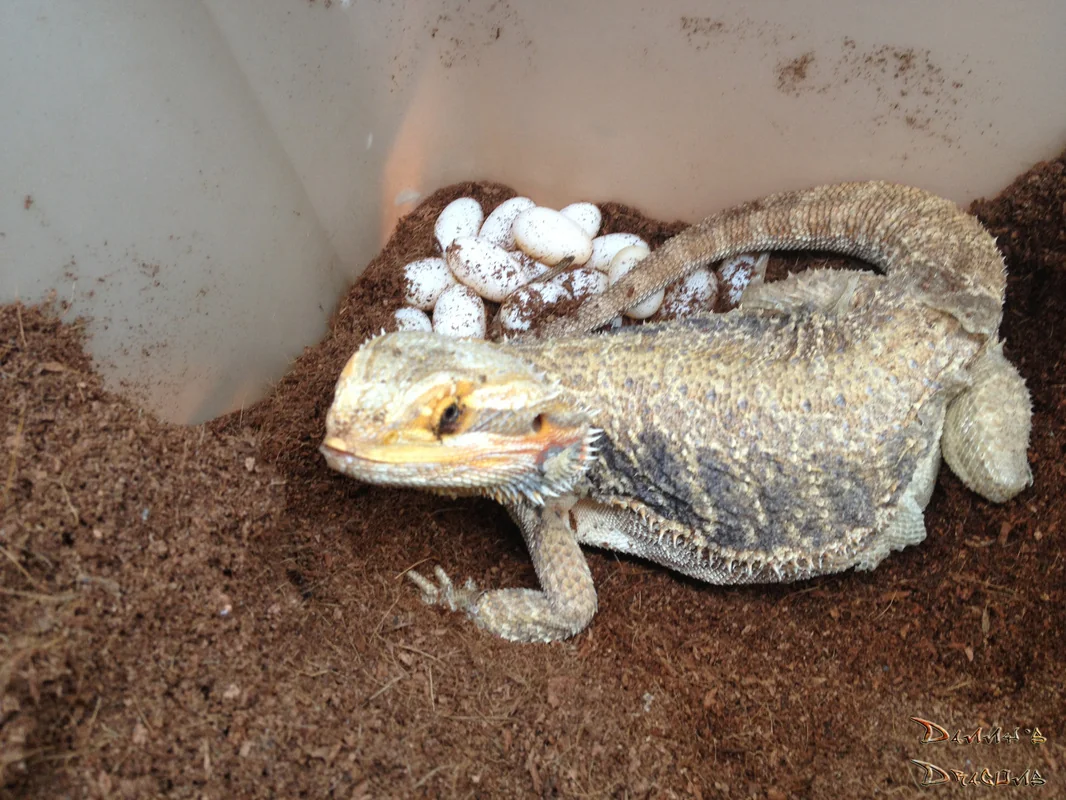
Bearded Dragon Egg Incubation Basics
Breeding bearded dragons can be a rewarding experience, but it requires careful attention to detail, especially during the incubation period. The success of hatching healthy baby bearded dragons hinges on providing the perfect environment for the eggs. This includes a stable temperature, appropriate humidity, and a clean environment. Understanding the basic requirements of incubation is the first step toward successful breeding. This guide provides crucial bearded dragon incubation process tips for successful breeding, ensuring you give your eggs the best chance of survival. Proper incubation is more than just placing eggs in a box; it’s about creating a microclimate that mimics the natural conditions the eggs would experience in the wild, leading to healthy hatchlings.
Setting Up Your Incubator
Setting up the right incubator is critical for a successful breeding season. You must maintain consistent temperatures and humidity levels to create a suitable environment for your bearded dragon eggs. The incubator acts as a controlled environment, protecting the eggs from fluctuations and external threats. This section delves into the key aspects of incubator setup, including choosing the right equipment and establishing optimal conditions. Investing time in a proper setup from the very start will greatly increase the chances of your bearded dragon eggs hatching successfully, paving the way for healthy baby dragons.
Choosing the Right Incubator
When it comes to choosing an incubator, reptile breeders have a range of options. A dedicated reptile incubator is generally the best choice, as it is specifically designed to maintain the precise temperature and humidity levels required for reptile eggs. These incubators often come with digital thermostats, precise humidity controls, and clear viewing windows. A repurposed incubator can work, but it requires careful monitoring and may not offer the same level of precision. Regardless of the type you choose, make sure it is large enough to accommodate the expected number of eggs and has good temperature stability. Choosing the right incubator is the foundation for a successful incubation process and a healthy clutch of baby bearded dragons. Consider the incubator’s size, temperature control, and humidity regulation capabilities before making your selection.

Maintaining Consistent Temperature
Maintaining a stable temperature is paramount during the incubation process. Bearded dragon eggs are highly susceptible to temperature fluctuations, which can hinder development or even kill the embryos. The ideal incubation temperature for bearded dragon eggs is generally between 82-86°F (28-30°C). A digital thermometer is essential for monitoring the temperature within the incubator. The incubator should be placed in a location away from direct sunlight and drafts. Regularly check the incubator’s temperature to ensure it remains within the optimal range, making any necessary adjustments to the thermostat. Consistency is more important than a precise temperature. It is recommended to keep temperatures as consistent as possible throughout the entire incubation period. Careful temperature control is one of the most crucial aspects of the incubation process, making all the difference in whether your bearded dragon eggs hatch.

Controlling Humidity Levels
Alongside temperature, humidity plays a critical role in successful incubation. The humidity level affects the egg’s ability to absorb water and develop correctly. Too little humidity can lead to the eggs drying out and failing to hatch, while excessive humidity can promote mold growth. Keeping humidity within the right parameters is a key part of bearded dragon egg incubation process tips for successful breeding. The ideal humidity level is typically between 60-70%.
Ideal Humidity Range

The target humidity range for bearded dragon eggs is between 60-70%. This range provides enough moisture for the eggs to develop without encouraging the growth of mold or bacteria. Monitor humidity levels closely using a hygrometer, and make adjustments as needed. The optimal humidity balance is vital for the health of the developing embryos, and it helps ensure the eggs do not dry out or become waterlogged. Precise control of humidity within the right range contributes substantially to a higher hatching rate.
Monitoring Humidity
Regularly monitor the humidity levels inside the incubator using a hygrometer. If the humidity is too low, you can increase it by adding water to the substrate or misting the incubator walls. If the humidity is too high, increase ventilation or remove some of the water. Most reptile incubators feature integrated humidity gauges for ease of monitoring. Keep a close eye on these readings, as fluctuations can occur with changes in external environmental conditions. Consistency in humidity control is just as crucial as temperature, and regular monitoring enables necessary adjustments.
Preparing the Incubation Substrate
The incubation substrate is crucial for providing the necessary moisture and stability for the eggs. The substrate helps maintain humidity levels and provides a cushion to protect the eggs. The type of substrate you select will affect the humidity and the overall incubation environment. The preparation of this substrate is essential for fostering a healthy and successful incubation process.
Best Substrate Options
Several substrate options are suitable for incubating bearded dragon eggs. Vermiculite is one of the most popular choices. It holds moisture well and provides good ventilation. Perlite, a similar material to vermiculite, is also a good option. Sphagnum moss can also be used, though it may require more careful management to prevent excessive moisture. Avoid using soil or other substrates that can harbor bacteria or promote mold growth. The key is to select a substrate that provides stable humidity and good air circulation. Research the various options to choose the best fit for your specific needs. The right substrate choice lays the groundwork for a healthy incubation environment.
Substrate Depth and Placement

Place the incubation substrate in a container within the incubator. The depth of the substrate should be sufficient to provide a good cushion for the eggs, typically 2-4 inches. The eggs should be gently buried halfway into the substrate. This provides proper support and helps maintain even moisture levels. Ensure the substrate is moist but not saturated, as excess water can lead to problems. Check the substrate regularly for moisture and adjust as needed. Correct placement and depth of the substrate contribute greatly to the success of the hatching process. This also ensures the eggs are properly supported and protected during development.
Bearded Dragon Egg Handling
Careful handling of bearded dragon eggs is paramount for maximizing the chances of successful hatching. The eggs are fragile and can be easily damaged. Proper handling techniques, from initial collection to placement in the incubator, can make a big difference in the final results. Gentle handling is essential. This is a key step to guarantee that your efforts in breeding yield a healthy clutch of hatchlings.
Proper Egg Handling Techniques
When collecting bearded dragon eggs, handle them gently to avoid any damage. Use a soft brush to carefully remove the eggs from the laying substrate. Avoid rotating or turning the eggs, as this can disrupt the developing embryo inside. When moving the eggs, it is essential to maintain the position they were laid in. Any movement should be made with great care. Handle the eggs with clean hands and place them gently into the incubation substrate. By taking care in handling, you will maximize the chances of the eggs developing successfully. Make sure you use a soft brush when removing the eggs, and avoid rotating them.
Identifying Fertile Eggs

Not all eggs will be fertile. Identifying fertile eggs early on can help manage the incubation process more effectively. Fertile eggs will typically appear white or slightly creamy in color. Infertile eggs may appear more translucent or have a different coloration. It is important to discard any eggs that show signs of infertility to prevent the spread of mold or bacteria within the incubator. These eggs may not develop and can cause issues for the remaining eggs. Regularly examine the eggs, and if you observe any signs of infertility, remove them immediately. Identifying fertile eggs helps you to ensure that the available resources are directed towards developing eggs, hence improving the overall success rate.
Candling Eggs

Candling is a technique used to check the viability of the eggs. Hold the eggs up to a bright light source, such as a flashlight, in a dark room. This allows you to see the developing embryo and blood vessels inside the egg. Fertile eggs will usually show a network of veins. Infertile eggs will often appear clear or translucent. Candling should be done a few weeks into the incubation process to verify that the eggs are developing correctly. This will also allow for early detection of any issues. Candling can confirm the presence of a growing embryo and helps in making decisions about the eggs. Candling is a very useful tool to monitor the incubation progress and egg health, ensuring the best possible outcomes.
Egg Placement in Incubator
Once the eggs are handled and assessed, they should be carefully placed in the prepared incubation substrate. Position each egg gently into the substrate, burying it about halfway. Space the eggs adequately to allow for air circulation and prevent overcrowding. Ensure the eggs remain in the same position they were laid in. Proper spacing is important for optimal development. Careful placement of the eggs sets the stage for consistent development and contributes to the hatching success. Use gentle handling to avoid rotating the eggs and maintain the correct orientation.
Incubation Timeline and Monitoring
Understanding the incubation timeline and monitoring the eggs’ development is crucial for successful hatching. This process requires patience, diligence, and keen observation. Regular checks and adjustments based on observed progress ensure a smooth hatching process. Be aware of the different stages of development and what to look for. By adhering to the schedule and watching for crucial signs, you can significantly increase your chances of success.
Expected Incubation Period

The typical incubation period for bearded dragon eggs is around 50-70 days, although this can vary based on temperature, humidity, and other factors. The incubation period can range widely, but it should generally fall within this timeframe. Maintain a log to track the date of egg laying to estimate the expected hatch date. Monitor the eggs closely towards the end of the incubation period for signs of hatching. Keep in mind that the incubation period can be affected by minor fluctuations. The duration is generally between 50-70 days but is highly dependent on conditions.
Monitoring Egg Development
Regularly inspect the eggs for signs of development. Observe any changes in appearance, such as slight swelling or the development of veins. Candling the eggs periodically can also help you to visualize the growth. Be aware of the progression of the development. Carefully monitoring the eggs allows you to detect any potential issues early and make necessary adjustments to the incubator environment. Observe any visible changes in egg size and shape, as well as internal development. Keep the incubation log up to date with your observations. Regular monitoring is essential for ensuring a healthy hatching process.
What to Look for
Pay attention to subtle changes in the eggs. As the embryos develop, you may notice slight swelling or darkening of the eggs. Small cracks may appear in the shell near the end of the incubation period. The appearance of veins can be a positive sign. It indicates the embryo is developing. Check the substrate for any mold or moisture buildup. These could be signs of potential issues. Be attentive to any indications of problems. Regularly check the eggs, and monitor their progression closely. Carefully observing the changes in the eggs can give you insights into the overall health and development.
Troubleshooting Incubation Problems
Even with the best care, incubation issues can arise. Knowing how to identify and address these issues will significantly increase your chances of success. This includes mold, temperature fluctuations, and other problems. Being prepared to act quickly to resolve these problems will greatly improve the outcome of the hatching process. Understanding potential problems will make you better prepared to resolve the problems.
Common Incubation Issues
Several common problems can affect the incubation process. Mold and fungus can quickly develop in environments with too much humidity or poor ventilation. Temperature fluctuations can disrupt development and even kill embryos. Inconsistent humidity levels can lead to eggs drying out or developing too slowly. Being able to recognize these problems will ensure you can quickly take action. Learn to quickly recognize the common problems, and prepare to address them immediately. By knowing these problems, you can prevent serious problems. Take immediate steps to prevent these issues from affecting your eggs.
Addressing Mold and Fungus
If you notice mold or fungus, it’s essential to take immediate action. Carefully remove the affected eggs from the incubator and isolate them. Inspect the remaining eggs to ensure the fungus has not spread. Check the incubator for proper ventilation. Reduce the humidity levels in the incubator and improve air circulation. If the mold is extensive, you may need to discard the affected eggs. Preventing the growth of mold is more important than managing it. Early detection and prompt action can prevent further problems. Check for any signs of mold growth, and always take steps to prevent it.
Dealing with Temperature Fluctuations
Temperature fluctuations are detrimental to egg development. Ensure your incubator maintains a stable temperature within the ideal range (82-86°F or 28-30°C). If the incubator temperature fluctuates, check the thermostat and adjust it as needed. Place the incubator away from direct sunlight and drafts. If temperature fluctuations persist, you may need to replace the incubator with a model that offers better temperature regulation. Frequent temperature changes can harm the developing eggs. By addressing the causes of temperature fluctuations, you can create a stable environment for the eggs to develop safely. Regular temperature checks and timely adjustments are crucial to ensure that your eggs develop properly.
Caring for Hatchlings
After all the incubation is complete, caring for the hatchlings is the next stage. After the eggs hatch, the new baby bearded dragons will need specialized care. This includes providing the right environment, diet, and handling. Taking care of them will require a dedicated effort and a willingness to learn and provide the ideal environment. Understanding how to care for the hatchlings ensures they thrive. Proper care, right from the start, will lead to healthy and happy bearded dragons, completing the breeding cycle. Continue to give the hatchlings the best possible start in life with dedicated care.