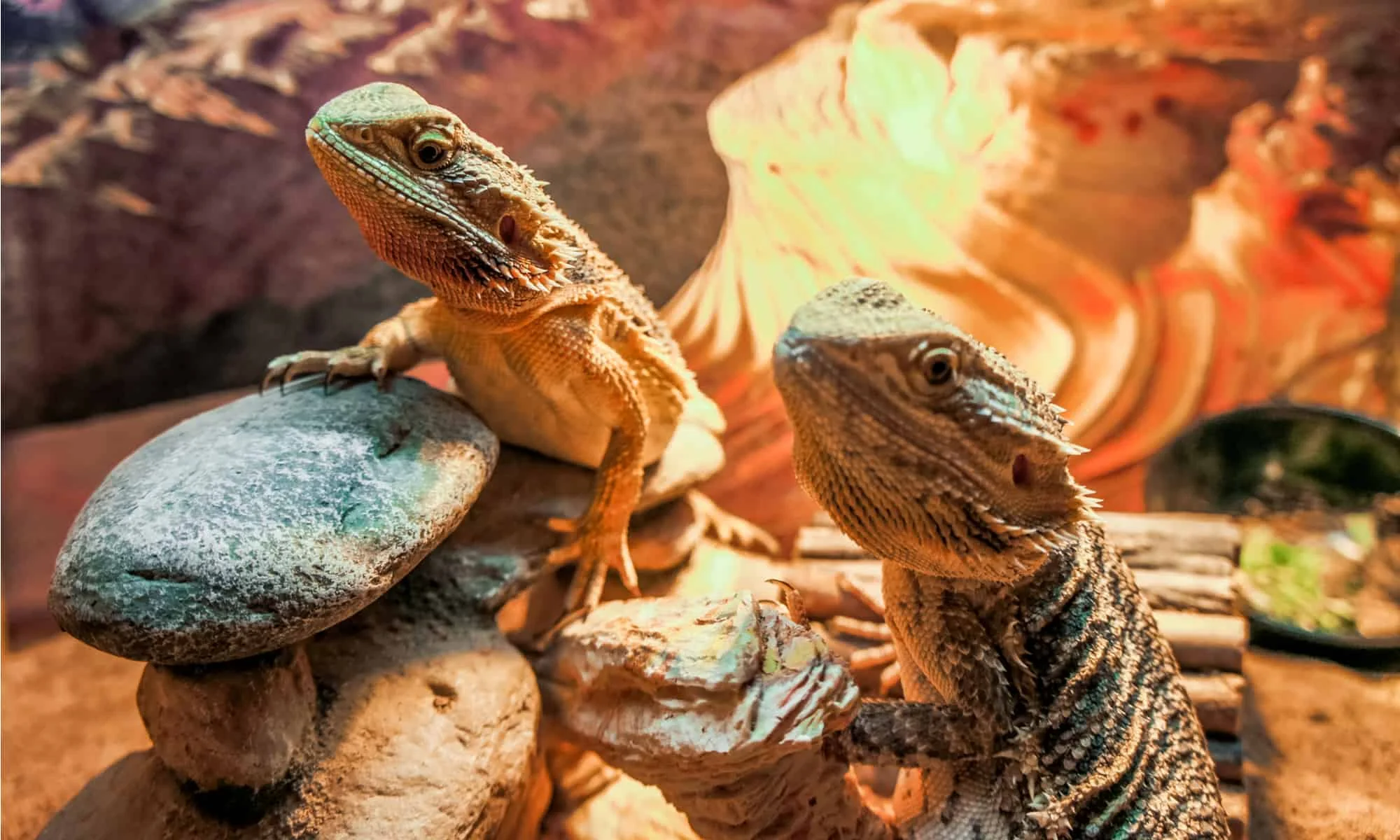
Understanding Bearded Dragon Heating Needs
Keeping your bearded dragon healthy and happy requires more than just food and water; it also means providing the correct environment, and a critical element of that is proper heating. These fascinating reptiles are ectothermic, which means they rely on external heat sources to regulate their body temperature. Without adequate heating, a bearded dragon’s metabolism slows, leading to a host of health problems and, consequently, higher vet bills. This guide provides the top five tips to optimize your bearded dragon’s heating setup for their well-being and your energy bills.
Why Proper Heating Matters for Your Dragon
Bearded dragons come from arid and semi-arid regions of Australia, where they bask in the sun to regulate their body temperature. Captive bearded dragons require a temperature gradient within their enclosure to thrive. This means having a warm basking area (around 95-110°F or 35-43°C) and a cooler area (around 75-85°F or 24-29°C). This allows the dragon to thermoregulate, moving between areas to control their body temperature. Without the right heat, they cannot digest food properly, their immune systems weaken, and they become lethargic.
Health Benefits of Correct Heating

Correct heating is fundamental to a bearded dragon’s health and well-being. It promotes healthy digestion, allowing your dragon to absorb essential nutrients from its food. Proper heating supports a strong immune system, reducing the risk of illness and disease. Furthermore, it facilitates the production of Vitamin D3, which is vital for calcium absorption and bone health. A healthy, well-heated dragon is more active, alert, and displays vibrant colors. Failing to provide appropriate heat can lead to metabolic bone disease (MBD), a common and serious condition.
Impact on Energy Bills
While providing the right heat is crucial, it can also lead to increased energy consumption. This is where energy-efficient practices come into play. By implementing the right heating setup and following these tips, you can help reduce your energy bills without compromising your dragon’s health. Choosing efficient equipment, optimizing insulation, and practicing smart habits will make a significant difference in your monthly energy consumption. This allows you to enjoy your pet while keeping your finances in check.
Tip 1 Thermostat Placement for Efficiency

The placement of your thermostat can significantly affect your energy consumption. A well-placed thermostat accurately measures the temperature within the enclosure and regulates the heating equipment accordingly. Poor placement can lead to inaccurate readings, causing the heating equipment to work harder than necessary, thereby increasing energy costs.
Optimal Thermostat Location

The ideal location for a thermostat probe is in the middle of the enclosure, near the basking spot. Ensure the probe is not directly under the heat source, which can give a false reading. Instead, place it near the area where your dragon spends most of its time. Avoid placing it near the cool side of the enclosure, as this can cause the heating equipment to run constantly. This placement ensures the thermostat accurately reflects the overall temperature of the enclosure.
Avoiding Drafts and Cold Spots
Drafts and cold spots can throw off your thermostat readings and impact heating efficiency. Make sure the enclosure is placed away from windows, doors, and air vents, as these can introduce fluctuations in temperature. You can insulate the enclosure to help maintain a consistent temperature and prevent heat loss. Sealing any gaps in the enclosure will also contribute to better temperature regulation and lower energy bills.
Tip 2 Choosing the Right Heating Equipment
Selecting the right heating equipment is another crucial aspect of energy efficiency. There are several types of heating sources available for bearded dragons, each with its pros and cons in terms of energy use and effectiveness. The type of equipment you select will depend on your enclosure size, your dragon’s needs, and your budget.
Types of Heating Sources
The most common heating sources include ceramic heat emitters (CHEs), heat lamps, and under-tank heaters (UTHs). Each one offers unique advantages, but they all require careful consideration to optimize energy efficiency. It’s also vital to have a good quality thermostat to regulate these heat sources and make sure they don’t overheat or over-consume energy.
Ceramic Heat Emitters
CHEs produce radiant heat without light, making them ideal for nighttime heating. They are generally energy-efficient and last for a long time. When choosing a CHE, look for models that are designed for reptile use and have a protective cage to prevent burns. Make sure to pair it with a thermostat to avoid overheating.
Heat Lamps
Heat lamps, especially halogen or mercury vapor bulbs, provide both heat and light. They create a natural basking spot, crucial for thermoregulation and Vitamin D3 synthesis. Use a reflector to direct the heat and light downwards and ensure it is positioned at a safe distance from your dragon. Be mindful of the wattage of the bulb, as higher wattage bulbs consume more energy.
Under-Tank Heaters


UTHs are placed under the tank and provide a gentle heat source. They are energy-efficient and can be useful for maintaining a stable temperature in the enclosure. However, UTHs are not suitable as the primary heat source for bearded dragons, and are best used as a supplementary heat source, and should be carefully regulated with a thermostat to avoid overheating.
Wattage Considerations
The wattage of your heating equipment is a major factor in energy consumption. Choose the wattage that is appropriate for your enclosure size and your dragon’s needs. Using a lower-wattage bulb or CHE can help save energy without compromising your dragon’s health. Always monitor temperatures with a thermometer to ensure the correct heat gradient.
Tip 3 Improving Enclosure Insulation
Proper insulation can significantly reduce heat loss, helping your heating equipment work more efficiently. By reducing heat loss, you can maintain a consistent temperature within the enclosure, which will use less energy and save you money on your bills.
Insulation Materials
You can insulate your bearded dragon’s enclosure using several materials. Styrofoam panels, insulation tape, or even reflective foil can be used on the sides and back of the enclosure to help retain heat. Make sure that any materials you use are non-toxic and safe for your dragon. Always prioritize the safety of your pet.
Reducing Heat Loss
Aside from insulation, there are other ways to reduce heat loss. Ensure your enclosure has a secure lid to prevent heat from escaping. You can also seal any gaps or cracks with non-toxic sealant. Placing the enclosure in a room with a stable temperature will also help maintain a consistent heat level and prevent your heating system from working overtime.
Tip 4 Monitoring and Maintaining Temperatures
Regularly monitoring and maintaining the correct temperatures is crucial for your bearded dragon’s health and your energy bill. Accurate temperature readings will help you ensure your heating equipment is working properly and will also help identify areas where you can save energy. Checking and recording the temperatures in your enclosure will help you spot any inconsistencies in the heat gradients.
Using Thermometers and Hygrometers
Use a digital thermometer with a probe to measure temperatures accurately in the basking area and the cooler side of the enclosure. A hygrometer will measure the humidity, which is also essential for your dragon’s well-being. Place the thermometers and hygrometers in the areas where your dragon spends the most time. Also, remember to calibrate your measuring devices for accuracy.
Regular Temperature Checks
Check the temperatures at least once or twice a day, especially in the morning and evening when temperatures may fluctuate. Record the readings to track the temperatures and identify any issues. Also, examine your heating equipment for signs of damage or malfunction and replace any faulty items promptly. Proper monitoring helps prevent overheating and ensures the efficiency of your heating setup.
Tip 5 Energy-Saving Habits
Adopting energy-saving habits is a simple way to reduce your energy consumption. These habits, when combined with the previous tips, can make a significant difference in your monthly energy bills, ensuring both your dragon’s well-being and your financial health. These small changes will ultimately pay off.
Turning Off Lights at Night
Bearded dragons do not need light at night, so turning off the lights will save a significant amount of energy. If you use a heat lamp, consider switching to a CHE for nighttime heating, as it provides heat without light. However, always ensure your dragon’s nighttime temperatures are within the recommended range. Avoid using any light sources at night that may disrupt your dragon’s sleep cycle.

Using Timers

Using timers to control your heating and lighting equipment is an effective way to conserve energy. Set the timer to switch on the lights and heating equipment at the appropriate times and turn them off when they are not needed. Timers are especially useful for regulating the photoperiod, which impacts your dragon’s behavior and overall health. Also, consider using smart timers that can be programmed remotely.
Conclusion
By implementing these five tips, you can optimize your bearded dragon’s heating setup and significantly reduce your energy bills. Remember, providing the correct heat is essential for your dragon’s health and happiness. Choosing the right equipment, improving insulation, and practicing energy-saving habits will keep your dragon healthy while keeping your expenses manageable. Implementing these changes ensures your dragon thrives in a comfortable environment while keeping energy costs down. Consistent monitoring, adjustments, and mindful practices will pave the way for a harmonious and cost-effective reptile-keeping experience.