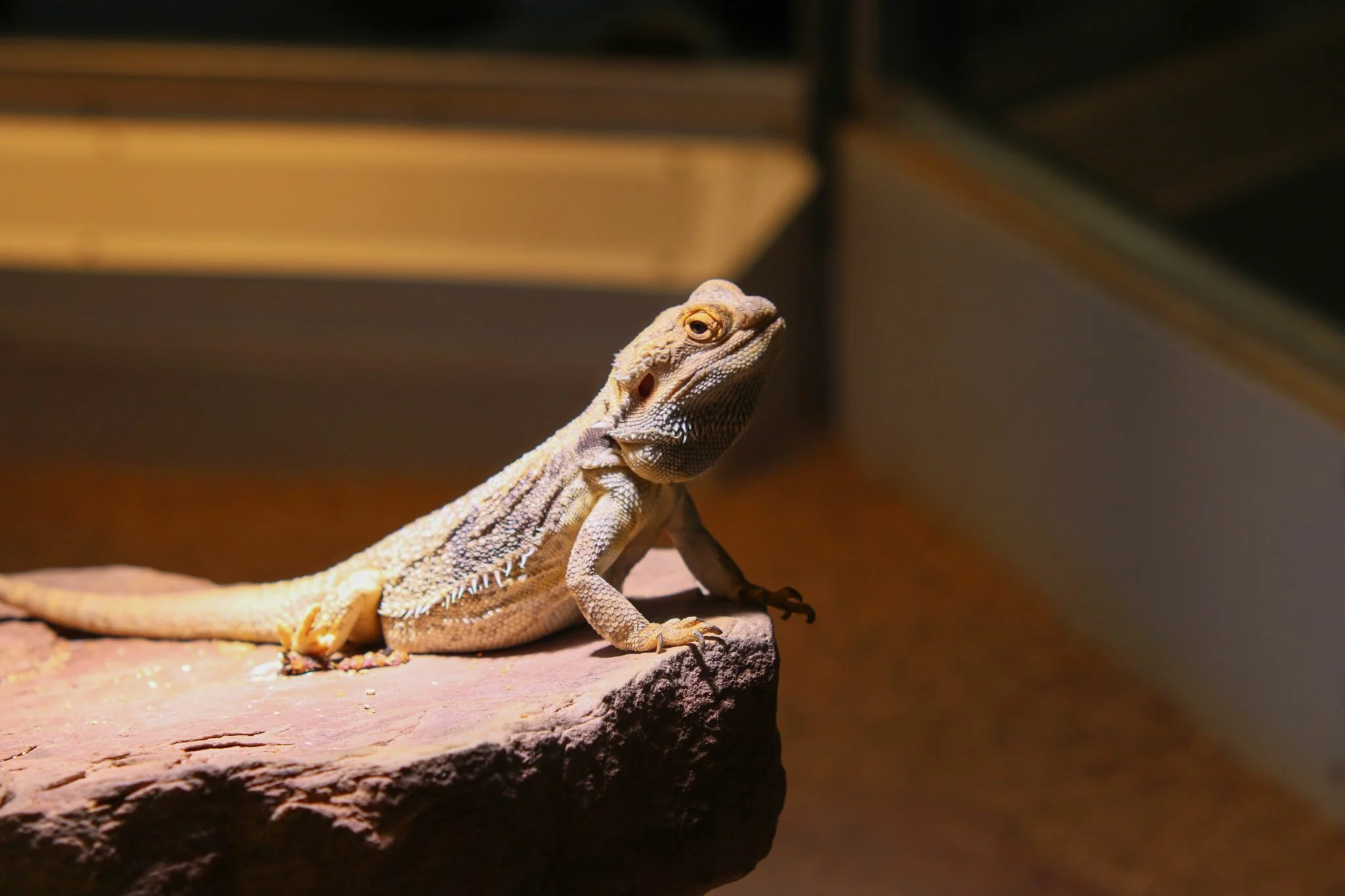
Proper heating is fundamental to the health and well-being of your bearded dragon. As ectothermic reptiles, bearded dragons rely on external heat sources to regulate their body temperature. Without adequate heat, they cannot properly digest food, and their immune systems become compromised, making them susceptible to various health problems. This guide will walk you through everything you need to know about maintaining your bearded dragon’s heating devices for long-term health and happiness. It’s not just about keeping them warm; it’s about providing the optimal environment for them to thrive. Regular maintenance ensures the longevity of your equipment and, most importantly, the health of your pet.
Understanding Bearded Dragon Heating Needs
Bearded dragons have specific temperature requirements. The ideal temperature gradient within their enclosure is crucial for their health. This gradient allows them to thermoregulate, moving between warmer and cooler areas to maintain their optimal body temperature. A basking spot, where the dragon can absorb heat, should be maintained at around 95-110°F (35-43°C) for adults, while the cooler end of the enclosure should be around 75-85°F (24-29°C). The importance of maintaining these temperatures cannot be overstated.
Why Proper Heating Is Crucial
Adequate heating enables bearded dragons to digest their food properly. Without sufficient warmth, their metabolism slows down, leading to digestive issues like impaction. Proper heating also supports their immune system, making them less vulnerable to infections and diseases. It affects their activity levels, appetite, and overall well-being. When they are warm enough, they are more active, eat more, and display natural behaviors. Proper heating is also essential for breeding, as it stimulates hormonal activity.
Risks of Incorrect Heating
Insufficient heat can lead to various health problems, including metabolic bone disease (MBD), a condition where the dragon’s bones become soft and brittle due to inadequate calcium absorption. This condition is often caused by a lack of UVB exposure, exacerbated by low temperatures. Conversely, overheating can cause burns and heatstroke. Signs of overheating include panting, lethargy, and seeking out the coolest areas of the enclosure. Incorrect heating can also lead to respiratory infections and other serious illnesses. Regular monitoring and maintenance can prevent these issues.
Choosing the Right Heating Devices
Selecting the appropriate heating devices is the first step in providing a healthy environment for your bearded dragon. The market offers various options, and each has its own pros and cons. The best choice will depend on your enclosure size, the ambient temperature of your home, and your personal preferences. Combining different types of heating devices often provides the best results, creating the necessary temperature gradient within the enclosure. Always choose devices specifically designed for reptile use to ensure safety and effectiveness.
Types of Heating Devices
Heat Lamps
Heat lamps, especially basking bulbs, are essential for creating a basking spot. These lamps emit both heat and light, providing the necessary warmth for your dragon to bask and regulate its body temperature. It is crucial to choose the right wattage for your enclosure size to avoid overheating. Using a dimmer switch can help you adjust the heat output as needed. Replace heat lamps regularly, as their heat output diminishes over time. Position the lamp correctly to create the desired temperature gradient, ensuring it is not too close to the dragon to prevent burns.
Ceramic Heat Emitters (CHEs)
Ceramic Heat Emitters (CHEs) are excellent for providing consistent heat without emitting light. These are particularly useful for nighttime heating or for maintaining consistent temperatures in cooler environments. They emit infrared heat, which penetrates the enclosure and warms the dragon directly. CHEs do not produce light, so they won’t disrupt your dragon’s sleep cycle. Choose a CHE wattage appropriate for your enclosure size, and always use them with a thermostat to prevent overheating. Regular inspection for cracks or damage is essential to ensure safe operation.
Under-Tank Heaters (UTHs)
Under-Tank Heaters (UTHs) are placed under the tank to provide a source of warmth from below. These are particularly helpful for creating a warm area on the substrate, which can be beneficial for digestion and overall comfort. UTHs should always be used with a thermostat to prevent burns. Ensure the UTH covers only a portion of the tank’s bottom to allow for a cooler area. Use a protective layer between the UTH and the substrate to prevent direct contact and potential overheating. UTHs are a supplemental heating source, not the primary one, and should be used with other heating methods.
Thermometers and Thermostats
Thermometers and thermostats are crucial for monitoring and controlling the temperature within your bearded dragon’s enclosure. Thermometers measure the temperature, while thermostats regulate the heat output of your heating devices. The combination of these tools ensures that the temperature gradient is maintained at the correct levels, preventing both overheating and underheating. Investing in quality thermometers and thermostats is essential for the health and safety of your pet. Proper placement of these devices is also crucial for accurate readings.
Essential Tools for Monitoring
Digital thermometers with probes are ideal for monitoring the temperature in different areas of the enclosure, including the basking spot and the cool side. These devices provide accurate temperature readings, allowing you to make necessary adjustments. Infrared thermometers can be used to measure surface temperatures, such as the basking rock. Thermostats should be used with all heating devices, especially heat lamps and CHEs, to regulate temperature and prevent overheating. Always double-check your thermometer and thermostat readings for accuracy, and recalibrate them as needed.
Choosing Reliable Brands

When selecting thermometers and thermostats, choose reputable brands known for their accuracy and reliability. Look for devices specifically designed for reptile use. These products are built to withstand the conditions within a reptile enclosure. Research reviews and compare different brands before making a purchase. Consider the features offered by each device, such as temperature ranges, accuracy, and ease of use. Reading reviews from other reptile owners can also provide valuable insights into the performance and durability of different products.
Daily Heating Device Maintenance
Daily maintenance is essential to ensure your heating devices are functioning correctly and safely. This includes visual inspections, cleaning, and monitoring the temperature to ensure it remains within the proper range. These simple daily tasks will help prevent potential problems and maintain a healthy environment for your bearded dragon. Regular maintenance also extends the lifespan of your heating equipment.
Visual Inspection


Perform a quick visual inspection of your heating devices every day. Check for any signs of damage, such as cracks, loose wires, or discoloration. For heat lamps, make sure the bulb is securely in place and not flickering. With CHEs, inspect the ceramic surface for any cracks or damage. For UTHs, ensure the device is securely attached and not lifting from the bottom of the enclosure. Addressing any damage immediately can prevent more serious problems down the line.
Checking for Cracks and Damage
Regularly examine the surface of heat lamps and CHEs for cracks or damage. Even small cracks can compromise the device’s functionality and pose a safety hazard. Inspect the wiring and connections for any signs of wear or damage. Make sure all electrical connections are secure and properly insulated. If you notice any damage, replace the device immediately. Do not attempt to use a damaged heating device, as it could cause a fire or electric shock.
Cleaning the Devices
Keep your heating devices clean to ensure they operate efficiently and safely. Dust and debris can accumulate on the surface of heat lamps and CHEs, reducing their effectiveness and potentially causing a fire hazard. Cleaning also ensures that your bearded dragon is not exposed to harmful substances. Proper cleaning methods depend on the type of device, but generally involve wiping the surface with a damp cloth. Avoid using harsh chemicals or abrasive cleaners.
Proper Cleaning Methods
Before cleaning any heating device, always turn it off and unplug it from the power source. Allow the device to cool down completely before cleaning. Use a damp cloth to wipe the surface of the heat lamp or CHE. For stubborn dirt, you can use a mild soap solution, but make sure to rinse the device thoroughly. Avoid getting any water or cleaning solution into the electrical components. For UTHs, simply wipe the underside of the tank with a damp cloth. Always allow the devices to dry completely before plugging them back in.
Maintaining Correct Temperatures
Maintaining the correct temperature gradient is critical for your bearded dragon’s health. Regularly monitor the temperature in various areas of the enclosure to ensure it is within the recommended range. Use a reliable thermometer to measure the temperature in the basking spot and the cool side. Adjust the heating devices as needed to maintain the proper temperature gradient. Remember that temperatures can fluctuate throughout the day, so constant monitoring is necessary to provide a stable environment for your pet.
Using Thermometers
Place thermometers in both the basking spot and the cool side of the enclosure to accurately measure the temperature. Digital thermometers with probes are ideal for this purpose. The probe should be placed directly in the basking spot to measure the surface temperature, while the cool side thermometer measures the ambient temperature. Regularly check the readings to ensure that the temperature is within the recommended range. Replace or recalibrate thermometers as needed to maintain accurate readings. Keep a record of the temperatures to track any fluctuations over time.

Adjusting Devices Based on Temperature
Based on the thermometer readings, adjust the heating devices to maintain the correct temperature gradient. If the basking spot is too cold, increase the wattage of the heat lamp or move it closer to the basking area. If the basking spot is too hot, lower the wattage or move the lamp further away. If the cool side is too warm, improve ventilation in the enclosure. Regularly monitor the temperatures and make adjustments as needed to provide a comfortable and healthy environment for your bearded dragon. Use a thermostat to automatically control the temperature if you have one.
Weekly and Monthly Maintenance
In addition to daily maintenance, weekly and monthly tasks are necessary to ensure the long-term functionality and safety of your heating devices. This includes deep cleaning, checking electrical connections, and replacing devices as needed. Consistent maintenance prevents potential problems and maintains a healthy environment for your bearded dragon. Following a regular schedule will make this process more manageable.
Deep Cleaning and Inspection
Each week, conduct a more thorough inspection of your heating devices and the surrounding area. Carefully examine the heat lamps, CHEs, and UTHs for any signs of damage or wear. Clean the devices thoroughly, removing any accumulated dust or debris. Check the electrical cords and connections for any damage or fraying. Check the entire enclosure for any potential fire hazards. Make sure the area around the heating devices is free from flammable materials. Replace any damaged or worn-out components immediately.
Checking Electrical Connections


Regularly inspect the electrical connections of your heating devices. Check the plugs and outlets for any signs of damage or loose connections. Ensure the cords are in good condition and not frayed or cracked. Ensure the thermostat is working correctly. Make sure the cords are not pinched or tangled, which could create a fire hazard. If you notice any issues with the electrical connections, replace the device immediately or consult with a qualified electrician.
Replacing Devices as Needed
Heating devices have a limited lifespan, and their performance degrades over time. Replace heat lamps and CHEs when they reach their recommended lifespan, or sooner if you notice a decrease in heat output. Regularly check the UTH for proper function. Replace damaged or malfunctioning devices immediately to ensure your bearded dragon receives adequate heating. Keep spare heating devices on hand to ensure you can quickly replace a malfunctioning one. Record the date you installed each device to keep track of its lifespan.
Troubleshooting Common Heating Issues
Even with regular maintenance, you might encounter problems with your heating devices. Knowing how to troubleshoot these issues can save you time and ensure your bearded dragon remains healthy. Common problems include devices that aren’t heating up, and overheating concerns. Always prioritize safety and seek professional help when necessary.
Device Isn’t Heating Up
If a heating device is not producing heat, first check the power supply. Ensure the device is plugged in and that the outlet is working. Check the bulb or heating element to make sure it hasn’t burned out. Inspect the wiring and connections for any damage or loose connections. If the device is connected to a thermostat, ensure that the thermostat is properly set and functioning. If the device still isn’t heating up, replace the bulb or heating element, or replace the entire device if it’s beyond repair.
Overheating Concerns
Overheating is a serious concern that can lead to burns and heatstroke. If you notice your bearded dragon panting, lethargic, or seeking out the coolest areas of the enclosure, it may be overheating. Check the temperature in the basking spot and cool side. If the basking spot is too hot, move the heat lamp further away or reduce the wattage. Ensure the thermostat is set correctly, and consider using a dimmer switch to regulate the heat output. Improve ventilation in the enclosure if needed. If the overheating is severe, seek immediate veterinary assistance.
Seeking Professional Help
If you are unsure how to troubleshoot a heating issue or if you are unable to resolve it, seek professional help. Consult with a veterinarian or a reptile expert for advice. They can diagnose the problem and provide solutions. An electrician can check the electrical connections and ensure the devices are safely installed. Do not attempt to repair any heating devices unless you are qualified. Your pet’s health is paramount. It is better to err on the side of caution and seek professional help rather than risk your dragon’s health.

Long-Term Heating Device Care Tips
By following these maintenance practices, you will ensure that your bearded dragon receives the proper amount of heat and remains healthy for years to come. Consistent monitoring and proactive maintenance are key to creating a safe and thriving environment. The investment in regular maintenance is a worthwhile one, as it directly contributes to your pet’s longevity and well-being. Always prioritize your bearded dragon’s health and safety.
In conclusion, maintaining your bearded dragon’s heating devices is a vital aspect of responsible reptile ownership. From choosing the right equipment to implementing daily, weekly, and monthly maintenance routines, ensuring proper heating requires diligence and attention to detail. By understanding the importance of the temperature gradient, monitoring temperatures, and troubleshooting potential issues, you can create a comfortable and healthy environment for your bearded dragon to thrive. Regular maintenance not only extends the life of your heating devices but also ensures your pet’s long-term health and happiness.