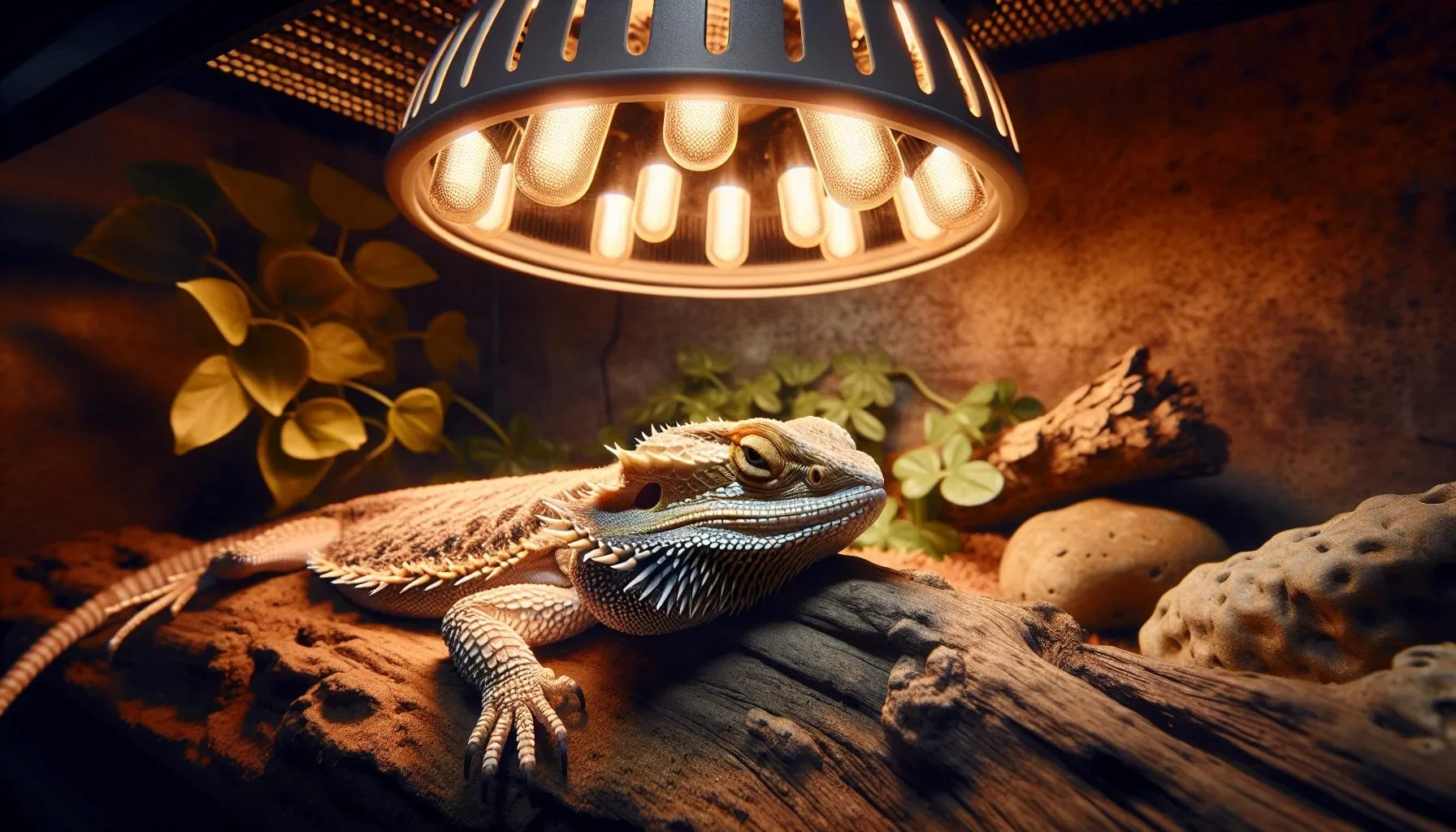
Understanding Bearded Dragon Heating Needs
Maintaining the correct temperature gradient is critical to the health and well-being of your bearded dragon. These reptiles are ectothermic, meaning they rely on external heat sources to regulate their body temperature. Without proper heating, they cannot digest food effectively, maintain a healthy immune system, or exhibit normal behavior. This guide will walk you through common heating lamp issues and how to troubleshoot them.
Why is Proper Heating Important for Bearded Dragons?
Bearded dragons require a specific temperature range to thrive. This range typically involves a basking spot that reaches 95-115°F (35-46°C), a cooler side of the enclosure around 75-85°F (24-29°C), and a night temperature that doesn’t drop below 65°F (18°C). Proper heating allows them to digest food, absorb essential nutrients like calcium, and maintain a healthy metabolism. Adequate warmth also promotes activity and supports their immune system, protecting against various health issues.

Consequences of Improper Heating
When the heating isn’t correct, several health problems can occur. These can include: Metabolic Bone Disease (MBD), caused by an inability to absorb calcium; lethargy and loss of appetite; respiratory infections; and a weakened immune system, making them vulnerable to other illnesses. Furthermore, prolonged exposure to improper temperatures can shorten a bearded dragon’s lifespan and lead to chronic health problems, making regular monitoring and troubleshooting essential.
Common Bearded Dragon Heating Lamp Problems
Heating lamps can malfunction for various reasons. Being aware of the common issues can help you quickly diagnose and solve problems. Some frequent problems include lamps failing to turn on, excessive heat production, or flickering, and each requires a methodical approach to resolve the underlying issue and restore the ideal environment.
Lamp Not Turning On
A non-functioning heating lamp is a common problem. Several factors can prevent the lamp from switching on, from a simple burnt-out bulb to issues with the power supply. Troubleshooting begins with the bulb itself, and then moves on to other potential causes, in order to identify and fix the root of the problem. It’s essential to safely check each element, eliminating the possibilities one by one to restore the lamp’s function.
Check the Bulb
The first and most obvious check is the bulb. Remove the bulb carefully, allowing it to cool if necessary, and examine it for any visible signs of damage, such as a burnt filament or a darkened glass. If the bulb appears damaged, it’s likely the source of the problem, and a replacement is needed. Always use a bulb of the correct wattage and type for your bearded dragon’s enclosure.
Inspect the Socket

The socket that holds the bulb can become faulty over time. Inspect the socket for any signs of damage, such as melted plastic or loose connections. Gently try to wiggle the bulb in the socket to check for a secure fit. If the socket appears damaged, it may need to be replaced. Always disconnect the lamp from the power supply before inspecting or replacing the socket.
Test the Power Source
Ensure the power outlet is working correctly. Plug another device, such as a lamp or phone charger, into the same outlet to see if it functions. If the outlet doesn’t work, you’ll need to use a different outlet or check the circuit breaker. Also, confirm that the lamp’s power cord is securely plugged into the outlet and that there are no visible damages to the cord itself.
Lamp is Too Hot or Too Cold
Maintaining the right temperature is just as crucial as having the lamp functioning. A lamp that is too hot can cause burns, dehydration, and stress, while a lamp that is too cold can lead to health issues. Regular monitoring with a thermometer and adjusting the setup based on the thermometer’s readings ensures that the environment is suitable for the reptile.
Verify Thermostat Settings
If you’re using a thermostat, check its settings to ensure the desired temperature range is correctly programmed. Make certain that the thermostat is functioning correctly. Also, confirm the thermostat probe is correctly positioned, typically near the basking spot, and is not covered or obstructed. Reposition or recalibrate the thermostat as necessary to maintain the proper temperature.

Check the Thermometer

Use a reliable thermometer to verify the temperature readings within the enclosure. Digital thermometers with probes are generally more accurate than analog ones. Place the thermometer probe in both the basking spot and the cooler side of the enclosure. Compare the thermometer readings with the desired temperature range, and adjust the lamp’s position or wattage to achieve the correct temperatures.
Positioning the Lamp Correctly
The lamp’s position and distance from the basking spot significantly affect the temperature. Adjust the height of the lamp to achieve the proper basking temperature. The distance the lamp should be from the basking spot will depend on the bulb’s wattage and type. Monitor the temperature carefully after each adjustment, and be prepared to move the lamp as necessary to maintain the correct temperature gradient throughout the enclosure.
Lamp Flickering or Burning Out Quickly
Flickering or premature burnout of the heating lamp can indicate several issues. Incorrect bulb types or voltage incompatibilities can cause these problems. Addressing flickering and frequent bulb replacement can both improve the reliability of the heating system and reduce unnecessary costs associated with constant bulb replacement.
Check the Bulb Type
Ensure you are using the correct type of bulb for your bearded dragon’s heating needs. Incandescent bulbs, ceramic heat emitters (CHE), and mercury vapor bulbs are all suitable options. Avoid using household light bulbs, as they’re often not designed for the high temperatures and UV requirements needed for reptiles. Research and select a bulb specifically designed for reptile use.
Evaluate Voltage Compatibility
Confirm that the bulb’s voltage matches the power source. Using a bulb with the wrong voltage can cause the lamp to flicker, burn out quickly, or even pose a fire hazard. Check the voltage rating on both the bulb and the lamp’s specifications. If there is a mismatch, use a compatible bulb or consult an electrician for further assistance.
Inspect for Loose Connections
Loose wiring within the lamp or socket can cause flickering and premature bulb failure. Inspect the connections within the lamp’s wiring and the socket. Make sure all wires are securely connected, and tighten any loose screws or connections. Disconnect the lamp from the power supply before making any wiring adjustments.
Troubleshooting Steps for Each Problem
Effective troubleshooting involves a systematic approach. From identifying the issue to implementing targeted solutions, following a logical series of steps can help you efficiently resolve heating lamp problems and maintain a safe environment for your bearded dragon.
Step-by-Step Lamp Troubleshooting
Start by inspecting the bulb and then work your way through the electrical system. The process typically begins with a visual inspection to identify any obvious problems. Then you should move on to checking the power source and examining other components. Each step is crucial to systematically identifying the root cause of the lamp’s failure and is essential for effective troubleshooting.
Tools Needed
Have the necessary tools on hand to perform troubleshooting and repairs safely. These may include a screwdriver, pliers, a multimeter for testing electrical components, and replacement parts. Having these tools readily available ensures you are prepared to handle a variety of potential issues efficiently.
Safety Precautions
Always unplug the lamp from the power source before inspecting or repairing any electrical components. Allow bulbs to cool down before handling them, as they can get very hot. If you are unsure about any aspect of the repair, consult a qualified electrician. Prioritizing your safety is important.
Repairing a Faulty Heating Lamp
When troubleshooting reveals a problem, repairs may be necessary. Common repairs include bulb and socket replacement, which can often be done at home with care. Understanding the steps for these repairs allows you to quickly resolve common problems and restore a healthy environment for your pet.
Replacing the Bulb

Replacing a burnt-out bulb is a simple process. Ensure the lamp is unplugged and the bulb has cooled down. Unscrew the old bulb and screw in the new one, making sure it is the correct type and wattage. This is a common and straightforward fix for any issues.
How to Choose the Right Bulb
When selecting a replacement bulb, consider the type of bulb you need. For basking, you might use a halogen or incandescent bulb, while a CHE may provide ambient heat. Always match the wattage and type of bulb to the lamp’s specifications and your bearded dragon’s needs. Also, check the bulb’s UV output to ensure it’s appropriate for your reptile’s health, especially if the bulb is providing UVB.
Replacing the Socket
If the socket is damaged, it must be replaced. Disconnect the lamp from the power. Unscrew the existing socket from the lamp fixture, disconnect the wires, and replace it with a new socket designed for the correct bulb type. If you are unsure about this process, seek the help of an electrician to ensure safe and effective repairs.
Wiring the New Socket
Carefully connect the wires from the lamp to the new socket, following the wiring diagram provided with the socket. Secure the connections with wire connectors. Test the lamp to ensure the bulb is working correctly. Double-check all connections before restoring power to make sure all components are safely installed.
Troubleshooting Thermostats
Thermostats can be essential tools for maintaining consistent temperatures. Regularly inspecting, testing, and replacing thermostats, if necessary, ensures that the heating system functions correctly and the enclosure maintains proper heat levels, benefitting your bearded dragon. Regularly verifying that thermostats function reliably is crucial.
Testing the Thermostat
To test a thermostat, use a digital thermometer to check the enclosure’s temperature. Compare the temperature readings on the thermometer with the thermostat’s settings. If the readings are inconsistent, the thermostat might need to be adjusted or replaced. Ensure the thermostat probe is correctly placed to accurately reflect the enclosure’s temperature.
Replacing a Thermostat

If the thermostat is faulty, replace it. Disconnect the power and carefully remove the old thermostat, noting the wiring connections. Install the new thermostat, following the manufacturer’s instructions. Reconnect the power and test the thermostat’s functionality to confirm it is operating correctly. Consider seeking professional help if you’re unsure about any steps.
Maintaining Your Bearded Dragon Heating Lamp
Routine maintenance extends the life of your heating lamp, ensures consistent performance, and helps create a healthy environment for your bearded dragon. Consistent cleaning and preventive maintenance measures can minimize the need for troubleshooting. Regular upkeep also helps catch potential problems early.
Regular Cleaning
Clean the lamp and reflector regularly to remove dust and debris. Use a soft, dry cloth to wipe down the exterior of the lamp. Make sure to switch off and unplug the lamp before cleaning to reduce potential hazards. Periodically check and clean the area around the lamp, because a clean lamp is more effective at radiating heat and light.

Preventive Maintenance
Perform regular inspections of the lamp and related components. Check the power cord for any signs of damage. Make sure all connections are secure. Replace bulbs before they burn out to avoid sudden temperature drops. Following a schedule of regular maintenance helps avoid major problems and sustains optimal lamp performance.
Monitoring the Temperature
Use a digital thermometer with a probe to constantly monitor the temperature gradient in the enclosure. Place the probe in both the basking area and the cooler end to make sure the temperatures are within the recommended ranges. Document and maintain a temperature log to identify any fluctuations that might need correction. This monitoring allows you to make necessary adjustments promptly.
When to Call a Professional
Sometimes, troubleshooting and repairing the heating lamp may exceed your capabilities. It is important to recognize when professional help is necessary to avoid more significant problems. Contacting a qualified professional guarantees safe and effective repairs.
Signs of a Serious Problem
If you’re dealing with persistent electrical issues, such as frequent tripping of the circuit breaker, or if you’re not comfortable working with electrical components, it’s time to consult a professional. If you notice any signs of smoke, unusual odors, or hear any buzzing noises from the lamp, turn it off immediately and seek expert help.
Finding a Qualified Technician
When you need a professional, locate a reputable electrician or reptile specialist. Ask for recommendations and reviews from other reptile owners. Ensure that the technician has experience with reptile heating systems and is licensed and insured. Using a professional guarantees proper and safe repairs, keeping your bearded dragon safe.