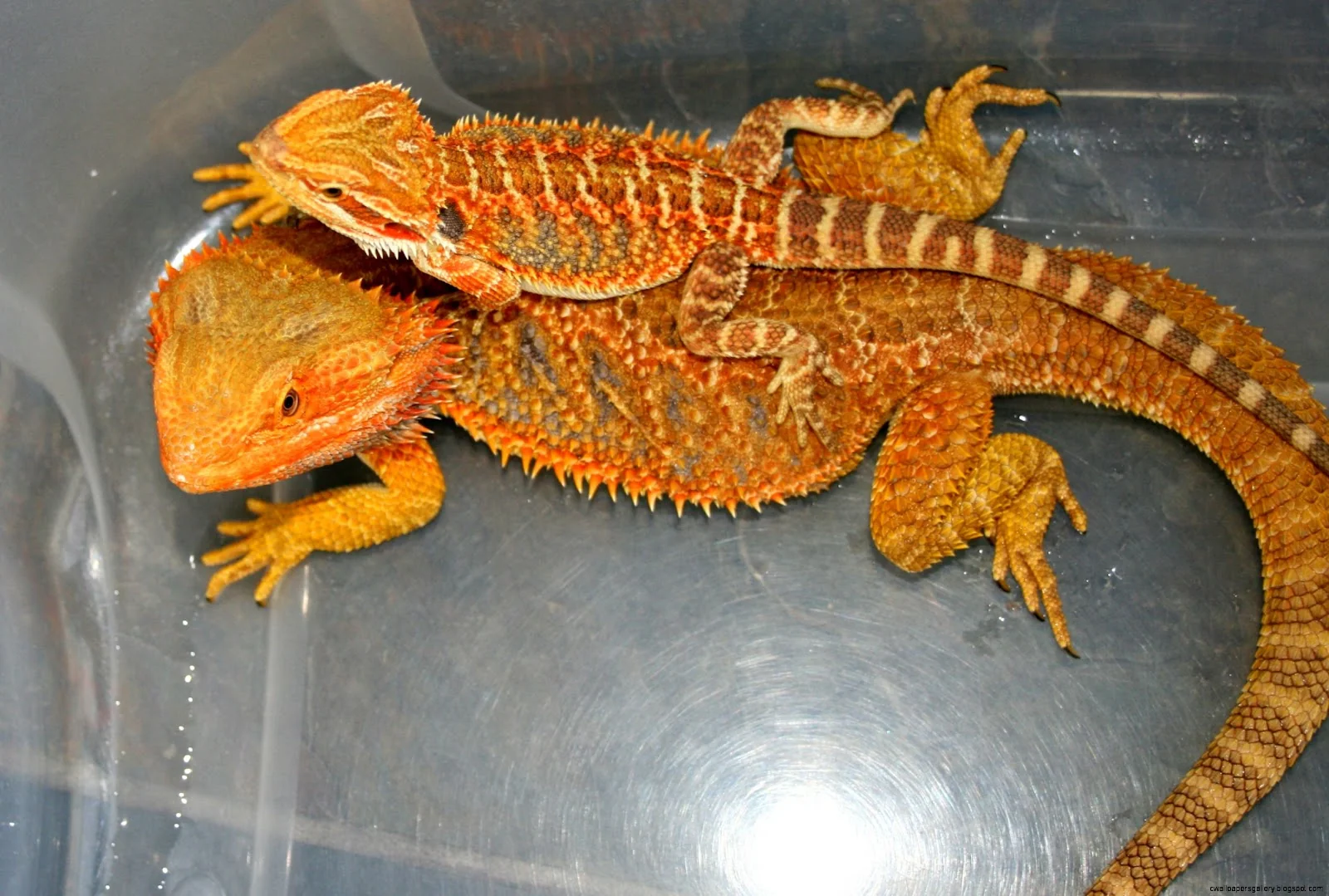
Understanding Bearded Dragon Heating Needs
Providing the correct temperature gradient is absolutely critical for the health and well-being of your bearded dragon. Unlike humans, these fascinating reptiles are ectothermic, meaning they rely on external heat sources to regulate their body temperature. Their metabolism, digestion, immune system, and overall activity levels are all heavily influenced by the ambient temperature within their enclosure. A well-regulated heating system mimics their natural habitat, ensuring they can thrive. This guide offers essential tips for beginners to understand and manage the heating requirements of their bearded dragon effectively, guaranteeing a happy and healthy pet.
Why is Temperature Control Important
Temperature control is far more important than many beginner reptile keepers realize. Proper heating allows your bearded dragon to digest food properly, absorb essential nutrients like calcium, and maintain a strong immune system. If the temperature is too low, they can become lethargic, lose their appetite, and become more susceptible to illnesses. In the wild, bearded dragons bask in the sun to warm up and regulate their body temperature. In captivity, we must replicate this process using artificial heat sources. Temperature is not just about comfort; it is about survival for these amazing creatures. A well-controlled temperature gradient gives your pet the ability to move to different parts of the enclosure to control their own internal temperature.
Impact of Incorrect Temperatures
Incorrect temperatures can lead to a variety of health problems. If the enclosure is too cold, your bearded dragon may experience decreased appetite, slow digestion, and a weakened immune system, making them vulnerable to respiratory infections and other diseases. Prolonged exposure to low temperatures can even lead to metabolic bone disease (MBD), a severe condition caused by the body’s inability to absorb calcium. Conversely, if the enclosure is too hot, they can suffer from heatstroke, which can be fatal. Excessively high temperatures can also lead to dehydration and other organ damage. Carefully monitoring and maintaining the correct temperature range is crucial to preventing these potentially life-threatening issues.

Signs of Temperature Issues
Bearded dragons can’t tell you if they’re too hot or cold, so it’s essential to watch for signs of temperature problems. If your dragon is sluggish, has a decreased appetite, or spends excessive time in the coolest part of the enclosure, it may be too cold. Look for signs like a dark beard (though this can also indicate stress), and they may be less active. Conversely, if they are panting excessively, trying to escape the enclosure, or spending all their time away from the basking spot, the enclosure may be too hot. Other signs to watch for include dehydration, lethargy, or blisters. Being vigilant about these signs can help you quickly identify and address any heating issues before they negatively impact your pet’s health.
Essential Heating Equipment
To properly control the temperature in your bearded dragon’s enclosure, you will need specific equipment designed to provide and regulate heat. These tools will ensure that your pet can thrive in a safe and comfortable environment. Choosing the right equipment is just as important as understanding how it works. Proper heat sources, temperature monitoring devices, and control mechanisms are critical for creating the right environment. Proper equipment combined with consistent monitoring will help ensure your bearded dragon remains healthy.
Choosing the Right Heat Lamps
Heat lamps are the primary source of heat for a bearded dragon’s enclosure. Selecting the right type of heat lamp is vital for creating the correct temperature gradient. These lamps not only provide warmth but also emit UVA and UVB rays, which are crucial for their health and well-being. Choose a lamp specifically designed for reptile use and ensure it provides both heat and the appropriate spectrum of UV light. Be sure to research appropriate wattage for the enclosure size and dragon’s needs. Position the lamp correctly to establish a basking spot where the dragon can warm up, and always follow the manufacturer’s safety guidelines when installing and using heat lamps.
Types of Heat Lamps
There are several types of heat lamps to consider for your bearded dragon’s enclosure, including basking bulbs, ceramic heat emitters (CHE), and mercury vapor bulbs. Basking bulbs are the most common choice, providing both heat and UVA light. Ceramic heat emitters provide heat without light, making them suitable for nighttime use if needed. Mercury vapor bulbs combine heat, UVA, and UVB in a single bulb, offering a convenient solution. Consider a mercury vapor bulb if it suits your situation. The best choice depends on your specific needs and the layout of your enclosure. Research each type to determine which is best suited for your bearded dragon, and always prioritize safety when making your decision.
Wattage Considerations
The wattage of your heat lamp is crucial for achieving the correct basking spot temperature. The wattage you need will depend on the size of your enclosure, the ambient temperature of the room, and the distance between the lamp and the basking spot. Generally, a higher wattage lamp will produce more heat. Start with a lower wattage bulb and gradually increase it until you achieve the desired temperature. It is very important to monitor the temperature closely with a reliable thermometer to avoid overheating. Placing the heat lamp at an appropriate height can also affect the temperature and allow your bearded dragon to have a comfortable temperature gradient. Remember, it’s always better to start with a lower wattage and work your way up, erring on the side of caution to prevent overheating.
Using Thermostats for Precise Control
Thermostats are essential for regulating the temperature in your bearded dragon’s enclosure, preventing overheating or underheating. They work by automatically turning the heat source on and off to maintain a consistent temperature. There are different types of thermostats available, each with its own features and benefits. Investing in a good-quality thermostat is one of the best ways to ensure the safety and comfort of your bearded dragon. This tool helps create a more stable and predictable thermal environment, reducing the risk of temperature fluctuations and related health problems. Careful selection and proper use of a thermostat are essential for maintaining the right temperature for your pet.
Types of Thermostats
There are several types of thermostats available. A basic on/off thermostat simply turns the heat source on or off when a certain temperature is reached. A pulse proportional thermostat adjusts the power to the heat source, allowing for more precise control. A dimming thermostat is a more advanced type that gradually reduces the power to the heat source as the target temperature is approached, minimizing temperature fluctuations. Consider choosing a thermostat that suits your needs. Digital thermostats often provide more accurate temperature readings and allow for more customization. It is important to read reviews of the different types of thermostats to make an informed decision. Choose a reliable thermostat that will provide an accurate temperature reading in your enclosure.
Placement and Calibration
The placement of your thermostat’s probe is critical for accurate temperature control. Place the probe in the basking spot to monitor the highest temperature, or in other areas to monitor the temperature gradient. Ensure the probe is not directly under the heat lamp, as this can give a falsely high reading. Always calibrate your thermostat according to the manufacturer’s instructions. Some thermostats allow you to adjust the temperature reading to match a known accurate thermometer. Regular calibration ensures that your thermostat provides reliable temperature readings, which is vital for maintaining a healthy environment for your bearded dragon. Taking the time to place and calibrate your thermostat correctly will pay dividends.

Measuring and Monitoring Temperatures
Regular temperature monitoring is non-negotiable for ensuring your bearded dragon’s well-being. You must consistently check the temperatures in the enclosure to confirm that your heating system is functioning correctly and that the temperatures are within the correct range. This is easily done by using reliable thermometers and strategically placing them in different areas of the enclosure. Monitoring will allow you to notice and correct temperature fluctuations immediately. This diligent approach helps maintain the optimal environment for your bearded dragon.
Best Thermometer Types
There are two main types of thermometers commonly used in reptile enclosures: analog and digital. Analog thermometers are simple and generally inexpensive, but they can be less accurate. Digital thermometers are generally more accurate and offer precise temperature readings. Digital thermometers often have a probe that can be placed in the basking spot or other areas to monitor the temperature. Some digital thermometers also measure humidity, which is another important factor in your bearded dragon’s environment. Consider using a digital thermometer with a probe for the most accurate temperature readings. Make sure to select a thermometer that’s easy to read and reliable.
Placement of Thermometers
Proper thermometer placement is essential for accurate temperature readings. Place one thermometer in the basking spot, directly under the heat lamp, to monitor the highest temperature. Place another thermometer in the cool side of the enclosure to check the temperature gradient. You can also place thermometers at different levels within the enclosure to ensure there is a consistent gradient from top to bottom. Ensure the thermometers are not directly in the path of the heat lamp’s light to prevent inaccurate readings. Checking your thermometer placement regularly is very important to guarantee that your readings are as accurate as possible. Accurate thermometer placement helps ensure your bearded dragon can thrive.
Creating a Temperature Gradient
A temperature gradient is the key to a healthy and happy bearded dragon. It is the range of temperatures available within their enclosure that allows your pet to regulate its body temperature. This gradient consists of a hot basking spot, a warm zone, and a cooler area. This variety of temperatures allows your bearded dragon to move around the enclosure to find the perfect temperature for their needs. Proper temperature gradients are vital for their digestion, immune function, and overall well-being. Without a gradient, your bearded dragon will not be able to properly regulate its body temperature.
Hot Side vs. Cool Side
The hot side of the enclosure should have a basking spot with a temperature of around 100-110°F (38-43°C) for adults and slightly lower for juveniles. This is where your bearded dragon will go to warm up and bask. The cool side should be in the range of 75-85°F (24-29°C). This gives your dragon a place to cool down when it gets too warm. The contrast between the hot and cold sides creates the temperature gradient, allowing the dragon to thermoregulate. Ensure the cool side is far enough away from the heat source that it maintains a safe temperature. This allows your bearded dragon to choose the best spot based on its own needs.
Basking Spot Temperature
The basking spot temperature is the most critical measurement in your bearded dragon’s enclosure. This is the hottest area, directly under the heat lamp, where your dragon will spend time warming up. Use a digital thermometer with a probe to accurately measure the basking spot temperature. The basking spot temperature should be carefully monitored and adjusted, using a thermostat, to maintain the optimal range for your bearded dragon. Always ensure your dragon has access to the correct basking spot temperature and that your heating system is effectively controlling the temperature of the enclosure.
Troubleshooting Common Heating Problems
Even with the best equipment and careful planning, heating issues can arise. You should always be prepared to address common problems. Being able to diagnose and troubleshoot heating issues will help you keep your bearded dragon healthy and comfortable. Knowing what to look for and how to resolve these issues will contribute to their overall well-being.

Overheating Issues
Overheating is a serious concern, and it’s crucial to address it immediately. Signs of overheating include panting, lethargy, and attempts to escape the enclosure. If you suspect overheating, immediately turn off the heat source and move your dragon to a cooler area of the enclosure. Provide fresh, cool water and monitor your dragon closely for signs of dehydration or heatstroke. To prevent overheating, make sure your heat lamp is properly wattage and controlled by a thermostat. Ensure there is a sufficient temperature gradient within the enclosure, allowing your dragon to move away from the heat source if needed. Always check the temperature of your basking spot with a reliable thermometer.
Underheating Issues
Underheating is just as problematic as overheating. Signs of underheating include lethargy, decreased appetite, and a sluggish metabolism. If you suspect underheating, check the temperature of your enclosure with a thermometer and make sure the heat source is working correctly. If the temperature is too low, you may need to increase the wattage of your heat lamp or add a second heat source. Ensure your enclosure is properly insulated and that the ambient temperature of the room is not too low. Consistent monitoring is essential to preventing underheating. You should always review the temperature of your enclosure and provide the appropriate levels of heat for your bearded dragon.
Maintaining Consistent Temperatures

Maintaining consistent temperatures is the key to a healthy and thriving bearded dragon. This involves daily and seasonal adjustments and regular checks to ensure the heating system is performing correctly. A consistent thermal environment minimizes stress and health issues, and it creates an ideal atmosphere where your pet can thrive.

Daily and Seasonal Adjustments
Daily and seasonal adjustments are often required to maintain the correct temperature gradient. The ambient temperature of the room can fluctuate, so you may need to adjust the heat lamp wattage or thermostat settings. During colder months, you may need to increase the heat output, while during warmer months, you might need to decrease it. Regularly monitor the temperatures in the enclosure and adjust the settings as needed. Also, it is important to be mindful of the time of day. The basking spot should be on for 12-14 hours a day to mimic the natural day/night cycle.


Importance of Regular Checks
Regular checks are essential for maintaining a healthy environment. Check the temperature gradient, thermometer function, and thermostat function daily. Inspect the heat lamp and other heating equipment for any signs of damage or wear. Check the enclosure for drafts or other environmental changes that could affect the temperature. By regularly checking your bearded dragon’s enclosure, you can catch problems early and make any necessary adjustments to maintain the proper temperature. Consistent monitoring is critical for your pet’s health.