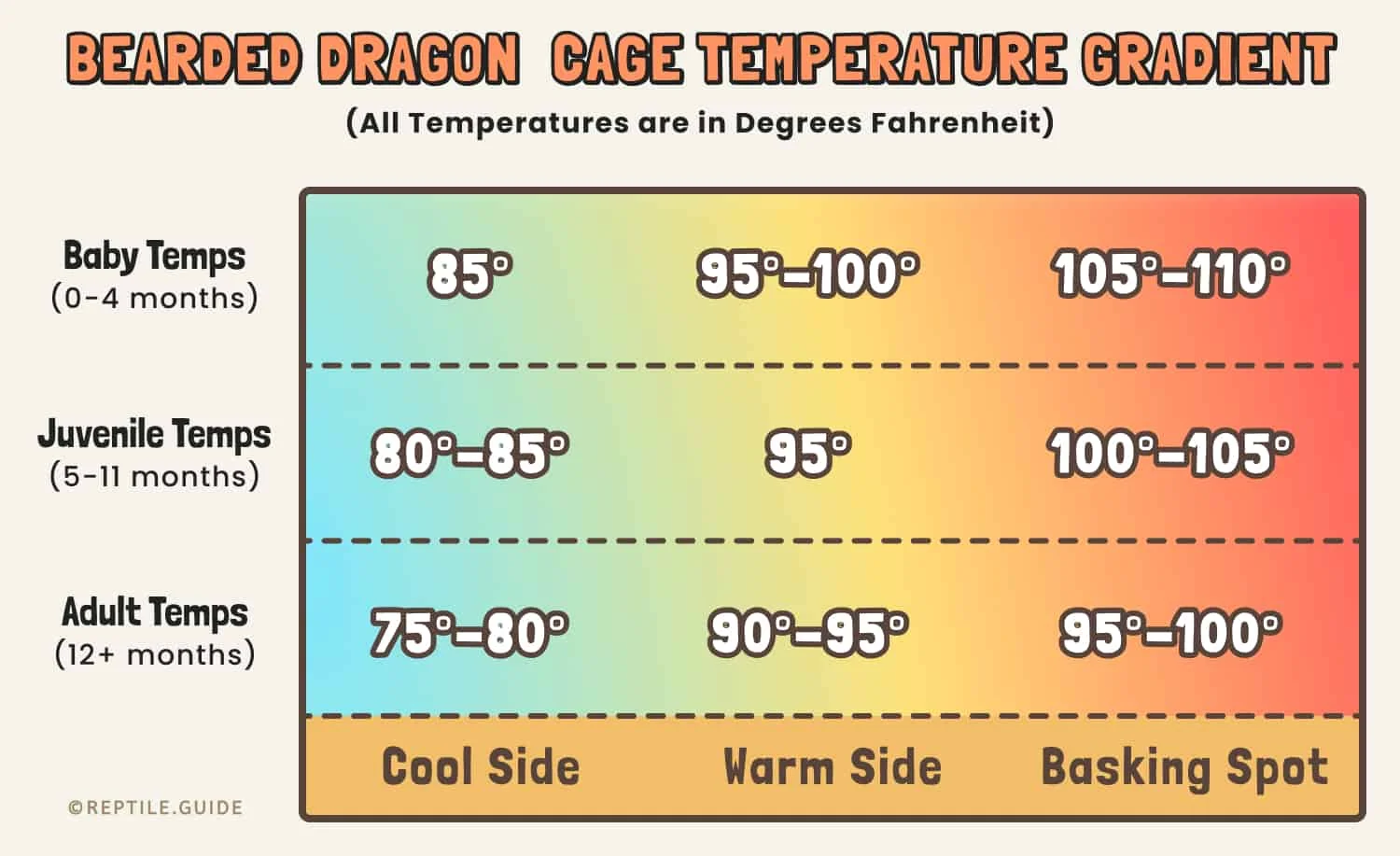
Understanding Bearded Dragon Heating Needs
Bearded dragons are ectothermic, meaning they rely on external heat sources to regulate their body temperature. Unlike mammals, they cannot generate their own heat internally. This is why providing the correct heating is critical to their health and well-being. The ideal temperature range allows them to digest food properly, maintain a healthy metabolism, and support a strong immune system. Understanding these basic requirements is the first step in ensuring your bearded dragon thrives. When it comes to bearded dragon heating, providing the right temperature gradient within their enclosure is very important, this ensures they can move to different temperature zones based on their needs.
The Importance of Proper Heating
Proper heating is fundamental to a bearded dragon’s survival and longevity. It influences almost every aspect of their health, including their appetite, activity levels, and immune function. Insufficient heat can lead to sluggishness, reduced appetite, and a weakened immune system, making them more susceptible to illness. Conversely, excessive heat can cause overheating, dehydration, and other serious health problems. Maintaining the correct temperature range also promotes proper digestion. Bearded dragons need warmth to effectively break down food. Without it, they may experience impaction or other digestive issues. A proper temperature gradient is crucial to ensure that your bearded dragon can thermoregulate effectively, moving to warmer or cooler areas as needed. Provide a basking spot to support their health.
Consequences of Incorrect Heating

Failure to provide appropriate heating can lead to a range of health problems. Chronic underheating can result in metabolic bone disease (MBD), a condition where the bones become weak and brittle due to insufficient calcium absorption. This often occurs because the bearded dragon’s metabolism is too slow to properly process calcium and vitamin D3. Inadequate heat can also lead to respiratory infections, sluggishness, and reduced appetite, significantly impacting their quality of life. Overheating, on the other hand, can cause dehydration, heat stress, and even death. Signs of overheating include open-mouth breathing, lethargy, and hiding. Regularly monitoring the enclosure temperature and making adjustments is essential to prevent these detrimental effects and keep your bearded dragon healthy and happy. Take necessary action to address the needs of your bearded dragon.
Seasonal Temperature Changes and Bearded Dragons
The changing seasons require adjustments to your bearded dragon’s heating setup. As the outside temperature fluctuates, the temperature within your dragon’s enclosure needs to be maintained to reflect their needs. Seasonal changes directly affect the ambient temperature of the environment. It is important to understand these changes and how they impact your dragon’s thermoregulation. For example, in summer, the ambient room temperature often rises, potentially increasing the enclosure temperature. Conversely, during winter, you might need to increase the wattage of the heat lamp or use additional heating sources to maintain the desired temperature gradient. Regular monitoring and adjustments are vital throughout the year to ensure consistent and optimal conditions for your pet.
Summer Heating Adjustments for Bearded Dragons

Increasing Temperatures in Summer
During the summer months, ambient temperatures tend to rise. Depending on your location and the climate, this might mean your bearded dragon’s enclosure could become too hot. Carefully monitor the basking spot and ambient temperatures inside the enclosure. You may need to increase ventilation or reposition the heat lamp to prevent overheating. You should also ensure that your dragon has access to a cooler area within the enclosure where it can escape the heat. This temperature gradient is key for allowing your bearded dragon to regulate their body temperature effectively. Be vigilant and check the temperature in the enclosure. Adjust the heating as needed to keep your dragon happy and healthy during the warmer months.
Monitoring and Maintaining Summer Heat
Regular monitoring of the enclosure temperature is vital during summer. Use a reliable digital thermometer with a probe to measure both the basking spot temperature and the ambient temperature in the cooler areas. Record the temperatures daily to identify any trends or fluctuations. If you notice the basking spot is exceeding the recommended range (around 100-110°F or 37.8-43.3°C), take immediate action. This might involve moving the heat lamp further away, using a lower wattage bulb, or increasing ventilation in the enclosure. Ensure the cooler end of the enclosure remains at a comfortable temperature (around 75-85°F or 23.9-29.4°C). Maintaining this gradient will allow your bearded dragon to thrive throughout the summer.
Winter Heating Adjustments for Bearded Dragons

Lowering Temperatures in Winter
During winter, the ambient temperature in your home will likely decrease, so you need to ensure your bearded dragon’s enclosure remains warm. This typically means increasing the wattage of your heat lamp or using a ceramic heat emitter (CHE) to supplement the heat. A CHE provides heat without light, making it ideal for nighttime heating without disrupting your dragon’s sleep cycle. Regularly check the temperature in the basking spot and the cooler end of the enclosure. Make sure the basking spot reaches the recommended temperature (around 100-110°F or 37.8-43.3°C), while the cooler end stays at around 75-85°F (23.9-29.4°C). Adjust the heat source as needed to maintain these temperature ranges. If the room is particularly cold, consider using a space heater in the room to help maintain overall warmth. Proper winter heating is essential for their metabolism.


Maintaining Optimal Winter Heat
Consistent monitoring is even more critical in winter due to the challenges of maintaining heat. You can place thermometers at both ends of the enclosure, ensuring accurate temperature readings. Make adjustments to the heat source to account for the room temperature. You might need to experiment with different wattage bulbs or CHEs to find the best solution for your environment. It is also helpful to insulate the enclosure if it’s located near a drafty area. This can help retain heat and reduce energy costs. Regular monitoring, and responsive adjustments will ensure a healthy winter season for your bearded dragon. Provide an optimal heat source to support their wellbeing.
Spring and Autumn Heating Considerations
Spring Heating Transitions

Spring is a transition period when you will gradually start reducing the heating. As the days get longer and the weather warms up, you can reduce the wattage of the heat lamp or turn off the ceramic heat emitter during the day. Continue to monitor the temperatures closely, making sure the basking spot is still within the ideal range. The cooler end of the enclosure should also remain at appropriate temperatures. Be prepared to make adjustments as needed, as the weather can fluctuate significantly during spring. The key is to ensure a smooth transition, allowing your bearded dragon to adjust to the changing conditions without experiencing temperature-related stress. The goal is to provide a gradual shift in temperature to avoid stressing your dragon.
Autumn Heating Transitions
Autumn is the time to gradually increase the heat. As the days get shorter and the temperatures begin to drop, you will need to adjust the heating setup accordingly. Monitor the enclosure temperature carefully and start by increasing the heat lamp wattage or adding a ceramic heat emitter. This will ensure that the basking spot and the cooler end of the enclosure maintain the ideal temperature range for your bearded dragon. Continue to monitor the temperatures as the season progresses, adjusting the heating as needed. Be prepared to make adjustments, as the weather can fluctuate significantly during autumn. The key is to provide a comfortable environment for your bearded dragon.
Essential Heating Equipment for Bearded Dragons
Choosing the Right Heat Lamp
The right heat lamp is crucial for creating a proper basking spot. A halogen or mercury vapor bulb is generally recommended. Mercury vapor bulbs also provide beneficial UVB rays, which are essential for calcium absorption and overall health. When choosing a heat lamp, consider the size of your enclosure and the distance between the lamp and the basking spot. This will help you determine the appropriate wattage to achieve the required basking temperature. Always ensure the lamp is positioned securely and has a protective cage or cover to prevent burns. Regular replacement of the bulb is also essential, as the UVB output diminishes over time. Make sure that the lamp is a good fit for your bearded dragon.
Selecting a Thermostat
A thermostat is a device that controls the temperature of your heat source, preventing overheating and ensuring temperature consistency. There are various types of thermostats, from simple on/off models to more sophisticated proportional thermostats. Proportional thermostats gradually adjust the power output of the heat source, providing more precise temperature control. Select a thermostat that is compatible with your heat lamp and the wattage it requires. Always follow the manufacturer’s instructions for installation and use. Proper use of a thermostat ensures that your bearded dragon’s enclosure is well-regulated and safe. A thermostat is an integral component of a safe and comfortable setup for your pet.
Measuring Temperature Accurately
Accurate temperature measurement is crucial for monitoring the effectiveness of your heating setup. Use a digital thermometer with a probe to measure both the basking spot temperature and the ambient temperature in the cooler areas of the enclosure. Place the probe directly under the basking spot and in the coolest area. Regularly calibrate your thermometers to ensure accuracy. Consider using multiple thermometers to cross-reference the readings. This will help you identify any potential temperature fluctuations or inconsistencies. Record the temperatures regularly to track any changes. Accurate monitoring ensures you can make timely adjustments to the heating setup, which will help your bearded dragon stay healthy and happy.
Troubleshooting Common Heating Issues
Overheating Problems

Overheating is a serious problem for bearded dragons. It can lead to dehydration, heat stroke, and even death. Signs of overheating include lethargy, open-mouth breathing, and hiding in the coolest part of the enclosure. If you suspect your bearded dragon is overheating, immediately turn off the heat lamp and move the animal to a cooler area. Provide fresh, cool water. If the condition does not improve, seek veterinary care. To prevent overheating, ensure that the basking spot temperature does not exceed the recommended range (100-110°F or 37.8-43.3°C). Make sure there is a temperature gradient within the enclosure, allowing the dragon to escape from excessive heat. Keep a vigilant eye on temperatures.
Underheating Problems
Underheating is also a serious issue. Insufficient heat can lead to a range of health problems, including sluggishness, reduced appetite, and metabolic bone disease (MBD). Signs of underheating include lethargy, loss of appetite, and difficulty digesting food. If you suspect your bearded dragon is underheated, increase the wattage of the heat lamp or add a ceramic heat emitter. Ensure that the basking spot reaches the recommended temperature range. Consider consulting with a veterinarian if your bearded dragon shows signs of illness. Consistent temperature regulation is essential to avoid the detrimental effects of underheating. Keep the environment well-regulated.