Bearded Dragon Heat Regulation Top 5 Facts
Bearded dragons, fascinating reptiles from the arid landscapes of Australia, thrive on carefully managed environments. One of the most critical aspects of bearded dragon care is heat regulation. Unlike mammals, these cold-blooded creatures cannot internally regulate their body temperature. Therefore, understanding and providing the correct heat gradient is essential for their health, well-being, and longevity. This guide will explore the five most crucial facts about heat regulation for bearded dragons, ensuring you can provide the optimal environment for your scaly friend. Proper heat management is not only about providing warmth, but also about replicating their natural habitat and supporting their biological functions. This article will also delve into energy-efficient practices to maintain a comfortable environment without excessive energy consumption.
The Importance of Heat for Bearded Dragons
Heat is the lifeblood of a bearded dragon’s existence. It impacts nearly every aspect of their physiology, from digestion and metabolism to immune function and activity levels. Without sufficient heat, a bearded dragon will become sluggish, stop eating, and be more susceptible to diseases. Their bodies depend on external heat sources to function effectively. In their natural environment, bearded dragons bask in the sun to absorb heat, which fuels their bodies. Replicating this process in captivity is a fundamental responsibility of any bearded dragon owner. Understanding the direct link between heat and overall health is the first step in providing the best possible care. Providing the correct heat gradient is one of the key components in a long and healthy life for your bearded dragon.

Why Heat is Crucial for Digestion

Bearded dragons need heat to properly digest their food. Their digestive systems function optimally at specific temperatures. When a bearded dragon basks, the heat increases their metabolic rate, which is the rate at which the body processes food. This accelerated metabolism allows them to break down and absorb nutrients from their meals more efficiently. Without sufficient heat, the digestion process slows down or even stops, potentially leading to impaction, a potentially life-threatening condition where undigested food blocks the digestive tract. Impaction can cause severe health problems. Ensuring the correct temperature allows for proper breakdown of food. Therefore, establishing the right temperature gradient is crucial for maintaining a healthy digestive system and preventing health complications.
Heat and Metabolic Processes
Heat is fundamental to nearly every metabolic process within a bearded dragon’s body. From the production of enzymes to the synthesis of vitamins, heat drives many of the biochemical reactions necessary for life. The metabolic rate of a bearded dragon fluctuates according to the ambient temperature; therefore, an appropriate thermal gradient allows them to regulate their body temperature by moving between warmer and cooler areas within their enclosure. This process, known as thermoregulation, ensures that their internal organs are functioning at their peak performance. By providing the right temperature, you support optimal metabolic function, which translates into better overall health and vitality for your pet. Inadequate heat can hinder these processes and compromise your dragon’s well-being.
Understanding Thermoregulation

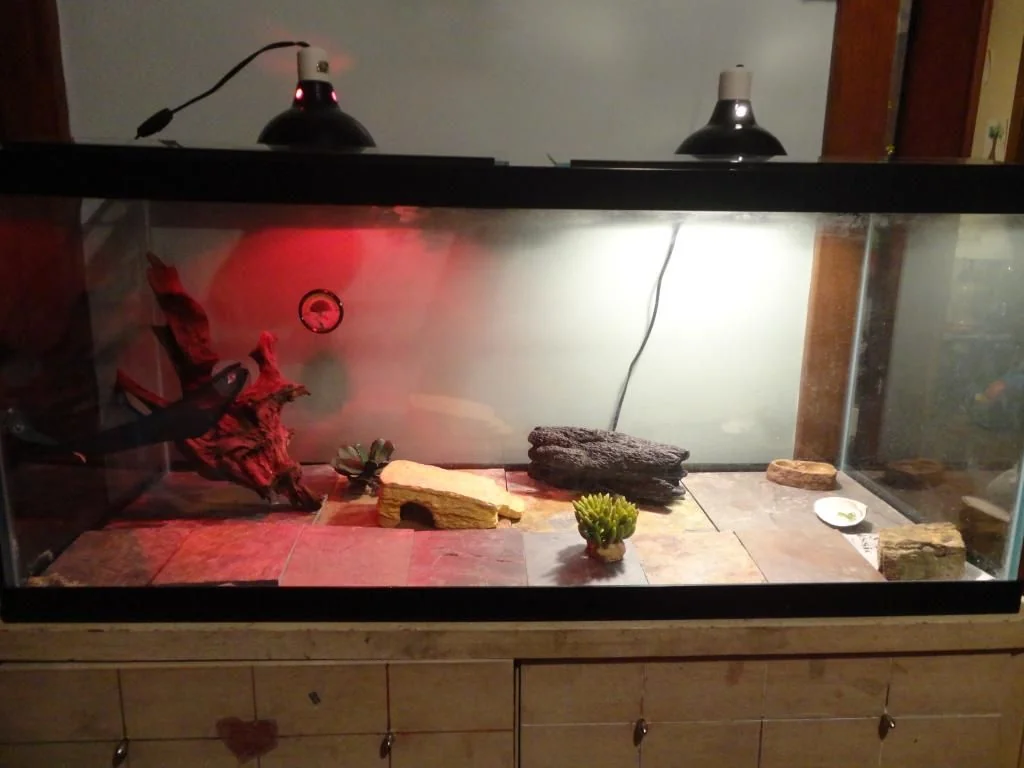
Thermoregulation is the ability of an animal to control its body temperature. Bearded dragons are ectotherms, meaning they rely on external sources of heat to regulate their body temperature. This is why maintaining a temperature gradient within the enclosure is essential. The enclosure should have a basking spot, where the dragon can reach the highest temperature, a cooler side, where the dragon can cool down, and a mid-range area. This gradient allows the dragon to move between temperatures, as needed, to maintain its ideal body temperature. This natural behavior is vital for their survival. Monitoring the temperature in different parts of the enclosure is key to successful thermoregulation, ensuring your dragon can maintain its internal balance.


The Right Heat Sources for Your Dragon
Choosing the right heat sources is critical for creating the perfect environment for your bearded dragon. The optimal setup often includes a combination of different heating elements to provide a comprehensive heat gradient. Selecting the right bulbs and heaters for your dragon is important for them to thrive. The most popular heat sources are basking bulbs, ceramic heat emitters, and under-tank heaters, all of which are designed to fulfill different purposes within the enclosure. Understanding the function of each type and how to best incorporate them into your setup will contribute greatly to your bearded dragon’s health and happiness.
Basking Bulbs

Basking bulbs are the primary heat source for bearded dragons, simulating the sun’s warmth. These bulbs provide both heat and light, which is vital for their well-being. When choosing a basking bulb, select one with the appropriate wattage to achieve the desired basking spot temperature (around 100-110°F or 38-43°C) without overheating the enclosure. It is important to position the bulb correctly to ensure the dragon can bask comfortably. Always monitor the temperature with a thermometer to avoid burns and ensure the dragon has access to appropriate heat. Proper placement and wattage selection are crucial for optimal health and proper digestion.
Ceramic Heat Emitters
Ceramic heat emitters (CHEs) are excellent supplemental heat sources, especially during the night when the lights are off. CHEs emit infrared heat without producing any light, allowing you to maintain a consistent temperature throughout the day and night. They are especially useful for maintaining optimal temperatures at night when the basking bulb is off. When selecting a CHE, choose one that matches the size of your enclosure and the ambient temperature of the room. CHEs, when used correctly, are a reliable way to maintain the required temperature gradients. It is important to use CHEs with a thermostat to prevent overheating.
Under-Tank Heaters
Under-tank heaters (UTHs) can be used to provide gentle, consistent heat from below. UTHs are typically used on the cooler side of the enclosure to create a warmer area for the dragon to rest. UTHs are useful for maintaining overall temperature levels, although they should be used in conjunction with basking bulbs and CHEs to ensure the dragon can thermoregulate. Proper placement is critical to prevent burns. Always use a thermostat with the UTH to regulate the temperature and prevent the dragon from getting too hot. These heaters are a good way to create a comfortable spot in the habitat.
Maintaining Optimal Temperatures
Maintaining the correct temperatures is crucial for your bearded dragon’s health. The temperature gradient should range from a high basking spot to a cooler area, allowing your dragon to regulate its body temperature. Regular monitoring and adjustments are essential to ensure these temperatures are optimal. Achieving and maintaining the proper temperature gradients supports digestion, metabolism, and overall vitality. Ensuring accurate temperatures will keep your dragon happy and healthy.
Daytime Temperatures
During the day, the basking spot should reach temperatures between 100-110°F (38-43°C). The cooler side of the enclosure should be around 75-85°F (24-29°C). These temperature ranges allow the dragon to move between warm and cool areas. Ensure the basking spot has the appropriate temperature. The correct daytime temperatures support healthy digestion, metabolism, and activity levels. Always measure temperatures at the basking spot and the cooler side of the enclosure to ensure proper comfort and function.
Nighttime Temperatures
At night, the temperature can drop, but the enclosure should never go below 65°F (18°C). If your home gets cooler than this, you may need to use a CHE. You may use a CHE to maintain appropriate temperatures during cooler months. Provide a safe and comfortable environment for your dragon to sleep. Avoid using bright lights at night, as they can disrupt the dragon’s sleep cycle. Maintaining proper temperatures helps to regulate the dragon’s metabolism and prevent health issues.
Monitoring Your Dragon’s Environment
Regular monitoring of your bearded dragon’s environment is essential for maintaining optimal health. This includes checking the temperature in various parts of the enclosure and observing the dragon’s behavior. The proper tools and techniques are essential for ensuring your dragon’s comfort. Observing your dragon helps to identify potential problems before they escalate into serious health concerns. Combining monitoring tools with observation creates a comprehensive care plan.
Using Thermometers and Thermostats
Use two types of thermometers: a digital thermometer with a probe and a stick-on thermometer. Place the probe thermometer directly under the basking spot and in the cooler area to get accurate temperature readings. Stick-on thermometers can be used to monitor the ambient temperature in the enclosure. Thermostats are a must-have for regulating the heat sources. Thermostats help maintain constant temperatures and prevent overheating. Choosing and using the right equipment will lead to a healthy habitat and a happy dragon. Calibrating your thermometers and thermostats regularly ensures accurate temperature readings, helping you to effectively manage the enclosure’s temperature.
Energy Efficiency Tips
While providing the correct heat is essential, there are several ways to make your setup more energy-efficient, saving you money and reducing your environmental footprint. Making smart choices about equipment and enclosure design will help conserve energy without compromising your dragon’s health. Implementing these strategies ensures you can provide optimal care while being mindful of energy consumption.
Insulating the Enclosure
Insulating the enclosure is one of the most effective ways to improve energy efficiency. You can use insulation panels or even cardboard on the sides and back of the enclosure to reduce heat loss. This will help maintain a stable temperature within the enclosure, preventing the need for the heat sources to work as hard. Preventing heat loss reduces energy consumption and maintains a more consistent thermal environment for your dragon. Using insulation materials keeps the enclosure warmer and reduces energy bills.
Choosing Energy-Efficient Heating
When choosing heat sources, consider energy-efficient options. LED basking bulbs, for example, consume less energy compared to traditional incandescent bulbs while still providing the necessary heat and light. Ceramic heat emitters are also a good choice, as they can provide heat without using a lot of energy. Consider investing in energy-efficient options to reduce costs without affecting your dragon’s well-being. Making this selection will save you money.
Regular Maintenance and Checks
Regular maintenance is key for ensuring the efficiency and longevity of your heat sources. Clean your bulbs regularly to maintain optimal heat output. Regularly check and replace old or faulty bulbs to maintain the correct temperatures. Ensure your enclosure is positioned in a location that does not experience drafts. Perform routine inspections to catch and correct any energy inefficiencies. These simple steps can help you save money and reduce energy consumption without compromising the health of your bearded dragon.
In conclusion, mastering the principles of bearded dragon heat regulation is vital to providing the best possible care for these captivating reptiles. By understanding the importance of heat, maintaining the correct temperatures, using the right equipment, and implementing energy-efficient practices, you can create a thriving environment for your bearded dragon while minimizing energy consumption. Remember, consistency and diligence are key to ensuring the health and happiness of your scaly friend.