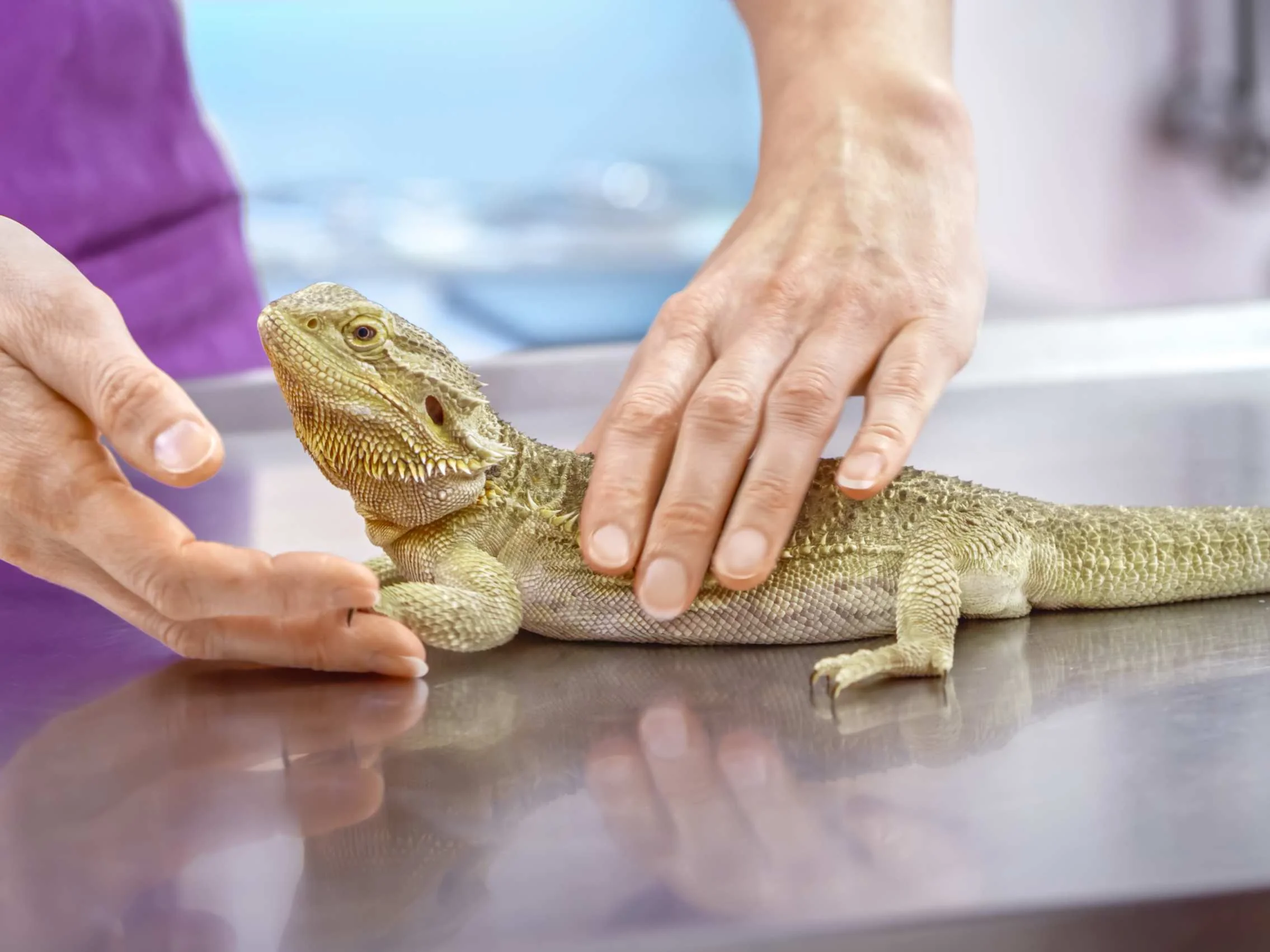
Bearded Dragon Health Check Top 5 Must-Knows
Maintaining the health and well-being of your bearded dragon is a significant responsibility, and it requires proactive care. Regular health checks are not just beneficial; they are essential for ensuring your scaly companion lives a long, healthy, and fulfilling life. This article will outline the top 5 must-know aspects of a bearded dragon health check routine, empowering you to spot potential problems early and provide the best possible care. Early detection of health issues is often the key to successful treatment and a higher quality of life for your pet. By incorporating these practices into your routine, you can significantly contribute to the health and happiness of your bearded dragon. Let’s explore the key elements of a proactive health check regimen.
Why Regular Bearded Dragon Health Checks Are Crucial
Regular health checks are vital for bearded dragons because they are masters of disguise when it comes to illness. They often hide signs of sickness until the problem becomes severe. This behavior stems from their instincts in the wild, where showing weakness makes them vulnerable to predators. Early detection allows for prompt intervention, increasing the chances of successful treatment and a complete recovery. Furthermore, regular checks help you establish a baseline of what is normal for your dragon, making it easier to identify any deviations that might indicate a health problem. It also fosters a stronger bond between you and your pet, as you become more attuned to its needs and behaviors. Regular health checks contribute to a longer, healthier, and happier life for your bearded dragon.


Early Detection Saves Lives
The ability to detect health problems early is the single most important factor in successfully treating any illness in a bearded dragon. Many common ailments, such as respiratory infections, parasites, and metabolic bone disease, can be effectively treated if caught in their early stages. Early detection often leads to less invasive treatments, shorter recovery times, and a lower risk of complications. By recognizing subtle changes in your dragon’s behavior or physical appearance, you can seek veterinary care before a minor issue escalates into a life-threatening condition. Investing time in regular health checks is an investment in your bearded dragon’s future and can potentially save their life. It’s about being proactive and vigilant.
Must-Know 1 Daily Observation of Your Bearded Dragon
Daily observation is the cornerstone of any effective health check routine. This involves taking a few minutes each day to simply watch your bearded dragon and note its behavior. Look for any changes from its usual habits. Is it eating and drinking normally? Is it active and alert, or is it lethargic and withdrawn? Daily observation allows you to quickly identify any potential issues and take appropriate action. This proactive approach is key to early detection. This simple yet effective practice forms the foundation of responsible bearded dragon ownership. Make it a habit to observe your dragon closely every day.
Behavioral Changes to Watch Out For
Pay close attention to any changes in your bearded dragon’s behavior. Lethargy, a lack of energy, and disinterest in its surroundings can indicate illness. Conversely, excessive scratching, rubbing, or restlessness can also be signs of a problem, such as parasites or skin irritation. Changes in basking habits, such as spending less or more time under the heat lamp, could signal that something is wrong. Difficulty breathing, such as wheezing or open-mouth breathing, is a serious sign and requires immediate veterinary attention. Changes in temperament, such as increased aggression or a reluctance to be handled, can also be indicators of underlying health issues. Any deviation from your dragon’s normal behavior warrants further investigation.
Eating and Drinking Habits
Monitor your bearded dragon’s eating and drinking habits. A loss of appetite, or anorexia, is a common sign of illness. Watch for any decrease in the amount of food consumed or a reluctance to eat. Observe your dragon’s drinking behavior too. Is it drinking less water than usual? Dehydration can be a serious health concern. Note the type of food your dragon prefers and whether it still shows interest in it. A change in appetite can be related to a variety of health problems, including infections, parasites, or metabolic disorders. Always offer fresh water daily and ensure your dragon is eating a balanced diet. Track any changes in food or water consumption, and consult a veterinarian if you have concerns.
Activity Levels
Activity levels are a critical indicator of your bearded dragon’s health. Healthy dragons are usually active and enjoy exploring their enclosure. A sudden decrease in activity, or a reluctance to move around, can be a sign of illness or pain. Observe your dragon’s mobility. Is it moving around easily, or is it exhibiting any signs of stiffness or lameness? Is your dragon able to climb and bask as usual? Reduced activity could be caused by a variety of issues, from respiratory infections to metabolic bone disease. Note whether your dragon is basking normally under its heat lamp. Make sure it is not spending excessive time in the cooler areas of its enclosure. Monitor the activity levels of your dragon daily, and consult a vet if you notice any change.
Must-Know 2 Assessing Physical Appearance
Regularly assessing your bearded dragon’s physical appearance is an essential part of the health check routine. Examine their eyes, nose, mouth, skin, and scales for any abnormalities. This visual inspection can reveal early signs of illness or injury. It should be done at least weekly, if not more frequently. Careful observation can help identify potential problems. By getting to know what is normal for your dragon, you will be better able to spot any deviations. Make this a habit for the overall well-being of your bearded dragon.

Eyes, Nose, and Mouth Examination
Carefully examine your bearded dragon’s eyes. They should be clear, bright, and free of discharge. Look for any swelling, redness, or cloudiness. Check the nostrils for any discharge or blockage. The mouth should be examined for any signs of infection, such as redness, swelling, or ulcers. Ensure there are no signs of retained shed around the eyes, nose, or mouth. Any discharge from the eyes or nose can indicate a respiratory infection. Swelling or redness in the mouth can be a sign of mouth rot. These visible signs require immediate attention. This examination requires practice and patience. With time, this will become a quick, and vital, part of your routine.
Skin and Scale Health
Inspect your bearded dragon’s skin and scales. Look for any lesions, discoloration, or swelling. Scales should be smooth and intact. Check for any signs of parasites, such as mites. The skin should appear healthy and free of wounds. Check the skin folds under the chin and around the legs. Look for any bumps or discolored patches. Ensure the scales look healthy. Mites can cause itching and irritation. Regular inspection of the skin and scales is an important part of early detection of health concerns. Pay attention to the overall appearance of the skin and scales.
Signs of Shedding Problems
Shedding problems can be another indicator of underlying health issues. Look for retained shed, particularly around the toes, tail, and eyes. This can restrict blood flow and lead to further complications. Check for any areas where the shed appears dry, or is not coming off properly. Retained shed can be a sign of inadequate humidity levels, insufficient basking temperatures, or even parasites. Ensure your dragon has a suitable shedding environment, with proper humidity and temperature gradients. Providing a humid hide can help. Address any shedding issues promptly, as they can cause discomfort and potential health problems. Consult a veterinarian if you notice any persistent shedding problems.
Must-Know 3 Monitoring Fecal Matter
Regularly monitoring your bearded dragon’s fecal matter is a crucial part of their health check routine. This can provide valuable insights into their digestive health and help you identify potential issues such as parasites or infections. By carefully examining the frequency, consistency, and color of their droppings, you can proactively address any concerns. This is an important step in preventing and treating health issues.
Frequency, Consistency, and Color
Pay attention to the frequency, consistency, and color of your bearded dragon’s droppings. Healthy droppings typically occur once a day, although frequency can vary based on age, diet, and individual habits. The consistency should be firm, but not hard or dry, and it should have a formed fecal portion and a white or creamy urate. The color can vary depending on diet, but is typically a dark brown or black. Any significant changes, such as diarrhea, constipation, or unusual colors (e.g., red, green, or black), can be a sign of a health issue. Consult a veterinarian immediately if you notice any of these changes.
Identifying Parasites

The presence of parasites is a common concern in bearded dragons, and monitoring fecal matter can help you identify potential problems. Look for any visible signs of parasites in the droppings. The droppings can be examined for parasites like worms, or coccidia. It’s impossible to see all parasites without a microscope. You should always take a fresh fecal sample to the vet. Consult a veterinarian for a fecal exam to determine the presence of parasites. Regular deworming and parasite prevention measures are often necessary to maintain your dragon’s health.

Must-Know 4 The Importance of Weight Monitoring
Monitoring your bearded dragon’s weight is an important aspect of their health check routine. Weight fluctuations can be a sensitive indicator of health issues. This helps to catch potential health problems. Consistent weight monitoring is a proactive measure to help with the well-being of your dragon.

Weighing Your Bearded Dragon Regularly
Weigh your bearded dragon regularly, ideally once a week, using a digital kitchen scale. Record the weight in a notebook or digital document to track progress. Make sure to weigh your dragon at the same time each week, for consistency. This allows you to establish a baseline and identify any deviations. Small changes in weight are expected, but any significant gain or loss can be a sign of a health problem. If you have a young dragon, track its growth. Consult a vet if you notice a drastic change in weight.
Identifying Weight Loss or Gain
Pay close attention to any weight loss or gain. Weight loss can be a sign of various health problems, including parasites, infections, or metabolic disorders. Weight gain, while less common, could be due to overfeeding, or other issues. If you notice any significant weight changes, consult your veterinarian immediately. They can help determine the cause of the change and recommend appropriate treatment. Track your dragon’s weight over time. Early detection is vital. Weight monitoring can provide early warnings of any health concerns.
Must-Know 5 The Role of a Veterinarian
While you can perform many health checks at home, regular visits to a qualified reptile veterinarian are essential for maintaining your bearded dragon’s health. A veterinarian can perform comprehensive examinations, diagnose illnesses, and provide appropriate treatment. They can also offer advice on diet, habitat, and other aspects of care. Regular vet checkups, combined with your own observations, can make a big difference. This ensures a long and healthy life for your pet.
When to Seek Professional Help
Know when to seek professional help. Schedule an appointment if you notice any signs of illness, such as loss of appetite, lethargy, or changes in droppings. If you observe any other changes, it’s important to contact your vet. Don’t hesitate to seek veterinary care. Some conditions require immediate attention. If you are unsure, it’s always best to err on the side of caution and consult a veterinarian. Early diagnosis and treatment can often save a dragon’s life. The right vet can provide appropriate treatment and care.

Choosing a Reptile Veterinarian
Choosing the right veterinarian is crucial for your bearded dragon’s health. Look for a veterinarian with experience and expertise in reptiles. Ask for recommendations from other reptile owners or pet stores. Before making an appointment, inquire about their experience with bearded dragons. Make sure they have the knowledge and equipment necessary to diagnose and treat reptile-specific conditions. Regular checkups and prompt treatment can ensure your dragon thrives. A knowledgeable veterinarian is a valuable asset.
By incorporating these 5 must-knows into your routine, you will be well-equipped to provide excellent care for your bearded dragon. Remember, early detection and proactive care are crucial for a healthy and happy pet. Daily observation, physical assessment, monitoring fecal matter, weight monitoring, and regular veterinary checkups are all essential components. The health and well-being of your bearded dragon are in your hands. Take these steps to ensure a fulfilling life for your scaly companion.