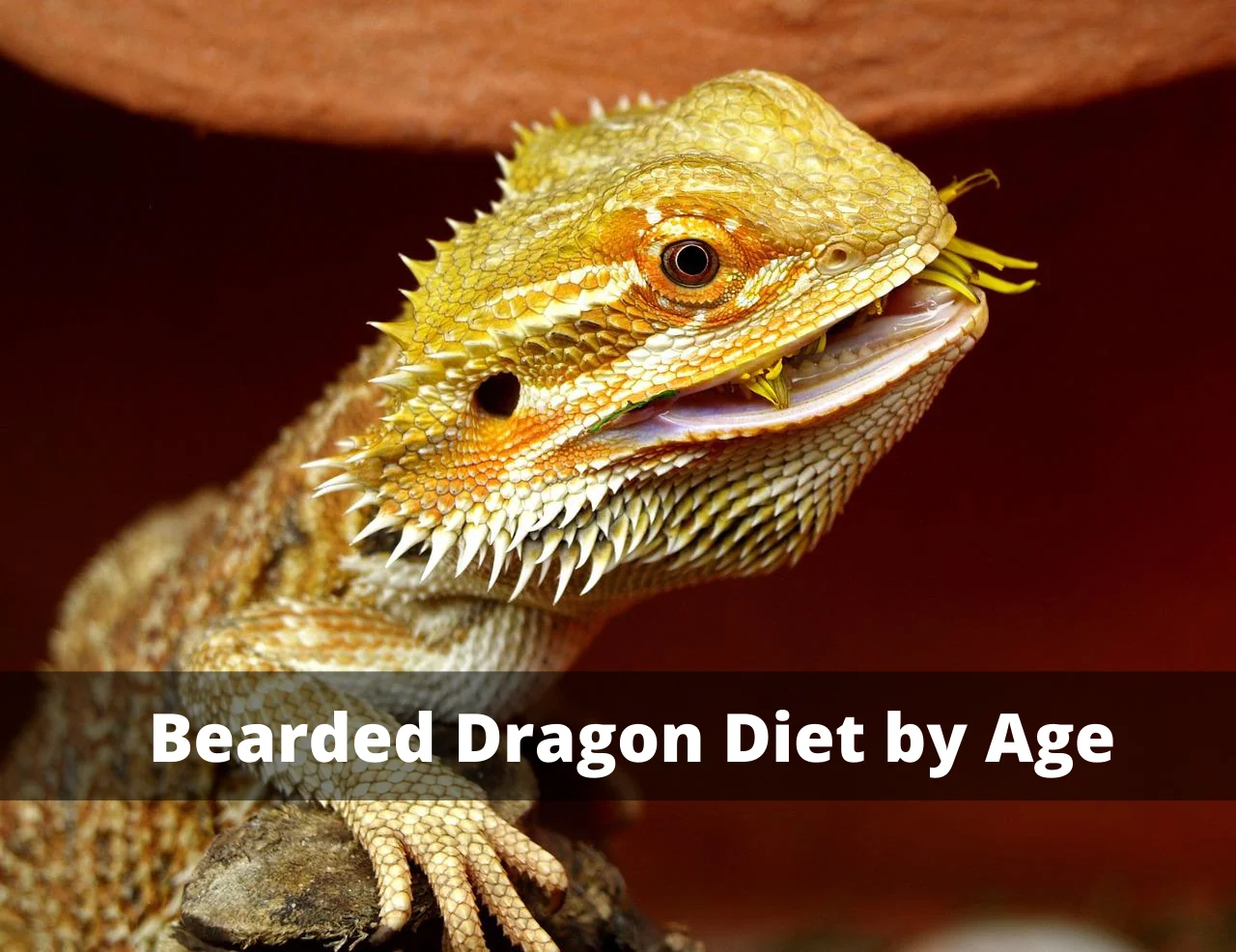
What Bearded Dragons Hatchlings Eat
Understanding the dietary needs of a bearded dragon hatchling is crucial for their healthy development and rapid growth. These small reptiles have specific requirements that differ significantly from adult bearded dragons. A well-balanced diet, rich in essential nutrients, is key to ensuring they thrive during this critical stage. This guide explores the optimal diet for hatchlings, helping you provide the best possible care for your young bearded dragon.
The Importance of Proper Nutrition
Proper nutrition is the cornerstone of a hatchling’s health. During their first few months, bearded dragons experience rapid growth. They require a diet that supports bone development, muscle growth, and overall vitality. Poor nutrition can lead to stunted growth, metabolic bone disease, and other serious health problems. By providing a carefully planned diet, you lay the foundation for a long, healthy life for your bearded dragon. A balanced diet also strengthens their immune system, making them less susceptible to illness. Careful attention to what they eat will ensure they live a long and healthy life.
Essential Nutrients for Bearded Dragon Hatchlings
Hatchlings need a diet high in protein, calcium, and vitamins. Protein is vital for muscle development and overall growth. Calcium, along with vitamin D3, supports bone health and prevents metabolic bone disease. Vitamins are crucial for various bodily functions, including immune system support. A diverse diet that incorporates these nutrients will allow your hatchling to grow up strong and healthy. Ensuring the proper balance of these nutrients is essential for the rapid and healthy development of your bearded dragon.
Protein’s Role in Bearded Dragon Hatchling Growth
Protein is the building block for muscle, tissue, and other essential components of a growing bearded dragon. Hatchlings require a higher protein intake compared to adults. This supports their rapid growth rate. A diet rich in protein ensures they develop strong muscles and a healthy body. Good protein sources also provide essential amino acids which further supports a hatchlings development and health. Inadequate protein can lead to stunted growth and weakness, underscoring the importance of this nutrient in their diet.
High-Quality Insects for Hatchlings
Insects form the primary component of a hatchling’s diet. Choose insects that are rich in protein, low in fat, and easy to digest. Good choices include crickets, dubia roaches, and black soldier fly larvae. Dusting insects with calcium and vitamin D3 supplements before feeding is essential. This ensures your hatchling receives adequate levels of these vital nutrients. Varying the insect types will provide a broader range of nutrients. Proper insect care, including gut-loading, is also critical to provide the best nutrition possible for your young dragon.
Vegetables and Greens for Bearded Dragon Hatchlings
While insects are the primary food source, vegetables and greens are essential for a balanced diet. Offer a variety of finely chopped greens daily. Good choices include collard greens, mustard greens, and dandelion greens. Avoid spinach and iceberg lettuce as they provide little nutritional value. Vegetables should be offered as a side dish, not the main course, but still provide essential vitamins and minerals. These greens support overall health and contribute to optimal growth and development. Providing a mix of greens ensures a well-rounded diet.
Calcium and Vitamin D3 Supplementation
Calcium and vitamin D3 are crucial for bone health. Calcium helps build strong bones, while vitamin D3 aids in calcium absorption. Supplement insects with a calcium and vitamin D3 powder before feeding. This ensures your hatchling gets the required amounts. Without these supplements, hatchlings can develop metabolic bone disease, a severe and debilitating condition. The correct supplementation is critical to prevent this and ensures the long-term health of your bearded dragon. These supplements are a must in the day-to-day life of a hatchling.

Fruits in Moderation
Fruits should be offered sparingly as treats due to their high sugar content. Small pieces of fruits like berries, melon, and mango can be occasionally given. Limit the frequency to avoid digestive issues and weight gain. Too much fruit can lead to an unbalanced diet. Fruit should never be the main part of their diet. They are a treat, and should be offered as such. The main focus of their diet should be protein and greens. As long as you remember that, your hatchling will have a healthy life.
Feeding Frequency and Portion Sizes

Hatchlings have a higher metabolic rate and require more frequent feedings than adults. The feeding frequency is critical to their rapid growth. It’s very important to get this right. Feeding the appropriate portion sizes is also a crucial element of the whole process. This section will go over how often to feed your dragon, and how much to give them.
How Often to Feed Hatchlings

Hatchlings should be fed multiple times a day, typically 2-3 times. This frequent feeding schedule ensures they receive enough nutrients to support rapid growth. As they grow, you can gradually reduce the frequency. Keep in mind that they still require plenty of food, but their feeding schedule will change. Young hatchlings are growing constantly, so they need food to support that growth. This frequent feeding schedule helps them grow strong and healthy.
Portion Sizes for Hatchlings
Offer insects in a quantity that they can consume within 10-15 minutes. The amount will vary depending on the size of the insect and the hatchling’s appetite. Observe your bearded dragon’s eating habits and adjust the portion sizes accordingly. Remove any uneaten insects from the enclosure to maintain cleanliness. Portion size is an important part of a hatchlings growth. Too much food will cause them to become overweight. Not enough, and they will become weak. It’s up to the owner to find a good balance.
Water and Hydration for Bearded Dragon Hatchlings

Water is as vital as food for a hatchling’s well-being. Proper hydration is essential for digestion, nutrient absorption, and overall health. This section discusses the right water source and how to maintain it.

Choosing the Right Water Source
Provide a shallow water dish in the enclosure. Use fresh, clean water daily. Make sure the dish is easily accessible for the hatchling. A shallow dish prevents accidental drowning, which is a safety precaution you must take. The water should be clean and readily available at all times. Having the right water source is the first step to hydration.

Maintaining Clean Water
Change the water daily to prevent bacterial growth. Clean the water dish regularly with warm, soapy water and rinse thoroughly. Dirty water can lead to health issues. Keeping the water source clean is a must for your hatchling’s health. It’s an important part of caring for your bearded dragon, and should be a priority. Fresh, clean water is a must for hatchlings.
Common Dietary Mistakes to Avoid

Avoiding common dietary mistakes is vital to your hatchling’s health. Certain practices can be detrimental to their development. You must avoid all of these if you want a healthy hatchling. This section will cover the most common mistakes, and explain how to prevent them.
Overfeeding
Overfeeding can lead to obesity and digestive issues. Monitor your hatchling’s weight and body condition. Adjust the portion sizes if they start gaining excessive weight. Providing too much food can cause a range of health problems. Maintaining the right portion size is key. Ensuring that they are fed properly will ensure they are healthy and growing. This is one of the most common mistakes, and is an easy one to avoid.
Feeding Inappropriate Foods
Avoid feeding your hatchling foods that are toxic or difficult to digest. Some insects, such as fireflies, are poisonous. Certain plants, like spinach, can hinder calcium absorption. Research all foods before offering them. Knowing what to feed your hatchling is vital to their health. Make sure to avoid any foods that may cause them harm. Knowing what to feed, and what not to feed, is very important.
Monitoring Your Bearded Dragon Hatchling’s Growth
Regularly monitor your hatchling’s growth to ensure they are developing well. Observation can help you identify any problems early on. This is also important for ensuring they’re eating the correct amounts, and getting the proper nutrition. This section will help you determine whether your dragon is growing correctly.
Signs of Healthy Growth
A healthy hatchling should show steady growth. They should gain weight consistently. Their appetite should be good, and they should be active and alert. Healthy hatchlings are always growing. They also tend to be very curious, exploring the habitat that they’re kept in. Their coloring should also be vibrant. All of these things indicate a healthy dragon.
Recognizing Potential Problems
Look for signs of illness, such as lethargy, loss of appetite, or difficulty moving. Stunted growth, bone deformities, or unusual swelling are also cause for concern. If you notice any of these symptoms, consult a veterinarian immediately. The health of your hatchling is paramount. Recognizing problems early can prevent serious issues. These are important things to monitor, as some problems can develop quickly.
Adjusting the Diet as Your Hatchling Grows
As your bearded dragon grows, you’ll need to adjust their diet. Gradually reduce the frequency of feedings as they mature. Increase the proportion of vegetables and greens in their diet. The nutritional needs of a juvenile dragon vary from hatchlings. Adjusting their diet is important to keep them growing. As they get older, they need fewer insects, and more vegetables.
In conclusion, providing the right diet is essential for the rapid and healthy growth of your bearded dragon hatchling. By focusing on high-quality insects, a variety of greens and vegetables, proper supplementation, and careful monitoring, you can ensure your pet thrives. Remember to adjust the diet as they grow, and always consult with a veterinarian if you have any concerns.