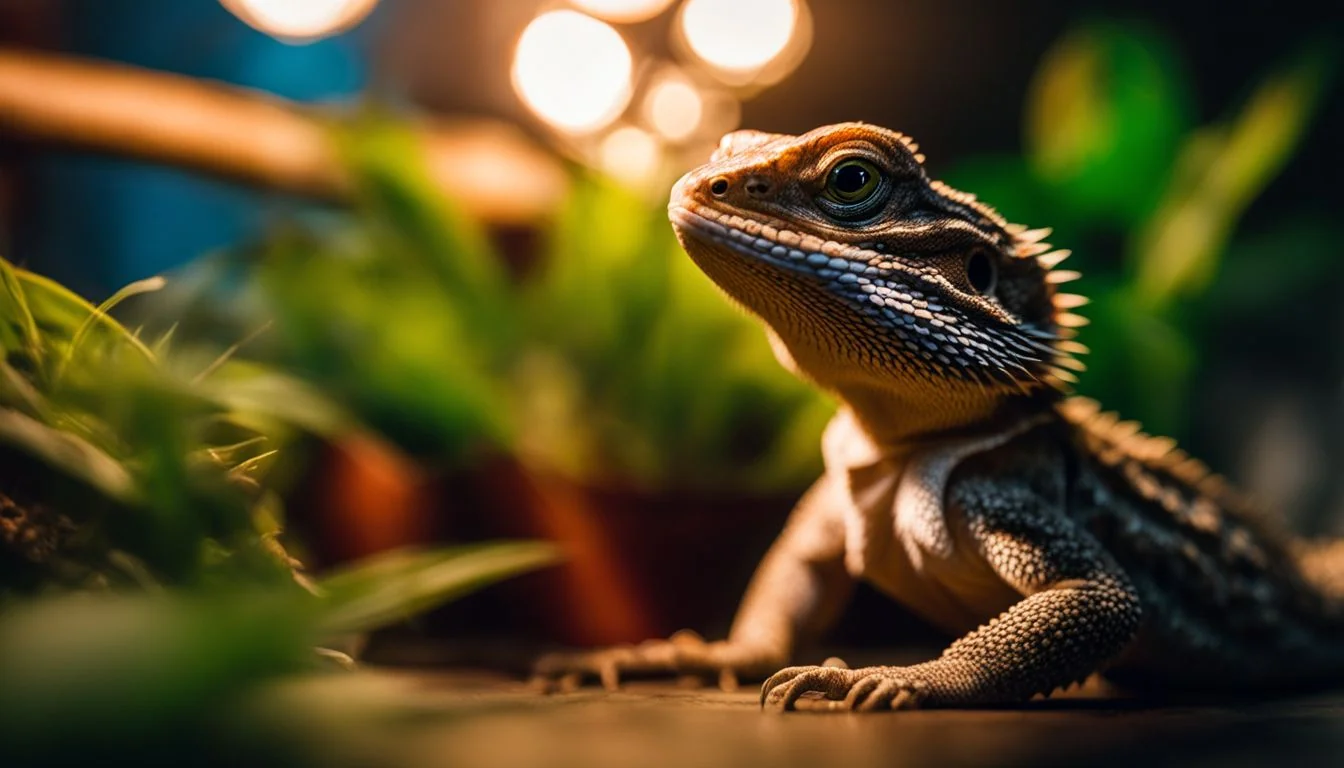
What You Need to Know About Bearded Dragon Hatchlings
Bringing home a bearded dragon hatchling is an exciting experience. These tiny reptiles, full of personality, require specific care to thrive. Understanding the unique needs of a hatchling is crucial for their health and longevity. Unlike adult bearded dragons, hatchlings are more vulnerable to environmental stressors and health issues. They need a carefully controlled environment, a specialized diet, and diligent monitoring. This guide provides the top 5 essentials for ensuring your hatchling bearded dragon grows into a healthy and happy adult. Following these protocols from the start will set a strong foundation for a thriving pet relationship and reduce the risk of preventable health concerns. Hatchlings are delicate, so patience and dedication are key to their well-being. Before you bring your new pet home, prepare the setup to ensure safety.
Proper Enclosure Setup
The enclosure is your hatchling’s home, and setting it up correctly is paramount. The environment significantly impacts their health, growth, and behavior. A poorly set up enclosure can lead to stress, illness, and stunted development. Consider the size, temperature gradients, and lighting to create a comfortable and safe habitat. It is important to maintain the right temperature and humidity level for them. Remember that a well-designed enclosure mimics their natural habitat, fostering a sense of security and promoting healthy behaviors. Investing time and effort in setting up the right enclosure from the start will yield long-term benefits for your pet and reduce the risk of needing veterinary care due to environmental factors. Always research and double-check to be certain the setup is right for your little friend, and it’s better to be prepared before bringing it home.
Tank Size and Substrate
For hatchlings, a 20-gallon long tank is usually sufficient, allowing for comfortable movement and proper temperature gradients. However, as your dragon grows, you’ll need to upgrade to a larger enclosure. Avoid overcrowding, which can lead to stress and aggression. Choose a substrate that is safe and easy to clean. Paper towels are a great option for hatchlings, as they are non-abrasive and allow you to easily monitor fecal matter. Avoid loose substrates like sand or wood shavings, which can be ingested and cause impaction. Clean substrate regularly to maintain hygiene.
Temperature and Humidity Levels
Bearded dragons are ectothermic, meaning they rely on external sources to regulate their body temperature. Provide a basking spot with a temperature of 95-105°F (35-40°C) using a heat lamp. The cool side of the tank should be around 75-80°F (24-27°C). Use a thermometer to monitor the temperature accurately. Humidity levels should be kept low, around 30-40%. High humidity can lead to respiratory infections. Use a hygrometer to measure humidity. Misting the enclosure lightly once a day can help maintain the correct humidity. Ensure proper ventilation.
Lighting Requirements
UVB lighting is essential for hatchlings to synthesize vitamin D3, which aids in calcium absorption and prevents metabolic bone disease (MBD). Use a UVB bulb specifically designed for reptiles, and position it at the correct distance from the basking spot, as per the manufacturer’s instructions. Replace the UVB bulb every 6-12 months, as its effectiveness diminishes over time. Provide a 12-14 hour day/night cycle. Ensure the lighting is on during the day and off at night to mimic their natural habitat.

Feeding Your Hatchling Bearded Dragon
Nutrition is the cornerstone of a healthy hatchling. Their diet must be meticulously balanced to support rapid growth and development. Hatchlings have high metabolic needs, requiring a diet rich in protein and essential nutrients. Proper feeding practices are critical during this developmental stage. Provide a variety of foods to meet all dietary needs. Failure to provide adequate nutrition can result in growth stunting, weakened immune systems, and various health problems. The right food options are essential.
Nutritious Diet for Growth
Hatchlings need a diet primarily consisting of live insects, such as crickets, dubia roaches, and mealworms. Insects should be gut-loaded before feeding to provide added nutritional value. Offer a variety of insects to ensure a balanced diet. Supplement the insects with a small amount of fresh, chopped vegetables and fruits daily. Good choices include collard greens, mustard greens, and small amounts of fruit like berries. Avoid feeding iceberg lettuce, as it has little nutritional value. Always wash vegetables and fruits thoroughly before feeding.
Feeding Schedule and Portion Sizes
Feed hatchlings twice a day, offering as many insects as they can consume in 10-15 minutes. The number of insects will vary depending on the hatchling’s size and appetite. As a general guideline, offer around 10-20 appropriately sized insects per feeding. Remove any uneaten insects from the enclosure to prevent them from biting your dragon. Dust insects with a calcium and vitamin D3 supplement 2-3 times per week, and a multivitamin supplement once a week. Fresh water should be provided daily in a shallow dish. Remember, smaller portions and regular feeding help with digestion.
Water and Hydration
Fresh, clean water is essential for hatchlings to stay hydrated. Provide water in a shallow dish that is easily accessible. Change the water daily to keep it clean and prevent bacterial growth. Hatchlings primarily get their water from their food, but also need access to drinking water. Monitor their hydration levels by observing their skin, eyes, and droppings. You can also lightly mist the enclosure once or twice a day to provide additional moisture. Dehydration can lead to serious health issues.
Maintaining Hygiene and Cleanliness
Maintaining a clean enclosure is crucial for preventing illnesses and creating a healthy environment for your hatchling. Regular cleaning and hygiene practices are essential for their well-being. Cleanliness prevents the buildup of harmful bacteria, parasites, and waste products, which can lead to various health problems. Consistent hygiene not only keeps your pet healthy but also reduces unpleasant odors. Incorporating daily and regular cleaning practices will significantly contribute to your hatchling’s overall health and longevity. Proper cleaning is essential for their survival.
Daily Spot Cleaning and Water Bowl Maintenance
Spot clean the enclosure daily. Remove any fecal matter and uneaten food promptly. Use a reptile-safe disinfectant to clean any soiled areas. Clean the water bowl and replace the water daily. A dirty water bowl can harbor bacteria and lead to illness. Pay close attention to areas where waste accumulates, such as under basking spots, to minimize the risk of contamination. These practices are crucial for maintaining a hygienic environment and preventing the spread of diseases. Cleanliness helps a happy dragon.
Regular Tank Cleaning
Thoroughly clean the entire enclosure at least once a month. Remove everything from the tank, including the substrate, decorations, and any accessories. Wash the tank with reptile-safe disinfectant, rinse thoroughly, and allow it to dry completely. Replace the substrate with fresh, clean material. Clean and disinfect any decorations and accessories before returning them to the tank. Regular, deep cleaning removes harmful bacteria and ensures that your dragon stays safe and healthy. Remember the importance of proper cleaning.

Handling and Socialization
Handling and socialization are important aspects of caring for your hatchling bearded dragon. However, it’s crucial to approach this with caution and gentleness. Hatchlings are small and fragile, so improper handling can cause injury or stress. Regular, gentle interaction will help your dragon become accustomed to human contact, fostering a positive relationship. Remember that building trust and providing a safe environment are paramount. Safe handling practices will create a comfortable and rewarding experience for both you and your pet. Positive interaction is important for growth.

Gentle Handling Techniques
When handling your hatchling, approach slowly and gently. Avoid sudden movements that could startle them. Scoop them up from below rather than reaching down from above, as this can be perceived as a threat. Support their body and feet, and never squeeze them. Keep handling sessions short, especially in the beginning. Start with a few minutes each day and gradually increase the duration as your dragon becomes more comfortable. The goal is to create a positive and comfortable experience.
Safe Handling Practices

Always wash your hands thoroughly before and after handling your hatchling. This prevents the spread of germs and bacteria. Supervise children when they are handling the dragon. Ensure they are gentle and understand the importance of proper handling techniques. Avoid handling your dragon immediately after feeding, as this can cause regurgitation. Watch for signs of stress, such as rapid breathing, gaping, or trying to escape. If your dragon shows signs of stress, put them back in their enclosure and try again later. Patience and observation are key to building a strong bond.
Recognizing and Preventing Common Health Issues
Hatchlings are susceptible to various health issues, so early detection and preventative measures are critical. Regular observation is essential for identifying any potential problems. Being familiar with the common illnesses that can affect hatchlings allows you to act quickly and seek veterinary care when necessary. Preventative measures, such as providing proper care and maintaining a healthy environment, significantly reduce the risk of illness and help your dragon thrive. This knowledge empowers you to create a safe and nurturing environment.
Common Illnesses in Hatchlings


Some common illnesses in hatchling bearded dragons include metabolic bone disease (MBD), respiratory infections, parasites, and mouth rot. MBD is caused by a lack of calcium and UVB, leading to bone deformities. Respiratory infections can be caused by improper temperature or humidity. Parasites can be contracted through contaminated food or the environment. Mouth rot can be caused by poor hygiene or injury. Watch out for changes in behavior, appetite, or appearance. Early detection of health concerns allows for better treatment and prognosis. Seek out signs and symptoms.

Preventative Measures and Veterinary Care
Provide a proper enclosure setup, including correct temperatures, humidity, and UVB lighting, to prevent many common illnesses. Feed a balanced diet and maintain a clean enclosure. Regularly observe your hatchling for any signs of illness, such as lethargy, loss of appetite, or abnormal droppings. If you suspect your hatchling is sick, consult a veterinarian experienced in reptile care immediately. Early treatment can make a significant difference in the outcome. Regular veterinary checkups are essential to ensure your hatchling’s health and to catch any problems early on. A little care can go a long way.