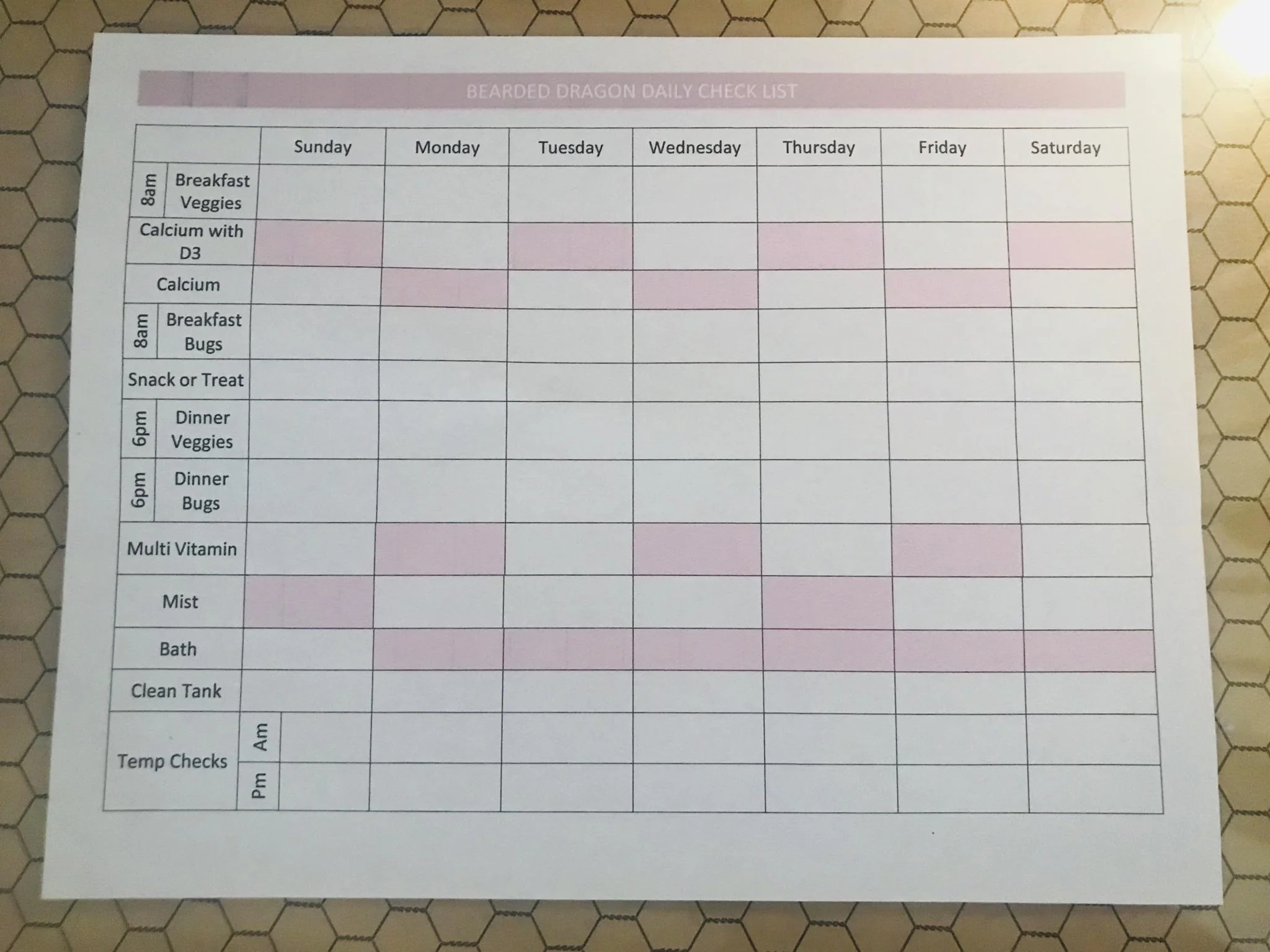
Bringing home a baby bearded dragon, or hatchling, is an exciting experience. However, their care requirements differ significantly from those of adult dragons. This comprehensive guide provides a detailed schedule and essential information for new owners, ensuring your hatchling thrives. Following a proper care schedule is crucial during this sensitive stage of their development. This guide will walk you through everything you need to know, from setting up the perfect habitat to understanding their dietary needs and recognizing signs of illness. This information will help you ensure your new pet lives a long, healthy and happy life.
Understanding Your New Hatchling Bearded Dragon
Before bringing your new hatchling bearded dragon home, it’s important to understand their unique needs. Hatchlings are more vulnerable to environmental fluctuations and require a carefully controlled environment. This includes specific temperature gradients, appropriate lighting, and a diet tailored to their rapid growth. Researching the specific requirements for hatchlings is essential for their well-being. This initial setup is critical for establishing a healthy start for your new pet. Proper care during this stage will determine their future health and happiness. The first few weeks are critical for establishing a healthy foundation for your dragon.
Initial Setup of the Hatchling’s Habitat

Creating the right habitat is the foundation of hatchling care. Providing a safe, comfortable, and stimulating environment is the first step. Proper setup helps in temperature and humidity control, facilitating better health for your hatchling. The habitat setup directly impacts the dragon’s health, appetite, and overall well-being, so it is crucial to get it right from the start. The right habitat setup will help make your job as an owner much easier. Remember, a well-designed habitat mimics their natural environment, promoting natural behaviors and reducing stress.
The Ideal Tank Size for a Hatchling
A 20-gallon long tank is generally suitable for hatchlings. It provides enough space for a temperature gradient, essential equipment, and allows room for the dragon to move around. Ensure the tank is secure, with a screen top to prevent escapes and provide adequate ventilation. The tank size should be large enough for the dragon to move freely, bask, and thermoregulate. Avoid overcrowding, as it can lead to stress and health issues. As your dragon grows, you will need to upgrade to a larger enclosure. This tank size offers the best balance of space and temperature control for a hatchling’s needs. (Image: hatchling-bearded-dragon-tank.webp)
Substrate Selection for Your Baby Dragon

The best substrate for hatchlings is paper towels or reptile carpet. These substrates are easy to clean and prevent the ingestion of loose particles, which can lead to impaction. Avoid loose substrates like sand or wood shavings, as they can be dangerous for young dragons. Once your dragon is older and eating well, you can consider other substrates, but safety should be your top priority for hatchlings. Proper substrate choice reduces the risk of health complications. Paper towels offer a clean and safe surface for your new dragon.
Temperature and Humidity Requirements
Maintain a temperature gradient within the tank. The basking spot should be around 100-110°F (37-43°C), the cool side around 75-80°F (24-27°C). Use a digital thermometer with a probe to measure the temperatures accurately. Humidity should be kept between 30-40%. Too much humidity can lead to respiratory issues, while too little can cause shedding problems. Use a hygrometer to monitor the humidity levels. Proper temperature and humidity control are crucial for digestion, shedding, and overall health. Incorrect temperatures and humidity can lead to serious health issues, so monitor the levels closely. (Image: bearded-dragon-habitat-setup.webp)
Essential Equipment for a Thriving Hatchling
Equipping your hatchling’s habitat with the right items is crucial. This includes proper lighting, accurate thermometers and hygrometers, and enriching elements. High-quality equipment is an investment in your dragon’s health and well-being. Choosing the right equipment from the start saves you money and ensures your dragon thrives. Carefully select equipment designed specifically for reptiles to ensure safety and optimal performance. Proper setup will create a safe and healthy environment for your new dragon.
Lighting and UVB Considerations


UVB lighting is essential for hatchlings to synthesize vitamin D3, which aids in calcium absorption. A T5 UVB fluorescent bulb is recommended, covering about 2/3 of the tank. Replace the UVB bulb every 6-12 months, as the UVB output diminishes over time. Choose a UVB bulb with the appropriate strength for the size of your tank. Position the UVB light correctly according to the manufacturer’s instructions. Ensure the light source is positioned so your dragon can bask and get adequate exposure. This lighting is critical for preventing metabolic bone disease. (Image: uvb-lighting-for-bearded-dragons.webp)
Thermometers and Hygrometers
Use a digital thermometer with a probe to accurately measure the temperature in both the basking and cool areas of the tank. Place the probe near the basking spot and on the cool side of the tank. A hygrometer is essential for monitoring humidity levels. Place it in a central location within the tank. Regularly check the readings to ensure the environment is within the appropriate range. Proper monitoring ensures you can adjust and maintain the appropriate environmental conditions. These tools are essential for maintaining a healthy environment for your hatchling.
Hiding Spots and Enrichment
Provide multiple hiding spots within the tank, such as a small cave or a piece of driftwood. Hatchlings feel more secure with places to hide. Enrichment can include climbing branches and safe, non-toxic plants. These elements provide mental stimulation and promote natural behaviors. Varying the environment keeps your dragon active and engaged. Enrichment also reduces stress and promotes overall well-being. The aim is to replicate their natural environment as closely as possible.
Daily Feeding Schedule and Nutritional Needs
Feeding hatchling bearded dragons requires careful planning and attention. Their rapid growth demands a diet rich in protein and essential nutrients. Proper feeding is critical to ensuring they develop healthily. This section outlines the key aspects of a proper feeding schedule. Getting the diet right is paramount to your hatchling’s growth and well-being. This schedule and food guidelines are designed to meet the unique needs of a growing hatchling.
The Importance of a Balanced Diet
A balanced diet consists of a mix of insects and leafy greens. Insects provide protein, while greens provide vitamins and minerals. Avoid feeding only insects or only greens. Calcium and vitamin D3 supplements are often necessary to prevent metabolic bone disease. Dust insects with a calcium supplement at nearly every feeding. A well-balanced diet leads to stronger bones, better growth, and improved overall health. A balanced diet mimics the natural diet of bearded dragons in the wild, promoting natural behaviors and improving their well-being. A varied diet is crucial for your hatchling’s health.
Feeding Frequency and Portion Sizes
Hatchlings should be fed live insects two to three times per day. Offer as many insects as they can eat in 10-15 minutes. Overfeeding can lead to obesity, so monitor the intake carefully. Fresh greens should be offered daily and can be left in the enclosure throughout the day. Remove any uneaten greens at the end of the day. Adjust the portion sizes as your dragon grows. Avoid overfeeding, as it can lead to digestive issues. It is important to offer food daily to avoid your hatchling getting hungry. (Image: bearded-dragon-feeding-schedule.webp)
Suitable Food Items for Hatchlings
Good insect choices include crickets, dubia roaches (if legal in your area), and small mealworms. Variety is key. Leafy greens like collard greens, mustard greens, and turnip greens are excellent choices. Avoid iceberg lettuce, as it has very little nutritional value. Offer a variety of insects and greens to ensure a balanced intake. Rotate the types of insects and greens to avoid nutritional deficiencies. A varied diet is essential for your dragon’s health. (Image: hatchling-bearded-dragon-eating.webp)
Hydration and Water Access
Provide a shallow water dish with fresh, clean water daily. Hatchlings can sometimes struggle to drink from a dish, so you may need to gently drip water onto their snout. Avoid using tap water unless it has been dechlorinated. Monitor water intake to ensure proper hydration. Dehydration can lead to serious health issues. Keeping the water clean is also very important. Consider a dripper or misting the enclosure. This helps the hatchling stay hydrated.
Health and Wellness Monitoring
Regularly monitoring your hatchling’s health is essential. This includes observing their behavior, inspecting their physical condition, and seeking veterinary care when necessary. Understanding common health issues and recognizing signs of illness are vital for ensuring your dragon’s well-being. Early detection can prevent serious problems. Proactive health management is key to ensuring your hatchling’s longevity. Watch your hatchling closely, and you will be able to catch many problems quickly.
Recognizing Signs of Illness
Watch out for common signs of illness, such as loss of appetite, lethargy, diarrhea, or unusual behavior. Check for swelling, discharge from the eyes or nose, and labored breathing. Look out for any changes in droppings. If you observe any of these signs, consult a veterinarian experienced with reptiles immediately. Prompt treatment is often crucial for a successful recovery. Early intervention can make all the difference. It’s important to be able to recognize the signs of illness.

Quarantine Procedures for New Hatchlings
When you first bring your hatchling home, quarantine it from any other reptiles for at least 30-60 days. Observe for any signs of illness during this period. Provide a separate enclosure and avoid sharing equipment. This helps prevent the spread of potential diseases. After the quarantine period, you can slowly introduce your hatchling to other dragons, provided they are also healthy. Proper quarantine ensures that any potential illnesses are contained. This helps prevent the spread of diseases to your other pets.
Routine Veterinary Checkups
Schedule a checkup with a reptile veterinarian soon after acquiring your hatchling. Annual checkups are recommended to monitor overall health. The vet can perform fecal tests for parasites and offer advice on any potential health concerns. Regular veterinary visits can catch problems early on. A vet can also offer preventative care and ensure your dragon remains in top health. A vet can also provide important advice about husbandry. This can help you address any questions you have about how to care for your hatchling.
Handling and Socialization
Handling and socialization are essential for building a bond with your hatchling. Gentle handling from a young age helps your dragon become accustomed to human interaction. Building trust and socialization also helps your hatchling feel secure. The process, however, requires patience and a gentle approach. It is important to create a positive association with human contact. It will help them to be calmer and healthier.
Gentle Handling Techniques
Start by simply placing your hand in the enclosure so your dragon can get used to your presence. Approach your hatchling slowly and gently. Scoop them up from underneath, supporting their body. Avoid grabbing them from above, as this can be perceived as a threat. Handle your dragon for short periods initially, gradually increasing the time as they become more comfortable. This builds a positive association with you. Be patient and gentle. It is important to never force the dragon to interact if it does not want to.
Building Trust and Bonding with Your Dragon
Regular handling, offering treats, and positive interactions will help build trust. Speak to your dragon in a calm, soothing voice. Avoid sudden movements or loud noises. Spend time observing your dragon and learning their individual personality. Build a relationship based on respect and trust. When you interact with your dragon, try to make it a positive experience. Bonding will create a stronger relationship. This will help you connect with your hatchling. (Image: bearded-dragon-handling.webp)
Common Hatchling Bearded Dragon Challenges
Hatchlings face unique challenges during their development. Understanding and addressing these common issues will help you provide optimal care. Shedding, metabolic bone disease, and impaction are among the most common problems that you may encounter. Prompt intervention and proactive care are essential for ensuring your hatchling’s well-being. Being prepared will allow you to handle common challenges easily. Being aware will help you take action if problems occur.
Shedding and Skin Care
Hatchlings shed their skin frequently as they grow. Maintain proper humidity levels to facilitate shedding. Provide rough surfaces in the enclosure, such as rocks or driftwood, to help with shedding. If your dragon has retained shed, soak them in a shallow lukewarm bath for 10-15 minutes. Gently assist with removing the shed if necessary. Always be gentle to prevent causing injury. Avoid pulling shed forcefully. (Image: healthy-bearded-dragon-shedding.webp)

Preventing and Addressing Metabolic Bone Disease
Metabolic Bone Disease (MBD) is a common issue in hatchlings. It is caused by a lack of calcium or vitamin D3. Ensure proper UVB lighting and calcium supplementation. Provide a well-balanced diet. Monitor your dragon for any signs of MBD, such as lethargy, tremors, or deformities. If you suspect MBD, consult a veterinarian immediately. Early intervention can help save your dragon. Proper care and supplementation are essential for preventing this disease.
Ongoing Care and Development
As your bearded dragon grows, their needs will change. Understanding these evolving requirements is crucial for providing appropriate care. This includes adjustments to their habitat, diet, and overall care schedule. Continuing to adapt your approach is crucial for your dragon’s lifelong health. Your dragon will continue to develop and grow. The following points will help you support their health through different stages. It’s important to make appropriate changes as the dragon ages.
Habitat Adjustments as Your Dragon Grows
As your dragon grows, you will need to upgrade their enclosure. A juvenile bearded dragon will need a larger tank. Provide more climbing opportunities and enrichment items. Regularly clean and maintain the enclosure to provide a healthy environment. As they mature, the habitat will need to adjust. You should plan for future expansion. Proper adjustments will help the dragon remain comfortable. (Image: hatchling-bearded-dragon-basking.webp)

Transitioning to Adult Food and Feeding Schedules
As your dragon matures, gradually reduce the number of insect feedings and increase the proportion of greens in their diet. Adults typically eat 20% insects and 80% greens. Adjust the feeding schedule to once a day for adults. Continue to provide calcium supplements. Monitor their weight and adjust their diet accordingly. Adapt the feeding schedule as your dragon gets older. Make sure to research the appropriate changes for adults.
Caring for a hatchling bearded dragon is a rewarding experience. By following this guide and providing proper care, you can ensure your dragon thrives and enjoys a long, healthy life. Remember to be patient, observant, and always prioritize your dragon’s well-being. Enjoy the journey of raising your hatchling bearded dragon. A healthy and happy dragon will create a rewarding experience for you.