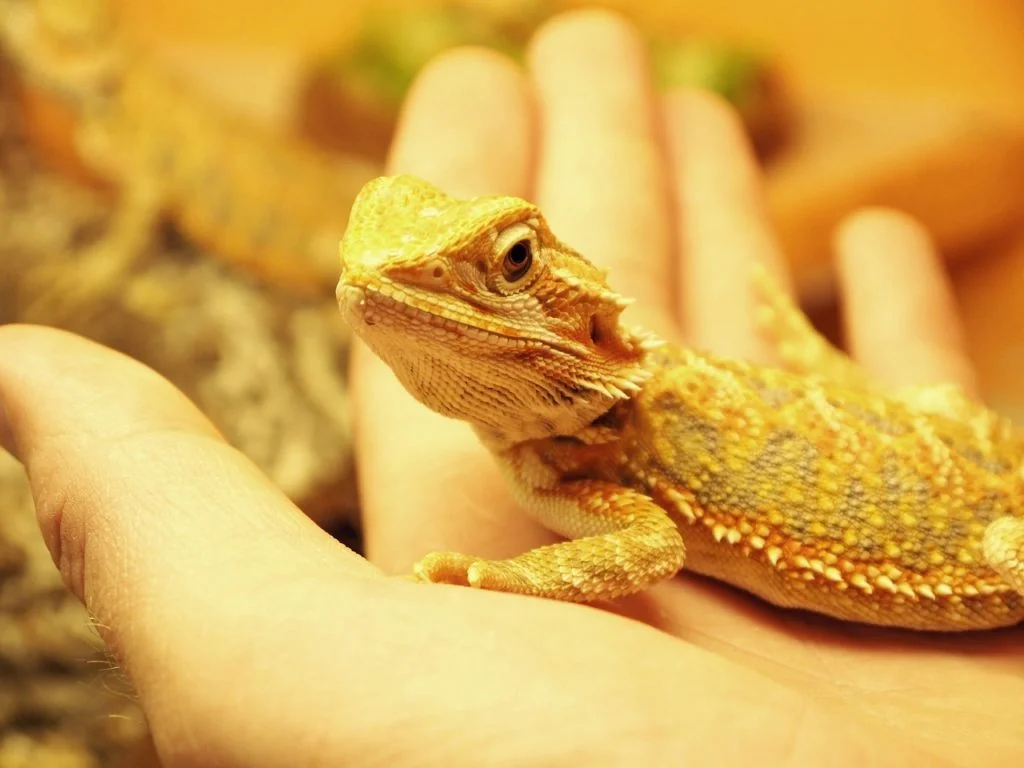
Understanding Your Bearded Dragon’s Behavior
Before you even think about handling your bearded dragon, it’s crucial to understand their behavior. These fascinating reptiles communicate through body language, and recognizing their cues is key to building a positive relationship. Learning to interpret their moods will allow you to handle them safely and prevent stress. This understanding helps you anticipate their reactions and handle them in a way that minimizes anxiety, leading to a more enjoyable experience for both of you. Observe your dragon closely, paying attention to its posture, movements, and overall demeanor. This foundational knowledge sets the stage for successful and comfortable handling.
Recognizing Signs of Stress
Bearded dragons, like all animals, can experience stress. Learning to identify the signs of stress in your dragon is paramount to avoid forcing interactions that could be harmful. Signs of stress include darkening of the beard (which is usually a sign of aggression or fear), gaping (often related to overheating but can also be stress-induced), hissing, flattening of the body, and erratic movements. If you notice these signs, it’s best to leave your dragon alone and try again later. If these behaviors persist or if you are worried, seek advice from a veterinarian. Regular observation of your pet helps maintain a healthy relationship.
Body Language Clues
Pay close attention to your bearded dragon’s body language. A relaxed dragon will typically have a light-colored beard, be alert but calm, and have a relaxed posture. A dark beard, on the other hand, can signal stress, fear, or aggression. Flattening of the body is often a defensive posture. Swelling up their beard is a sign that your dragon is trying to assert dominance or defend themselves. Observing these subtle cues can help you determine whether your dragon is receptive to handling or needs some space. The more familiar you become with their non-verbal cues, the better equipped you’ll be to handle them safely and build trust.
Preparing for Handling
Preparing for handling goes beyond just wanting to hold your dragon. It encompasses ensuring a safe environment and taking steps to make the interaction as positive as possible. This proactive approach minimizes stress and builds trust between you and your pet. A well-prepared handling session sets the foundation for a successful and enjoyable experience for both you and your bearded dragon.
Creating a Safe Environment
Before you reach into the enclosure, make sure the surroundings are safe. Ensure the room is at a comfortable temperature, away from drafts, and free from any potential hazards such as other pets or loud noises. Ensure your dragon can’t escape. Close any doors or windows and consider setting up a designated handling area where your dragon feels secure. This setup minimizes potential stressors and helps your bearded dragon feel more at ease during handling. Consider the needs of your dragon and choose a quiet area with familiar smells.

Washing Your Hands
Always wash your hands thoroughly with soap and water before handling your bearded dragon. This removes any potential germs or chemicals that could harm your pet. It also helps to remove any scents that might be unfamiliar or alarming to your dragon. Clean hands demonstrate respect for your dragon’s health and well-being, and it sets a good impression. Make sure to rinse well and dry your hands completely. Avoiding scented soaps is also a good practice, as strong fragrances can be overpowering.
Approaching Your Dragon
Approach your bearded dragon calmly and slowly. Sudden movements or loud noises can startle them. Gently place your hand in the enclosure and let your dragon get used to your presence before attempting to pick them up. Avoid reaching from above, as this can be perceived as a threat. Allow your dragon to see and smell your hand, and let them approach you at their own pace. This initial interaction sets the tone for a positive handling experience and establishes a foundation of trust.
The Right Way to Pick Up Your Bearded Dragon
The correct way to pick up your bearded dragon is crucial for their comfort and safety. Always support their entire body. Gently slide one hand under their belly and the other under their chest and legs. This method provides a secure and comfortable grip. Avoid grabbing them by the tail, as this can cause stress and potential injury. Lift them slowly and deliberately, keeping them close to your body. This approach provides a sense of security and reduces the risk of them falling. This way of picking them up allows for a secure and comfortable interaction.
Supporting the Body


As you lift your bearded dragon, always support their entire body. Never lift them by just their limbs or tail. Use one hand to support their chest and front legs, and the other to support their hind legs and tail. This provides a sense of security and prevents them from feeling unsupported. By supporting their entire body, you minimize the risk of injury and ensure a comfortable experience for your pet. Proper body support helps your dragon feel safe and confident during handling.
Avoiding Drops and Falls
Bearded dragons can be surprisingly agile, but they are also prone to falls if not handled properly. Always keep a firm grip on your dragon, and never hold them high above the ground. If your dragon starts to struggle, gently place them back in their enclosure or on a safe, soft surface. Be mindful of your surroundings and avoid handling them near edges or areas where they could potentially fall. Keeping your dragon close to your body minimizes the distance of a potential fall and provides a sense of security, making handling a safe and positive experience.
Handling Techniques for Smooth Interactions
Once you have your bearded dragon safely in your hands, there are specific techniques you can use to enhance the interaction. These methods focus on building trust, promoting relaxation, and ensuring the experience is positive for both you and your pet. Taking a gentle approach, speaking softly, and understanding your dragon’s cues are essential elements of these handling techniques.

Gentle Stroking and Scratching
Many bearded dragons enjoy gentle stroking and scratching. Start by gently stroking their head and back. Observe your dragon’s reaction; if they seem relaxed, you can continue. Some dragons enjoy having their chin scratched, while others prefer being stroked along their bellies. Pay attention to their body language and adjust your approach accordingly. Avoid touching sensitive areas like their eyes or the top of their head. Gentle, consistent contact is the key to building a bond and making handling a positive experience.
Talking to Your Dragon
While bearded dragons can’t understand words, talking to them in a calm, soothing voice can help them feel more relaxed. Use a gentle tone and speak in a low register. This can help reassure your dragon and associate your voice with positive interactions. Talk to them about what you are doing, or simply narrate your actions. The sound of your voice alone can be comforting, and it helps to build a connection with your pet. Consistent and positive communication will contribute to a more comfortable handling experience.
Handling Frequency and Duration
The frequency and duration of handling sessions are vital to a positive experience. Over-handling or forcing interactions can lead to stress and anxiety. The ideal frequency depends on your dragon’s personality and how well they adjust to handling. Always prioritize your dragon’s well-being and adjust your approach based on their responses. Keep sessions short and positive, and gradually increase the duration as your dragon becomes more comfortable.
Building Trust and Bonding
Building trust is crucial for a good relationship with your bearded dragon. Start by respecting their boundaries and never forcing interactions. Handle them gently and consistently, and be patient. Let them approach you at their own pace. Offer treats during handling sessions. By providing positive experiences and respecting their comfort levels, you can build trust and strengthen the bond with your bearded dragon. Building a trusting relationship enhances the overall experience.
Positive Reinforcement
Positive reinforcement plays a significant role in shaping your dragon’s behavior and attitude toward handling. Always reward positive behavior. Praise and treats can go a long way in making handling a pleasant experience. When your dragon behaves calmly and cooperatively, offer a small treat or verbally praise them. Avoid punishing negative behavior; instead, redirect your dragon’s attention or end the handling session. Positive reinforcement creates a positive association with handling and encourages a more relaxed and cooperative demeanor. Using positive reinforcement can strengthen your bond and improve handling.
Offering Treats

Treats can be a powerful tool for building trust and creating a positive association with handling. Offer your bearded dragon their favorite treats during handling sessions. This will make them more likely to associate handling with positive experiences. Choose treats that your dragon enjoys, such as insects, fruits, or vegetables. Avoid offering treats excessively, as it can lead to overeating. Make treats a special reward that reinforces positive behavior and makes handling a more enjoyable experience.
Avoiding Common Mistakes
Even with the best intentions, it’s easy to make mistakes when handling your bearded dragon. Understanding and avoiding these common pitfalls is essential for a positive experience. This awareness will help you create a safe and comfortable handling experience for your dragon. Avoiding these mistakes minimizes stress and builds a foundation for a successful relationship.
Handling Too Often
Over-handling your bearded dragon can lead to stress. It’s essential to respect their need for alone time and avoid forcing interactions. Observe your dragon’s behavior and adjust the frequency of handling sessions accordingly. If your dragon seems stressed or withdrawn, it’s a good idea to give them a break. Allow them to regulate their own social interaction. It’s important to handle your bearded dragon when it is calm and relaxed.
Grabbing from Above
Reaching for your bearded dragon from above can be perceived as a threat, even if you have the best intentions. This approach can trigger their defensive instincts and make them feel insecure. Instead, always approach from the side or below, allowing them to see you and recognize your presence. This approach is less intimidating and will help your dragon feel more secure and comfortable. Try not to loom over them when they are in their enclosure.
Ignoring Body Language
Ignoring your bearded dragon’s body language is a major mistake. Failing to recognize the signs of stress or discomfort can lead to a negative handling experience and damage the bond between you and your pet. Always pay attention to their cues, such as darkening of the beard, flattening of the body, or hissing. If your dragon shows any signs of stress, stop handling them and allow them to calm down. Understanding and responding to their body language is key to building trust and ensuring a positive experience.
Handling Tips for Different Situations
The way you handle your bearded dragon may need to be adjusted depending on various factors. Here are some tips for handling your bearded dragon in different situations. Every dragon is unique, and you should always adjust your approach to their individual needs and preferences.

Handling a Young Dragon
Young bearded dragons are often more skittish and require a gentle, patient approach. Start with short handling sessions and gradually increase the duration as your dragon becomes more comfortable. Be mindful of their size and fragility. Support their entire body. Handle them with kindness and patience. The most important thing is to build their confidence and trust. Make it a positive experience, and provide lots of treats.

Handling a New Dragon
When you first bring a new bearded dragon home, give them some time to adjust to their new environment before attempting to handle them. Allow them to settle in and explore their enclosure. After a few days, you can start by simply placing your hand in the enclosure and allowing them to approach you. Build their trust slowly. Avoid overwhelming them with attention. Over time, with consistent, positive interactions, your new dragon will begin to feel more comfortable around you.
Handling a Stressed Dragon
If your bearded dragon is stressed, it’s essential to handle them with extra care. Identify and eliminate any potential stressors, such as a dirty enclosure, poor lighting, or inadequate temperature. When handling a stressed dragon, approach them slowly and gently. Avoid sudden movements and speak to them in a calm voice. If they show signs of distress, such as a darkened beard or gaping, stop handling them and give them some space. Addressing the underlying cause of their stress is crucial for their well-being.
Handling During Shedding
Handling a bearded dragon during shedding requires special consideration, as their skin can be sensitive and uncomfortable. Avoid pulling at any loose shed, as this can be painful. You can gently assist with the shedding process by providing a humid hide or gently misting them with water. Be extra cautious when handling them during this time. Handle them with care and patience. If your dragon seems uncomfortable, avoid handling them completely. You can help them out during the shedding process.
Handling During Feeding Time
Handling your bearded dragon during feeding time can sometimes be challenging. Dragons are instinctively focused on eating, which can make them less receptive to handling. Avoid reaching into the enclosure while they are actively eating. Instead, wait until they have finished their meal. Handle them gently, taking care not to startle them. You can also try handling them briefly before feeding time, but be mindful of their cues and avoid disrupting their eating habits. This avoids adding additional stress when they are hungry.
Essential Handling Accessories
While not strictly necessary, certain accessories can enhance the handling experience. They can provide comfort and additional safety for both you and your bearded dragon. These items can make the handling process more convenient and secure.
Gloves
Some owners prefer to use gloves when handling their bearded dragons, especially if they are new to handling. Gloves can provide an extra layer of protection and comfort. Choose gloves made of a soft, non-toxic material that won’t irritate your dragon’s skin. Gloves can also help to reduce the risk of scratches. However, it’s also important to allow your dragon to get used to your bare hands to build trust. Gloves should be a part of your handling kit but are not essential.
Towels
A soft towel can be useful for several reasons. It can provide a comfortable surface for your dragon to sit on during handling. It also helps to prevent them from slipping or falling. Towels can also be used to gently wrap your dragon if they feel stressed or insecure. Choose a soft, clean towel that is free of any loose threads or loops. A towel can serve as a temporary perch, and can also provide a familiar scent, which may calm them.
Health and Safety
Prioritizing the health and safety of both you and your bearded dragon is paramount during handling. Following basic hygiene practices and being aware of potential health risks will help ensure a positive and safe experience for both you and your pet. Proper hygiene and awareness will prevent the spread of disease.
Washing Your Hands After Handling
Always wash your hands thoroughly with soap and water after handling your bearded dragon. Reptiles, including bearded dragons, can carry Salmonella bacteria, which can be transmitted to humans. Washing your hands helps prevent the spread of this bacteria. Wash your hands for at least 20 seconds. Use warm water and soap and scrub all areas of your hands, including under your nails. Rinse your hands well and dry them with a clean towel.
Recognizing and Addressing Health Issues
During handling, pay attention to any signs of illness or injury in your bearded dragon. Look for changes in their behavior, appetite, or appearance. Some health issues include, but are not limited to, lethargy, loss of appetite, difficulty breathing, or any unusual discharge. If you notice any of these signs, consult a veterinarian experienced in reptile care. Early detection and treatment are crucial for ensuring your dragon’s health and well-being.