Understanding Your Bearded Dragon’s Behavior
Before you even think about handling your bearded dragon, understanding their behavior is paramount. These reptiles are not as demonstrative as dogs or cats, so you need to learn to read their subtle cues. Observing your dragon’s body language allows you to gauge their mood and determine when they are receptive to interaction. This knowledge is the foundation for a positive handling experience, ensuring both your safety and your pet’s well-being. Patience and observation are key; take the time to learn what your individual dragon likes and dislikes.
Signs of a Happy Bearded Dragon
A happy bearded dragon will often display relaxed behavior. This includes a relaxed posture, with their body not tense. They may have a slight, almost smiling expression, and their beard will be a normal color, not darkened. They might be alert and curious, moving around their enclosure and exploring. They may also show interest in you, turning their head to look at you and approaching your hand if you slowly introduce it to their enclosure. When they are comfortable, they may enjoy being gently stroked on the head or back. These signs indicate your dragon is receptive to handling and interaction.

Signs of a Stressed Bearded Dragon
Conversely, a stressed bearded dragon will exhibit several telltale signs. Their beard might be black or very dark. They may puff up their beard and body, attempting to appear larger and more intimidating. They might gape their mouths, hiss, or try to escape. They may flatten themselves against the ground, attempting to hide. Rapid or erratic movements, such as running away or repeatedly trying to climb the glass, also indicate stress. If your dragon displays these behaviors, it is best to leave them alone and allow them to calm down. Never force interaction if they are showing signs of stress.
Creating a Positive Handling Environment
Creating the right environment is just as crucial as understanding your dragon’s behavior. The goal is to make the handling experience as positive and stress-free as possible. This involves choosing the right time, place, and approach. A calm and quiet environment will help your dragon feel secure and less likely to be frightened. Avoid loud noises, sudden movements, and anything that could startle them. Consistency in your handling routine will also help your dragon to associate you with positive experiences, fostering trust and a bond.
Choosing the Right Time and Place
Select a time when your bearded dragon is typically most active and alert, usually during the day, after they have basked under their heat lamp. Avoid handling them immediately after feeding, as this can sometimes cause regurgitation. Choose a quiet, well-lit area where your dragon feels safe and secure. Make sure the room temperature is comfortable, as bearded dragons are ectothermic and rely on external heat sources to regulate their body temperature. A consistent environment reduces stress and allows your bearded dragon to be more receptive to interaction.

Preparing Your Hands and Approach
Before handling your bearded dragon, always wash your hands thoroughly with warm, soapy water to remove any potential contaminants or scents that could be off-putting. Approach your dragon slowly and calmly. Avoid sudden movements that could startle them. Speak in a soft, reassuring tone. Allow your dragon to see you approaching. Do not reach for them from above, as this can be perceived as a threat. Instead, gently place your hand in front of them and let them come to you, or gently scoop them up from the side or underneath their body. This approach builds trust and makes the experience more comfortable for your pet.
Top 5 Bearded Dragon Handling Best Practices
Supporting the Body
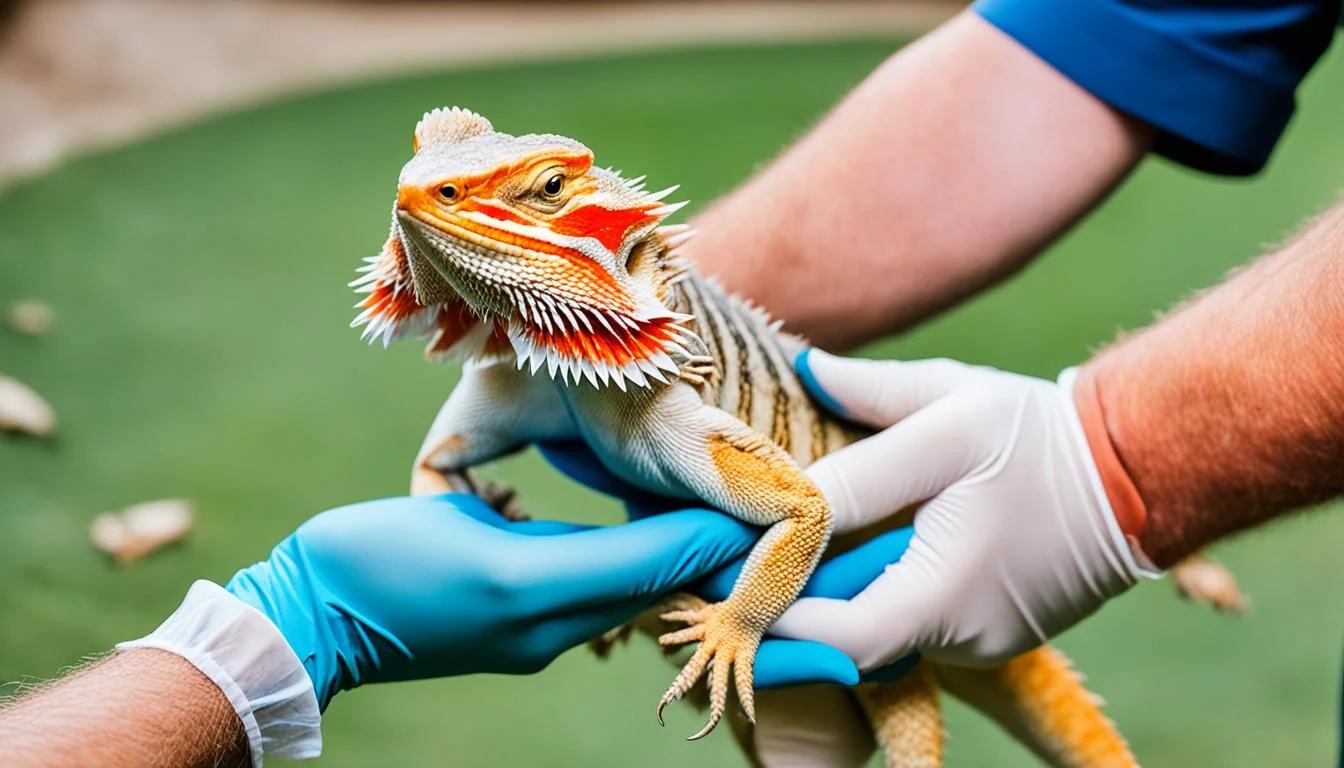
When handling your bearded dragon, always support their entire body. Avoid gripping them tightly. Instead, cradle their body with one hand, supporting their chest and belly. Use your other hand to support their hindquarters and tail. This provides a sense of security and prevents them from feeling insecure or falling. Never lift them by their tail, as this can cause injury. Proper support is essential for a safe and comfortable handling experience, allowing your bearded dragon to feel secure and relaxed in your hands.
Gentle Lifting and Holding
When lifting your bearded dragon, do so gently and with purpose. Avoid quick, jerky movements. Gently slide your hand under their body, scooping them up from the side or from underneath. Hold them close to your body to provide a sense of security and warmth. Avoid holding them too high, as this can be frightening, especially for a young or new dragon. Hold them for short periods initially, gradually increasing the duration as they become more comfortable. Use gentle strokes on the head or back to reassure them, but always respect their boundaries and stop if they show signs of stress.
Encouraging Calm Interaction
During handling, it’s crucial to encourage calm interaction. Speak to your bearded dragon in a soft, reassuring tone. Avoid loud noises or sudden movements that could startle them. Allow them to explore your hands and arms at their own pace. Let them move around and explore a little, as long as they feel safe. A calm and relaxed handling experience will help build trust and strengthen the bond between you and your pet. Try to make handling a positive experience for your bearded dragon, associating your presence with calmness and comfort.
Avoiding Sudden Movements
Bearded dragons are sensitive to sudden movements, which can easily startle them and trigger a flight response. Avoid any quick or unpredictable actions while handling. Move slowly and deliberately. When moving your hand towards them, do it slowly, allowing your bearded dragon to see what you are doing. When you are holding them, avoid sudden turns or jerks. If you need to move, do so calmly and slowly. This will help ensure your bearded dragon feels safe and secure, making handling a more pleasant experience for both of you.
Proper Hand Washing
Always wash your hands thoroughly before and after handling your bearded dragon. This is essential for several reasons. Firstly, it helps to prevent the spread of any potential bacteria or parasites that your dragon might carry. Secondly, it removes any scents that could be off-putting to your dragon. Use warm, soapy water and scrub your hands for at least 20 seconds, making sure to get between your fingers and under your nails. Dry your hands with a clean towel. Proper handwashing is a simple yet crucial step in maintaining the health and well-being of both you and your pet.
Promoting Safe and Positive Interactions
Building trust with your bearded dragon requires consistent, positive interactions. These interactions should always be guided by patience, respect, and an understanding of your dragon’s needs. Creating a safe and positive environment during handling is key to building a strong bond. By following the best practices outlined above, you can establish a relationship based on mutual respect and affection. Over time, your bearded dragon will come to associate you with positive experiences, making handling a rewarding experience for both of you.
Building Trust and Bonding
Building trust is an essential part of any relationship with a pet, and it is particularly important for bearded dragons. Consistency and patience are key. Handle your dragon regularly, but always respect their boundaries. Start with short handling sessions and gradually increase the duration as your dragon becomes more comfortable. Offer treats, such as insects or leafy greens, during handling to create positive associations. Avoid forcing interactions. The more positive interactions you have, the stronger the bond will become. This will ensure that your dragon associates you with safety and comfort, not fear.
Recognizing and Respecting Boundaries


Even with the best intentions, it’s crucial to recognize and respect your bearded dragon’s boundaries. Not every handling session will be a success, and it is important to be able to read your dragon’s cues and recognize when they are feeling stressed or uncomfortable. If your dragon displays signs of stress, such as a black beard, flattening their body, or trying to escape, it is essential to end the interaction immediately. Return them to their enclosure and allow them to de-stress. Respecting their boundaries is a crucial aspect of building trust and maintaining a positive relationship.

Common Handling Mistakes to Avoid
Avoiding common mistakes can significantly enhance the handling experience for both you and your bearded dragon. Several factors can lead to negative experiences. Being aware of these pitfalls will allow you to prevent them and create a more positive environment. By avoiding these mistakes, you will contribute to a more positive and enriching relationship with your pet, ensuring their health and happiness.
Incorrect Grips and Pressure
One of the most common mistakes is using incorrect grips and applying too much pressure. Never squeeze your bearded dragon or grip them tightly. This can cause discomfort, injury, and stress. When holding them, support their body fully and allow them to feel secure. Use gentle and firm support rather than a tight grip. Always remember to keep their body and tail supported to ensure they feel secure and relaxed. Incorrect grips can also lead to injury and damage, so be gentle and always support their body.
Ignoring Body Language
Ignoring your bearded dragon’s body language is a critical mistake that can lead to negative handling experiences. Always pay attention to their cues, such as a black beard, gaping, or hissing. These are clear indicators of stress and discomfort. If your dragon is showing these signs, end the handling session immediately and allow them to return to their enclosure. Continuing to handle a stressed dragon will only reinforce negative associations with you and make future interactions more difficult. Paying attention to their body language allows you to respect their boundaries.
Lack of Patience
Patience is crucial when handling bearded dragons. Rushing the process or expecting them to be comfortable immediately can lead to negative outcomes. If your dragon is not immediately receptive to handling, do not force the interaction. Give them time to adjust, and gradually introduce them to handling. Start with short sessions and gradually increase the duration as they become more comfortable. Respect their individual personalities, as each dragon will have a unique temperament and will adapt to handling at their own pace. Building trust takes time, so be patient.
Enriching Your Bearded Dragon’s Life Through Interaction

Handling and interaction should be viewed not just as a necessary task but as a way to enrich your bearded dragon’s life. Regular, positive interactions can help to stimulate their minds, provide opportunities for exercise, and strengthen the bond between you and your pet. Engaging your dragon in various activities can lead to a happier, healthier life. Providing opportunities for enrichment and interaction ensures that your bearded dragon enjoys a fulfilling and stimulating life.
Introducing Enrichment Activities
Introducing enrichment activities can make handling more engaging and enjoyable for your bearded dragon. You can take them out of their enclosure and let them explore a safe, supervised area, like a reptile-safe playpen or a room where they can roam freely. You can also offer opportunities to interact with you through gentle stroking or by allowing them to sit on your shoulder or hand while you perform a task. These types of interactions not only provide mental stimulation but also strengthen the bond between you and your dragon. Offer enriching activities regularly to keep your dragon happy and engaged.
Supervised Out-of-Tank Time
Supervised out-of-tank time is an excellent way to enrich your bearded dragon’s life and provide opportunities for exploration. Allow your dragon to explore a safe, enclosed area. Ensure the space is free from hazards such as small objects, toxic plants, and other pets. Provide opportunities for climbing and basking. Supervised time allows your dragon to exercise and get to know its surroundings. Always monitor your bearded dragon closely during out-of-tank time. This will ensure their safety and prevent them from getting into any trouble.
The Importance of Regular Handling
Regular handling is an important part of caring for your bearded dragon. Consistent, positive interactions help to build trust and strengthen the bond between you and your pet. Make handling a part of your daily routine. This will allow your bearded dragon to become accustomed to your presence and associate you with positive experiences. The more you interact with your dragon, the more comfortable they will become, and the less stressed they will be. Remember, a happy and well-adjusted bearded dragon is a reward for all your care and attention.