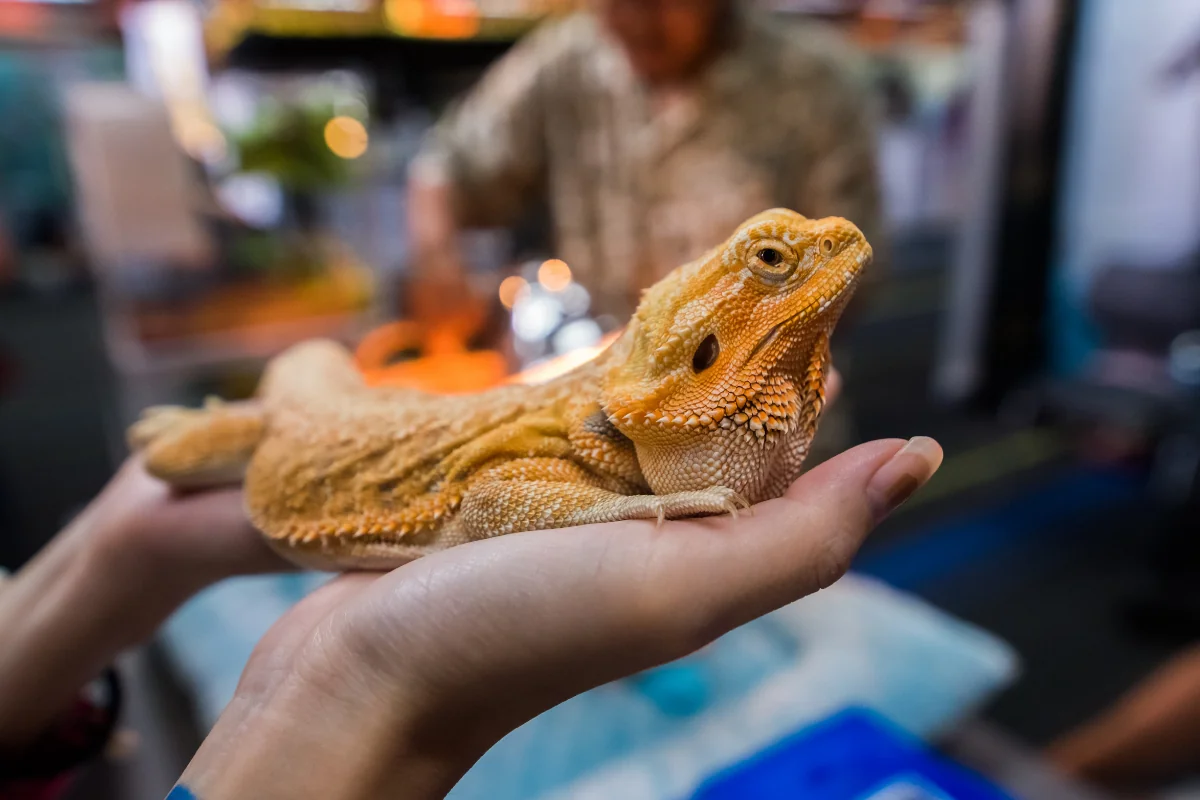
Understanding Bearded Dragon Behavior and Handling
Bearded dragons, with their unique personalities and fascinating behaviors, make wonderful pets. However, they are sensitive reptiles, and understanding their behavior is crucial for safe and enjoyable handling. Proper handling not only builds trust but also ensures the well-being of your dragon. Before you even think about picking up your scaly friend, it is essential to learn about their natural tendencies. Bearded dragons communicate through body language, and recognizing these signals will help you avoid stressing your pet and create a positive interaction.
Recognizing Signs of Stress in Your Bearded Dragon
Bearded dragons are masters of disguise when it comes to hiding their discomfort. Knowing how to spot stress indicators is key to responsible pet ownership. A stressed bearded dragon is not a happy one, and prolonged stress can lead to health problems. By paying close attention to your dragon’s actions and appearance, you can quickly recognize when they feel uncomfortable. Regularly assessing your dragon’s state during handling will ensure that each interaction is positive and stress-free, fostering a strong bond between you and your pet.
Common Stress Indicators
Several behavioral and physical cues suggest your bearded dragon is stressed. Rapid or erratic movements can indicate fear or anxiety. Similarly, a darkened beard (in males) or a flattened body posture often signifies that your dragon feels threatened. Other signs include gaping (opening the mouth wide) without a clear reason, hissing, or puffing up the beard. Any of these should be taken as a signal to immediately end the handling session. Remember, observing these signals means your dragon is trying to tell you something.
Body Language Clues
Beyond specific actions, observe your dragon’s overall body language. A relaxed dragon will typically have a neutral posture and relaxed limbs. The eyes should be alert but not overly wide. If the dragon seems tense, stiff, or tries to escape, it’s likely stressed. Frequent yawning, which is often mistaken for boredom, can also be a sign of stress. Being aware of these subtleties helps you to ensure you are handling your bearded dragon in a way that respects their needs and comfort levels.
Environmental Factors Contributing to Stress
Stress in bearded dragons can sometimes be triggered by their environment. Ensure the habitat’s temperature and humidity are within the recommended range. Overly bright lights or drafts can also be sources of stress. Make certain that you place the enclosure away from loud noises or high-traffic areas. Sudden movements or interactions from outside the enclosure can also upset your dragon, it is important to maintain a sense of security and consistency in the environment.
Preparing for Handling Your Bearded Dragon
Before interacting with your bearded dragon, preparation is key. This involves creating a safe environment, ensuring you are hygienic, and gathering any necessary handling supplies. This preparation is not just for the dragon’s safety; it’s also about making sure you handle them in a way that minimizes stress and maximizes your enjoyment. Proper preparation shows respect for your pet and sets the stage for a positive experience, creating a foundation of trust.
Creating a Safe Handling Environment
Select a safe and secure area for handling, free from hazards. Avoid areas where your dragon might escape or could get into danger, like near stairs or open windows. Ensure the area is clean and free from small objects or potential toxins. Handle indoors in a quiet, temperature-controlled room whenever possible, and keep children and other pets at a safe distance to avoid sudden movements or loud noises that might frighten your dragon. By creating a secure handling location, you provide your dragon with a feeling of security.
Washing Hands and Hygiene
Always wash your hands thoroughly with soap and water before and after handling your bearded dragon. Reptiles can carry Salmonella, and good hygiene is essential to protect your health and your pet’s. Avoid using scented soaps, as they can be irritating to your dragon. Make sure to rinse all soap away. Hand sanitizer is not a substitute for soap and water. Also, avoid handling your dragon if you are sick, as you could potentially spread illness to your pet.

Gathering Essential Handling Supplies
While not always necessary, having a few handling supplies can improve the handling experience. Have a clean, soft blanket or towel on hand. This provides a comfortable surface and can help your dragon feel secure. Always have a small first-aid kit handy to deal with any minor scratches or other small injuries. Having these items ready enables you to handle your bearded dragon with confidence, knowing that you are prepared for anything. It also enhances your interaction with the animal by making it a more relaxed event.
The Proper Way to Approach and Pick Up Your Bearded Dragon


How you approach and pick up your bearded dragon is just as important as the handling itself. Sudden movements can startle your dragon, so slow and steady is the name of the game. The goal is to make the interaction as non-threatening as possible. Proper approach techniques build trust and reduce the chance of your dragon feeling anxious.
Gentle Techniques for Lifting and Holding
Approach your dragon slowly and speak in a calm, soothing voice. Avoid reaching over the dragon from above, as this can be perceived as a threat. Instead, gently slide your hand under its belly and support its body. Use your other hand to gently guide it forward. Once lifted, keep the dragon close to your body to provide a sense of security. Ensure you’re supporting the dragon’s entire body, not just holding it by its legs or tail, and avoid any sudden movements.
Supporting the Body
Proper support is crucial for your dragon’s safety and comfort. Use both hands to support the dragon’s body, especially the belly and hindquarters. This minimizes the risk of falls and helps the dragon feel secure. Never lift your dragon by its tail, as this can cause injury. A supported dragon is a relaxed dragon, and a relaxed dragon is more likely to enjoy the handling experience.
Avoiding Drops and Falls
Always be mindful of your grip. A dropped dragon can suffer serious injuries, so remain vigilant. Keep your handling sessions close to the ground, especially when you are starting. Ensure the surface beneath the dragon is soft if it were to fall. If the dragon starts to squirm or tries to jump, gently set it down. Never handle your dragon if you are distracted or in a hurry. Focus on providing a secure, reassuring hold at all times.
Handling Duration and Frequency
How long and how often you handle your bearded dragon are important considerations. Overhandling can lead to stress, while too little interaction can make your dragon less accustomed to human contact. Striking the right balance will ensure your dragon remains happy and well-adjusted.
How Often Should You Handle Your Dragon?
The appropriate handling frequency varies depending on your dragon’s personality and how comfortable it is with you. Start with short sessions, perhaps 5-10 minutes a day, and gradually increase the duration as your dragon becomes more accustomed to being handled. Avoid overdoing it, especially with young dragons, as they are more sensitive. Always pay attention to your dragon’s cues: If they seem stressed, shorten the handling time or take a break and try again later. Consistency is key, but so is respect for your dragon’s comfort levels.
Signs It’s Time to Stop Handling
Knowing when to end a handling session is just as critical as knowing how to handle your dragon. If your dragon displays any signs of stress, such as flattening its body, gaping, or trying to escape, immediately put it back in its enclosure. Do not force the interaction, and do not assume that your dragon will eventually get used to it. Short, positive interactions are far better than long, stressful ones. End each session on a positive note, and your dragon will be more likely to enjoy the next one.
Safe Handling Practices and Techniques
Safe handling is not just about preventing injury; it’s about building trust and creating a positive relationship with your bearded dragon. Using appropriate techniques will ensure both your and your dragon’s well-being. Follow these safe practices to create a secure and enjoyable environment.
Avoiding Bites and Scratches
Bearded dragons rarely bite, but it can happen if they feel threatened or stressed. To minimize the risk, always approach them calmly. Avoid startling your dragon, and never put your fingers near its mouth. If your dragon does attempt to bite, gently pull away and end the interaction. Scratches are more common, as dragons have sharp claws. Always be gentle when handling, and avoid sudden movements. Keep your nails trimmed to minimize the damage if a scratch does occur.
Safe Handling for Children
Handling a bearded dragon can be a rewarding experience for children, but it is important to supervise them closely. Teach children the correct way to approach and hold the dragon, and explain the importance of being gentle. Never allow children to handle the dragon unsupervised, and make sure they understand the dragon’s body language. Explain the consequences of incorrect handling. Make sure children understand the importance of washing their hands before and after handling the dragon. Positive interactions will create a safe environment for both your children and your pet.
Where to Handle Your Dragon
The location where you handle your bearded dragon can significantly impact its comfort level. Choosing the right spot will make handling easier and more enjoyable for everyone involved. Consider different environments to provide enrichment and ensure a safe experience for your bearded dragon.
Best Locations Inside the Home
Handling indoors is often preferred, as you have more control over the environment. Choose a quiet, well-lit area, free from drafts and direct sunlight. A soft surface, such as a bed or sofa, provides a comfortable and safe place for handling. Make certain that you secure all windows and doors to prevent escape. A comfortable and secure indoor location will help your dragon feel more secure.
Handling Outside Safely
Handling your dragon outdoors can provide enrichment, but requires extra caution. Always handle in a secure, enclosed area, such as a screened-in porch or a supervised, fenced yard. Be cautious of the sun, as reptiles can overheat quickly. Never leave your dragon unattended. Make certain your dragon cannot escape or get into contact with harmful substances. Outdoor handling is a great way to provide your dragon with new experiences, but you must do it with care.
Post-Handling Care and Observation
After handling, observe your dragon and take care to ensure its well-being. Providing proper aftercare will reinforce a positive experience and is essential for your pet’s health.
Checking for Injuries
After handling, always examine your dragon for any signs of injury. Look for scratches, cuts, or swelling. Check its limbs and body for any abnormalities. If you notice any injuries, seek veterinary care immediately. Checking your dragon will help you catch potential health problems early, and ensure your dragon remains healthy.
Reintroducing Your Dragon to Its Enclosure

When returning your dragon to its enclosure, do so gently. Place it on a comfortable surface, such as a basking spot. Observe its behavior for a few minutes to ensure it is comfortable and not stressed. Avoid dropping the dragon and do not force it to eat or drink immediately after handling. Gradual reintroduction ensures a smooth transition back to its habitat.
Handling Precautions for Different Life Stages
The best handling practices will vary depending on your dragon’s age. Baby, adult, and senior dragons have different needs and vulnerabilities. By adjusting your approach to your dragon’s life stage, you are ensuring your handling is a positive experience.
Handling Baby Bearded Dragons
Baby bearded dragons are fragile and can be easily stressed. Handle them gently and infrequently. Limit handling sessions to short periods, as they can be easily overwhelmed. Always support their entire body, and avoid dropping them. Be patient, and allow them to become accustomed to you slowly. Proper handling during this critical stage builds trust.
Handling Adult Bearded Dragons

Adult bearded dragons are generally more robust than babies, but still require careful handling. Continue to support their body completely and avoid sudden movements. Handle them as often as they appear comfortable, but always respect their limits. Regular handling will maintain their social bond and make them accustomed to your touch.
Handling Senior Bearded Dragons
Senior bearded dragons may have health issues or reduced mobility, so handle them with extra care. Avoid prolonged handling sessions. Provide plenty of support, and be gentle with their movements. Senior dragons may also be more sensitive to changes in temperature, so make sure the handling environment is comfortable. Adjust your approach based on their specific needs, and always be patient.
Common Mistakes to Avoid When Handling
Certain mistakes can undermine the effectiveness of your handling techniques and cause your bearded dragon to become stressed or even injured. Knowing these common pitfalls can help you avoid them and create a more positive experience. This will also protect your pet’s overall well-being. The success of your handling efforts depends on you knowing and avoiding these mistakes.
Pulling on the Tail
Never pull or tug on your dragon’s tail. The tail is sensitive and can be easily injured. Pulling on the tail causes pain and can lead to stress and aggressive behavior. A stressed dragon will associate your handling with discomfort, making future interactions difficult. Always support your dragon’s body without putting any pressure on the tail. The well-being of your dragon must always be a priority.

Squeezing Too Hard
Avoid squeezing your dragon too tightly. They may feel like you’re attempting to constrict them. This can cause your dragon to feel trapped and uncomfortable. Use a gentle, supportive grip that allows the dragon to move freely. Ensure you apply even pressure across their body. A relaxed grip indicates that you respect your dragon’s space, and it is crucial for fostering a sense of security and trust.
Ignoring Stress Signals
One of the most serious errors when handling bearded dragons is ignoring stress signals. If your dragon shows any signs of discomfort, such as puffing up its beard or attempting to escape, immediately end the interaction. Forcing the interaction will only damage your relationship and make your dragon fearful of being handled. Pay attention to the cues that the dragon gives you, and respect the boundaries of the animal.
Conclusion Maintaining a Happy and Healthy Dragon
Handling your bearded dragon is an opportunity to strengthen your bond and ensure their well-being. By understanding their behavior, following the right precautions, and avoiding common mistakes, you will create a positive and enjoyable experience. Remember, patience, gentleness, and a willingness to adapt to your dragon’s needs are key to a happy and healthy pet. By prioritizing their comfort and respecting their individual preferences, you will enjoy many years of companionship with your scaly friend.