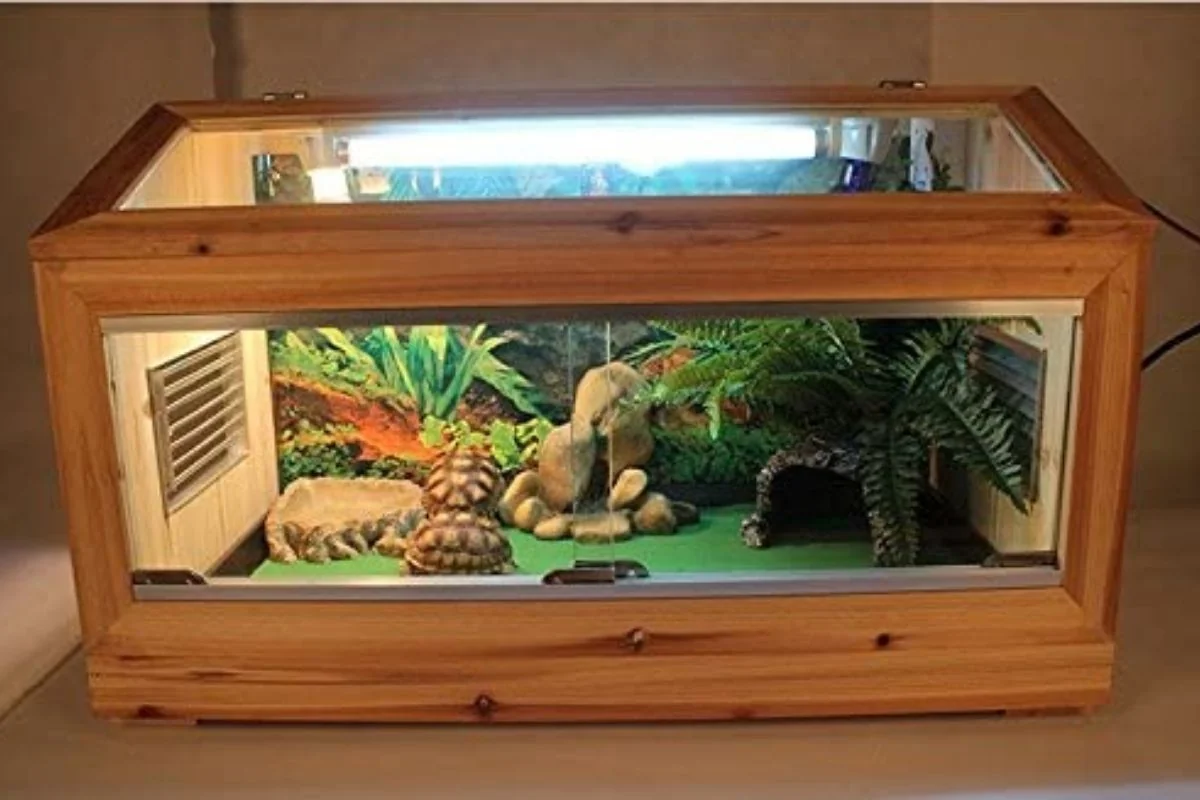
Planning Your Bearded Dragon Habitat Upgrade
Upgrading your bearded dragon’s habitat is a crucial step in ensuring their health and happiness. Before you begin, careful planning is essential. Consider your dragon’s current size and age, as their needs will evolve over time. Research the specific requirements for a healthy habitat, focusing on the size of the enclosure, appropriate lighting, heating, substrate, and enrichment items. Take the time to assess your current setup. What aspects are lacking or need improvement? Are the lights providing adequate UVB and UVA? Is the temperature gradient correct? Is the substrate safe and easy to clean? Make a list of your observations and prioritize the areas that need the most attention. Having a well-defined plan will save you time and money, and help you create the perfect environment for your scaly friend. Don’t rush the process; thoughtful planning leads to a thriving bearded dragon.
Choosing the Right Enclosure Size
One of the most important aspects of a habitat upgrade is choosing the correct enclosure size. Bearded dragons need ample space to move around, regulate their body temperature, and exhibit natural behaviors. A juvenile bearded dragon can start in a 40-gallon breeder tank, but as they grow, they will require a larger enclosure. Adult bearded dragons generally need a minimum of a 120-gallon tank, which is typically 4 feet long, 2 feet wide, and 2 feet high. Providing more space is always better; a larger enclosure allows for a better temperature gradient and more room for enrichment items. A spacious habitat will reduce stress and promote activity, contributing significantly to your dragon’s overall well-being. Consider the long-term needs of your pet when making your decision; investing in a larger enclosure upfront can save you the expense and hassle of upgrading again later.

Essential Enclosure Dimensions for Bearded Dragons
Understanding the specific dimensions for your bearded dragon’s enclosure is critical. A 120-gallon tank (4x2x2 feet) provides enough floor space for basking, exploring, and thermoregulation. The height of the enclosure is also essential, especially if you plan to provide climbing structures. Ensure the height allows your dragon to bask at the appropriate distance from the UVB and heat lamps. The width provides the necessary space for a proper temperature gradient. The cool side should be significantly cooler than the basking spot, allowing your dragon to regulate their body temperature effectively. Remember that these are minimum recommendations, and larger enclosures are often preferred. Always prioritize your dragon’s comfort and well-being when determining the appropriate size.
Best Substrate Options for Your Dragon
The substrate you choose for your bearded dragon’s habitat is more than just a flooring option; it plays a vital role in their health and safety. The best substrates provide a safe, comfortable environment that allows for natural behaviors and promotes good hygiene. Avoid substrates that can cause impaction, a potentially fatal condition. Look for substrates that are easy to clean and maintain. Consider the humidity levels needed for your dragon’s environment when selecting a substrate. Non-particulate substrates like reptile carpet or paper towels are easy to clean and offer a low risk of impaction, making them a good choice for beginners. However, they may not allow for burrowing behavior. Loose substrates like a bioactive mix can provide enrichment, but it’s essential to ensure they are safe and well-maintained.
Top Substrate Choices
Popular and safe substrate options include reptile carpet, paper towels, tile, and a bioactive substrate mix. Reptile carpet is readily available and easy to clean, but it should be replaced regularly. Paper towels are an affordable and hygienic option, but they may not look as appealing. Tile provides a durable and easy-to-clean surface. Bioactive substrates, consisting of a mix of soil, sand, and other organic materials, can create a more natural environment that supports beneficial bacteria and allows for burrowing. Consider the specific needs of your dragon and your ability to maintain the substrate properly. Always prioritize safety and choose a substrate that is appropriate for your dragon’s age and health.

Benefits of Different Substrates
Each substrate offers unique benefits. Reptile carpet provides a non-abrasive surface, protecting your dragon’s belly. Paper towels are a good choice for quarantine purposes, as they are easy to monitor for waste. Tile offers excellent hygiene and heat conductivity. Bioactive substrates allow for natural behaviors such as burrowing and provide a more complex and engaging environment. The benefits of a bioactive setup include increased humidity control and the ability for the substrate to break down waste. The substrate choice will also influence humidity levels. Consider what is best for your dragon; some substrates are more aesthetically pleasing than others, so balancing health and appearance is a key step.
Optimal Lighting Setup for Bearded Dragons

Proper lighting is paramount to a bearded dragon’s health. They require UVB and UVA light to thrive. UVB light is essential for synthesizing vitamin D3, which enables calcium absorption, crucial for bone health and overall metabolism. UVA light aids in stimulating natural behaviors, appetite, and mental well-being. The type of lighting, its placement, and the duration of exposure directly impact your dragon’s health. Position the UVB and heat lamps correctly, ensuring they are at the appropriate distance for safe and effective light exposure. Regularly replace bulbs as they lose their effectiveness over time. A well-designed lighting setup mimics the natural sunlight conditions and promotes optimal health. Invest time researching the right lighting setup to prevent health issues.

Importance of UVB and UVA Lighting
Both UVB and UVA lighting play distinct but equally crucial roles in a bearded dragon’s well-being. UVB allows the dragon to produce vitamin D3, which facilitates calcium absorption, essential for healthy bones, growth, and reproduction. Insufficient UVB exposure can lead to metabolic bone disease (MBD). UVA light is important for overall health. It stimulates natural behaviors like feeding, breeding, and basking. Choose the right UVB bulb strength based on your enclosure size and the distance between the bulb and the basking spot. Ensure the bulb emits a sufficient level of UVA light, ideally replicating the natural sunlight conditions. Proper lighting is fundamental for the health and happiness of your dragon.
Choosing the Right Bulbs

Selecting the correct bulbs for your bearded dragon habitat is vital. When choosing a UVB bulb, consider the output percentage and the distance from the basking spot. T5 UVB bulbs are often favored, as they have a higher UVB output and last longer than T8 bulbs. The ideal UVB bulb strength depends on the enclosure size and the distance from the basking spot. Research the best brand and wattage for your specific needs. Consider using a combination of a UVB bulb and a heat lamp, placing them to create a proper temperature gradient. Always replace your bulbs at the manufacturer’s recommended intervals, as their UVB output diminishes over time, even if they still emit visible light. Ensure the bulbs are specifically designed for reptiles and are safe for use.
Heat and Temperature Regulation
Bearded dragons are ectothermic, meaning they rely on external heat sources to regulate their body temperature. Providing the correct temperature gradient is crucial for their health and digestion. The habitat should have a basking spot where the temperature reaches 95-110°F (35-43°C), a warm side at around 85-90°F (29-32°C), and a cool side at about 75-80°F (24-27°C). Use a heat lamp or ceramic heat emitter to provide the necessary heat. Avoid using heat rocks, as they can cause burns. Monitor the temperatures daily using accurate thermometers and adjust the heat sources as needed to maintain the correct gradient. Proper temperature regulation promotes healthy digestion, metabolism, and overall well-being. Provide a thermostat to keep the temperature in check and avoid overheating.
Ideal Temperature Gradient for Bearded Dragons
Creating an ideal temperature gradient is key to a healthy bearded dragon. The basking spot, where your dragon spends time absorbing heat, should be the hottest area, ranging from 95-110°F (35-43°C). The warm side of the enclosure, where they can retreat to regulate their body temperature, should be around 85-90°F (29-32°C). The cool side provides a place to escape heat, and it should be around 75-80°F (24-27°C). Ensure the temperature gradient is well-defined, with a clear distinction between the hot, warm, and cool areas. This allows your dragon to move between the zones as needed. Having the right temperature ensures healthy digestion, activity, and an overall feeling of well-being.
How to Measure and Maintain Temperatures
Accurate temperature monitoring is essential for your bearded dragon’s health. Use a digital thermometer with a probe to measure temperatures in multiple locations within the enclosure. Place the probe in the basking spot, on the warm side, and on the cool side. Additionally, a temperature gun can be used to check the surface temperature of the basking spot. Regularly check the temperatures, ideally multiple times a day, to ensure they are within the appropriate ranges. If temperatures are too high or too low, adjust the heat source accordingly. A thermostat is a valuable tool for regulating the temperature and preventing overheating. Consistent monitoring and adjustments will help you maintain the perfect environment for your dragon.
Decorating Your Bearded Dragon’s Habitat

Decorating your bearded dragon’s habitat is vital for their mental and physical well-being, providing them with a stimulating and enriching environment that mimics their natural habitat. Incorporate various items that encourage activity, exploration, and basking behavior. Consider using a combination of branches, rocks, hides, and climbing structures. These elements provide opportunities for climbing, hiding, and thermoregulation. The type of decor you use will depend on your dragon’s preferences and the size of the enclosure. Avoid using items that could be toxic or that are difficult to clean. Create a visually appealing habitat. The decor should allow your dragon to thrive.
Creating a Naturalistic Environment
Creating a naturalistic environment for your bearded dragon will provide a stimulating and enriching experience. Mimic their natural habitat by incorporating elements found in their native environment. Use naturalistic decor, such as rocks, branches, and driftwood, to replicate their natural surroundings. The addition of plants can provide hiding spots and climbing opportunities. Be sure the plants are non-toxic and safe for your dragon. Bioactive substrates are a great way to emulate nature. By using naturalistic decor, you encourage natural behaviors, reduce stress, and enhance their overall well-being, creating a more engaging and stimulating environment.
Essential Enrichment Items
Enrichment items are essential for providing mental and physical stimulation for your bearded dragon. Include various items to encourage activity and exploration. Consider adding basking platforms, climbing structures, and hiding places. These items provide opportunities for climbing, thermoregulation, and hiding. Place the enrichment items thoughtfully. Ensure there is enough space for your dragon to move around comfortably. Rotate enrichment items periodically to keep the environment interesting and engaging. Providing the right enrichment items will keep your bearded dragon happy and healthy, reducing boredom and stress.
Feeding and Watering Station Setup
Setting up an effective feeding and watering station is crucial for your bearded dragon’s health. The placement and design of food and water bowls are essential for promoting proper hydration and nutrition. The setup should be easily accessible and encourage healthy eating habits. Choosing the right bowls and placing them thoughtfully can create a functional and aesthetically pleasing feeding and watering station. Provide fresh food and water daily, and clean the bowls regularly to maintain hygiene. Consider the size and type of bowls, and the location within the enclosure. A well-designed feeding and watering station supports your dragon’s health and promotes their overall well-being.
Placement and Design of Food and Water Bowls
The placement and design of food and water bowls can significantly impact your bearded dragon’s eating and drinking habits. Place the food bowl in a location that is easily accessible. Avoid placing the water bowl directly under the heat lamp. Choose bowls that are shallow enough for easy access but heavy enough to prevent tipping. Ceramic bowls are often a good choice. Consider the size of the bowls. Ensure that the water bowl is not so deep that your dragon could accidentally drown. Regularly clean and sanitize the bowls to maintain hygiene and prevent the growth of bacteria. A well-designed feeding and watering station is critical for promoting proper hydration and nutrition.
Importance of Fresh Water

Providing fresh water is vital for your bearded dragon’s health and well-being. Ensure your dragon always has access to clean, fresh water. Water is essential for hydration, digestion, and overall bodily functions. Change the water in the bowl daily, or even more often if it becomes soiled or dirty. Use a shallow bowl to prevent accidental drowning. Choose a bowl that is easily accessible and safe for your dragon. Clean the water bowl regularly with warm, soapy water to prevent the buildup of bacteria and debris. Keep a close eye on the water consumption and ensure your dragon is drinking adequately, as this is a sign of good health.
Humidity Control for a Healthy Habitat
Maintaining the proper humidity levels in your bearded dragon’s habitat is essential for their health and well-being. They thrive in a relatively dry environment, but a little humidity is necessary for shedding and overall health. The ideal humidity range is generally between 20% and 40%. Excess humidity can lead to respiratory infections and other health problems. Monitor the humidity levels with a hygrometer. Adjust the humidity level as needed. Misting the enclosure lightly can increase the humidity. Ensure adequate ventilation to prevent excessive moisture buildup. Proper humidity control supports healthy shedding, promotes good respiratory health, and contributes to the overall well-being of your dragon. Invest in a hygrometer to know how you should adjust your humidity.
Maintaining the Right Humidity Levels
Maintaining the correct humidity levels is essential for your bearded dragon’s well-being. The ideal range is generally between 20% and 40%. To maintain these levels, ensure proper ventilation in the enclosure. Mist the enclosure lightly with water, especially during shedding, but avoid excessive moisture. The substrate also influences humidity levels. Choose a substrate that does not retain too much moisture. Provide a shallow water dish, but ensure it doesn’t contribute to excessive humidity. A proper humidity level promotes healthy shedding and prevents respiratory problems. It’s very important for your dragon’s overall health, so be sure to keep it in check with a hygrometer.
How to Monitor Humidity
Monitoring the humidity levels is vital for maintaining a healthy environment. Use a hygrometer, a device that measures humidity, to track the levels within the enclosure. Place the hygrometer in a central location within the habitat. Check the humidity levels daily. Observe how the humidity fluctuates throughout the day. Adjust the humidity levels as needed. If humidity is too high, increase ventilation or reduce the amount of misting. If the humidity is too low, increase the misting frequency or add a shallow water dish. Regularly monitoring humidity will help you maintain the proper levels, ensuring your bearded dragon’s health.
Cleaning and Maintenance Tips
Regular cleaning and maintenance are essential for maintaining a healthy environment for your bearded dragon. A clean habitat reduces the risk of illness and promotes hygiene. Develop a consistent cleaning schedule, including daily spot cleaning, weekly cleaning, and monthly deep cleaning. Use appropriate cleaning products that are safe for reptiles. Remove any uneaten food, feces, and other waste promptly. Clean the water and food bowls daily. A clean environment will greatly benefit your bearded dragon’s overall health and well-being, as well as help you enjoy having them. A well-maintained enclosure promotes a happier, healthier pet.
Daily, Weekly, and Monthly Cleaning Schedules
Establishing a cleaning schedule is essential for maintaining a healthy bearded dragon habitat. Perform daily spot cleaning by removing any feces or uneaten food. This helps maintain a hygienic environment and prevents the buildup of bacteria. Weekly cleaning involves removing the substrate, cleaning the enclosure, and replacing the substrate with fresh material. Monthly cleaning involves a more thorough deep cleaning. Remove all items from the enclosure, scrub the enclosure with reptile-safe cleaner, and disinfect all decor. Replace the substrate and allow the enclosure to dry thoroughly before returning the decor and your dragon. A consistent cleaning schedule keeps your pet healthy.
Safe Cleaning Products for Bearded Dragons
Using safe cleaning products is critical when cleaning your bearded dragon’s habitat. Avoid using harsh chemicals, bleach, or ammonia-based cleaners, as they can be toxic to reptiles. Opt for reptile-safe cleaners specifically designed for pet habitats. Alternatively, you can use a diluted solution of white vinegar and water for cleaning. Always rinse the enclosure thoroughly after cleaning to remove any residue. Air-dry the enclosure completely before returning your dragon. Safe cleaning practices are vital for ensuring the health and well-being of your bearded dragon. Research the cleaning products you use, and look for those specifically designed for reptiles.
Top 10 Tips for a Happy Dragon
To ensure your bearded dragon lives a happy and fulfilling life, follow these top 10 tips. Provide a spacious enclosure with the correct dimensions. Maintain a proper temperature gradient with a basking spot, warm side, and cool side. Offer UVB and UVA lighting to stimulate natural behaviors. Choose a safe and suitable substrate. Provide a variety of enrichment items to reduce boredom. Maintain proper humidity levels, and ensure the environment is clean. Feed your bearded dragon a balanced diet of insects and greens. Provide fresh water daily. Handle your dragon gently. Regularly check for any signs of illness, and consult with a veterinarian if needed. Implementing these tips will greatly contribute to your dragon’s happiness and longevity.