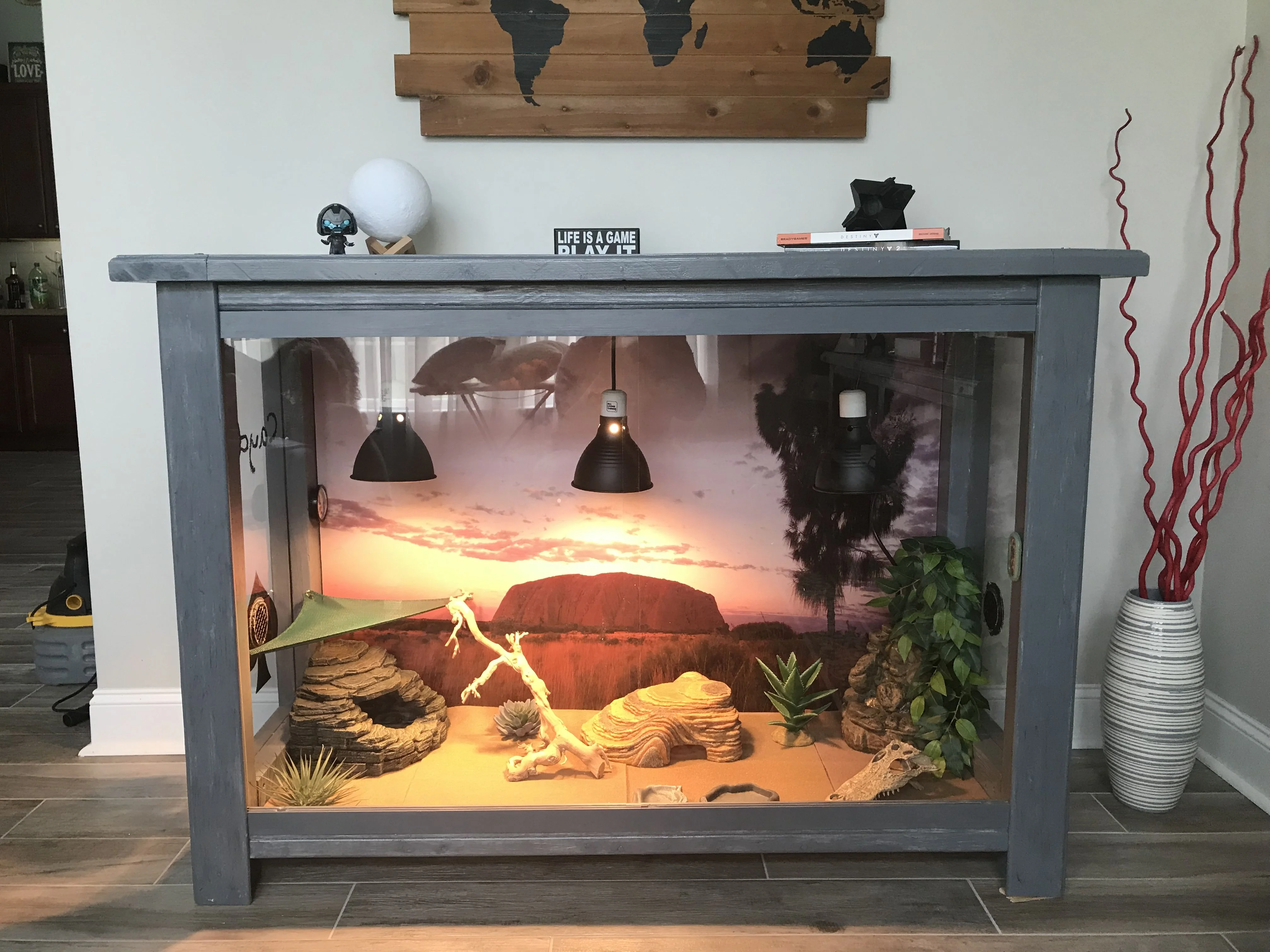
Creating the Perfect Bearded Dragon Habitat
Providing a stimulating habitat is crucial for the physical and mental well-being of your bearded dragon. Unlike a bare enclosure, a well-designed habitat offers opportunities for natural behaviors, exploration, and a sense of security. This begins with understanding their needs. A stimulating habitat moves beyond just providing the necessities; it creates an environment where your dragon can thrive and display its natural behaviors, leading to a happier, healthier pet. This involves careful consideration of various elements, from temperature and lighting to substrate and decor. Building a dynamic habitat is an ongoing process, requiring observation, adjustment, and a commitment to providing the best possible life for your scaled companion.
Understanding Bearded Dragon Enrichment Needs
Bearded dragons are intelligent and curious creatures, and without proper enrichment, they can become bored, stressed, and even develop health issues. Enrichment provides mental and physical stimulation, preventing boredom and promoting natural behaviors such as foraging, climbing, and basking. Enrichment isn’t just about adding accessories; it’s about creating a dynamic environment that caters to their instincts and preferences. This understanding forms the foundation of a successful and enriching habitat. By recognizing their needs, you can create a space where your bearded dragon can truly thrive, demonstrating natural behaviors, and maintaining optimal physical and mental health. Remember that each dragon has a unique personality, and their enrichment needs may vary.

Why Enrichment is Vital for Bearded Dragons
Enrichment plays a critical role in preventing behavioral problems like glass surfing and loss of appetite, stemming from boredom and lack of stimulation. It encourages natural behaviors, which are essential for their physical and psychological health. A stimulating environment keeps them active, engaged, and less prone to stress-related illnesses. Moreover, enrichment enhances their overall quality of life, allowing them to express their natural instincts, such as exploring, hunting, and basking. Enrichment offers opportunities for mental stimulation, physical activity, and social interaction, contributing to a happier, healthier bearded dragon. A well-enriched environment ensures your dragon leads a fulfilling and engaging life, displaying its natural instincts and maintaining its overall well-being.
Essential Elements for Bearded Dragon Habitat Enrichment
The most effective enrichment incorporates several key elements, starting with proper temperature and lighting, then providing a stimulating substrate, varied decor, and opportunities for foraging. Each element contributes to a dynamic and engaging environment. Careful consideration of each aspect ensures the habitat meets all their needs, promoting both physical and mental well-being. A complete, engaging environment will provide your bearded dragon with a comfortable, healthy and stimulating home, setting the stage for a long, happy life. Focusing on the essential elements will create a habitat that closely mimics their natural environment, encouraging natural behaviors and overall well-being.
Temperature and Lighting
Temperature gradients are essential for thermoregulation. The enclosure should have a basking spot (around 100-110°F or 37-43°C), a cooler side, and an ambient temperature that allows the dragon to choose its preferred thermal comfort zone. Appropriate UVB lighting is equally critical, aiding in vitamin D3 synthesis and calcium absorption. Without adequate UVB, bearded dragons can develop metabolic bone disease. Regularly check and replace UVB bulbs as recommended by the manufacturer, usually every 6-12 months. Investing in high-quality thermometers and UVB lights is a must to maintain an environment that supports your bearded dragon’s health and well-being. Proper heating and lighting are vital to ensure your bearded dragon can digest food, absorb essential nutrients, and regulate its body temperature effectively.
Basking Spot Essentials
The basking spot is the warmest area in the enclosure, and it’s crucial for digestion and thermoregulation. It should be a flat surface, like a rock or a platform, placed directly under the heat lamp. Ensure the basking spot temperature is appropriate for your bearded dragon’s age and health. Regularly monitor the temperature using a digital thermometer with a probe. Proper basking spot setup is critical for your bearded dragon’s overall well-being. It provides a place to regulate their body temperature, aids in digestion, and promotes activity. Make sure the basking spot is sturdy and safe, and offers easy access for your bearded dragon to enjoy the benefits of the heat and light.
UVB Lighting Importance
UVB lighting is a fundamental component of a healthy bearded dragon habitat. It aids in the production of Vitamin D3, which is essential for calcium absorption, and subsequently, strong bones. Without adequate UVB exposure, bearded dragons can develop metabolic bone disease (MBD). Choose a UVB bulb specifically designed for reptiles, and place it correctly, following the manufacturer’s recommendations for distance and duration. Replace the bulb regularly, usually every 6-12 months, as the UVB output diminishes over time. UVB lighting is not just about preventing diseases; it is about providing a complete and engaging environment for your dragon, promoting healthy behaviors, and overall well-being. Providing the correct type and strength of UVB lighting is essential to mimicking their natural environment, fostering optimal health and longevity.
Substrate Selection
The substrate is the material at the bottom of the enclosure. Choosing the right one is essential for your bearded dragon’s health and safety. Avoid loose substrates, such as sand, that can cause impaction if ingested. Safe substrate options include reptile carpet, paper towels, ceramic tiles, or a bioactive substrate mixture. Select a substrate that is easy to clean, and does not pose a risk to your bearded dragon. The right substrate offers a safe and comfortable surface for your pet, promoting its overall health. Proper substrate selection minimizes the risk of health problems and facilitates an engaging and safe habitat.
Choosing the Right Substrate
Opt for substrates that are safe and easy to maintain. Reptile carpet is a popular choice as it is readily available and easy to clean. Paper towels are another simple, hygienic option, especially for young dragons. Ceramic tiles are easy to clean and provide a good surface for basking. Bioactive substrates, which include a mix of soil, clay, and organic matter, are another option. Bioactive set ups can provide a more naturalistic environment. Choose a substrate that is appropriate for your bearded dragon’s size, age, and health needs. Always avoid substrates that are likely to be ingested, such as sand, as this can lead to serious health issues.
Substrate Safety and Maintenance
Proper maintenance of the substrate is vital. Clean the substrate regularly to remove waste and uneaten food, preventing bacterial growth. If using reptile carpet or paper towels, replace them frequently. Spot clean the substrate daily, and completely replace it at least once a month, depending on the type of substrate used. Always wash your hands thoroughly after handling the substrate. Regularly cleaning and maintaining the substrate is fundamental to prevent health issues and ensure your dragon’s environment remains safe and hygienic. A well-maintained substrate promotes a healthy and thriving habitat for your bearded dragon.
Decorating the Habitat for Enrichment
Adding enriching decor is crucial for your bearded dragon’s well-being. This encourages natural behaviors and provides mental stimulation. Providing a stimulating and engaging environment prevents boredom, reduces stress, and enhances your bearded dragon’s overall quality of life. By thoughtfully selecting and incorporating the right elements, you can create a dynamic and interesting habitat where your dragon can truly thrive. Creating an enriched habitat is about more than just aesthetics; it is about providing the essential stimulation that promotes physical and mental health.
Adding Climbing Structures
Bearded dragons enjoy climbing. Adding branches, rocks, and platforms encourages physical activity and allows them to explore different levels within their enclosure. Ensure climbing structures are sturdy and safe. Vary the height and positioning of climbing structures to provide different challenges. Use natural wood branches that are safe for reptiles. The opportunity to climb stimulates their natural instincts and provides a space for exploration. Providing climbing structures keeps your bearded dragon active and engaged, contributing to a more fulfilling life in captivity. This type of physical activity contributes to their muscle development and overall health, mimicking their natural behaviors.


Introducing Hiding Places

Bearded dragons are vulnerable in the wild, making them instinctively seek safe hiding places. Providing hides reduces stress and allows them to feel secure. Include multiple hiding spots throughout the enclosure, offering different levels of concealment and temperature gradients. You can use commercially available reptile hides, or create your own with rocks, logs, or other non-toxic materials. Hiding spots are essential for their psychological well-being. They provide a sense of security and enable them to regulate their environment. Providing a variety of hiding options allows your bearded dragon to choose the place where they feel safest and most comfortable, contributing to their overall health and happiness.
Incorporating Natural Elements
Adding natural elements like rocks, driftwood, and live plants creates a more stimulating and visually appealing habitat. Be sure to use reptile-safe plants, such as succulents or hardy plants that can withstand the heat. Natural elements provide different textures and surfaces for climbing and basking, and they add visual interest to the environment. Natural elements support natural behaviors and contribute to a more enriching and aesthetically pleasing habitat. Using natural elements creates a more stimulating and visually appealing habitat, improving your bearded dragon’s quality of life. These elements will encourage natural behaviors, such as exploring and interacting with different textures.
Feeding and Foraging Enrichment

Feeding and foraging enrichment provide mental stimulation and encourage natural hunting behaviors. Varied diet and creative feeding strategies contribute to a more engaging and enriching life for your bearded dragon. Implementing these practices keeps your dragon active, engaged, and less likely to become bored. By carefully considering your dragon’s dietary needs and presenting their food in challenging and innovative ways, you’re ensuring a more fulfilling and stimulating environment.
Variety in Diet
A varied diet is essential for a healthy bearded dragon. Provide a mix of insects, vegetables, and fruits. Offer different types of insects, such as crickets, mealworms, and dubia roaches. Rotate the types of vegetables and fruits you offer. Variety ensures your bearded dragon receives all the necessary nutrients, while also providing mental stimulation. Avoid feeding the same food every day, as this can lead to boredom and nutritional deficiencies. A varied diet keeps them interested and provides opportunities to practice their hunting skills. Offering a wide array of food provides both nutritional benefits and sensory stimulation, ensuring that your bearded dragon enjoys a well-balanced and interesting diet.
Feeding Strategies for Mental Stimulation
Make feeding time more engaging by varying your feeding methods. You can scatter insects around the enclosure, so your bearded dragon has to actively search for them. Use a feeding bowl to slow down their eating pace. You can also introduce a puzzle feeder, which requires them to work to get their food. These types of feeding strategies promote natural foraging behaviors, provide mental stimulation, and prevent boredom. These strategies enhance your bearded dragon’s natural hunting instincts and contribute to a more engaging experience. This approach makes the feeding process an enriching and stimulating activity, providing mental exercise and preventing boredom.
Water and Hydration Enrichment
Providing fresh water and ensuring proper hydration are critical for the health of your bearded dragon. Proper hydration is key to their well-being, and a combination of providing fresh water and maintaining humidity levels is necessary for ensuring optimal health. Careful attention to hydration will promote the overall well-being of your bearded dragon, from aiding digestion to supporting skin health.
Providing Fresh Water
Always provide a clean, shallow water dish. Change the water daily to prevent bacterial growth. Place the water dish in a location that is easy for your bearded dragon to access, but not directly under the heat lamp. Ensure the dish is shallow enough that your dragon can easily drink from it, and monitor the water level regularly. Clean, fresh water is an essential component of their environment. Providing fresh water is crucial for maintaining proper hydration and preventing dehydration. Make sure the water is readily available to your bearded dragon, and replace it frequently to keep it clean and fresh.
Misting for Hydration


In addition to providing water, you can mist the enclosure daily, especially during shedding. Misting helps maintain humidity levels and encourages your bearded dragon to drink. Be careful not to over-mist, as excessive humidity can lead to respiratory infections. You can use a spray bottle to mist the enclosure, or you can install an automatic misting system. Monitoring humidity levels with a hygrometer is essential. Regular misting is a great way to provide additional hydration, particularly during the shedding process, supporting overall health, and contributing to a comfortable living environment. Consider the benefits of misting, and always monitor the humidity levels to ensure that they are at an appropriate level.
Monitoring and Adapting the Habitat
The best habitats are not static; they are dynamic, evolving environments that are constantly adapted to meet the changing needs of the bearded dragon. Regular monitoring, observation, and adjusting your habitat are critical to provide optimal care. Creating a dynamic and engaging habitat demands continual observation and adaptation, ensuring that the habitat remains relevant and beneficial for your bearded dragon. This ongoing process ensures the well-being and happiness of your scaly friend.
Observing Bearded Dragon Behavior
Pay close attention to your bearded dragon’s behavior. Observe their basking habits, eating patterns, activity levels, and overall demeanor. Look for signs of stress, such as excessive hiding, lethargy, or changes in appetite. Note how they interact with different elements of their habitat. This type of observation will inform how to enhance or modify the environment to better meet their needs. By observing your bearded dragon’s behavior, you can identify potential problems early and make necessary adjustments. Regular observation is essential for maintaining a healthy and stimulating habitat.
Adjusting Enrichment Based on Needs
Based on your observations, adjust the enrichment in your bearded dragon’s habitat. If your dragon is spending too much time hiding, add more hiding places. If they are not eating well, try varying the diet or changing the feeding method. If they seem bored, add more climbing structures or foraging opportunities. Make gradual changes and monitor your bearded dragon’s response. Tailor the environment to their individual preferences and needs. Continually assess and modify the enrichment elements in the habitat to ensure that they are relevant and beneficial for your bearded dragon. This will help to make sure that they are content and engaged.