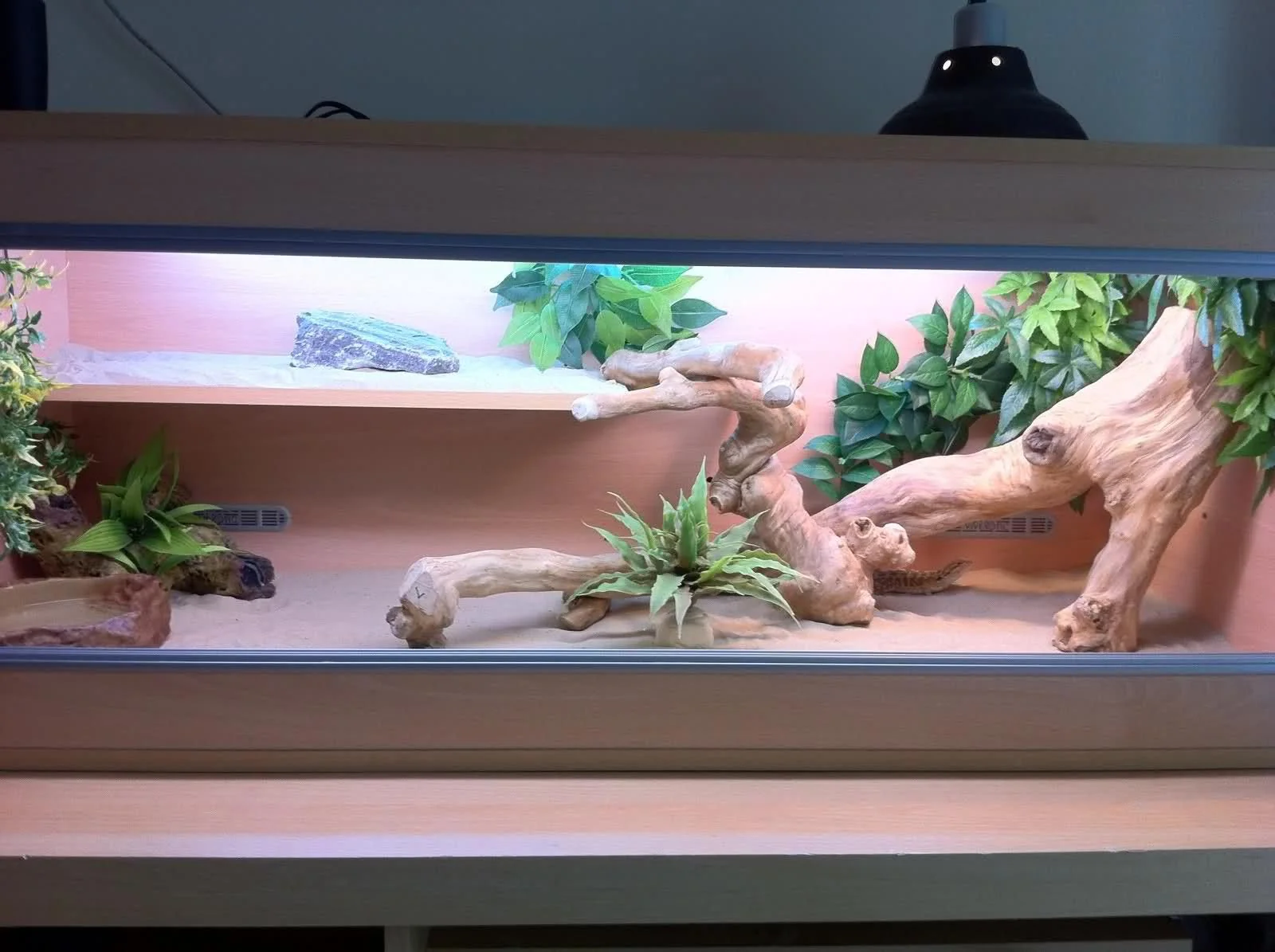
Setting up a habitat for your bearded dragon is an exciting endeavor, but it can also be overwhelming. The key is to create an environment that is not only comfortable and stimulating for your reptile friend but also easy for you to maintain and rearrange. This guide provides essential bearded dragon habitat setup ideas, with a focus on creating a setup that is easily rearranged. We’ll cover everything from choosing the right tank size and substrate to arranging essential features and incorporating enriching decor. This will help you create a thriving and visually appealing home for your bearded dragon that is manageable for you.
Essential Bearded Dragon Habitat Setup for Easy Rearrangement
Creating a functional and easily rearranged habitat involves careful planning and selecting the right components from the start. A well-designed setup allows you to provide the best possible care for your bearded dragon while making maintenance a breeze. This section outlines the essential elements, focusing on how to choose each component to make rearranging a simple task. Prioritizing ease of movement and accessibility will save you time and effort. This not only benefits you but also allows you to frequently refresh your dragon’s environment, stimulating its natural behaviors.
Choosing the Right Tank Size for Your Bearded Dragon
The tank size is the foundation of any bearded dragon habitat. It dictates how much space your dragon has to move around, bask, and explore. Choosing an appropriately sized enclosure is vital for your dragon’s physical and psychological well-being. An undersized tank can lead to stress and health problems, while a tank that is too large might make it challenging to maintain the correct temperature gradient. A properly sized enclosure helps your dragon thrive.

Tank Size Guidelines for Bearded Dragons
As a general rule, a juvenile bearded dragon will thrive in a 40-gallon breeder tank (36x18x18 inches). However, as your dragon grows, it will require a larger enclosure. Adult bearded dragons need a minimum of a 4x2x2 foot enclosure (approximately 120 gallons), but a larger enclosure is always preferable. Consider the dimensions of your space to ensure that your bearded dragon has ample room to move around. Remember that bigger is always better when it comes to tank size, as it allows you to create more diverse temperature gradients and a more enriching environment.
Factors Influencing Tank Size Selection
Several factors can influence your tank size selection. Consider the age of your bearded dragon – juveniles need less space than adults. The more space the better, as you can place more items and décor. Tank shape is also important; a longer tank generally provides a better temperature gradient than a taller one. Accessibility for cleaning and maintenance is another key factor. Consider the space you have available in your home and the long-term needs of your dragon. Always plan for the future and choose a size that will accommodate your dragon’s full growth potential to avoid having to upgrade later. Always select a tank that is easy to access for regular cleaning.
Substrate Selection for a Rearrangeable Habitat
The substrate is the material that lines the bottom of your bearded dragon’s tank. The choice of substrate is crucial for your dragon’s health, hygiene, and the ease of rearrangement. Some substrates can be difficult to clean and rearrange while some are better suited for promoting natural behaviors. Easy-to-clean substrates make it simple to refresh the habitat. Think about materials that are easy to move and clean. Selecting the right substrate makes rearranging a breeze and keeps your dragon safe.
Best Substrate Options for Bearded Dragons

Paper towels are the simplest option. They are readily available, inexpensive, and disposable, making them ideal for quick cleaning and rearrangement. However, they don’t offer much enrichment. Ceramic tiles provide a safe, easy-to-clean surface. They retain heat well, aiding in temperature regulation. Avoid loose substrates like sand, especially for juvenile dragons. If you want a more naturalistic setup, use a mixture of reptile carpet over a layer of tiles to help it be more easily moveable.
Substrate Considerations for Easy Cleaning
Ease of cleaning is paramount for a rearrangeable habitat. Select substrates that can be easily spot-cleaned and fully replaced regularly. Paper towels and reptile carpet are the easiest to clean. Ceramic tiles can be wiped down quickly. Avoid substrates that harbor bacteria or are difficult to sanitize. Make sure to completely remove soiled substrate and clean the tank thoroughly before replacing it to avoid any contamination.
Placement of Essential Habitat Features
The strategic placement of basking spots, UVB lighting, and food and water dishes is crucial for your bearded dragon’s health and well-being. These features affect temperature regulation, vitamin D3 synthesis, and ease of access. Prioritizing easy-to-move elements allows you to rearrange the setup according to your dragon’s needs. This includes the basking spot, UVB lighting, and water and food dish. Their placement should allow for efficient heating and a safe environment.
Basking Spot and Temperature Regulation
The basking spot is where your bearded dragon will regulate its body temperature. Place a basking lamp and a flat basking rock or platform to allow your dragon to absorb heat efficiently. The basking spot should maintain a temperature of around 95-110°F (35-43°C). Position the basking spot at one end of the enclosure to create a temperature gradient, allowing your dragon to choose its preferred temperature. Ensure the basking lamp is securely placed and at a safe distance from the dragon to prevent burns. The basking spot should be easily moved, so make sure the heating lamp is also movable. Always monitor the temperatures.
UVB Lighting Placement

UVB lighting is essential for your bearded dragon’s health, as it helps them synthesize vitamin D3 and absorb calcium. Place the UVB light fixture on one side of the tank, either inside or on top, following the manufacturer’s recommendations for distance. Make sure the UVB light covers a substantial part of the enclosure, so your dragon can get enough exposure. The placement of the UVB light should be in the same general area as the basking spot to allow your dragon to effectively regulate its temperature and absorb the UVB rays. Replace the UVB bulb every 6-12 months, as the effectiveness decreases over time. This is also easily rearranged.
Water and Food Dish Arrangement
Place water and food dishes in a cool area of the enclosure away from the basking spot. This will prevent the food from drying out too quickly and the water from evaporating too fast. Water dishes should be shallow enough for your dragon to easily access, and they should be placed in an area that is easily accessible for you to clean. Food dishes should be placed in a location where the dragon can easily eat. Choose dishes that are stable and won’t tip over easily, which will also make rearranging the habitat easier. Arrange these items near the front of the habitat for easy access and cleaning.
Decor and Enrichment for Easy Rearrangement
Decorations and enrichment items add visual interest and stimulation to your bearded dragon’s habitat. Choosing the right decor ensures a safe and stimulating environment while making rearrangement a breeze. Items should be chosen to add visual interest and enrichment, without being difficult to move. When selecting decorations, choose items that are durable, easy to clean, and easily movable.
Choosing Durable and Easily Movable Decorations

Opt for decorations made from non-toxic materials, such as reptile-safe rocks, branches, and artificial plants. Avoid small items that can be ingested. Ensure that all decorations are easy to clean, allowing for quick and simple maintenance. Look for decorations with smooth surfaces to prevent injury to your dragon. Prioritize lightweight decorations that can be easily moved. Arrange decorations in a way that allows your bearded dragon to explore different levels of the habitat. The arrangement of the decor should be easy to change.
Creating Hiding Spots and Climbing Structures


Bearded dragons need hiding spots where they can feel secure and retreat when stressed. Provide at least two hiding spots in different temperature zones within the enclosure. Use easily movable items, like reptile hides. Climbing structures, such as branches or reptile-safe platforms, provide enrichment and exercise. Choose branches that are strong enough to support your dragon’s weight and are easy to relocate. This adds an engaging experience to the habitat.
The Importance of a Clean and Organized Habitat
Maintaining a clean and organized habitat is crucial for your bearded dragon’s health and well-being. Regular cleaning prevents the buildup of harmful bacteria and parasites, while a well-organized setup makes maintenance much easier. A clean habitat will help ensure your dragon stays healthy and happy. Regular cleaning is essential for maintaining hygiene and preventing disease.
Regular Cleaning and Maintenance Tips
Establish a regular cleaning schedule. Spot-clean the enclosure daily, removing any feces and uneaten food. Perform a full tank clean at least once a month. Use reptile-safe cleaners to sanitize the enclosure and its components. Always wash your hands thoroughly before and after handling your dragon or its habitat. With the proper substrate and decorations, keeping your dragon’s environment clean and organized is easier than ever.
Spot Cleaning and Full Tank Cleans
Spot cleaning involves removing feces and uneaten food daily. This prevents the buildup of harmful bacteria. Remove and replace soiled substrate as needed. For a full tank clean, remove your dragon to a temporary, secure enclosure. Remove all decorations and substrate. Thoroughly clean and sanitize the tank, decorations, and accessories with reptile-safe cleaners. Rinse everything thoroughly and allow it to dry completely before returning the dragon to the enclosure. Full tank cleans should be performed monthly or as needed.
Organizing Your Supplies for Easy Access
Organize your cleaning supplies, food, and other essentials near the enclosure. This will make it easier to perform daily and weekly tasks. Use storage containers or bins to keep supplies neat and accessible. Keeping your supplies organized will save you time and make caring for your dragon a more enjoyable experience. Label containers clearly to prevent confusion.
Troubleshooting Common Habitat Setup Issues
Even with the best setup, you may encounter some common habitat issues. Being prepared for these challenges will help you maintain a healthy environment. If you are having difficulties maintaining optimal temperatures or humidity levels, there are adjustments you can make to ensure that your bearded dragon thrives. You should learn how to address these before they become a bigger problem.
Maintaining Optimal Temperature and Humidity
Monitor temperatures with a digital thermometer with a probe, placing the probe in the basking spot and on the cool side of the tank. Adjust basking lamp wattage or positioning to achieve the desired temperature gradient. Use a thermostat to regulate the temperature of the basking spot. Humidity levels should be between 30-40%. Use a hygrometer to monitor humidity levels. Increase humidity by misting the enclosure or placing a water bowl. Ensure proper ventilation to prevent excessive humidity.

Addressing Common Health Concerns Related to Habitat
Inspect your dragon daily for any signs of illness, such as lethargy, loss of appetite, or unusual behaviors. If you observe any concerning signs, consult a veterinarian experienced with reptiles. Provide a balanced diet, including insects and vegetables, and ensure your dragon has access to fresh water. Make sure your dragon receives the correct amount of UVB exposure. Maintain a clean and well-maintained habitat to minimize the risk of disease. Proper habitat setup is crucial for preventing health problems and maintaining your dragon’s well-being.
In conclusion, setting up a bearded dragon habitat that is easily rearranged is achievable with careful planning and the right choices. Prioritizing factors like the right tank size, substrate, and the placement of features will make the process easier. By following the ideas, you can create a dynamic and engaging environment. This makes your pet more comfortable and is easy for you to maintain. Remember to adapt the setup as your dragon grows. With a well-designed and easily rearranged habitat, you can provide your bearded dragon with the best possible care and a thriving environment.