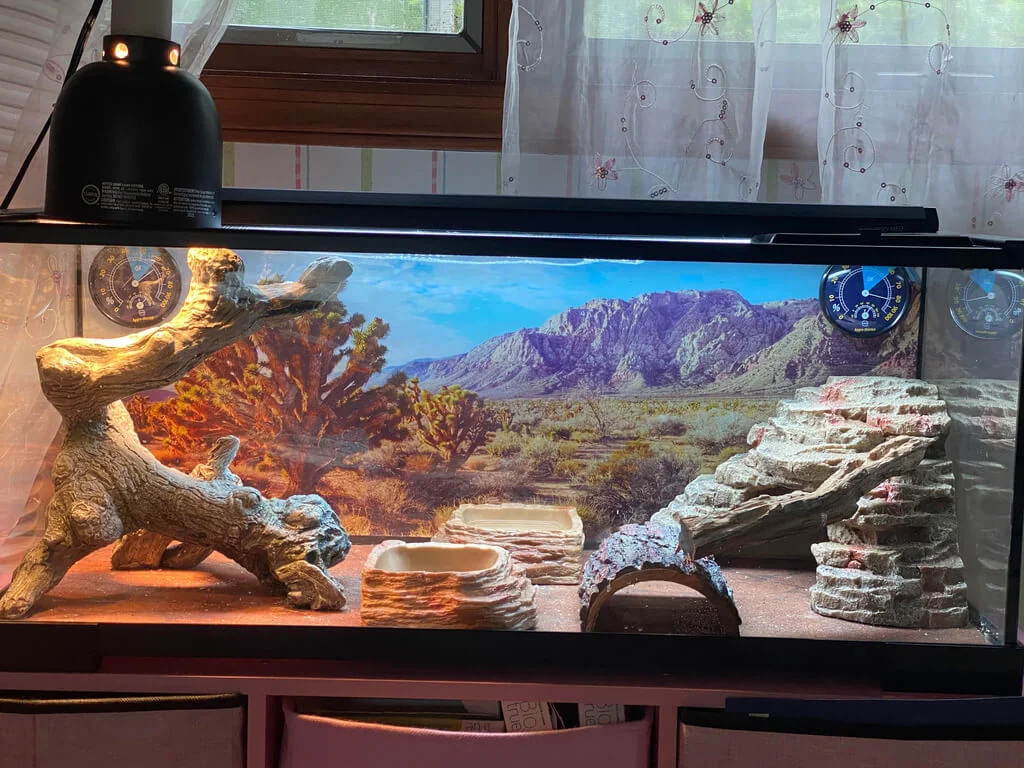
Creating the Perfect Desert Habitat for Your Bearded Dragon
Setting up the ideal habitat is crucial for your bearded dragon’s health and happiness, especially when mimicking the arid conditions they naturally thrive in. This comprehensive guide will walk you through every aspect of creating a desert-like environment, ensuring your scaly friend lives a long, vibrant life. From temperature and lighting to substrate and decor, we’ll cover everything you need to know to build a thriving desert oasis right in your home. Proper habitat setup significantly impacts their overall well-being, affecting their activity levels, appetite, and susceptibility to illness. Investing time and effort in creating the perfect desert habitat will be one of the best decisions you can make for your bearded dragon.
Understanding Your Bearded Dragon’s Needs
Before diving into the specifics of habitat setup, it’s essential to understand the fundamental needs of a bearded dragon. These reptiles are diurnal, meaning they are active during the day and require specific environmental conditions to regulate their body temperature, digest food, and stay healthy. They originate from the deserts and semi-arid regions of Australia, and their enclosure needs to reflect that. Providing the correct temperature gradient, UVB lighting, and a suitable substrate are all vital for their survival. These needs also extend to the proper humidity levels, food choices, and enrichment. Understanding these factors will help you make informed decisions about your bearded dragon’s setup.
Temperature Requirements
Temperature is one of the most critical aspects of your bearded dragon’s habitat. They are ectothermic, meaning they rely on external heat sources to regulate their body temperature. A proper temperature gradient is necessary, with a basking spot, a warm side, and a cool side. This allows the dragon to thermoregulate and move between temperature zones as needed. Inadequate temperatures can lead to a variety of health problems, including sluggishness, poor digestion, and a suppressed immune system. Investing in accurate thermometers and monitoring the temperatures daily is crucial to maintaining a healthy environment for your pet.
Basking Spot
The basking spot is the hottest area of the enclosure, reaching temperatures of 100-110°F (38-43°C) for adults. This spot is where your bearded dragon will go to warm up and digest food. The basking spot should be directly under a heat lamp, and a flat rock or branch is ideal for basking. Make sure that the basking spot is positioned so that the dragon cannot get too close to the heat source and burn itself. Monitor the temperature closely with a digital thermometer, and adjust the distance of the heat lamp if needed. Always ensure there’s a safe distance between the heat source and the dragon to avoid burns.
Cool Side
The cool side of the enclosure should be around 75-85°F (24-29°C), allowing your bearded dragon to escape the heat when needed. This is an essential component of thermoregulation. The cool side should be away from the basking spot and the heat lamp. Proper ventilation is important to ensure that the cool side stays at the correct temperature. A hide or shaded area on the cool side will provide a safe space where your bearded dragon can retreat. Having a clear temperature gradient is essential for the dragon’s health and comfort. Regularly monitor the temperature on both sides of the enclosure to ensure the proper range.
UVB Lighting Essentials
UVB lighting is another critical aspect of a bearded dragon’s habitat, essential for their health and well-being. UVB rays are necessary for the production of vitamin D3, which helps them absorb calcium from their food. Without adequate UVB exposure, bearded dragons can develop metabolic bone disease (MBD), a serious condition that can lead to bone deformities, paralysis, and death. UVB lighting is not only critical for calcium absorption but also for their overall immune system function and general activity levels. Selecting the proper UVB lighting and placement is crucial for ensuring your bearded dragon’s health.
Why UVB is Crucial
UVB radiation is the key to a bearded dragon’s ability to synthesize vitamin D3, which is vital for calcium absorption. This process is essential for strong bones and overall health. In the wild, bearded dragons get UVB exposure from the sun. In captivity, you must provide this vital exposure through the use of a UVB bulb. Without it, they cannot properly metabolize calcium, leading to metabolic bone disease. Regular exposure to UVB lighting also helps in promoting healthy behaviors and encouraging activity levels. A proper UVB setup closely mimics their natural environment, supporting a healthy life.
Choosing the Right UVB Bulb
Choosing the right UVB bulb is crucial for providing the appropriate level of UVB radiation for your bearded dragon. There are several types of UVB bulbs available, including fluorescent tubes and mercury vapor bulbs. Fluorescent tube bulbs are generally recommended as they provide a more even distribution of UVB. Select a bulb with a UVB output appropriate for the size of your enclosure and the distance from the basking spot. Make sure that the bulb provides UVB over the basking area, allowing the dragon to get the UVB exposure it needs. Replacing the UVB bulb as per the manufacturer’s recommendation is also critical to maintain its effectiveness.

Humidity and Hydration in a Desert Habitat
While bearded dragons come from desert environments, they still need access to hydration and proper humidity levels. The key is to find a balance. Overly dry conditions can lead to dehydration, while too much humidity can lead to respiratory issues. The humidity level should generally stay between 20-40%. Monitoring and adjusting the humidity is necessary to replicate the dragon’s natural environment, ensuring proper health and overall well-being. Providing fresh water and monitoring the humidity levels are critical for a healthy desert habitat.
Maintaining Proper Humidity Levels
To maintain the correct humidity level in your bearded dragon’s enclosure, you can use a hygrometer to measure humidity. If the humidity is too low, you can mist the enclosure with a spray bottle or provide a shallow water dish. Ventilation is important as it helps prevent excessive humidity build-up. The enclosure should have adequate airflow to prevent moisture buildup. Regularly cleaning the enclosure is crucial, as this helps in controlling the humidity and preventing the growth of mold or bacteria. Consistent monitoring and adjustments are key to ensuring proper humidity levels.
Providing Fresh Water
Fresh water should always be available to your bearded dragon. A shallow water dish, placed in the cool side of the enclosure, is ideal. The dish should be cleaned and refilled with fresh water daily. Using a larger water dish can also help to maintain humidity if needed, but be sure to monitor the humidity levels to avoid excess moisture. Avoid using tap water that may contain chlorine or other harmful chemicals; use filtered or bottled water. Ensuring that your bearded dragon has constant access to clean water is important for hydration and overall health.
Substrate Selection for Desert Environments
The substrate is the material that covers the bottom of your bearded dragon’s enclosure, and it plays a significant role in their health and comfort. It provides a surface for them to walk on, helps maintain humidity, and can also influence the overall aesthetic of the habitat. The ideal substrate mimics their natural desert environment while being safe and easy to maintain. Avoiding substrates that can cause impaction or harbor bacteria is crucial for their health.

Safe Substrate Options
There are several safe substrate options for your bearded dragon’s habitat. A mixture of playsand and topsoil is a popular and naturalistic choice, providing a good balance of moisture retention and drainage. Paper towels or reptile carpet are also acceptable, although they do not offer the same enrichment value as loose substrates. If using a loose substrate, make sure it is digestible or made up of particles that cannot cause impaction. Choosing the appropriate substrate ensures a safe and healthy environment for your dragon.

Unsafe Substrates to Avoid

Some substrates can be dangerous for bearded dragons and should be avoided. Calcium sand, which is often marketed for reptiles, can clump when ingested and cause impaction. Walnut shells are also a risky option. Avoid any substrate that is dusty, as this can cause respiratory problems. It’s also best to avoid substrates that can harbor bacteria or are difficult to clean. Prioritizing your dragon’s health and safety should always be your top priority when selecting a substrate.
Decorating the Desert Oasis
Decorating your bearded dragon’s enclosure not only enhances its aesthetic appeal but also provides environmental enrichment, which is crucial for your pet’s well-being. Adding rocks, branches, and other structures gives your dragon opportunities to climb, explore, and bask. It also provides hiding spots, making them feel secure. The decoration should mimic their natural habitat and support their natural behaviors. The right decorations will stimulate your dragon, prevent boredom, and promote a happy and healthy lifestyle.
Basking Rocks and Structures
Basking rocks and structures are essential additions to your bearded dragon’s enclosure. These provide a place for your dragon to bask and regulate their body temperature, and should be placed directly under the heat lamp. Choose rocks and structures that are non-toxic, sturdy, and heat-resistant. Ensure that there are multiple levels of height available for your dragon to climb. These structures also provide variety in their habitat, encouraging physical activity. Always ensure that the basking spot is at the correct temperature, and there are no sharp edges that may cause injury.
Hiding Spots and Enrichment
Providing hiding spots is crucial for your bearded dragon’s sense of security and allows them to retreat when feeling stressed or tired. Hides should be placed in both the warm and cool sides of the enclosure. Enrichment items such as branches, tunnels, and climbing structures can also be added to the habitat to encourage exploration and exercise. The goal is to make the enclosure as stimulating as possible while also providing a sense of safety. Ensure that all decorations are safe and non-toxic, and that they are easy to clean and maintain.
Feeding and Nutrition Considerations
Proper nutrition is fundamental to the health and longevity of your bearded dragon. A balanced diet that includes insects, vegetables, and supplements is essential. Understanding the dietary needs of your bearded dragon, and adjusting the diet as they grow is crucial. A nutritious diet will keep your bearded dragon active, healthy, and less susceptible to illness. A well-balanced diet also encourages healthy growth and development, setting the foundation for a long and vibrant life.
Choosing the Right Food
Bearded dragons are omnivores and need a varied diet. The diet should consist primarily of insects and a smaller portion of vegetables and greens. The types of insects and greens should be carefully chosen. Avoid feeding insects that have hard exoskeletons or are difficult to digest. Choosing a varied diet will ensure that your bearded dragon receives all the necessary nutrients for optimal health. Avoid feeding any foods that are toxic or can cause digestive issues, keeping in mind the natural diet of bearded dragons when choosing the food.
Insect Variety

Insects should make up a large portion of your bearded dragon’s diet, especially when they are young. Good insect choices include crickets, dubia roaches, and black soldier fly larvae. Varying the insects you feed will help ensure that your dragon receives a wide range of nutrients. Gut-loading insects before feeding them to your dragon is also a good practice; feed the insects nutritious foods a day or two before feeding them to your dragon, maximizing their nutritional value. Insects need to be the appropriate size for your dragon to eat without difficulty. Always provide a fresh supply of insects that have been properly maintained.
Vegetable and Greens Selection
Vegetables and greens should make up a smaller portion of your bearded dragon’s diet, but they are essential for providing essential vitamins and minerals. Good choices include collard greens, mustard greens, and squash. Avoid feeding iceberg lettuce, which has low nutritional value. Chop the vegetables and greens into small pieces that your dragon can easily eat. Offering a variety of vegetables and greens will ensure that your bearded dragon has a well-rounded diet. Always wash the vegetables and greens thoroughly before feeding.
Supplements
Supplements are necessary to ensure that your bearded dragon is getting all the nutrients it needs. Calcium and vitamin D3 supplements are especially important, as they help your dragon absorb calcium and prevent metabolic bone disease. Supplementing your dragon’s diet helps in preventing deficiencies that could lead to health issues. Using supplements properly will contribute to your bearded dragon’s long-term health. Always follow the directions on the supplement packaging and consult with a veterinarian about the specific needs of your dragon.

Calcium and Vitamin D3
Calcium and vitamin D3 supplements are crucial for healthy bone development and preventing metabolic bone disease. Dust insects with calcium and vitamin D3 powder before feeding them to your dragon. The frequency of supplementation will depend on your dragon’s age and the type of UVB lighting you use. Ensure that the supplement contains the proper ratio of calcium to phosphorus. Consult with a veterinarian or experienced reptile keeper to determine the appropriate supplementation schedule for your bearded dragon. Regular supplementation will help prevent various health problems associated with improper calcium and vitamin D3 intake.
Feeding Schedule
The feeding schedule for your bearded dragon will depend on its age and growth stage. Young bearded dragons require more frequent feedings than adults. As a general rule, young dragons should be fed insects multiple times a day, while adults can be fed once a day or every other day. Monitor your dragon’s weight and appetite, and adjust the feeding schedule as needed. Fresh water should be available daily. Providing food at the same time each day can help regulate digestion and maintain a routine. Also, adjusting the portions depending on your dragon’s activity levels will ensure optimal health.
Monitoring Your Bearded Dragon’s Health

Regularly monitoring your bearded dragon’s health is vital for early detection of any potential health issues. Learning the signs of a healthy dragon and recognizing the symptoms of common illnesses will allow you to take prompt action if any problems arise. A healthy bearded dragon is active, alert, and eating well. It’s important to establish a routine and regularly examine your bearded dragon, as well as its environment. Prompt treatment is often essential for preventing serious health complications. Being observant and proactive in your dragon’s care will contribute to its long and healthy life.
Signs of a Healthy Bearded Dragon
A healthy bearded dragon should be active, alert, and have a good appetite. Their eyes should be bright and clear, and their skin should be free from any lesions or discoloration. They should be eating and drinking regularly and passing stools that are firm and formed. They should be alert, active, and interacting with their environment. Consistent and regular healthy behavior is a good indicator of a healthy dragon. Keeping track of any changes in their behavior or appearance is essential for identifying any health issues early.
Common Health Issues in Desert Habitats
Bearded dragons can be prone to certain health issues if their habitat is not properly maintained. Metabolic bone disease (MBD) is a common ailment caused by insufficient UVB exposure or calcium deficiency. Respiratory infections can occur if the humidity is too high or if the enclosure is poorly ventilated. Parasites and bacterial infections can also be a concern. Recognizing these health issues early, and knowing the steps to take, is vital for your bearded dragon’s survival. Regular maintenance of the habitat and a balanced diet are critical for disease prevention.
Seeking Veterinary Care
If you notice any signs of illness in your bearded dragon, it’s essential to seek veterinary care promptly. A veterinarian specializing in reptiles can diagnose and treat any health problems your dragon may have. Never attempt to diagnose or treat your dragon yourself. Early intervention by a qualified veterinarian can often prevent serious health complications. When choosing a vet, ensure that they have experience with reptiles. Having a trusted reptile veterinarian is an integral part of responsible pet ownership. This could include providing a stool sample for parasite testing or performing other diagnostic procedures to ensure your pet’s well-being.